If every canvas had a soundtrack, what would audiences hear the moment they stepped into your world?
They would hear an intoxicating blend of Bossa Nova, vintage Big Band swing, R&B, classic Broadway, disco, and contemporary house music. The soundtrack of my paintings spans decades, just as my artistic influences do. Much of the music that has inspired me comes from the 1940s, 50s, and 60s. I love the voices of Ella Fitzgerald, Judy Garland, Sarah Vaughan, Dolores Gray, and Peggy Lee. The great orchestras of Artie Shaw, Henry Mancini, Tommy Dorsey, Duke Ellington, Freddy Martin, and Glenn Miller have always been part of my creative world. Brazilian music, especially Sergio Mendes & Brazil ‘66 and Stan Getz, introduced rhythms and colors that continue to resonate deeply with me. The Disco Era became another major influence. Songs like “Cherchéz La Femme,” “Native New Yorker,” and “Love You Didn’t Do Right By Me” from the movie musical White Christmas still energize me today. I also return again and again to classics such as “I’ve Got a Gal in Kalamazoo,” “You Stepped Out of a Dream,” “A Pretty Girl Is Like a Melody,” and Henry Mancini’s unforgettable “Moon River” from Breakfast at Tiffany’s. Today, my playlists move effortlessly between Duke Ellington and Louie Vega. Rhythm has always been central to my work. Although my paintings are silent, I think of them as choreographed compositions. Every line, shape, and color has its own tempo, and every canvas performs like a theatrical production waiting for the curtain to rise.
Which single object in your home or studio would you rescue first in a fire, not because it’s valuable, but because it tells your story?
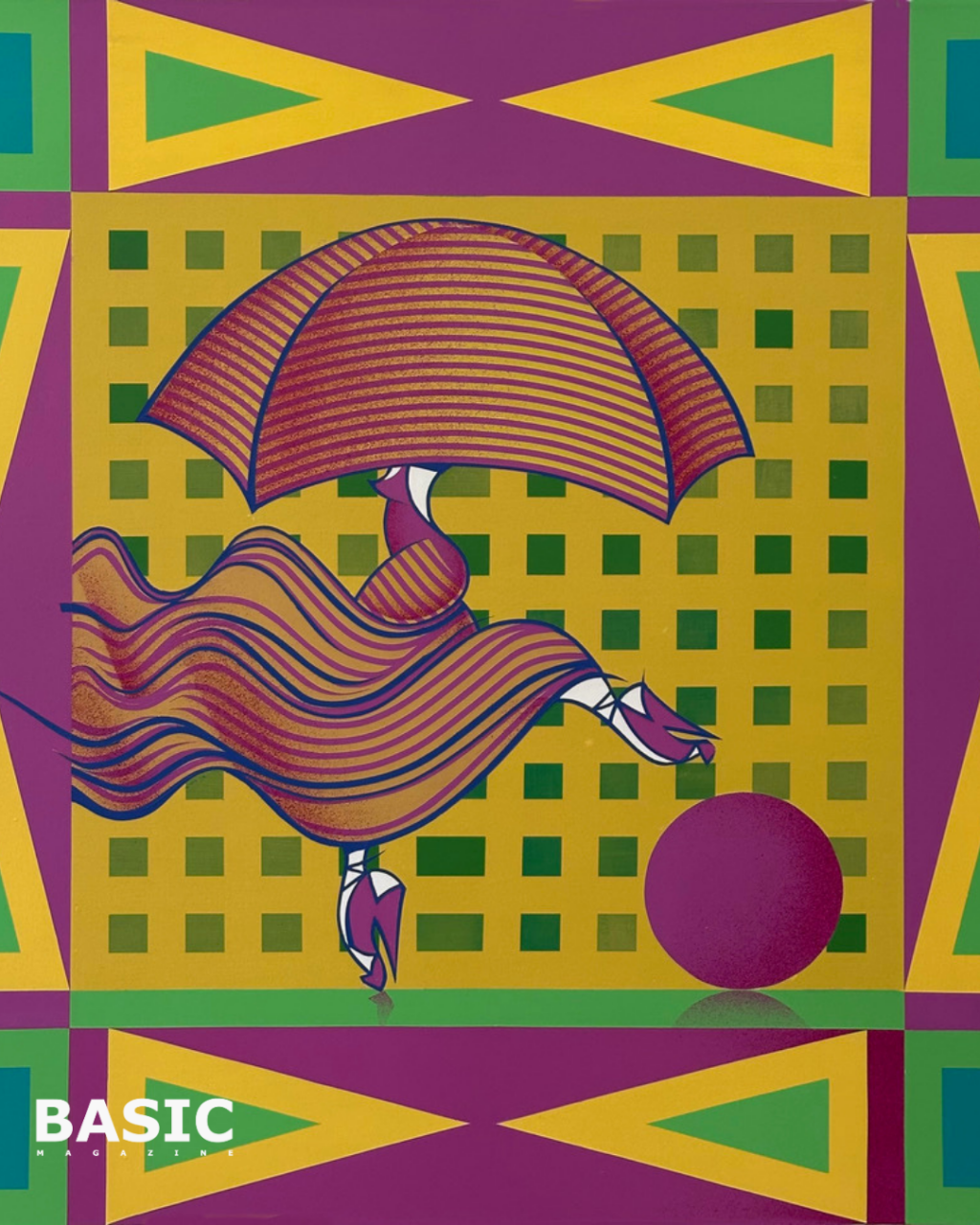
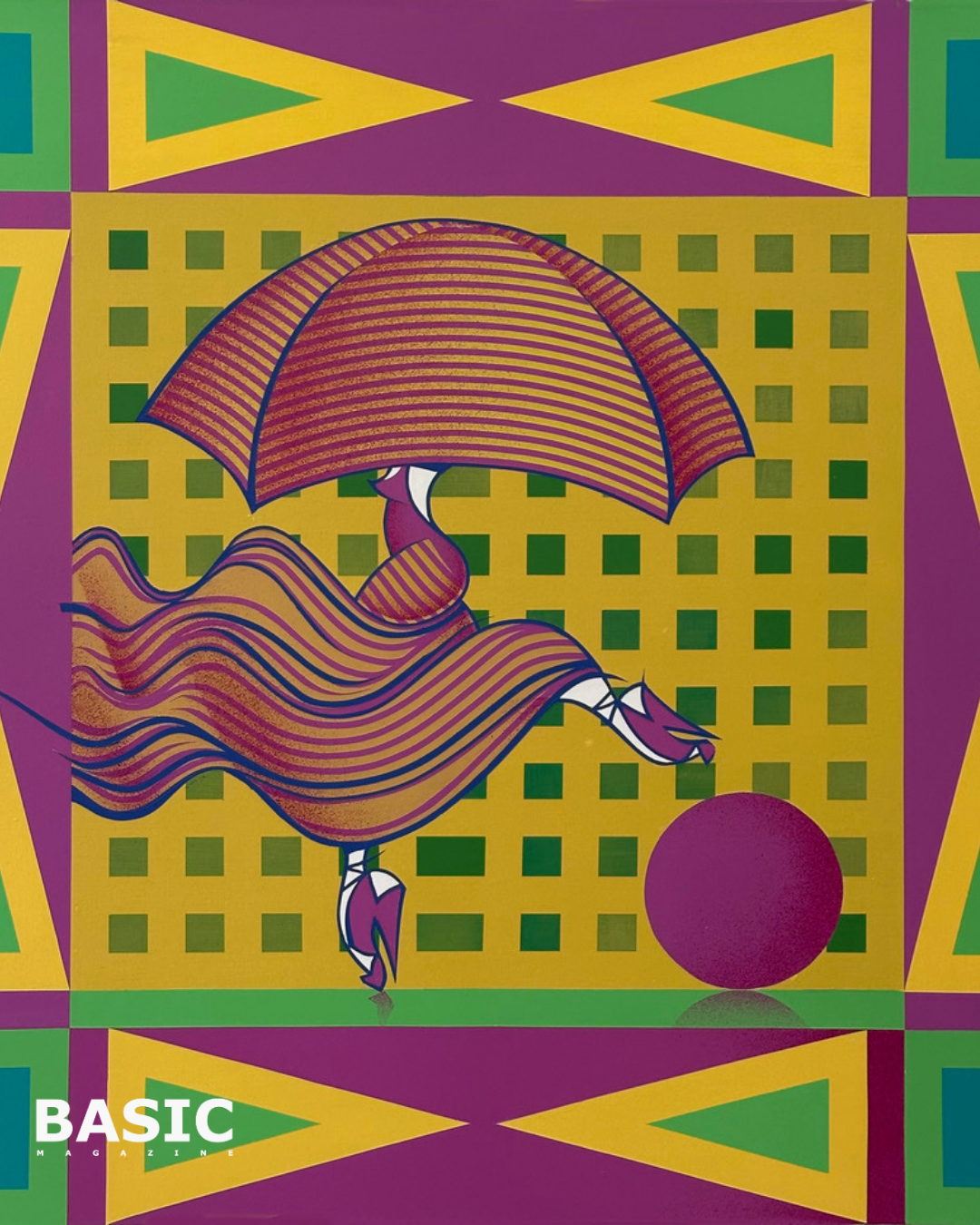
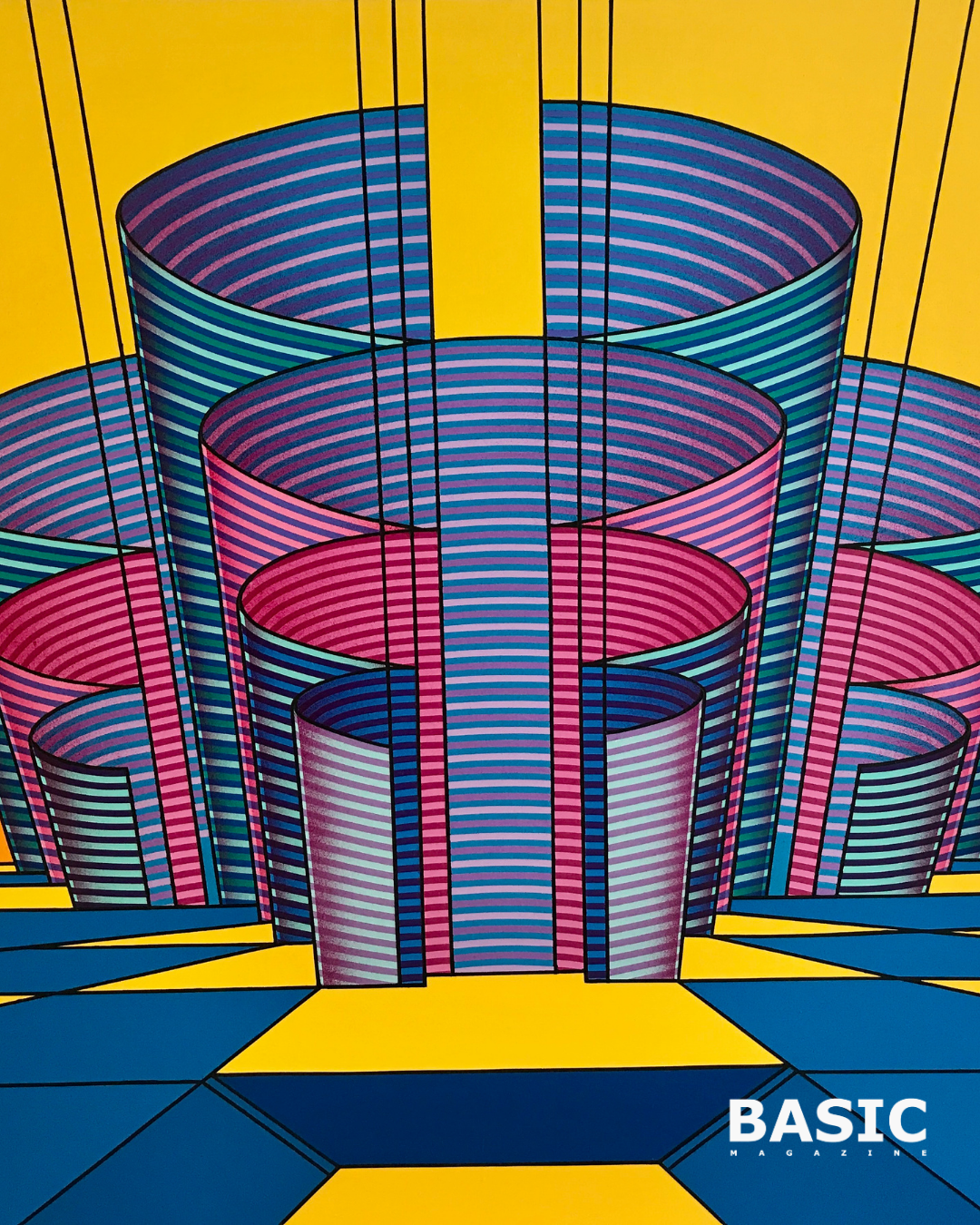
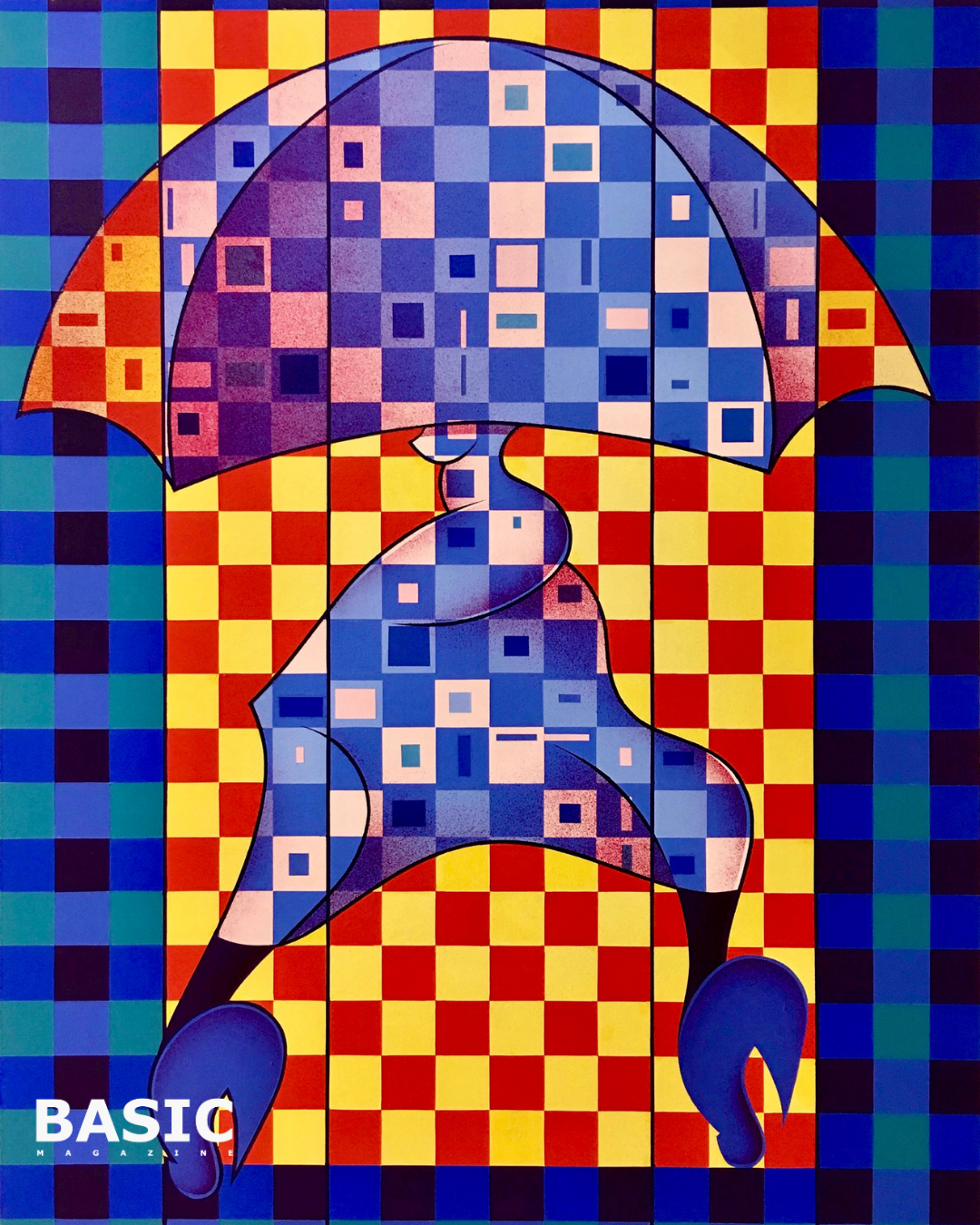
My first instinct would be to rescue my computer. It contains decades of photographs, artwork, exhibition images, videos, writing, and the digital archive of my life as an artist. While paintings can be recreated in spirit, many of those memories and records exist nowhere else. If I could save one painting, it would be Parasol No. 1. It represents the beginning of one of the most important series of my career and established a visual language that continues to evolve in my work today. Even my new Corcovado series grows from ideas first explored in that painting. It isn’t simply my oldest Parasol; it marks the moment when I truly found my artistic voice.
If someone walked into your studio when no one was watching, what small ritual or habit would they witness that says everything about who you are as an artist?
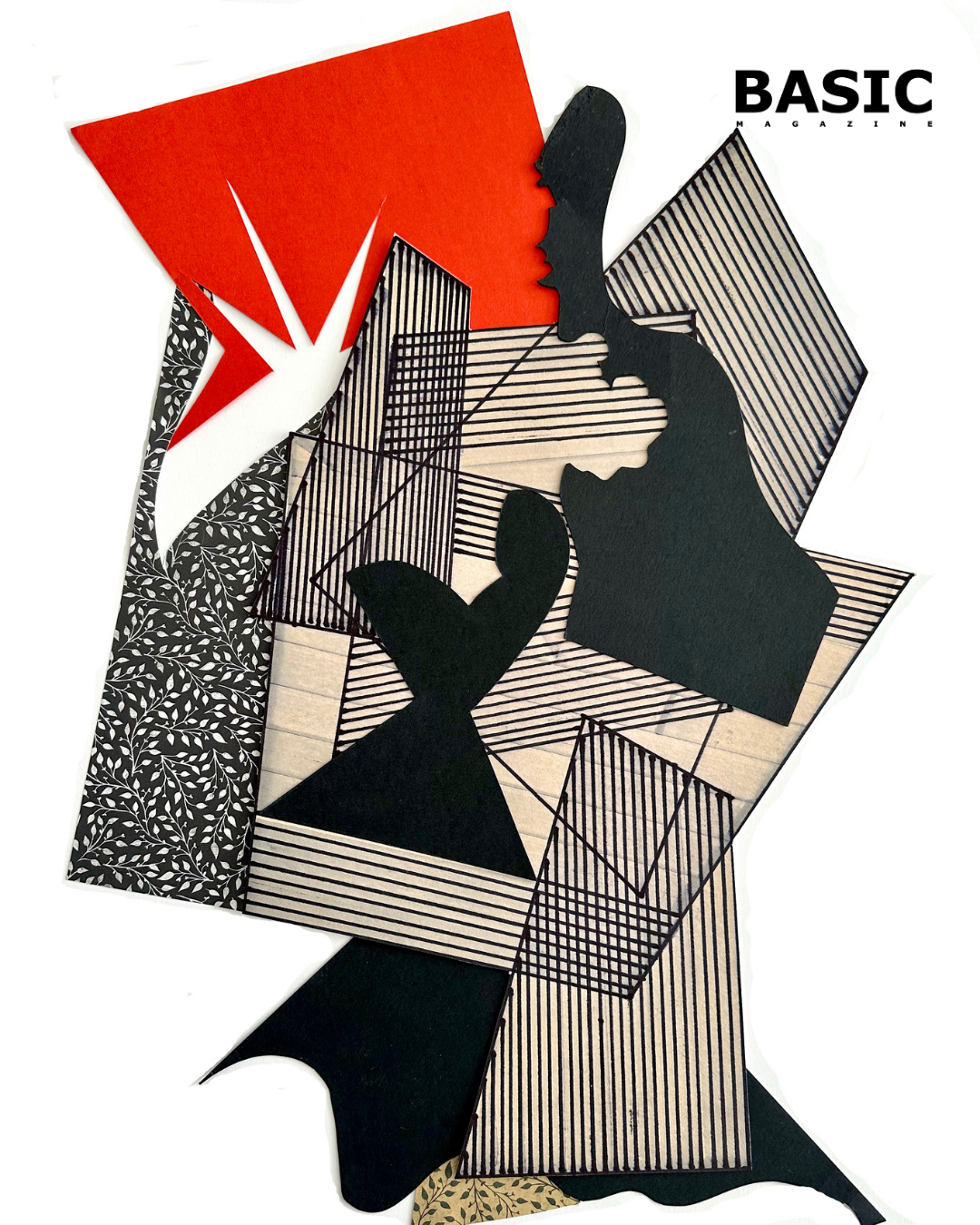
If someone walked into my studio unexpectedly, they would probably catch me dancing in front of a canvas or one of my fashion works on paper. Music is an essential part of my creative process, and I often respond to it physically while I’m working. My paintings may be still, but the energy behind them is always in motion.
What’s something people almost always assume about you after seeing your work that couldn’t be further from the truth?
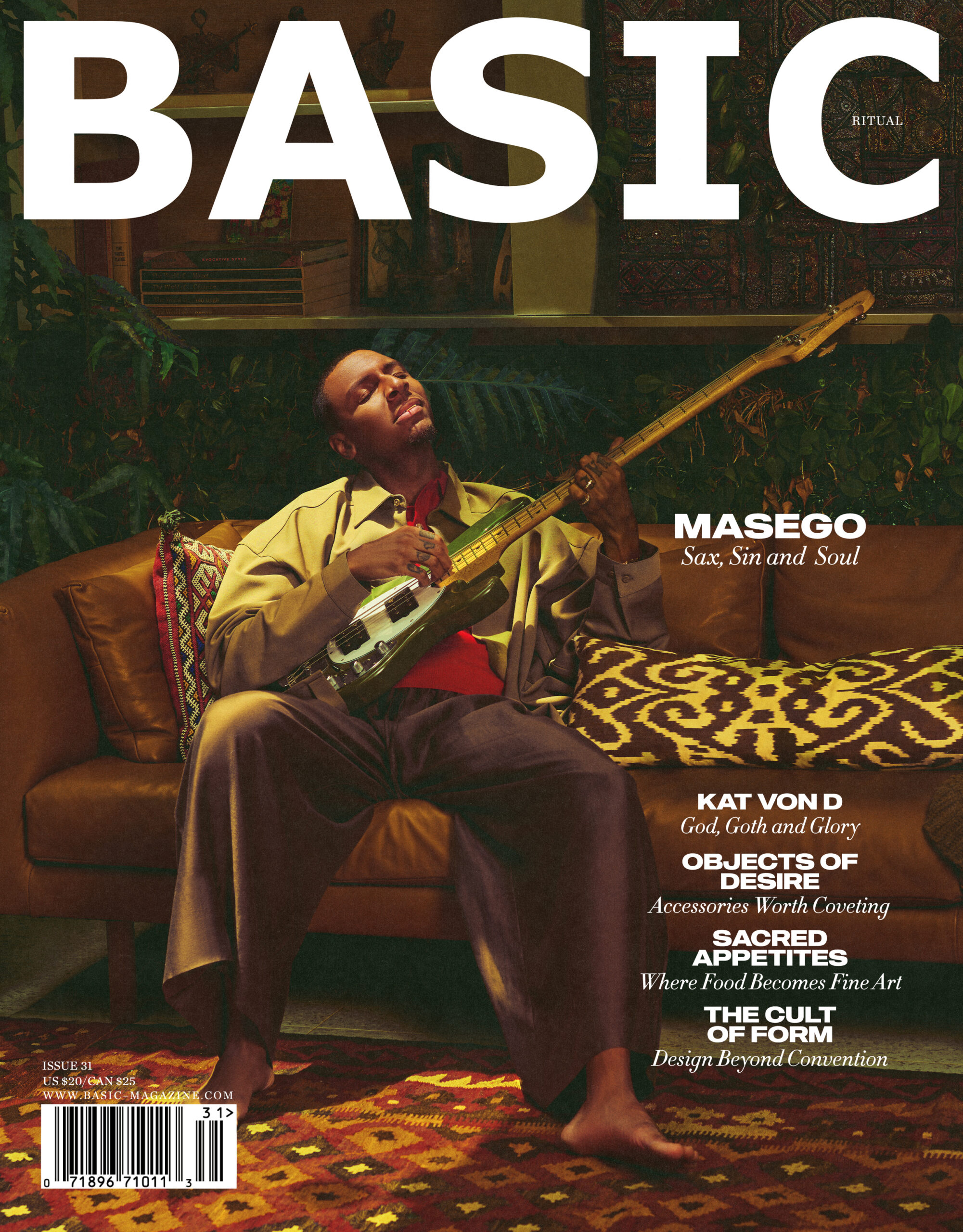
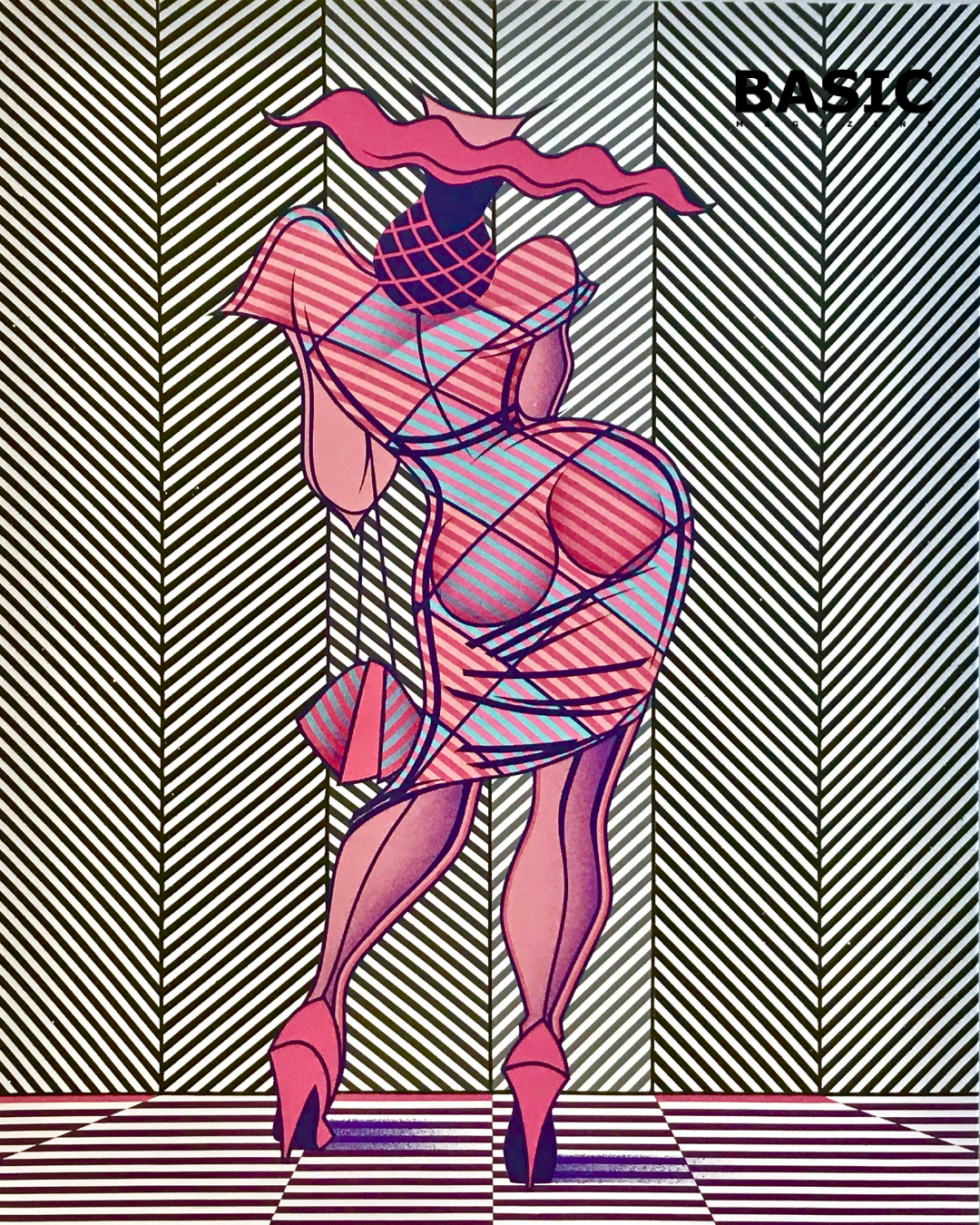
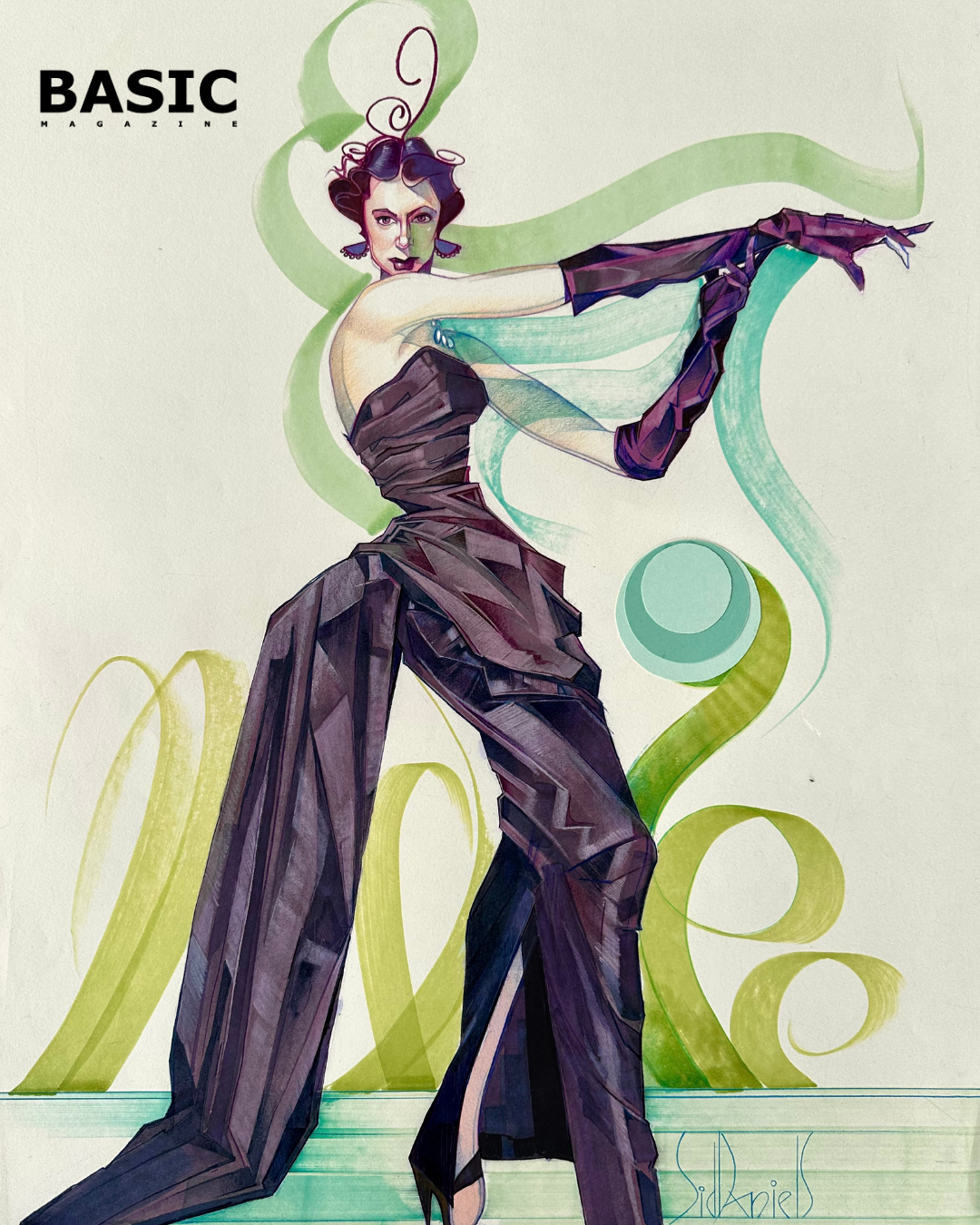
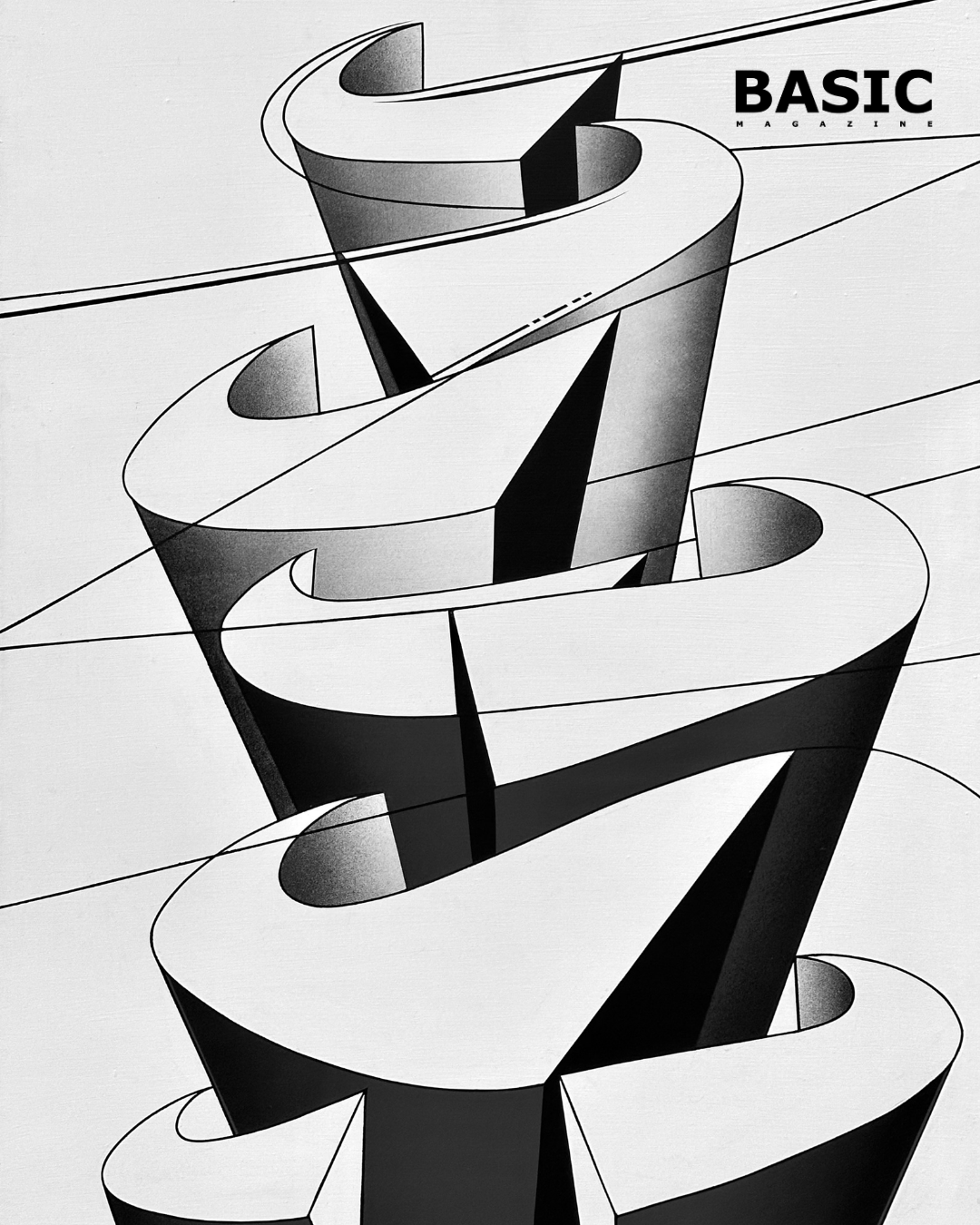
People are often mesmerized by the precision and complexity of my paintings and assume they were created digitally. In reality, every work is painted by hand using acrylics, masking tape, and a carefully planned process that can take weeks to complete. My fashion works on paper begin very differently. I often start with vintage photographs and reinvent the clothing, transforming the original imagery into something entirely new through color, pattern, and design. One of the greatest joys of my creative process is experimenting with different combinations of media—gouache, colored pencil, markers, collage, and acrylic—to discover unexpected visual relationships. Whether I’m creating a large canvas or a mixed media work on paper, my goal isn’t simply technical precision. It’s to create a theatrical world where fashion, architecture, rhythm, and imagination come together in a way that feels timeless.
Imagine you wake up tomorrow unable to paint ever again. What creative obsession do you think would completely take over your life instead?
If I could no longer paint, I would probably devote myself to photography. I’ve always been fascinated by capturing candid moments—especially people, street fashion, architecture, and the unexpected details of everyday life. I enjoy observing how people express themselves through clothing, posture, and movement, and those observations have often found their way into my paintings. Photography would allow me to continue exploring composition, color, and design from a different perspective. It would simply become another way of telling visual stories.
Imagine someone discovers one of your paintings 200 years from now, knowing nothing about our era. What do you hope they understand about humanity, not from the subject itself, but from your use of color, balance, and illusion?
I hope people 200 years from now will see my work as a reflection of the era in which I lived. We experienced an extraordinary amount of sensory stimulation through music, theater, fashion, architecture, entertainment, travel, and, of course, the internet. We were constantly surrounded by images, colors, sounds, and movement that shaped the way we saw the world. Through my paintings, I hope they sense our fascination with beauty, creativity, and self-expression. I want them to see that beneath all the visual excitement, we were inspired by imagination, optimism, and the desire to create experiences that brought people joy. If my work still communicates that energy, rhythm, and theatricality two centuries from now, then I will have succeeded as an artist.