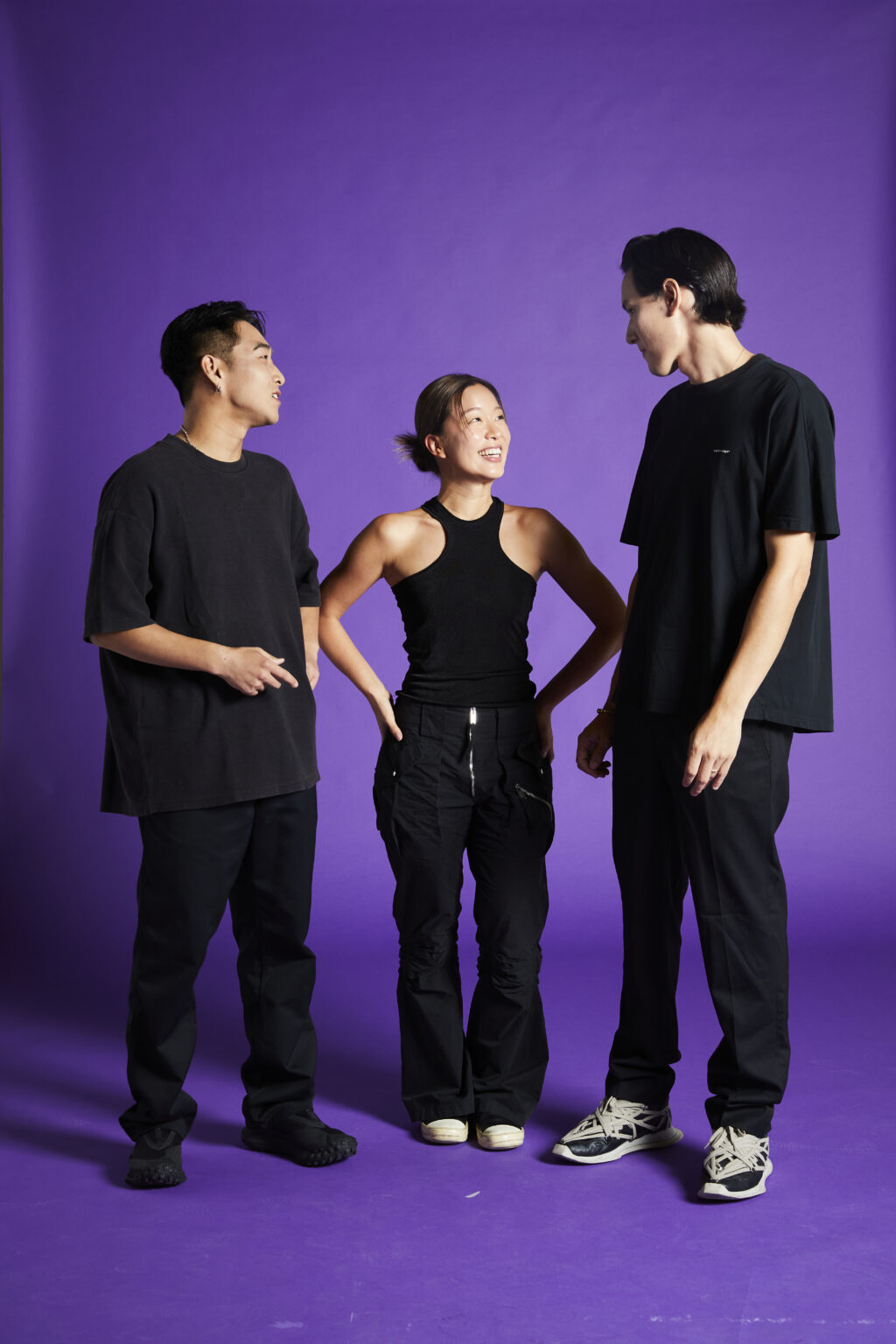
Fashion has always traded in image, but in the age of AI, the face itself has become a new kind of currency. As deepfakes, digital replicas, and unauthorized likenesses blur the boundaries of ownership, the question is no longer just who gets the campaign but who controls the person inside it. Spotlite is confronting an industry where consent risks becoming optional and identity can be copied with a click. At the center of its mission is a deceptively simple demand: if it’s your face, your voice, or your movement, you should have a say in how it is used—and be compensated when it is. Because the future of fashion may be powered by technology, but the original is still human.
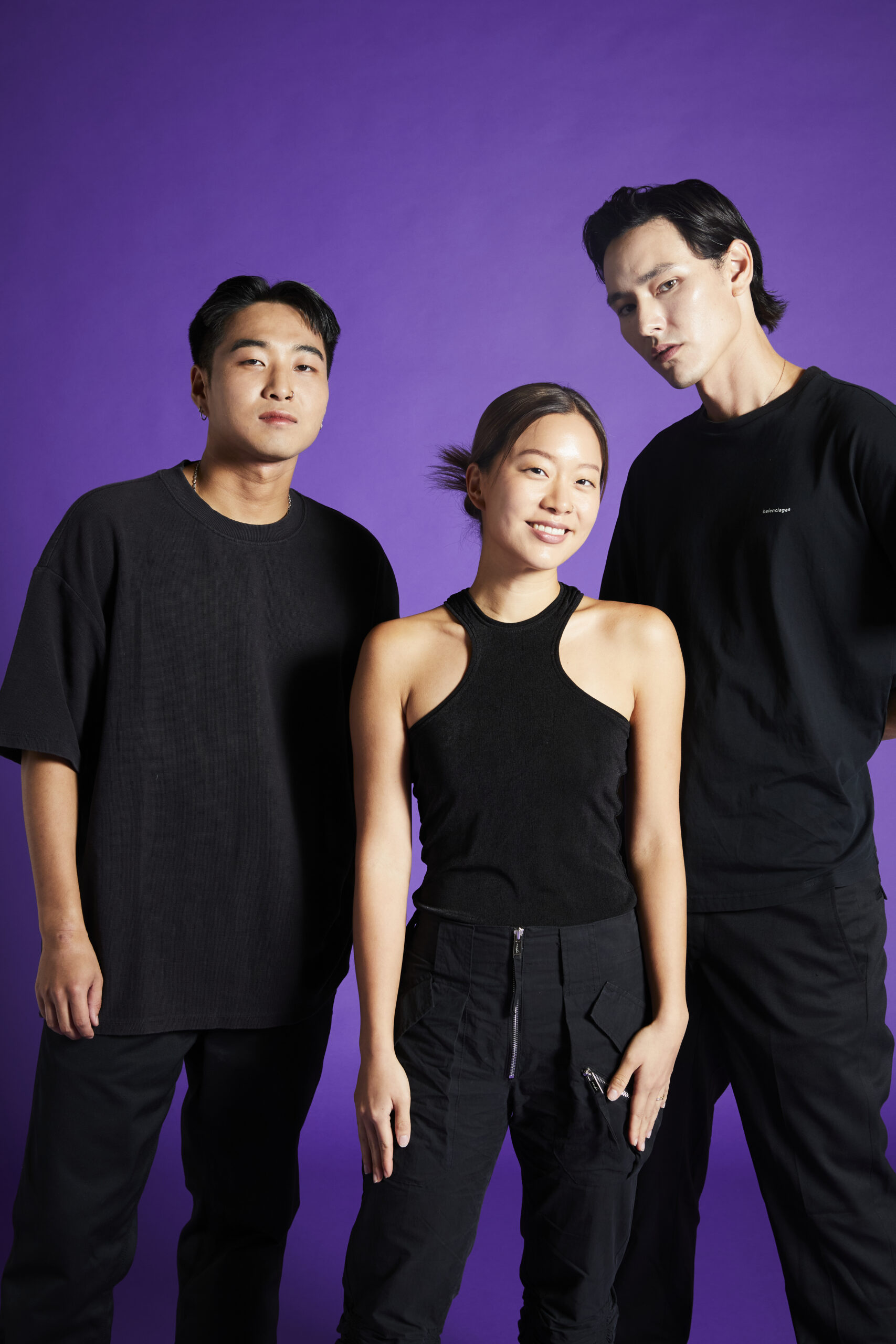

Fashion has always been built around image, but we’re entering a time when an image can exist without the person who created it. At what point did you realize Spotlite wasn’t just solving a booking problem, but a much bigger question about ownership and identity?
The shift happened when our users started bringing us case after case of how their likeness was being misused. One of our users was dealing with a persistent deepfake problem, her image surfacing in places she’d never agreed to. Others were finding that brands had begun repurposing images from past contracts to generate new AI content, well outside the original scope of what they’d consented to. What struck us was how powerless people were against this. For a freelance talent, it’s nearly impossible to tackle alone. Even for agencies managing hundreds of models, there’s often no visibility into where misuse is happening, let alone a way to act on it. We had a lot of conversations with users and friends who were living through exactly these situations, and it became clear this was a much bigger problem than the one we’d started with. We’d built Spotlite to make booking seamless. But we realized that if a person’s identity and likeness aren’t treated the way they should be, if people stop valuing consent and scope, then the entire foundation underneath booking starts to erode. The definitions that matter, how your likeness can be used and within what limits, simply disappear. So this stopped being only a question of business growth. It became something we felt we had to solve for the health of the industry as a whole.

You and Benjamin approached this from opposite perspectives, one from years inside the modeling industry, the other from building startups. Where did your view- points clash, and how did those differences ultimately make Spotlite stronger?
Honestly, we haven’t really clashed, and that surprises people. Benjamin is the domain expert; I don’t know the industry the way he does, inside and out. More importantly, he’s someone who lived the problem himself. That’s a point most startups miss: if you’ve never experienced a problem firsthand, you can’t really design the right solution for the people who have. Because Benjamin has been an insider, he can point to where we need to go and why it matters. My role is to translate that. To take his direction and turn it into a product, into a company that can actually grow, scale, and solve the problem for a much larger audience than any one person could reach. So it’s been less a matter of opposing viewpoints and more a matter of different roles that we each respect deeply. He sees the problem from the inside; I build the machine that solves it broadly. That division has been our biggest source of synergy rather than tension.
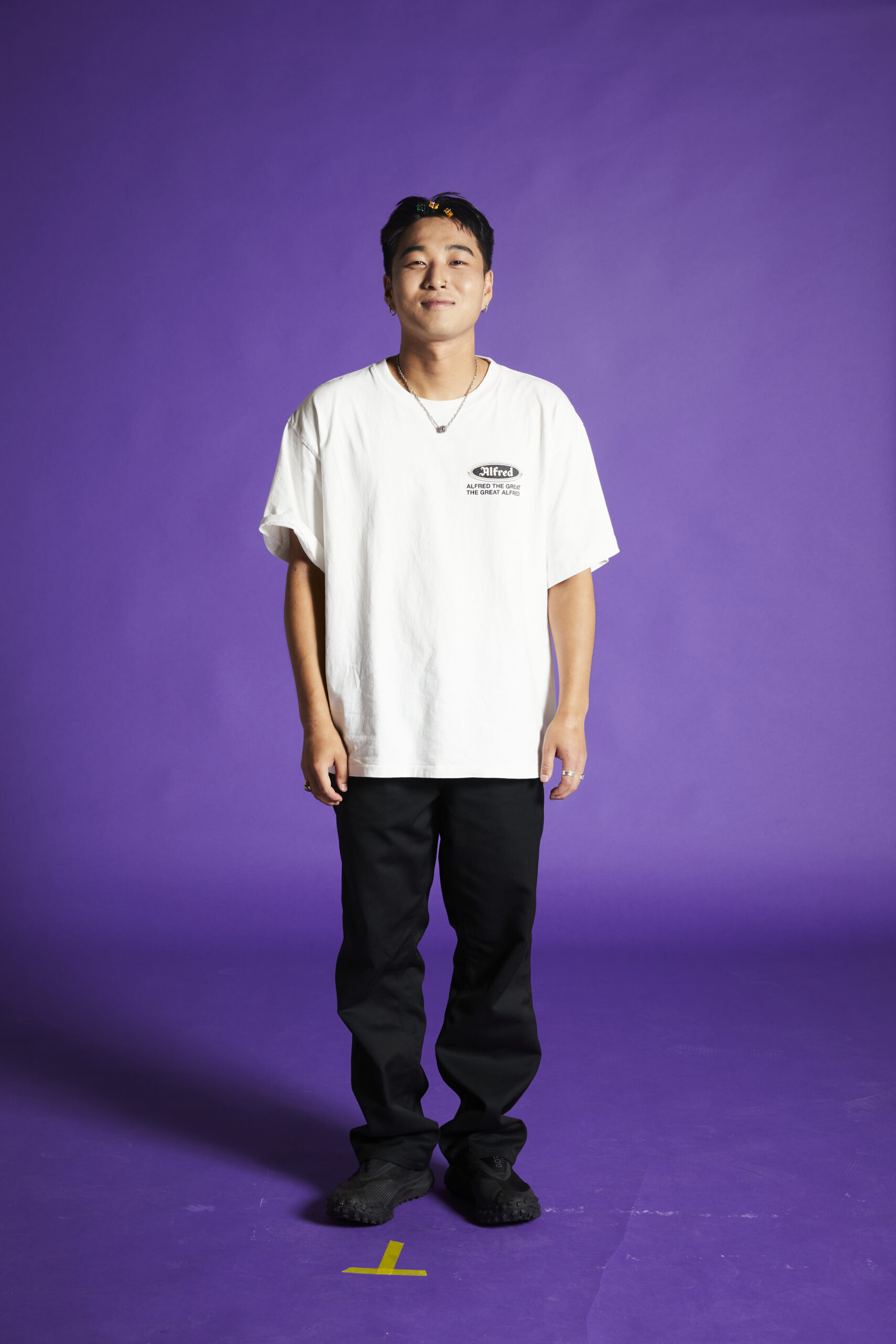
Your partnership with Models of Canada signals a shift from building a platform to helping reshape an entire industry. Beyond technology, what kind of culture do you hope this collaboration creates for the next generation of talent?
The partnership happened because Models of Canada and Spotlite share the same vision: whatever problems lie ahead for the modeling industry, we want everyone to be aware of them and to have access to the right solution. Technology is just a tool. Our real goal is to give talent visibility into what’s happening, show them how to respond, and empower them to take action on their own. The culture we want to build together starts with a simple stance: it is not okay to take a model’s likeness just because it’s published online, or to treat that as acceptable by default. We want to be a strong voice saying clearly that this is not okay, precisely because the subjects are real people. The second part is a broader movement. Even in the age of AI, the ownership of your data still matters. You should have control over how your likeness is used, and you should be able to protect it. We don’t want the next generation to simply be swept along by a new wave of technology. We want them to understand the problem, know how to deal with it, and address it as a group. That’s the culture we’re building together, something that no single company could create alone. Throughout history, artists have fought to protect their work. Today, creators are also fighting to protect their own faces, voices, and identities. Do you believe we’re witnessing the birth of a new kind of creative right, one that future generations will simply take for granted? A hundred percent. Though I’d frame it slightly differently: we already have the right to our own face, voice, and identity. What’s happening now is that the consent-and-compensation structure around how that data can be used is simply expanding into a new domain. The modeling industry already built an incredible framework around image use, consent and compensation baked into how a likeness gets used, and within what scope. In a way, AI is forcing the rest of the world to catch up to something the modeling industry understood a long time ago. So the fight now is to make sure that boundary keeps expanding alongside the technology and the new ways likeness can be used. Our hope, at the end of this journey, is that the next generation takes it completely for granted. That it becomes obvious: whenever someone uses my face, my voice, my movement, any data from me, whether AI-generated or not, for commercial purposes, I get compensated. Exactly the way the modeling industry structured it. That’s the world we’re working toward.
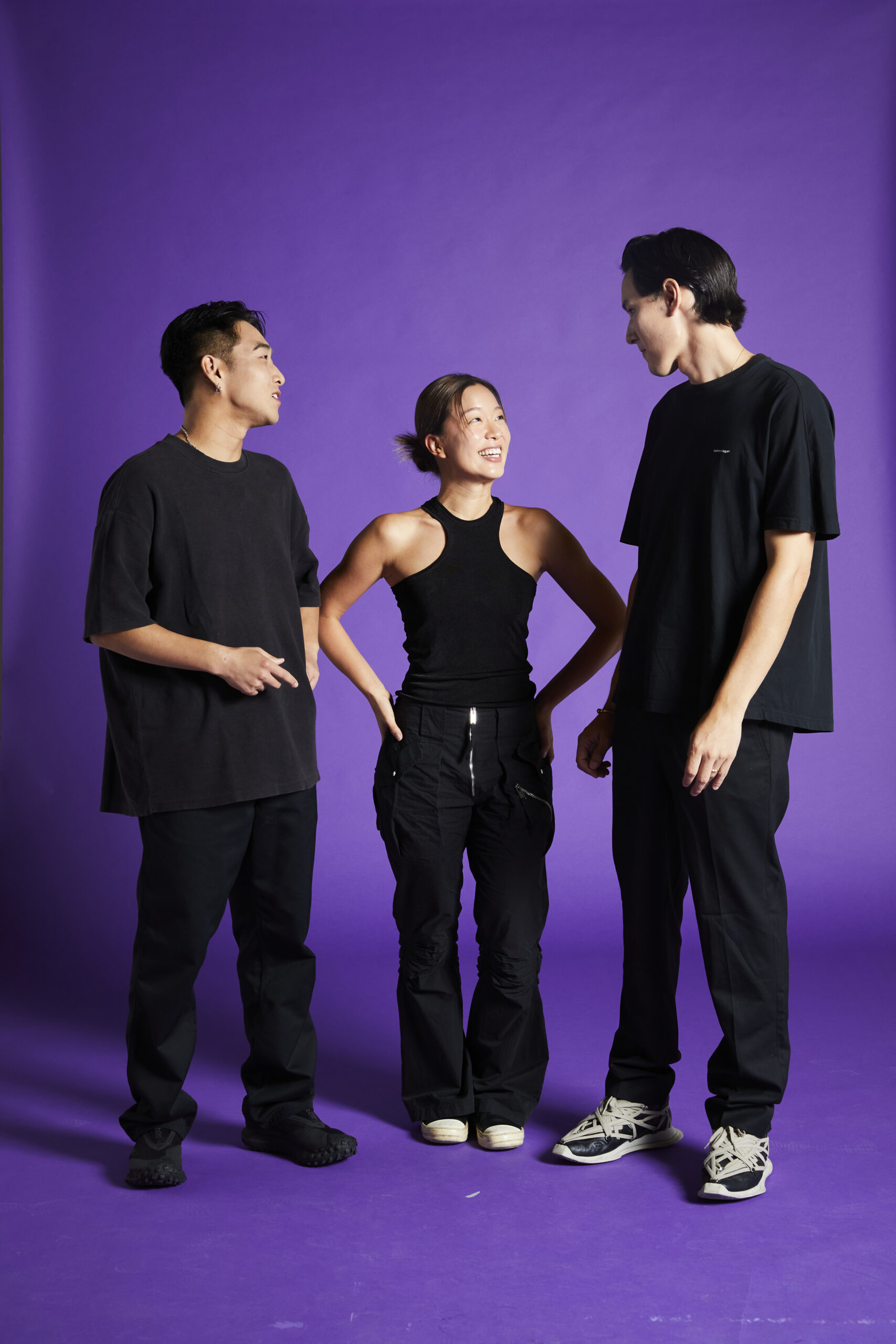
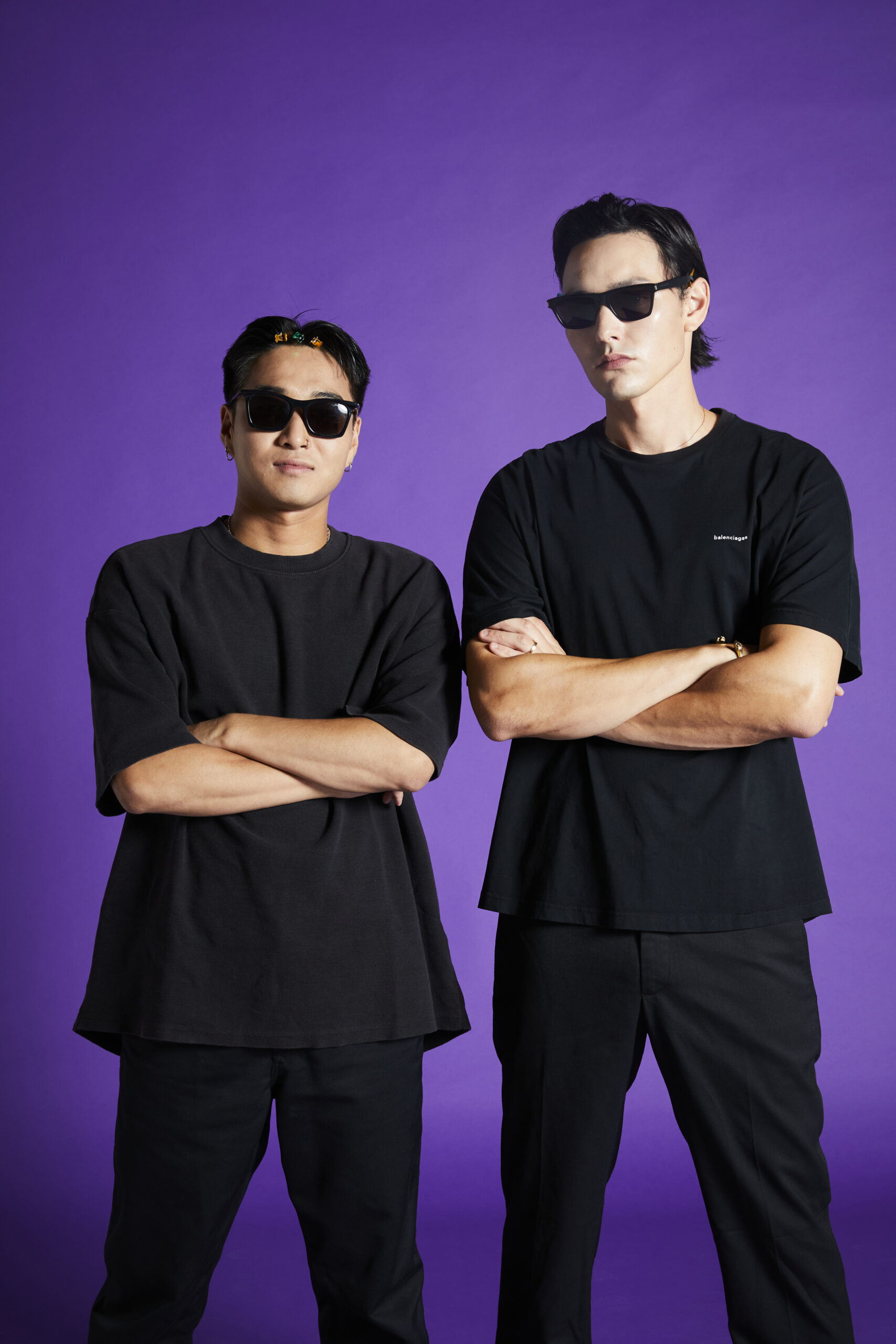
Imagine it’s 10 years from now, and a young model lands their dream campaign through a system that’s completely transparent, ethical, and AI-safe. What do you hope they’ll never have to experience because of the work you’re doing today?
What we don’t want them to go through is exactly what’s happening now. A brand changing the ethnicity of your image with AI. Finding your face on an explicit website you never consented to. AI companies using your data to train their models without your permission or any compensation. People “remixing,” in quotation marks, a model’s face that happened to be available online, generating dozens of pieces of content without that person ever approving it. That’s the reality we’re living in, and these cases are only beginning to emerge. If we don’t do anything, I personally believe it only continues from here. So the future we want is the one you described in the question. A young model lands their dream campaign, and it happens with their consent, and they’re compensated for it. What we refuse to accept is a world where a major brand takes someone’s image, builds a worldwide campaign around it, and the person who actually owns that face sees it everywhere but can do nothing about it and receives nothing for it. We believe that when the right standard is in place, models will have access to bigger campaigns and more opportunities, through consent, compensation, and proper licensing, rather than being left in the dark with no visibility into what’s happening to their own likeness.
BUY ISSUE 31
You may also like
-
New Heights: MARIA STEN Takes Center Stage in Amazon Prime’s NEAGLEY
-
FAOUZIA: The Voice with a Knife Under the Velvet
-
WORK IN PROGRESS: A Conversation with MARIA TARASENKOVA
-
MAURA HIGGINS: Take It or Leave It
-
THE MAKING OF BASIC
-
New Energy, New Flow: An Interview with Puerto Rican Singer-Songwriter LUNAY