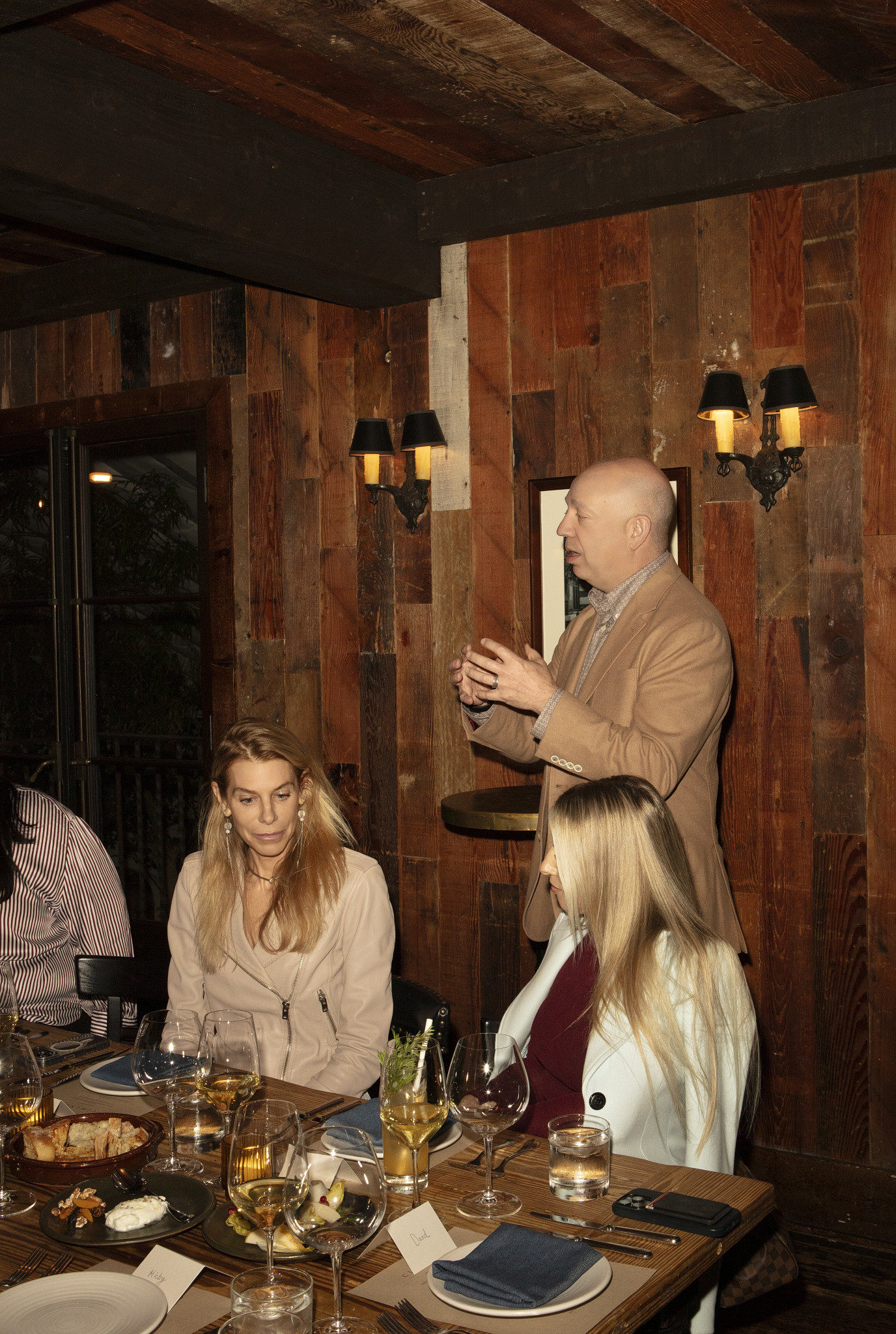
An intimate evening celebrating the art of wine making, the beauty of craftsmanship, and a vision rooted in the land.
By Viktorija Pashuta | Founder & Editor-in-Chief, BASIC Magazine
Some evenings remind me that true luxury isn’t necessarily about extravagance. It’s about intention, craftsmanship, and the people who bring extraordinary ideas to life.
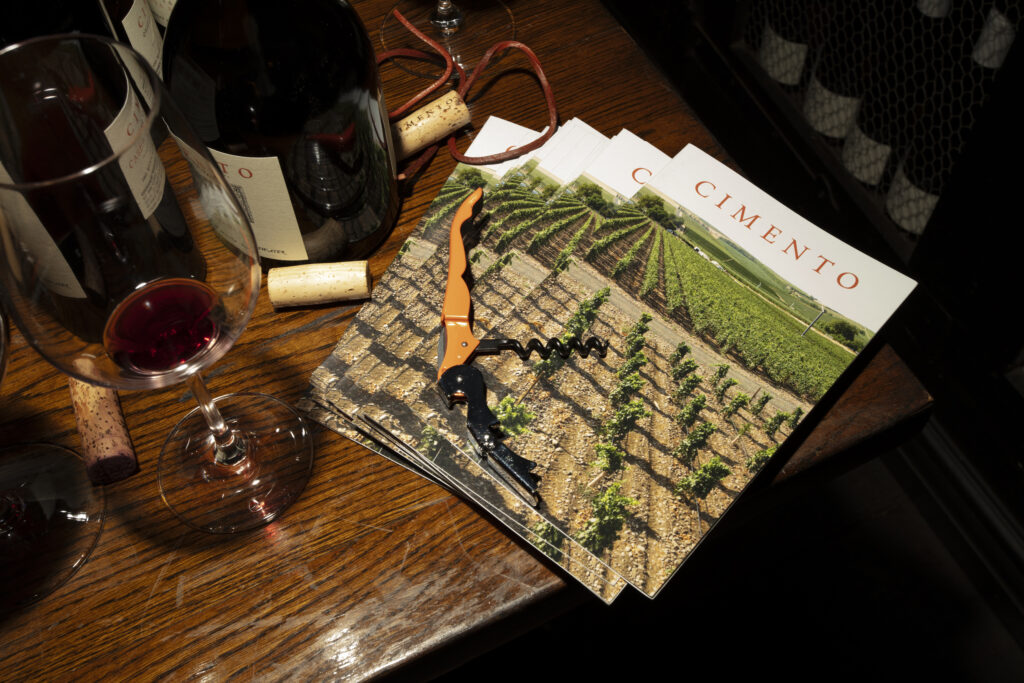
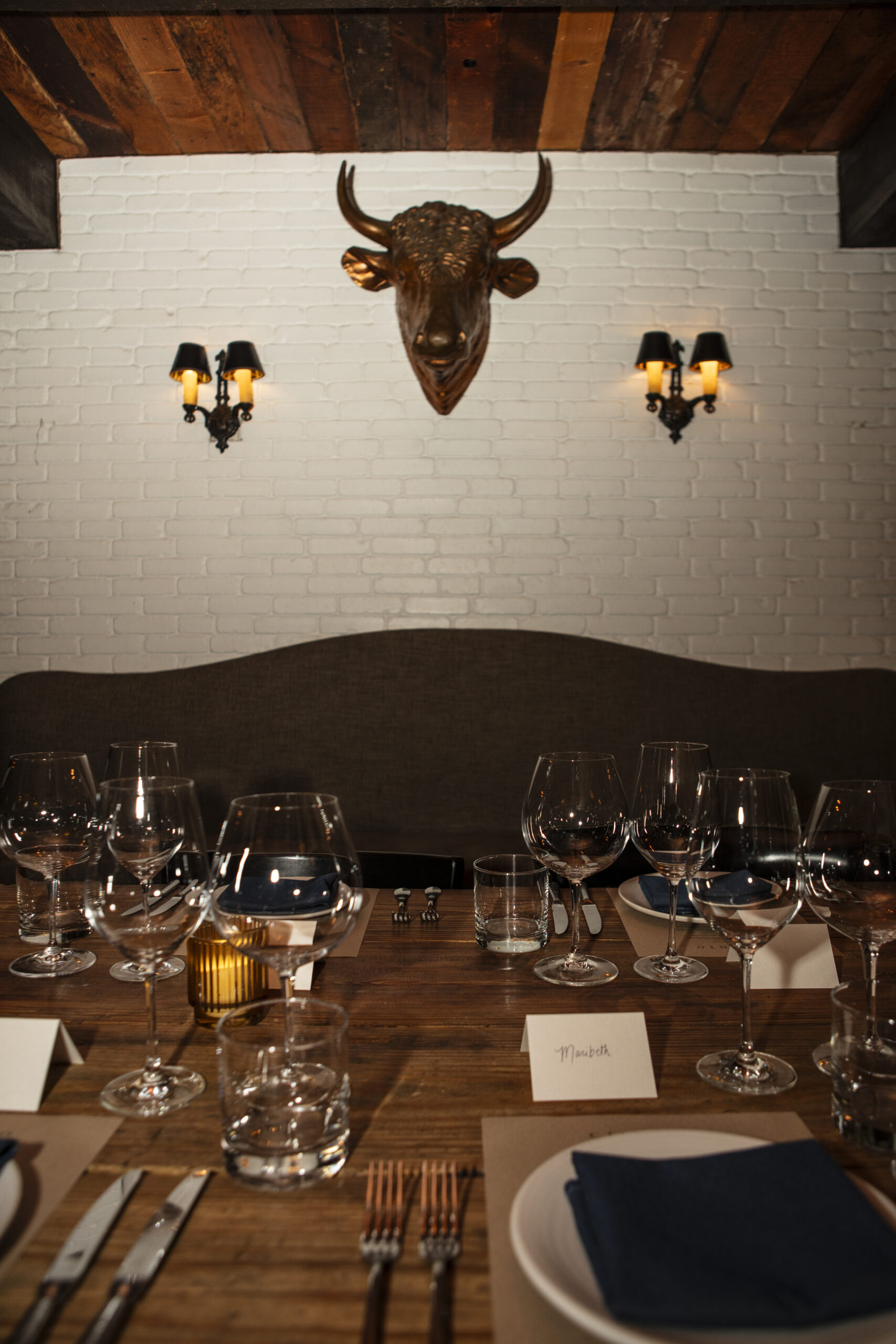
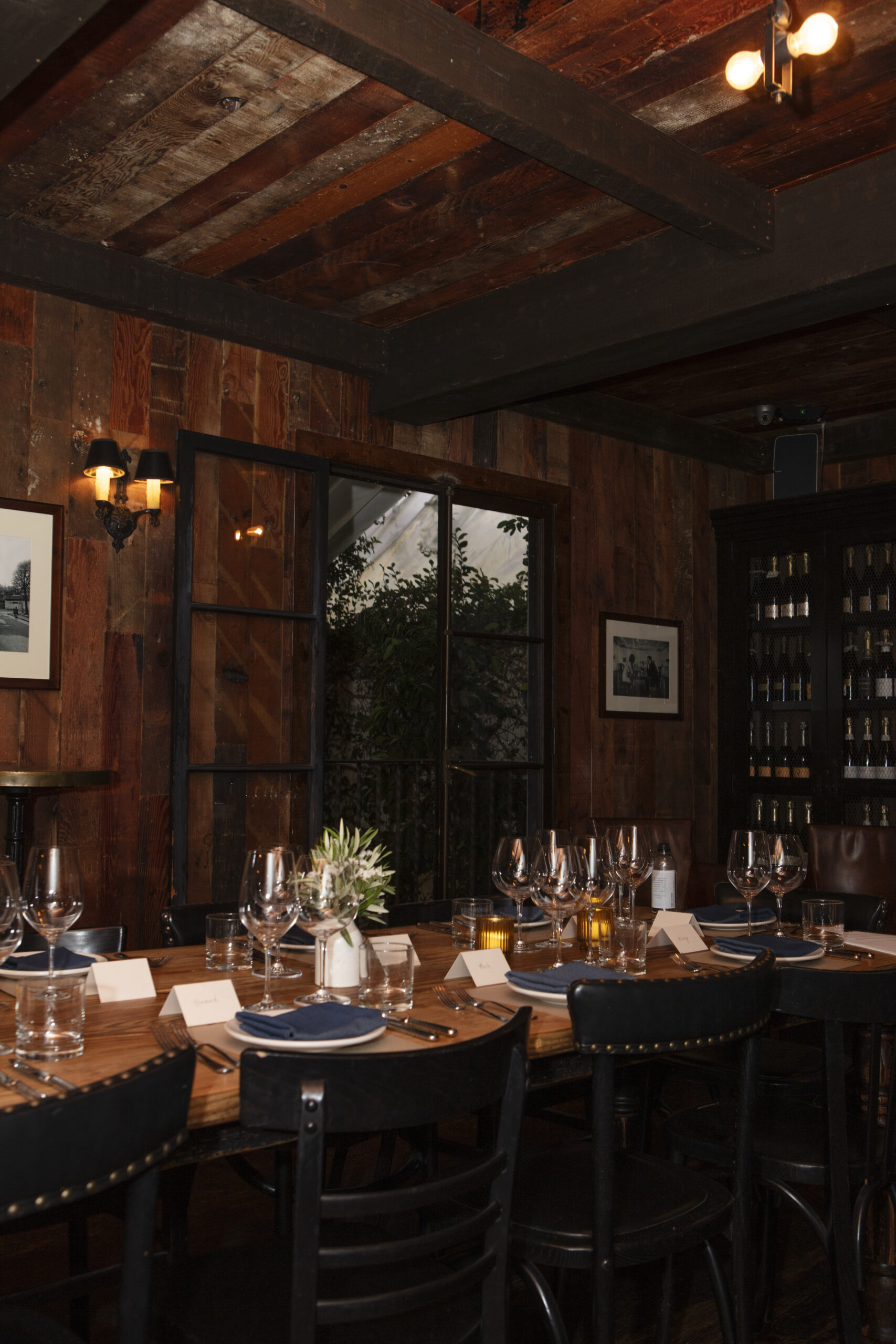
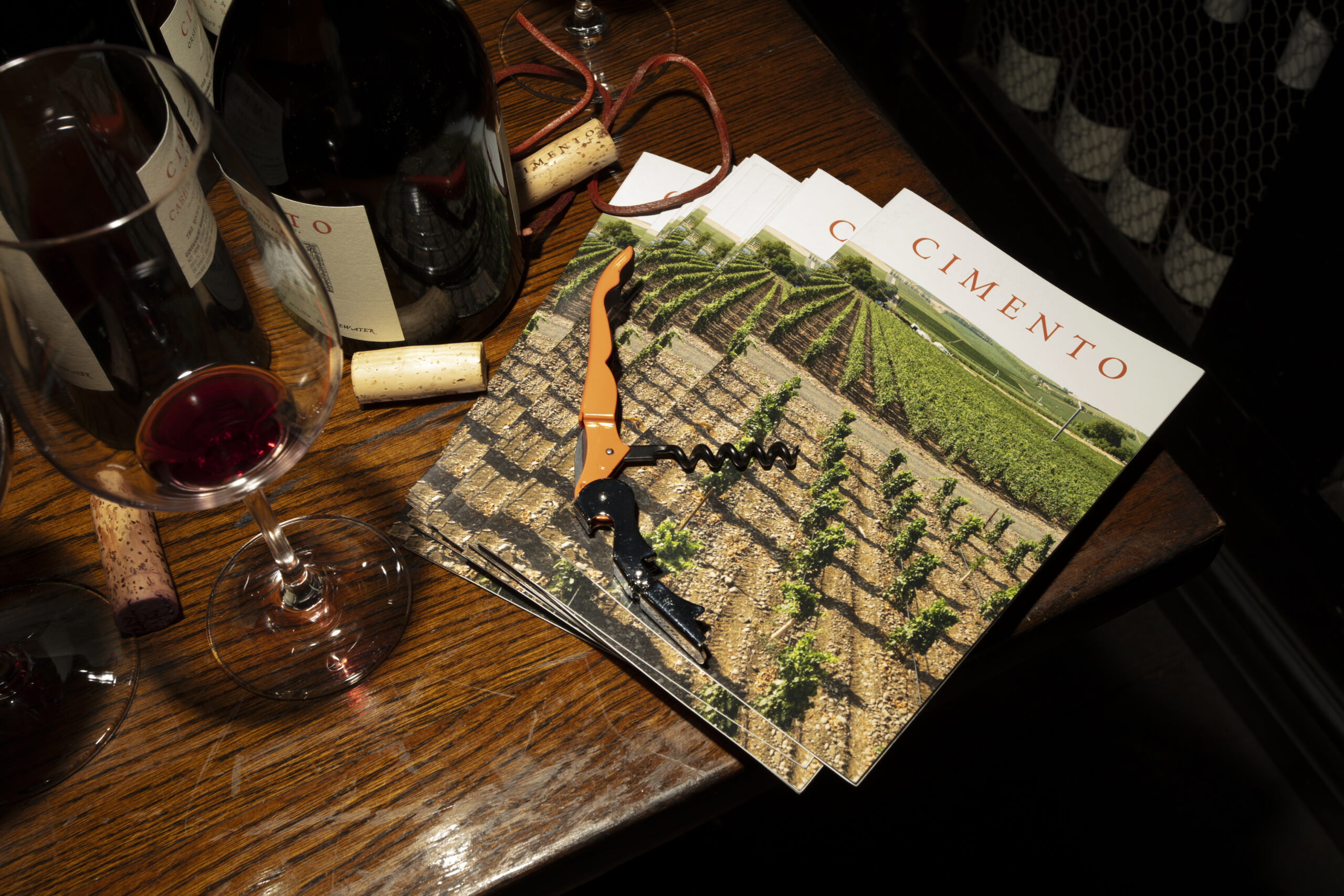
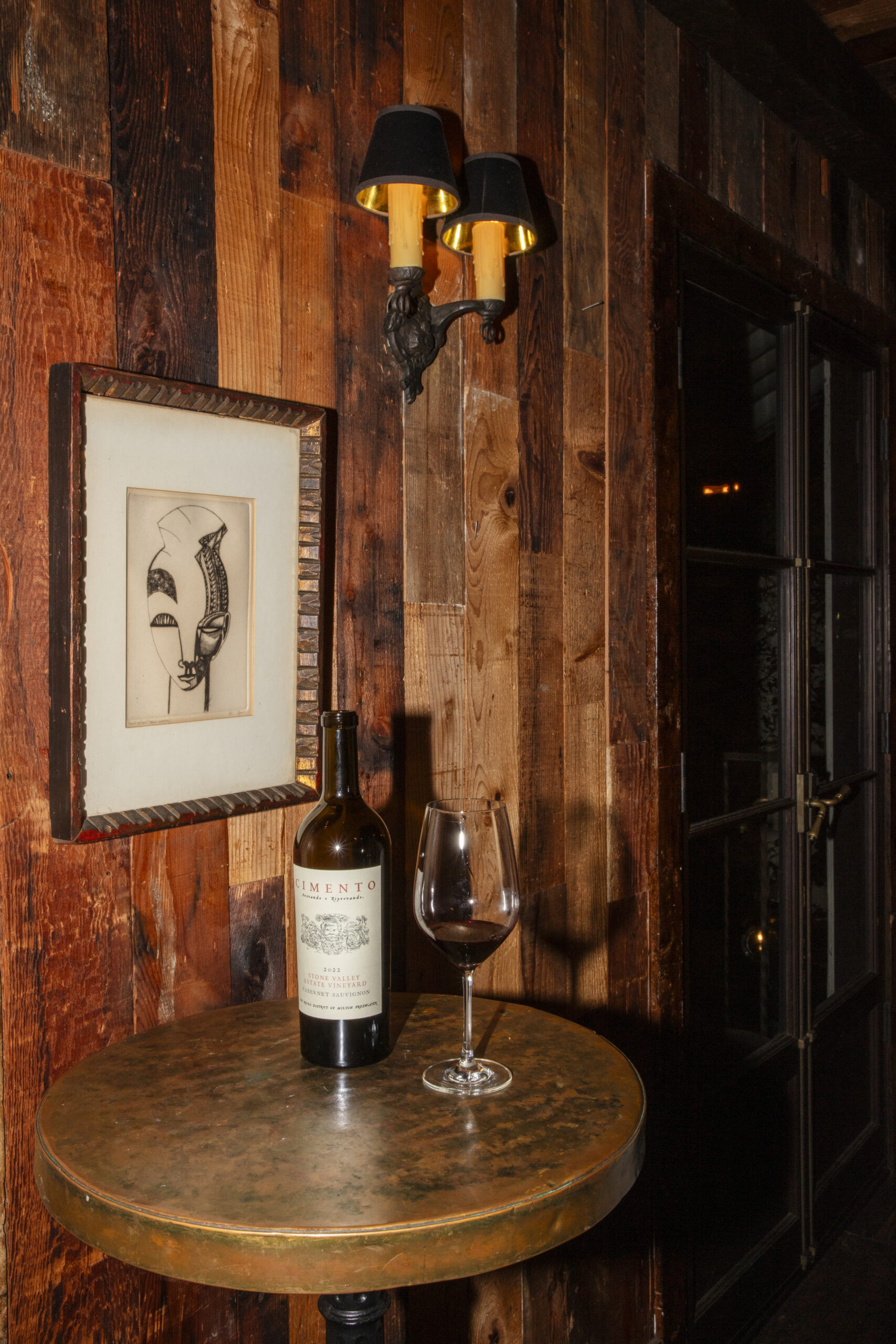
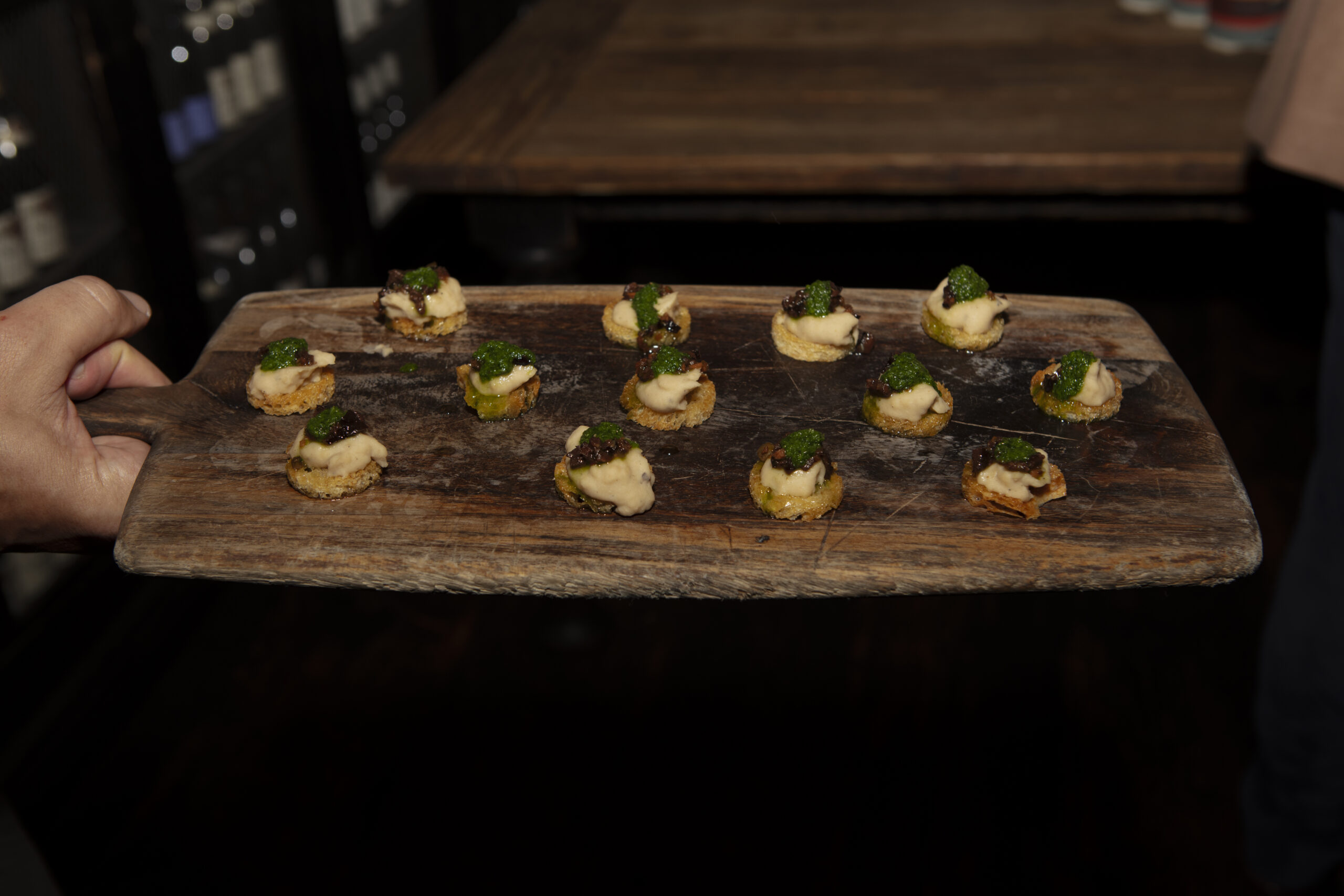
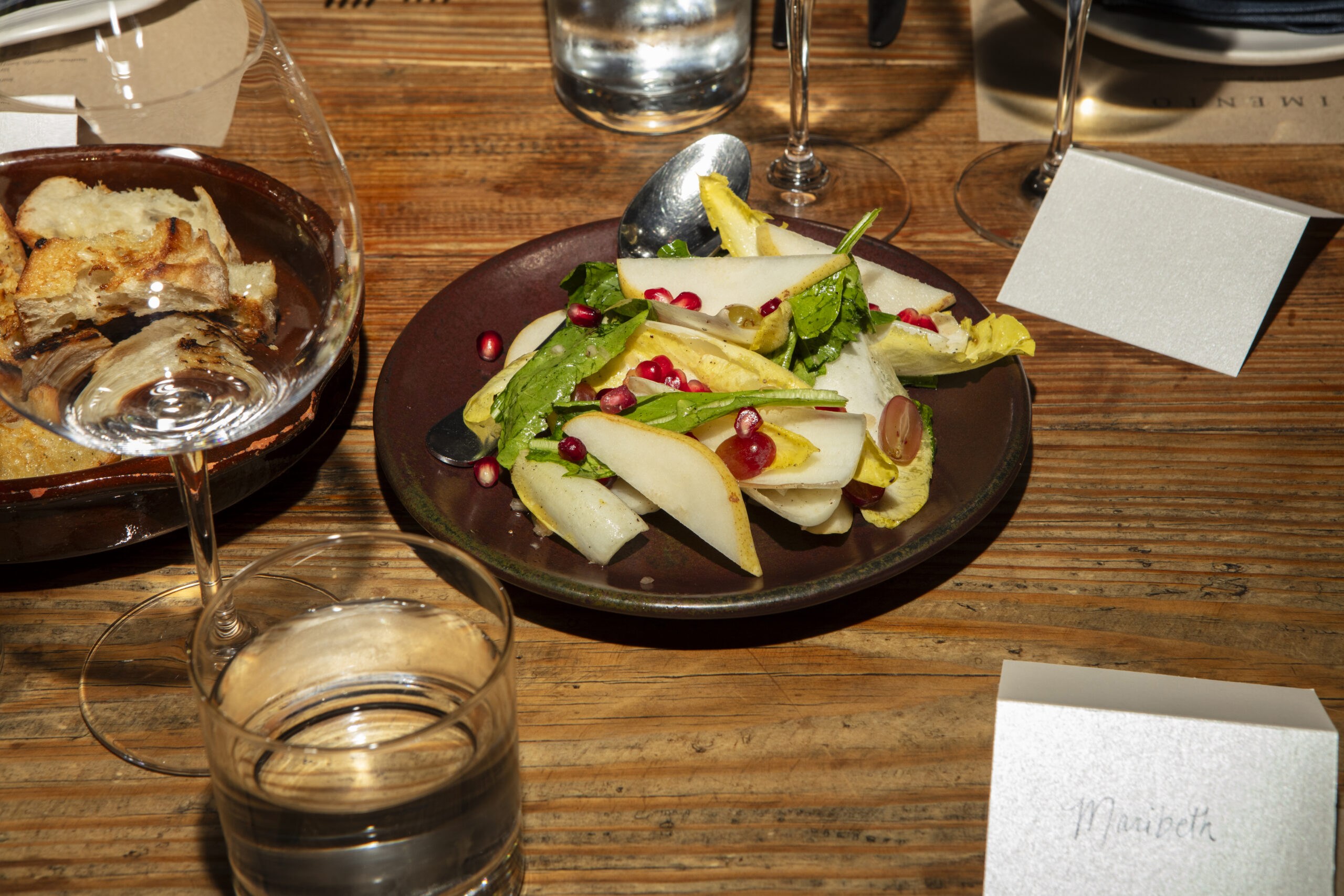
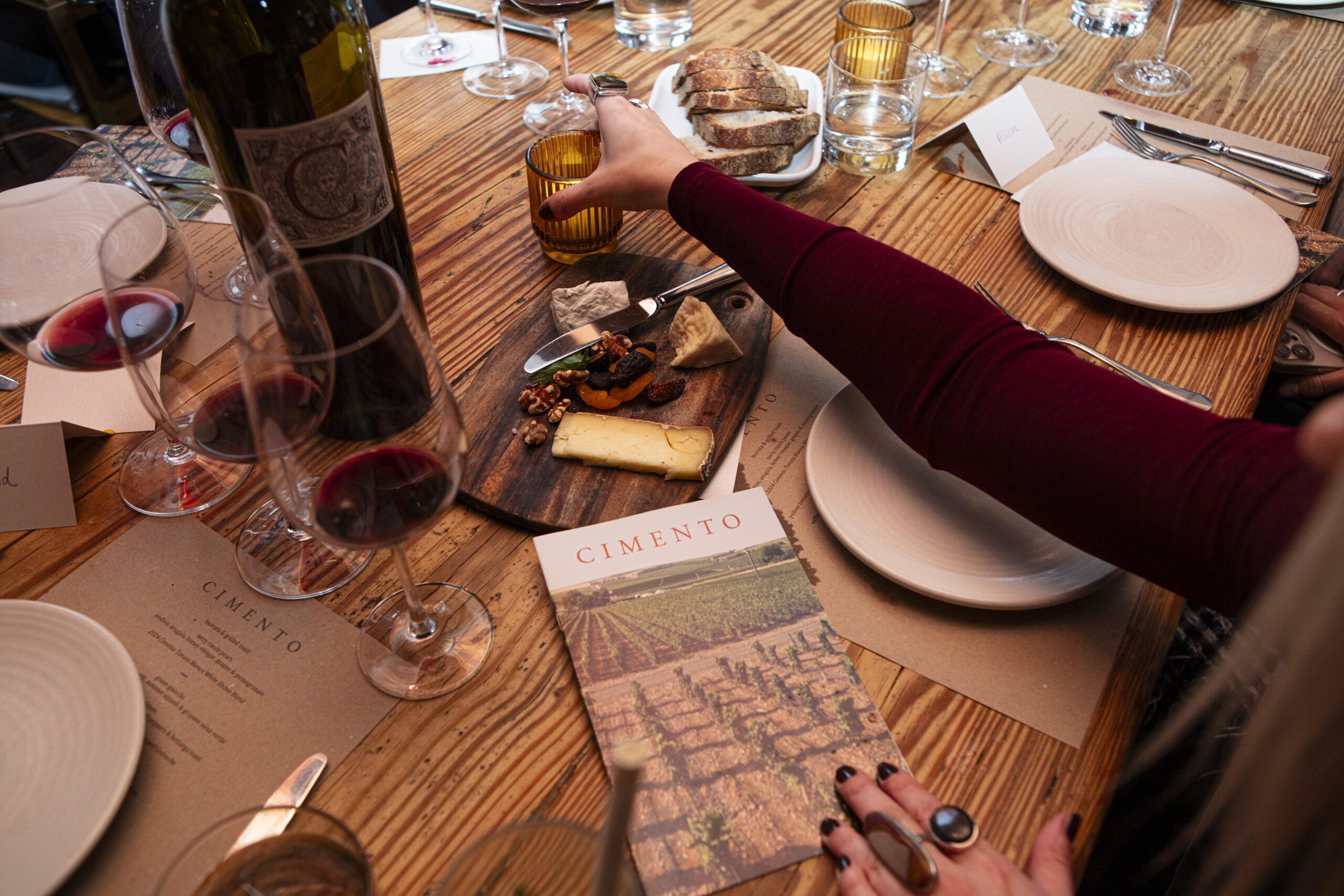
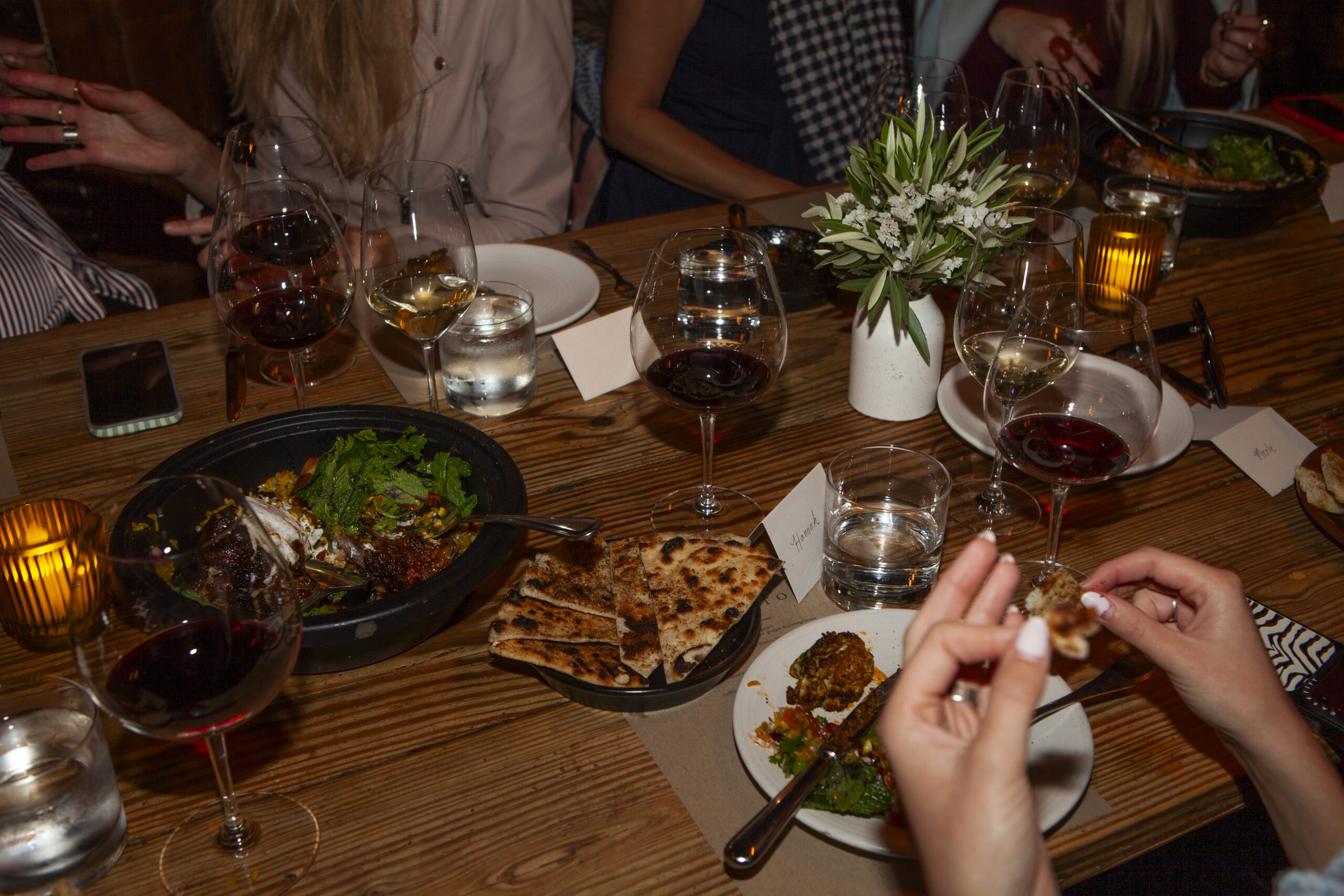
I recently had the pleasure of attending an intimate dinner celebrating Cimento Wines. Set against the rustic elegance of exposed brick, warm candlelight, and beautifully arranged tables, the evening felt both sophisticated and wonderfully personal. From thoughtfully presented cheeses and artisanal bread to philosophical conversations around the table, every detail reflected an appreciation for the art of gathering.
What particularly intrigued me was Cimento’s philosophy. Rooted in Oregon’s distinctive The Rocks District of Milton-Freewater, the winery approaches wine making from the ground up—quite literally. With organic farming practices, no-till vineyard management, and hand-harvested fruit, Cimento embraces the belief that exceptional wine begins with healthy, living soil.
But the story of Cimento began long before its first bottle. As David explained when I asked about the winery’s origins, the founders recognized the extraordinary potential of the land from the very beginning.
“We always believed these vineyards had the potential to produce wines of global distinction. The Rocks District provides an unmistakable fingerprint, but great terroir alone doesn’t make great wine.”
It was a combination of ambitious farming, a commitment to quality, and a fortunate meeting with acclaimed winemaker Todd Alexander that ultimately gave birth to Cimento. Today, grapes from these vineyards reach exceptional winemakers across Napa, Sonoma, Paso Robles, the Willamette Valley, and Walla Walla, each bringing a different interpretation to the same remarkable terroir.
What I found especially compelling was David’s perspective on patience—something that feels increasingly rare in a world obsessed with immediate results.
“You can’t rush nature,” he told me. “We’re still learning, and we approach that responsibility with a multi generational perspective.”
For Cimento, this philosophy extends far beyond wine making. Healthy soil, balanced vines, and responsible farming are not simply environmental considerations but investments in the future. As David pointed out, climate change has made this commitment even more essential, reinforcing the importance of resilience over shortcuts.
“We believe the best farming decisions are also the best long-term business decisions. Sometimes you just have to be willing to wait decades to prove it.”
There is something refreshing about a business willing to measure its success not merely in seasons or annual profits, but in generations.
The evening also introduced Cimento’s latest estate releases: the 2022 San Tommaso Estate Vineyard Cabernet Sauvignon and the 2022 Orselli Estate Vineyard Syrah, each priced at $225. These limited-production wines reflect the winery’s dedication to expressing the distinctive character of its vineyards, where each vintage becomes a new interpretation of the land.
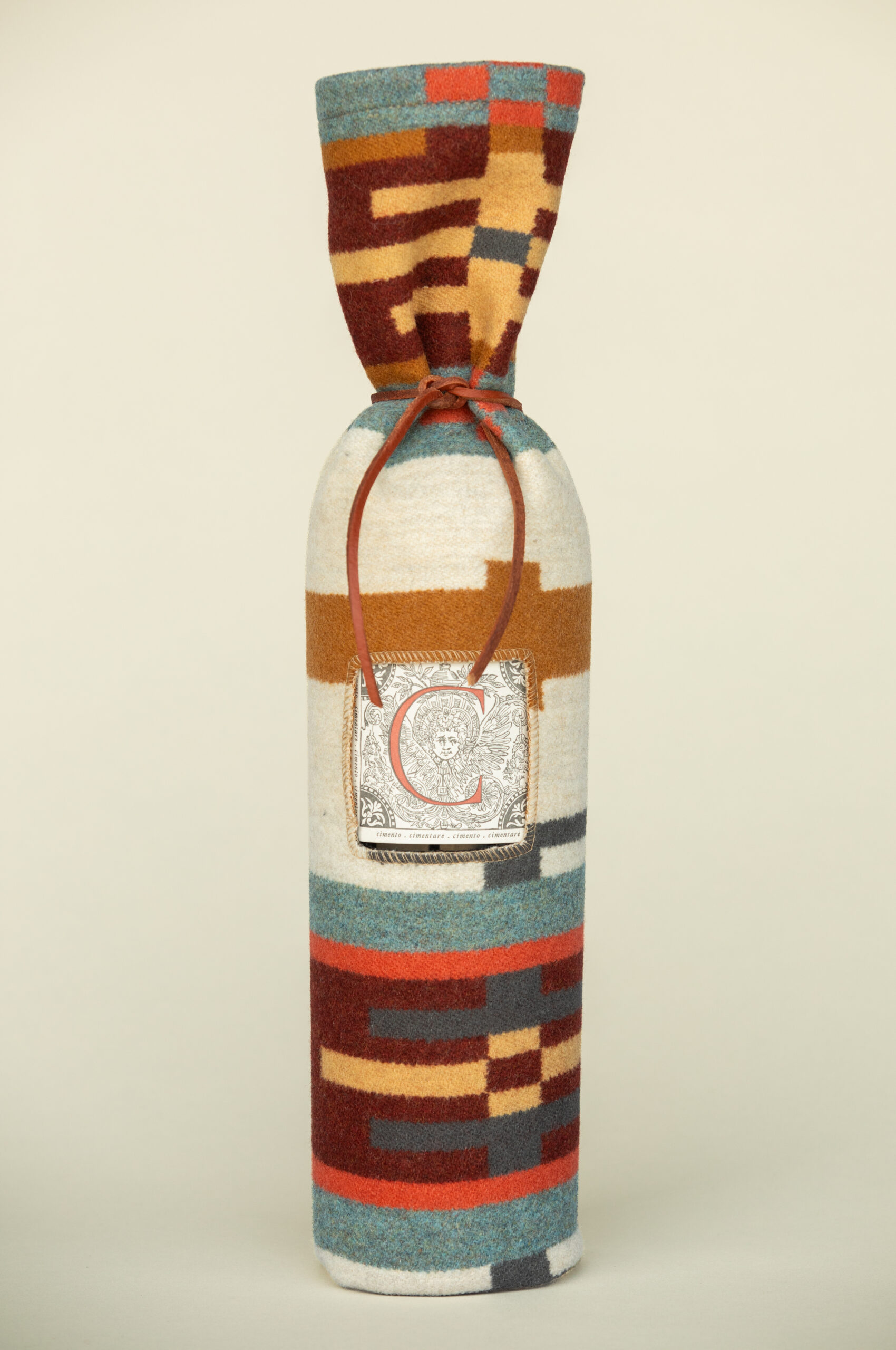
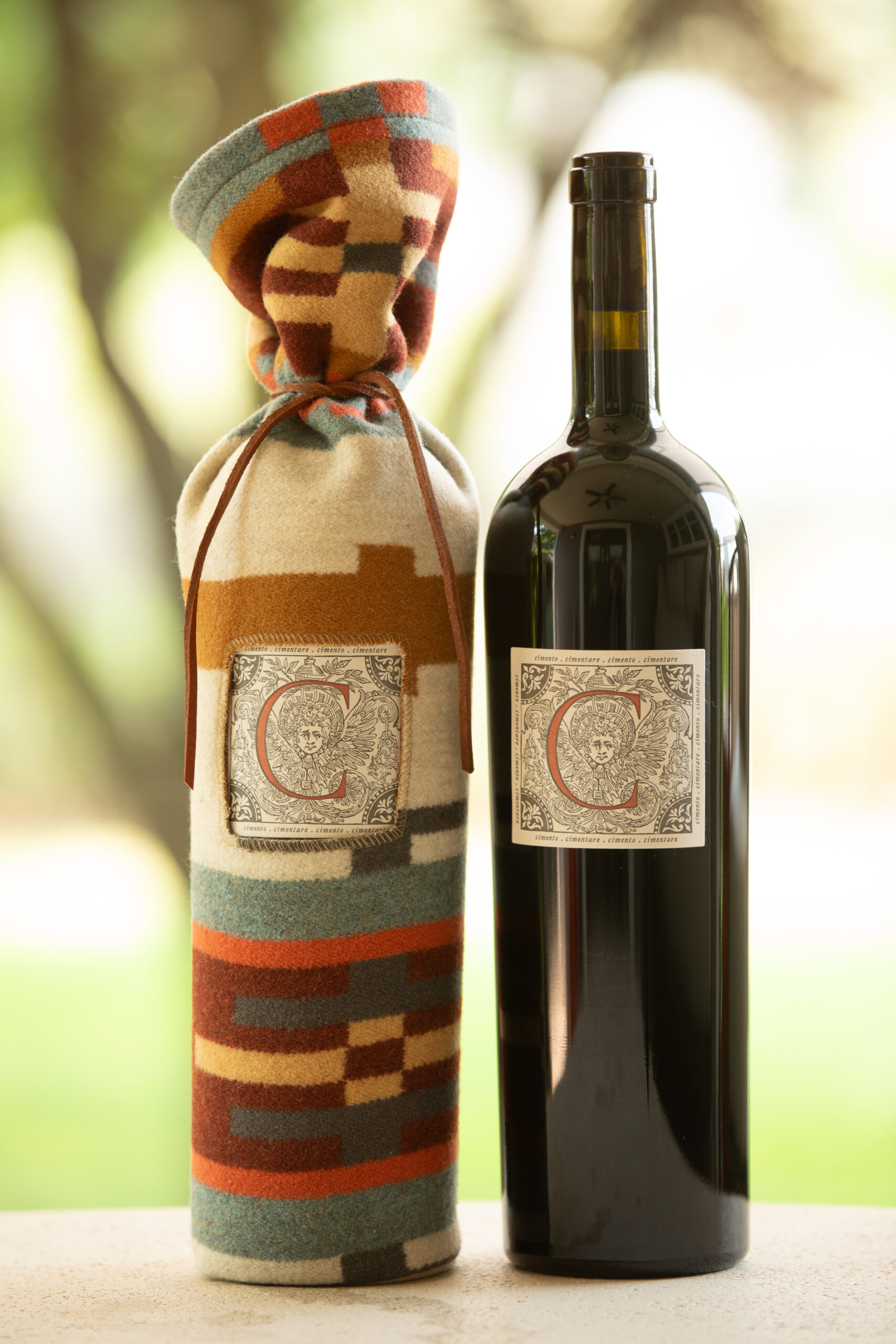
Equally fascinating was Cimento’s collaboration with Pendleton Woolen Mills. The limited-edition 2022 Cimentare Malbec Magnum arrives in a custom woven bag inspired by the Pacific Northwest landscape. Featuring Pendleton’s archival Painted Hills pattern, the collaboration brings together two worlds I deeply appreciate: design and craftsmanship.
Approximately 25 pairs of hands contribute to creating each textile piece—a beautiful reminder of the human artistry behind meaningful objects.
When I asked David what inspired the partnership, his answer revealed an ambition that reaches well beyond the wine industry.
“It’s hard not to admire Pendleton. They’re iconic neighbors, just down the road in rural Oregon, with six generations of family ownership and products recognized around the world for their distinctive design and timeless quality.”
Both brands share an appreciation for authenticity, regional identity, and the kind of craftsmanship that can endure for generations. But perhaps even more interesting is Cimento’s openness to becoming part of a broader cultural conversation.
“We’re inspired by art, fashion, food, travel, music, and, most importantly, the people and conversations that bring those experiences together,” David shared. “Great wine has always existed at the intersection of these worlds.”
As someone who has always believed that creativity extends far beyond traditional artistic disciplines, I found this vision particularly compelling. Whether through photography, fashion, design, or wine making, the most memorable creations carry a sense of identity and purpose.
A beautifully crafted wine, much like a photograph or a piece of fashion, is more than the sum of its technical elements. It tells a story. It captures a place, a moment, and the perspective of the people who created it.
Perhaps that is why my final question to David was about legacy. What would he hope people remember about Cimento 50 years from now?
His answer brought the entire philosophy of the evening into focus.
“I’d hope people remember that everything we created was made by people who genuinely cared—from the farmers tending the vines to the winemakers crafting the wines and the entrepreneurs building the business.”
For David, the ultimate measure of success is not simply recognition, but the trust earned from customers and collectors over time. And at the heart of that trust is a story that continues to evolve.
“Every vintage is another chapter in the life of a vineyard. The story changes with the seasons, the years, and the people who care for it.”
I left the evening with a deeper appreciation for Cimento’s vision: honoring the land, preserving craftsmanship, and transforming something natural into something timeless.
In an era when so much is designed for instant consumption, there is something quietly powerful about creating with the next 50 years in mind.
And perhaps that is the truest definition of luxury—not simply creating something extraordinary today, but creating something worth remembering tomorrow.