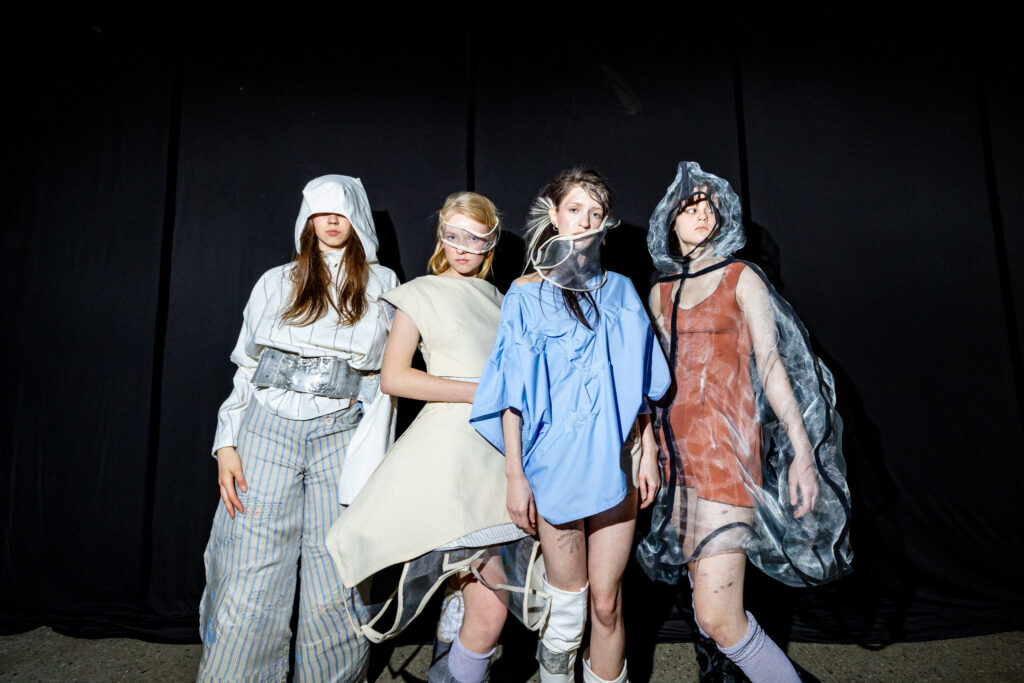
At the LMA Fashion Show, emerging designers move beyond trend cycles to establish their own position in the industry.
This spring, the Art Academy of Latvia folds its most anticipated end-of-year events into a single idea: Definition. It’s a word that feels intentionally open-ended, but within the context of the LMA Fashion Show—now in its 33rd year—it starts to feel like a prompt aimed at a new generation of designers. What does it mean to define your work, your process, or your position in a time when fashion is both constantly consumed and continuously questioned? Taking place at Hanzas Perons, the show gathers emerging designers whose collections balance material rigor, conceptual insight, and awareness, ensuring every detail resonates with the current cultural moment.
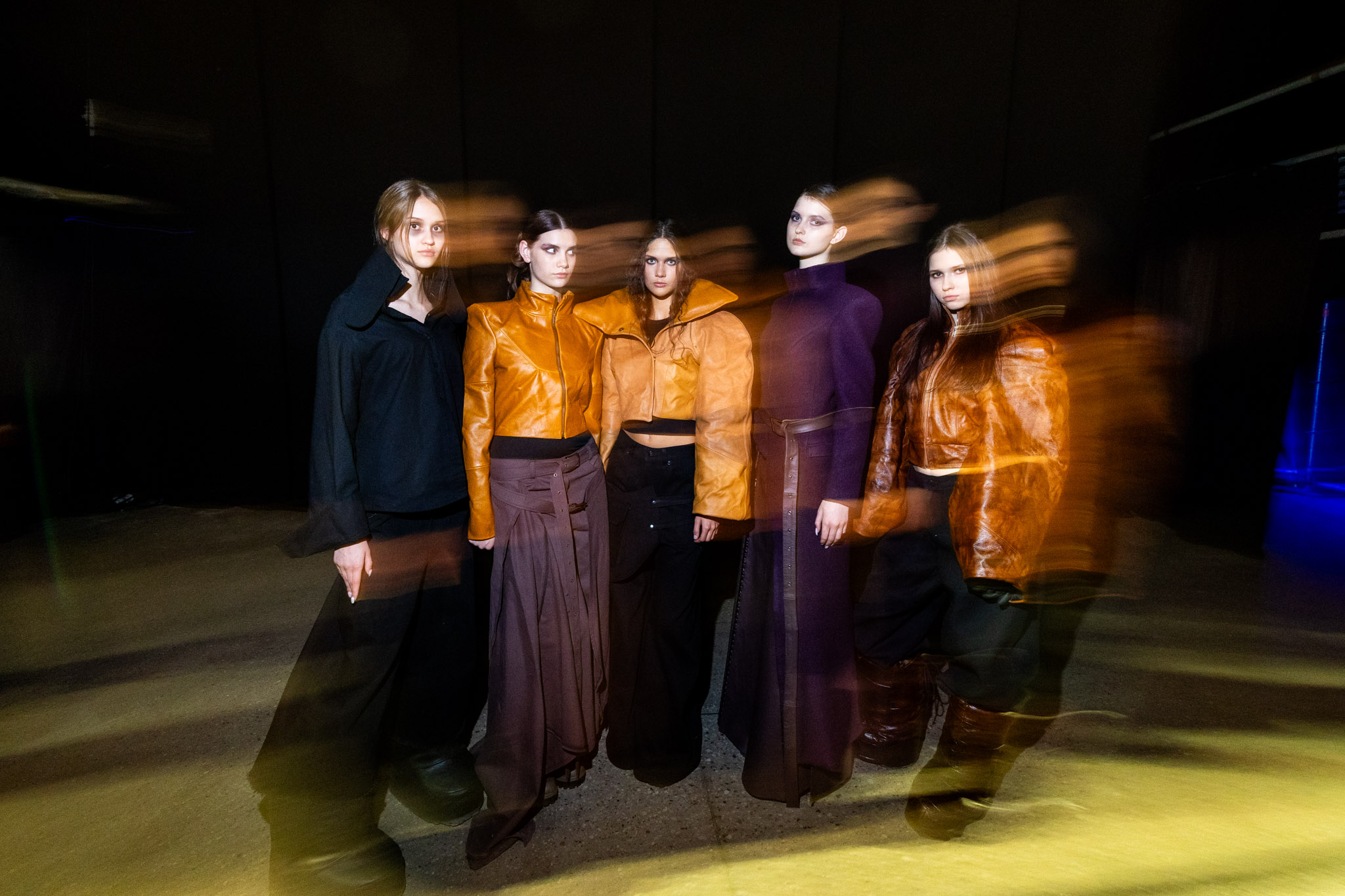
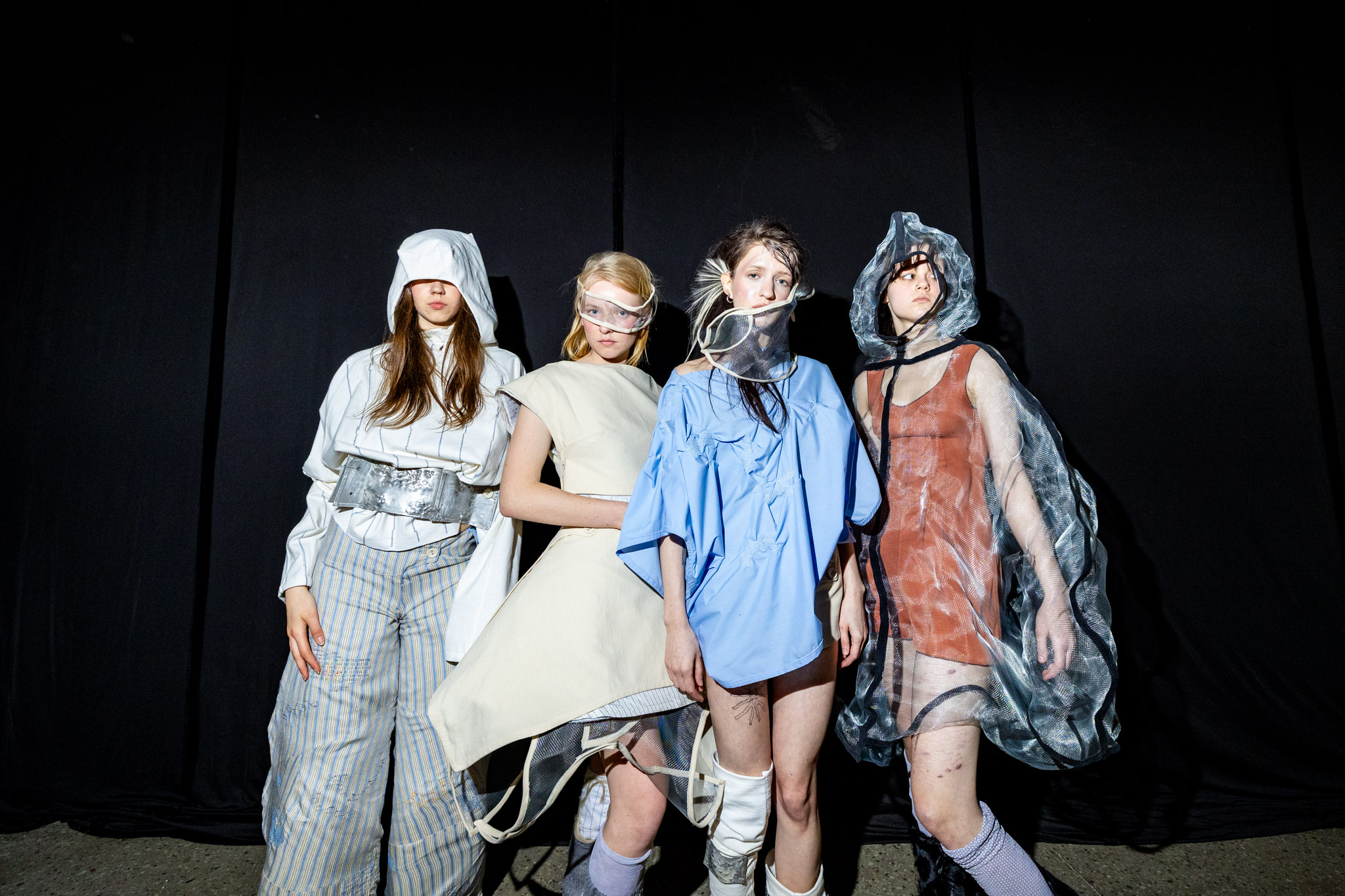
That awareness is something the Academy is actively cultivating. “Designers are aware of this,” says Agnese Narņicka, pointing to the current state of fashion, “and that is exactly why they see their future value not in repetition, but in the ability to think more deeply, work more precisely, and act more consciously.” The pieces are hard to pin down and uniquely their own—collections that return to fundamentals like fabric and form, while also engaging with new technologies and evolving systems of production.
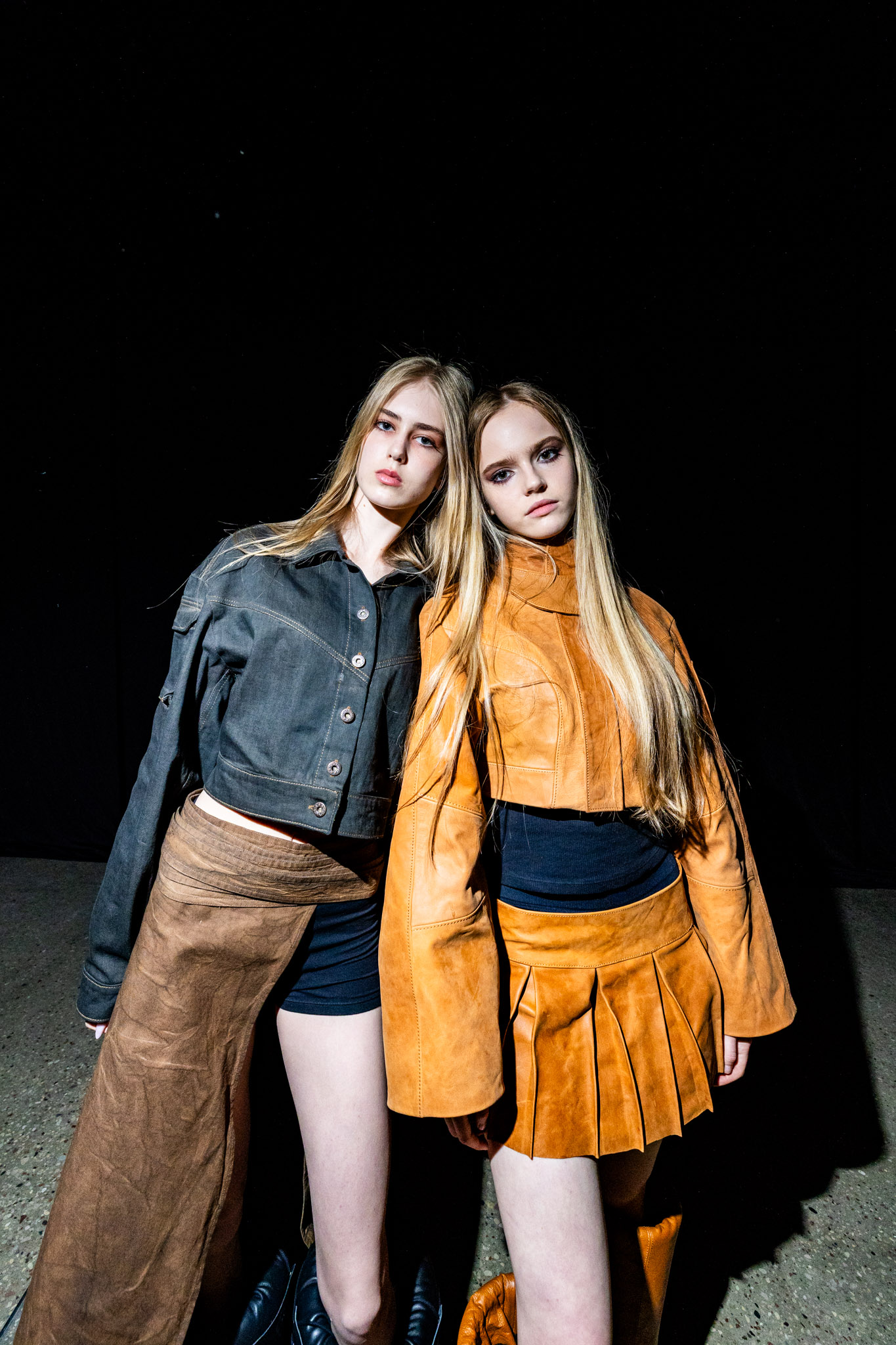
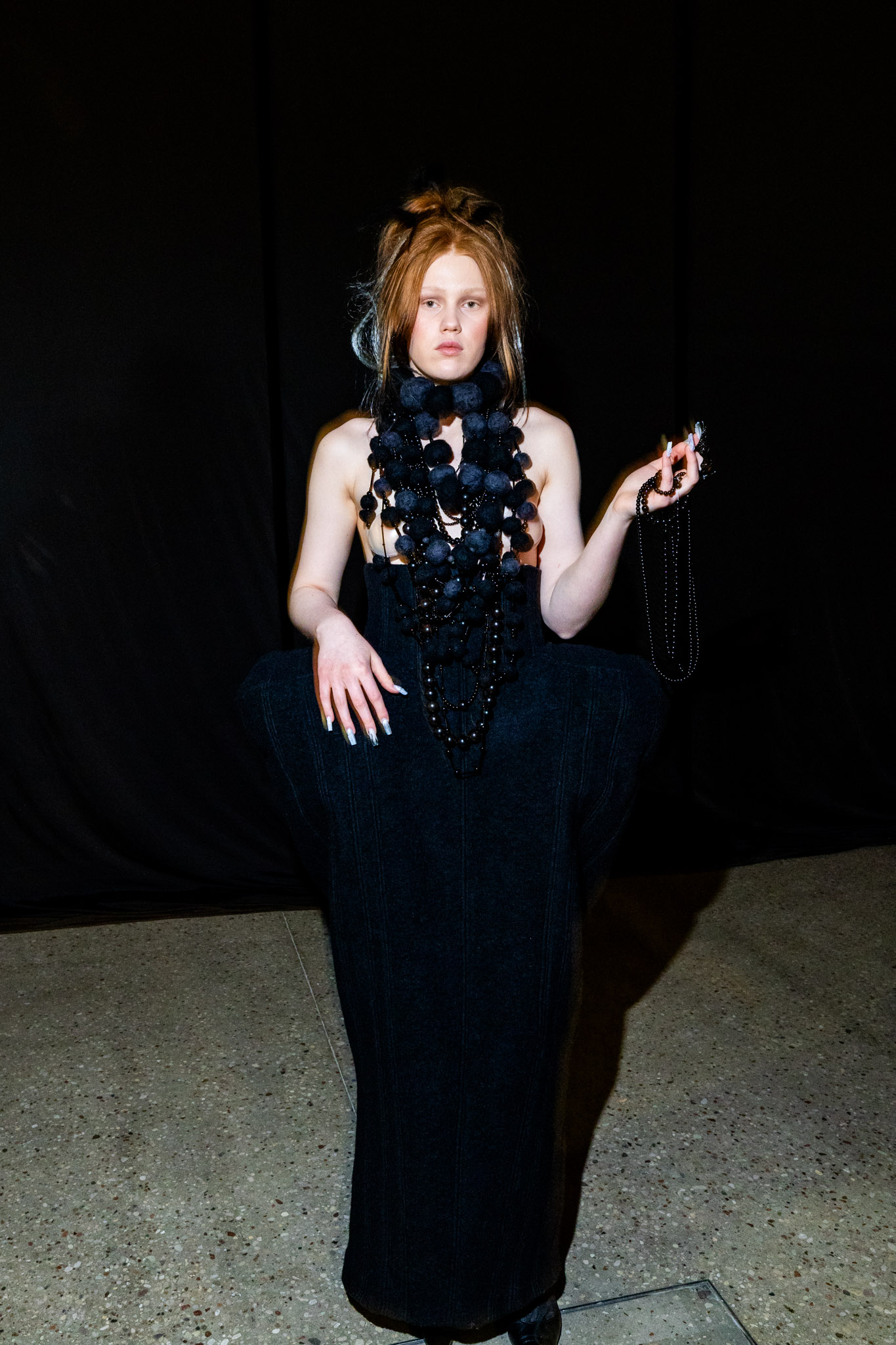
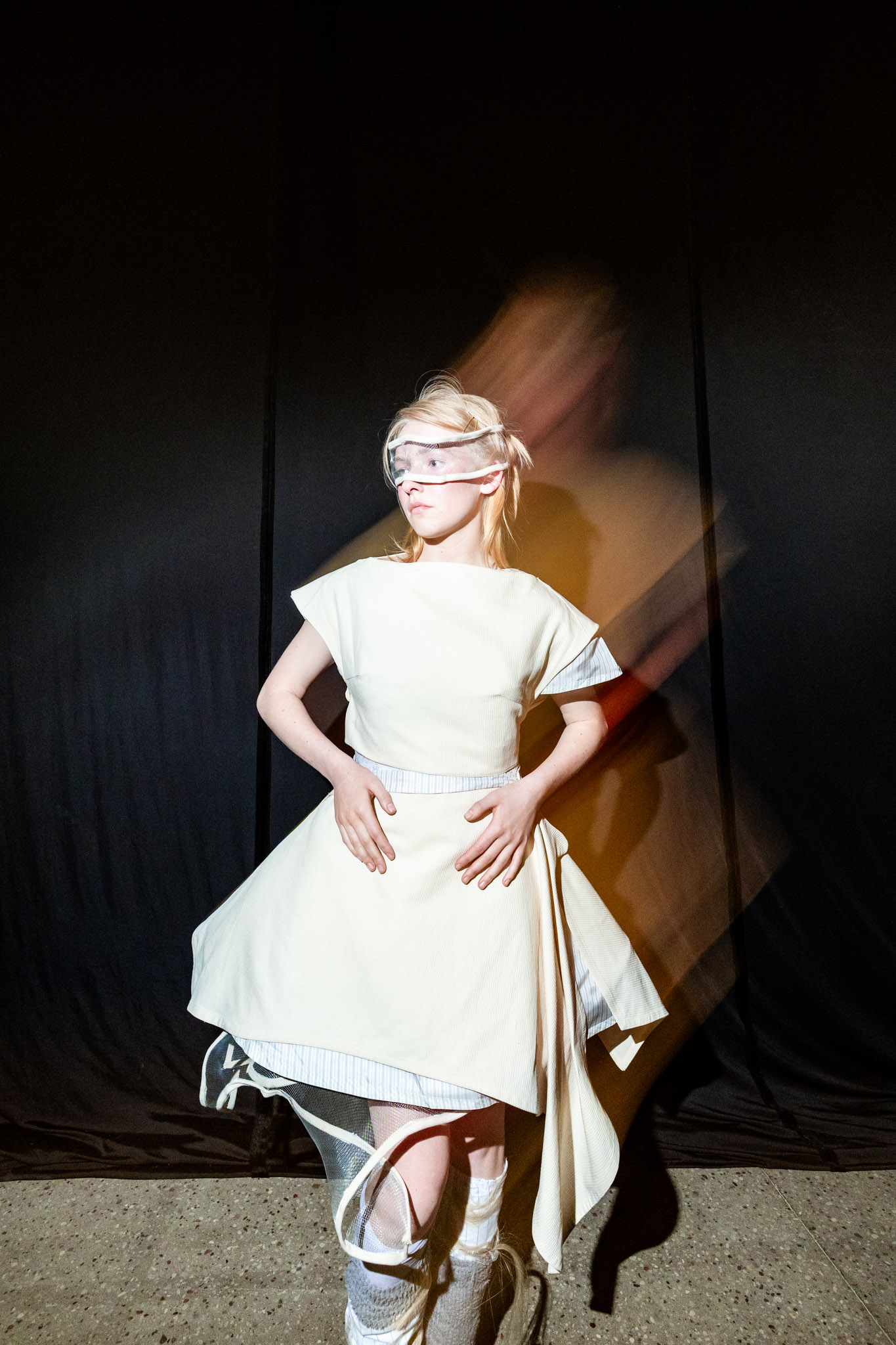
“The final stage before the show is an intense and highly practical period,” Narņicka notes. “Students are finalizing garments, resolving construction details, and refining presentation—from fit and finishing to styling and overall coherence. It requires precision and adaptability, as well as the ability to step back and see the work as a whole just before it meets its audience.”
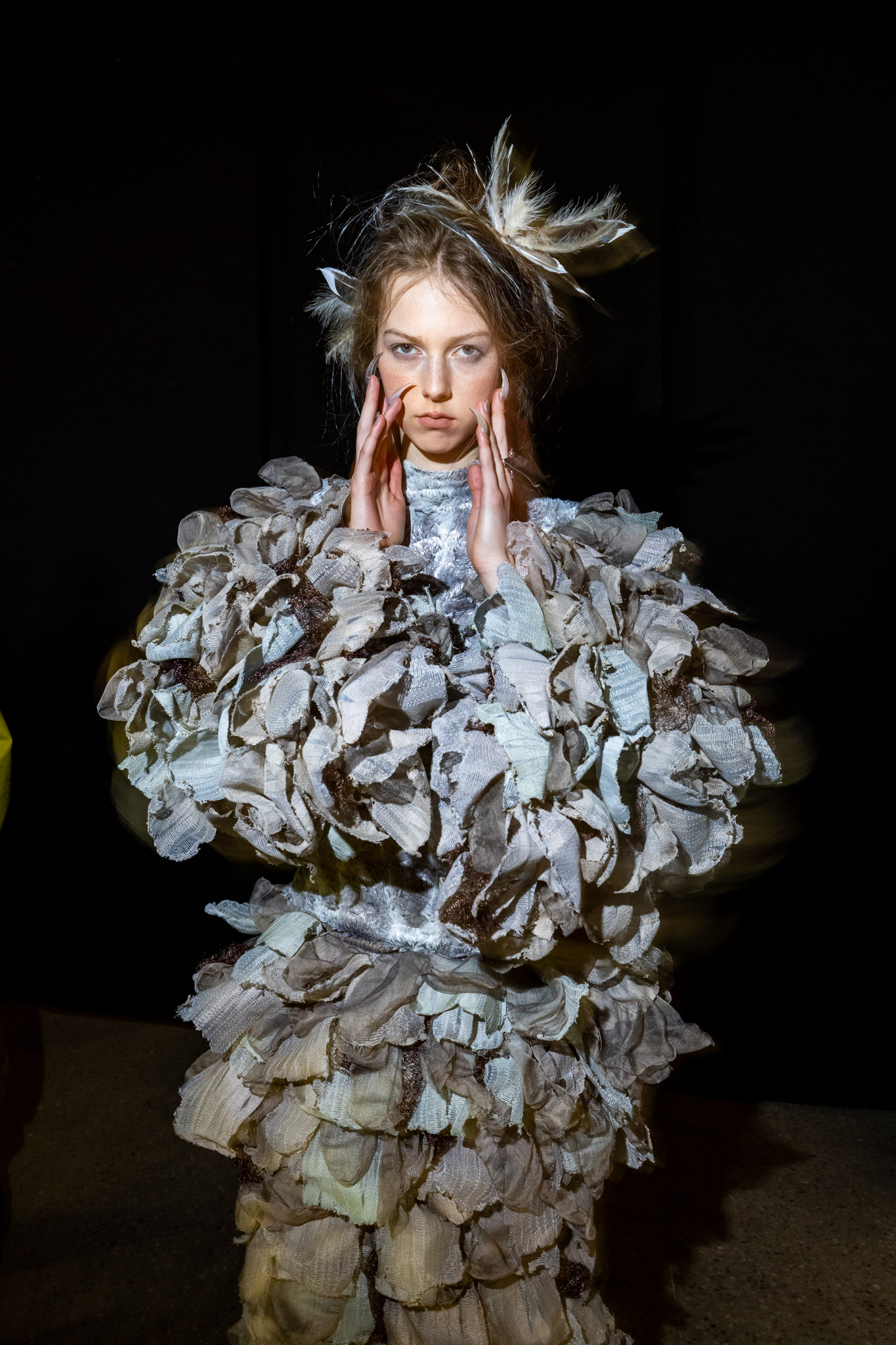
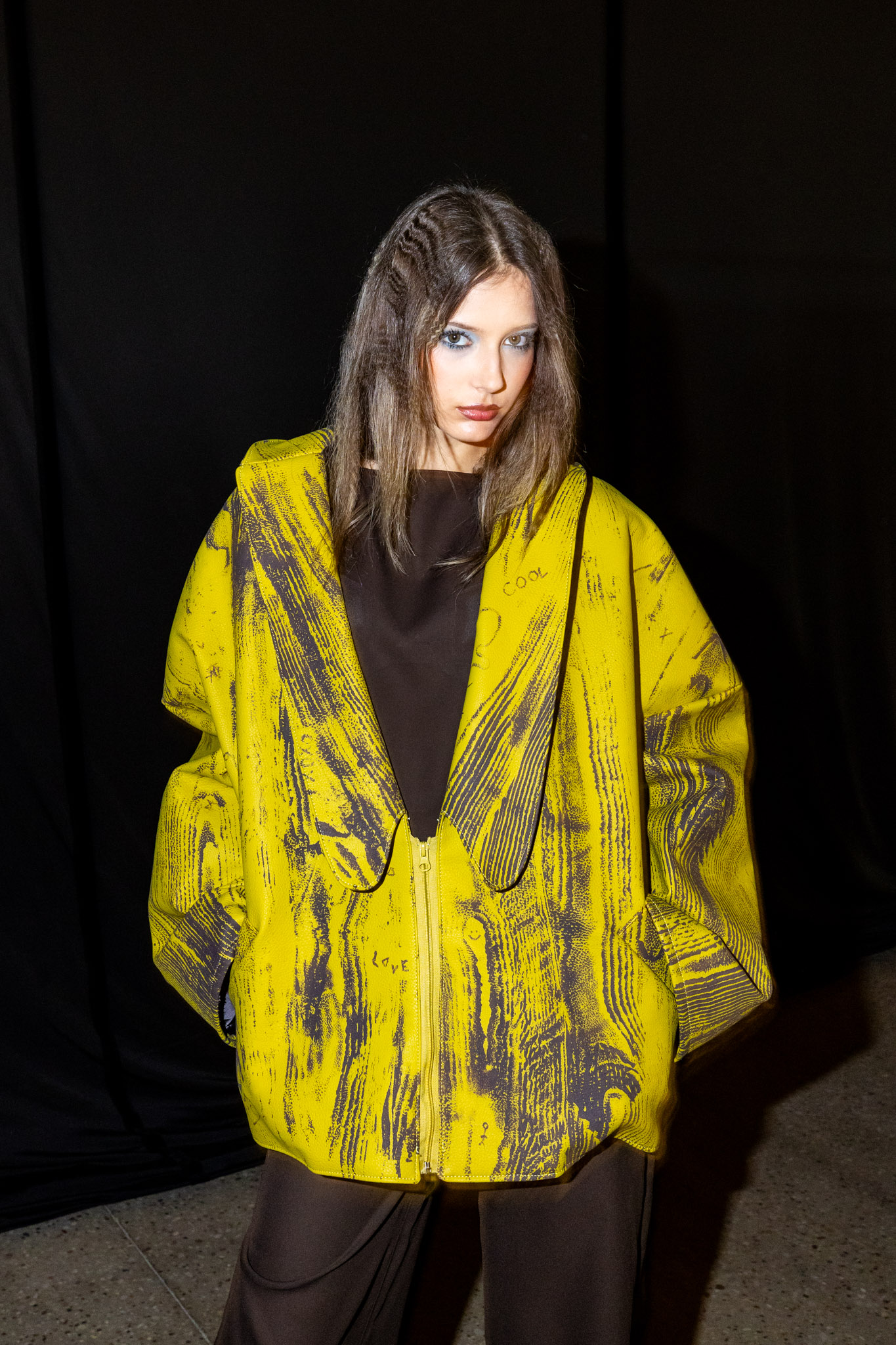

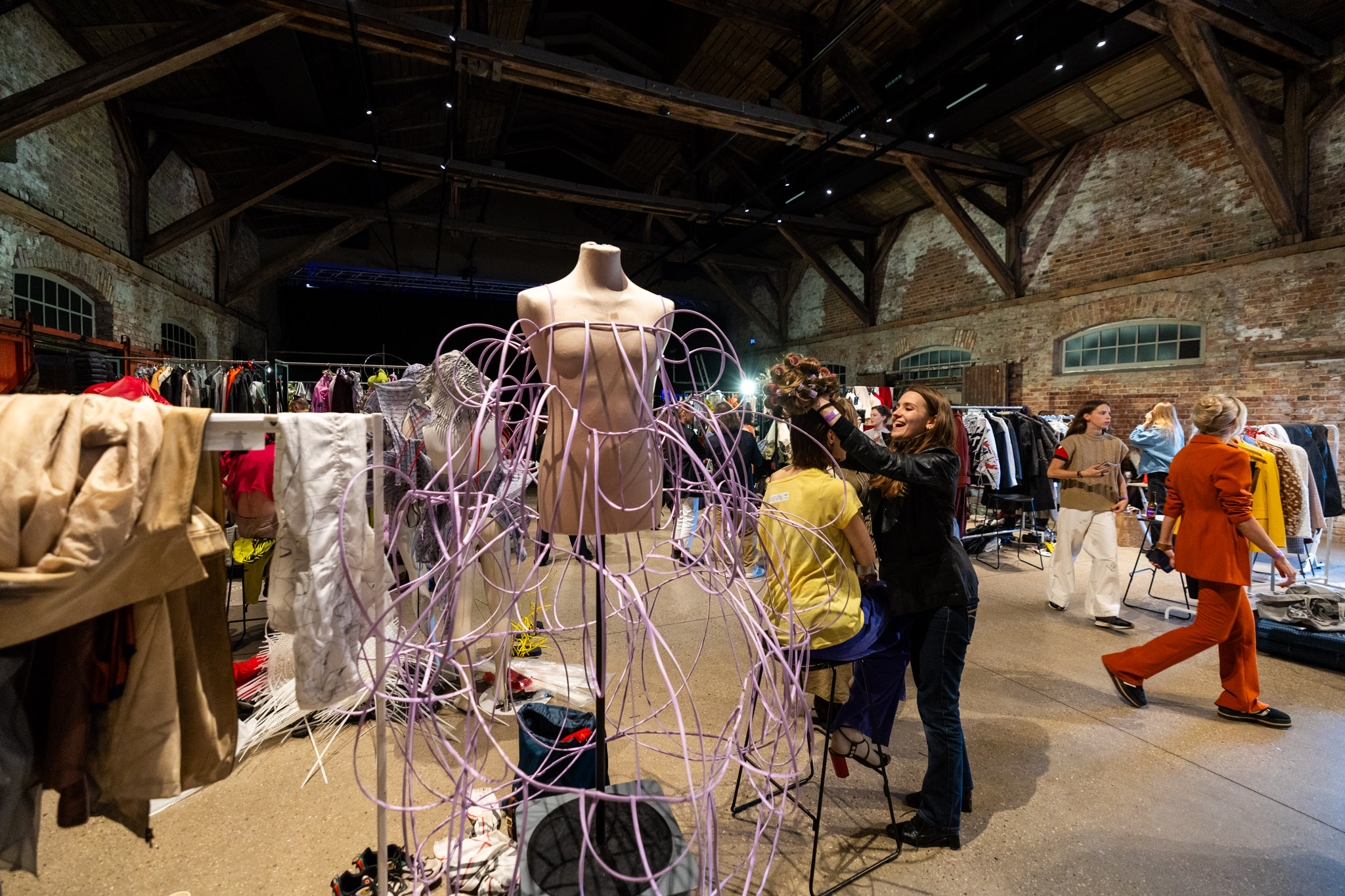
Fashion is a saturated, highly questioned space, and students aren’t just reacting to what’s already out there—they’re honing in on what actually interests them, following those ideas, and producing garments that begin to establish where they stand in the industry. Identity—both personal and collective— runs through everything they produce, with clothing used as a way to express what doesn’t always translate directly into words.
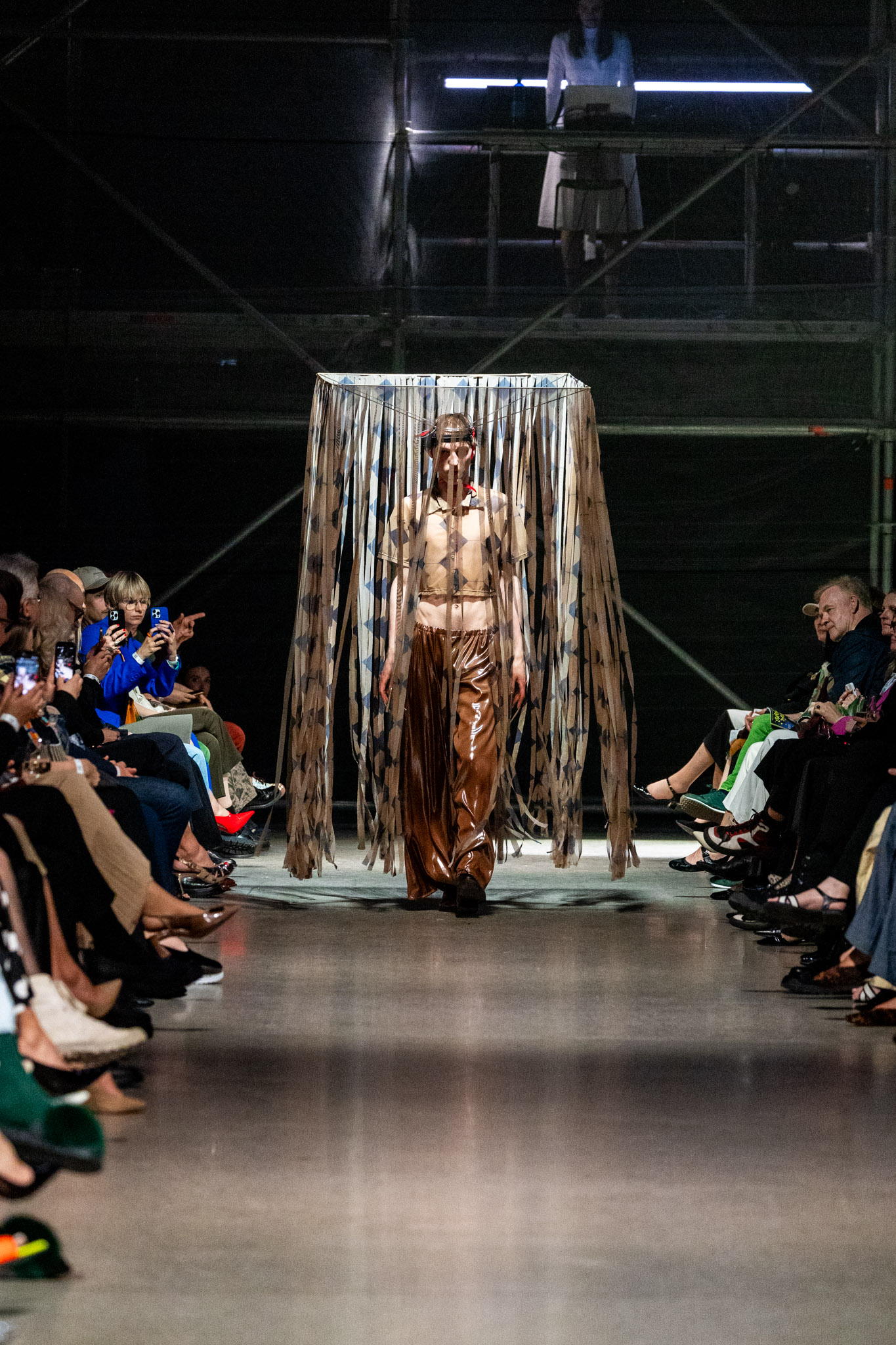
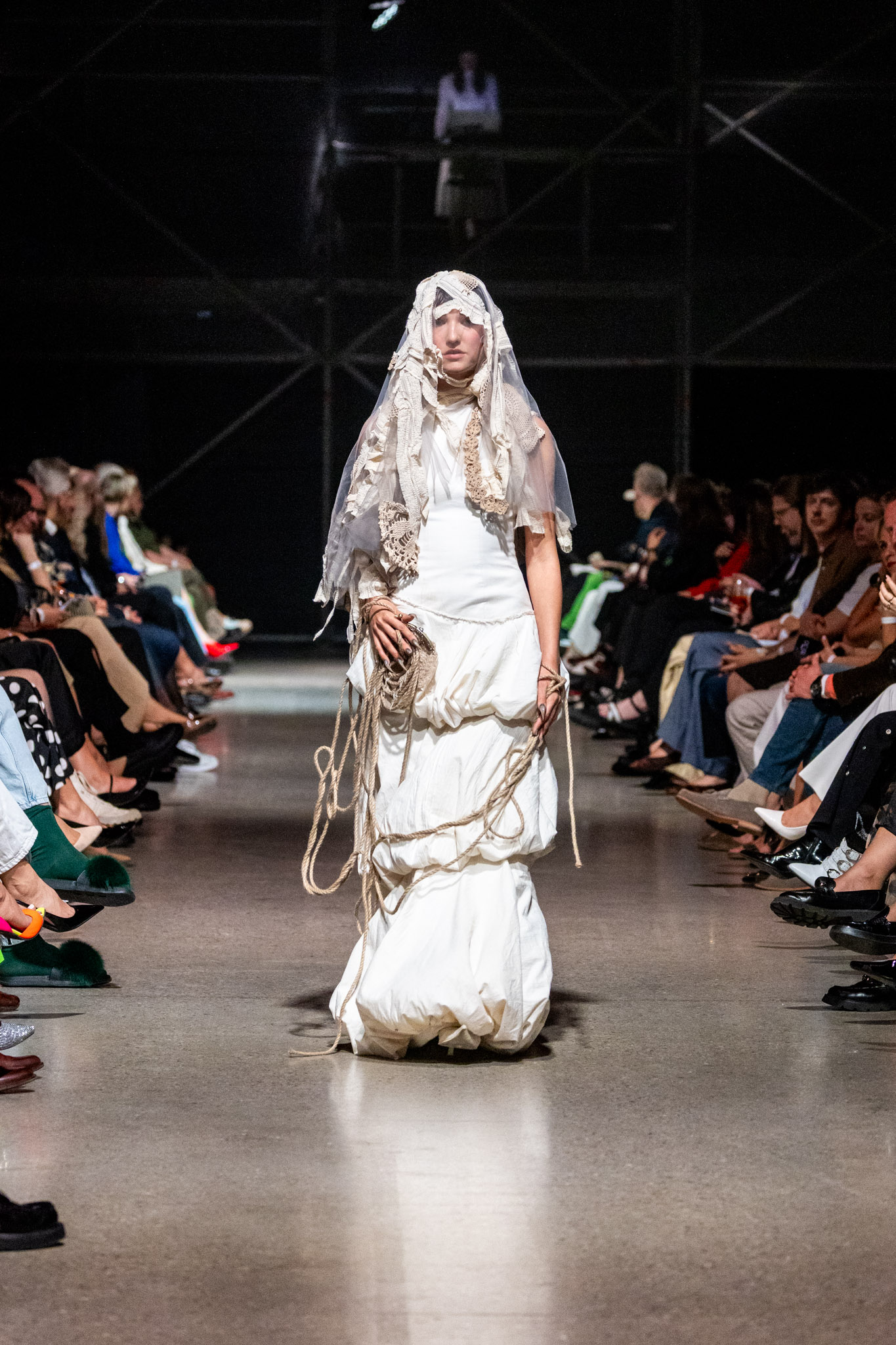
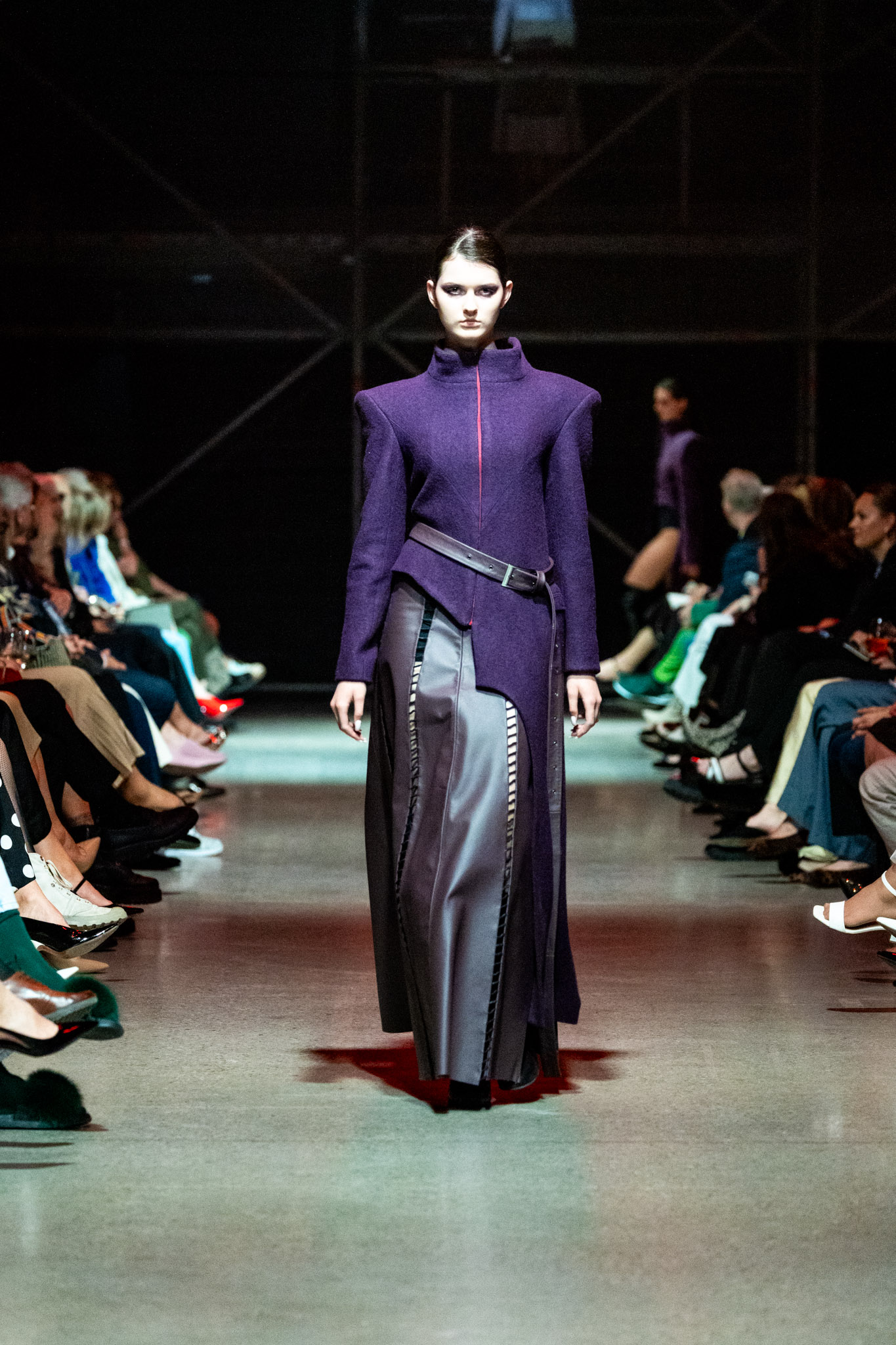
The show is part of a broader international conversation, where controversies of authorship, relevance, and the role of craft in a digital context continue to come up in both education and practice. What stands out here is a distinct perspective from the Baltic region, where sensitivity to material, functionality, and resource awareness is more present in the work. That difference is visible in the collections, which aren’t conceived around trend cycles but instead come from decisions made through textile and assembly. In this way, the show represents a reflection on what fashion is becoming, rather than an isolated student event.
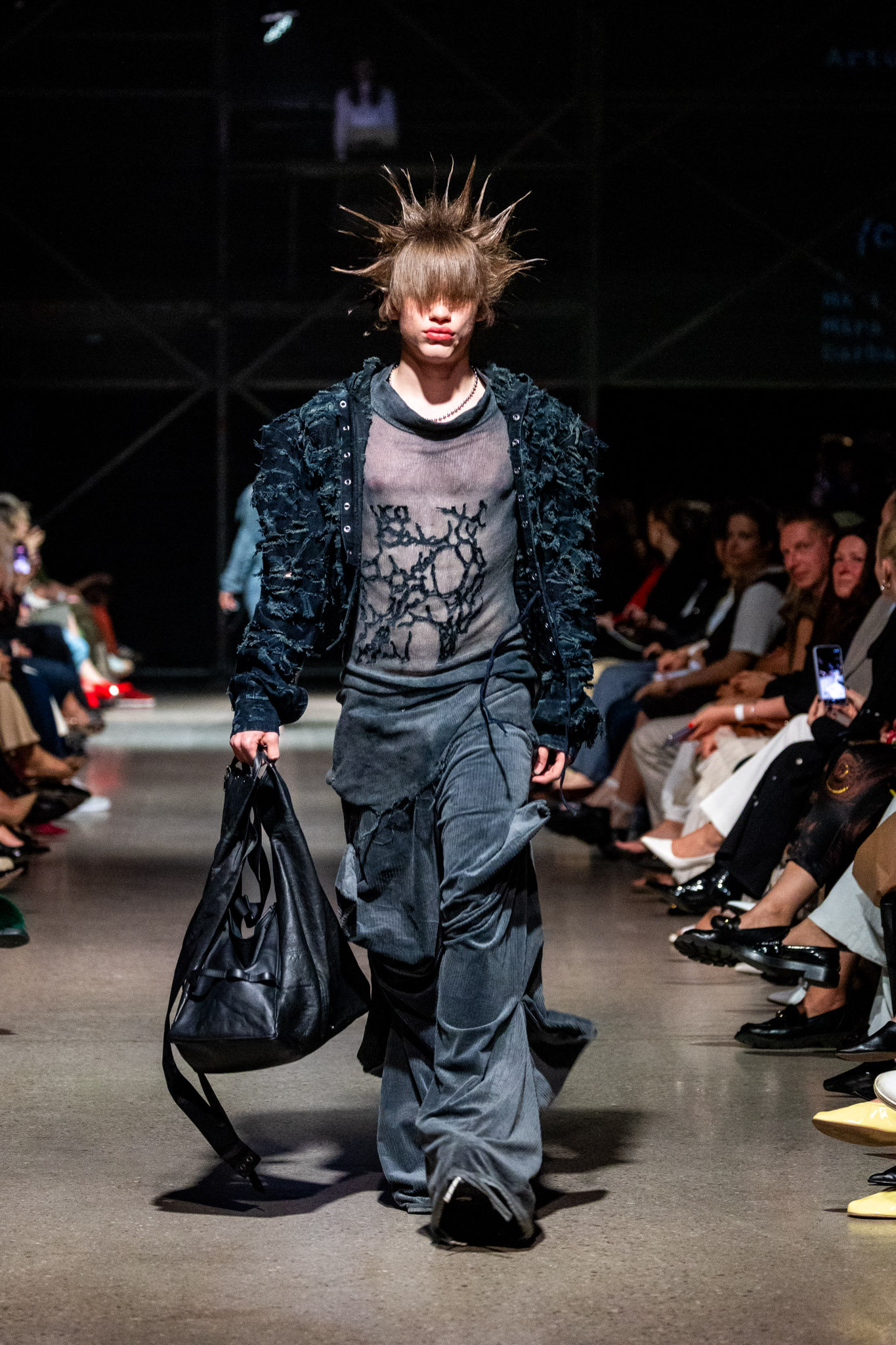
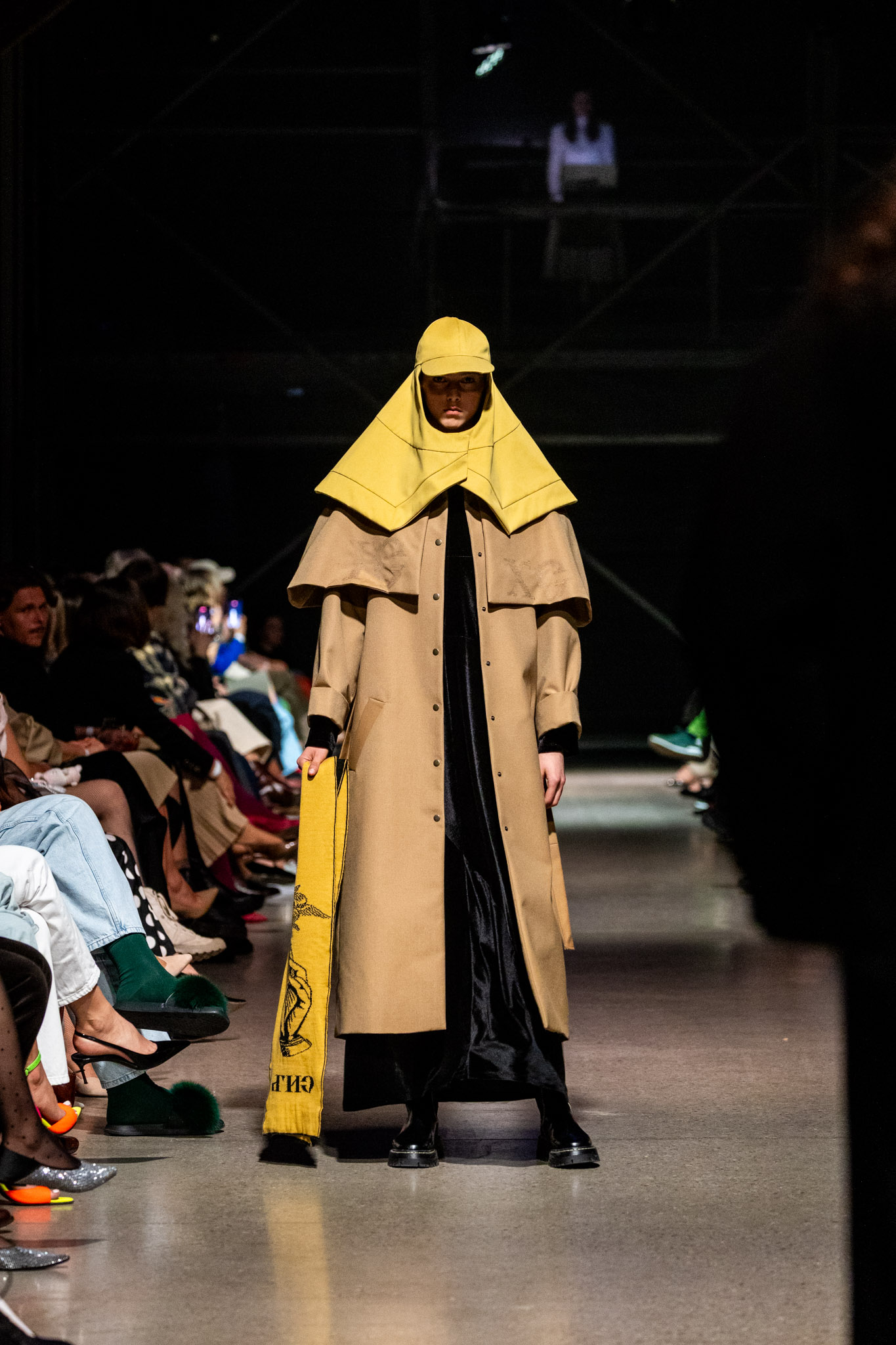
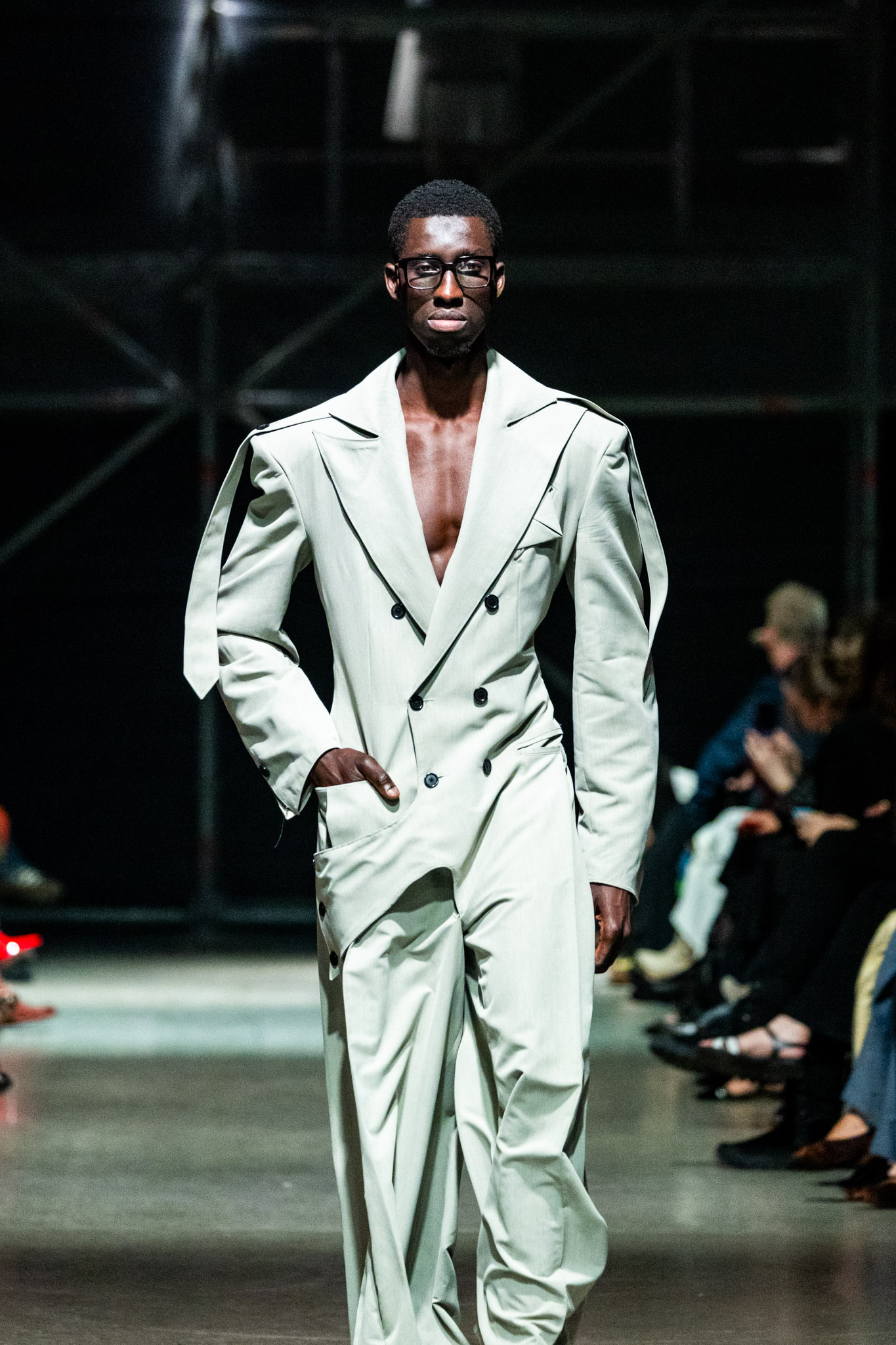
This year, the following designers presented their work: Aiva Strautmane, Ēriks Cariks, Edvards Ādams Valdzers and Akvelīna Frišmane, Rūta Strazdiņa, Lukass Gailis, Uģis Zauerhagens, Haralds Babris, Katrīna Ermanoviča-Hermanoviča, Kate Eisaka, Elza Evelīna Pāvulāne, Sofja Lurina, Aļika Vodņeva, Milana Mihailova, Annija Pauzere, Estere Līva Logina, Elvis Keišs, Letīcija Orlova, Santa Kirmuža-Svilāne, Pāvels Žeļezņaks, Elizabete Agate Meisīte, Madara Dāvida, Jurģis Emīls Liepiņš, Alise Sedliņa-Brūdere, Krišjānis Brasliņš, Patrīcija Sarmule, Anna Katrīna Elme, Artūrs Skurstenis, and Anna Jurjāne. For the first time, recently graduated professional doctoral student Una Pūpola also participated in the fashion show with her collection.
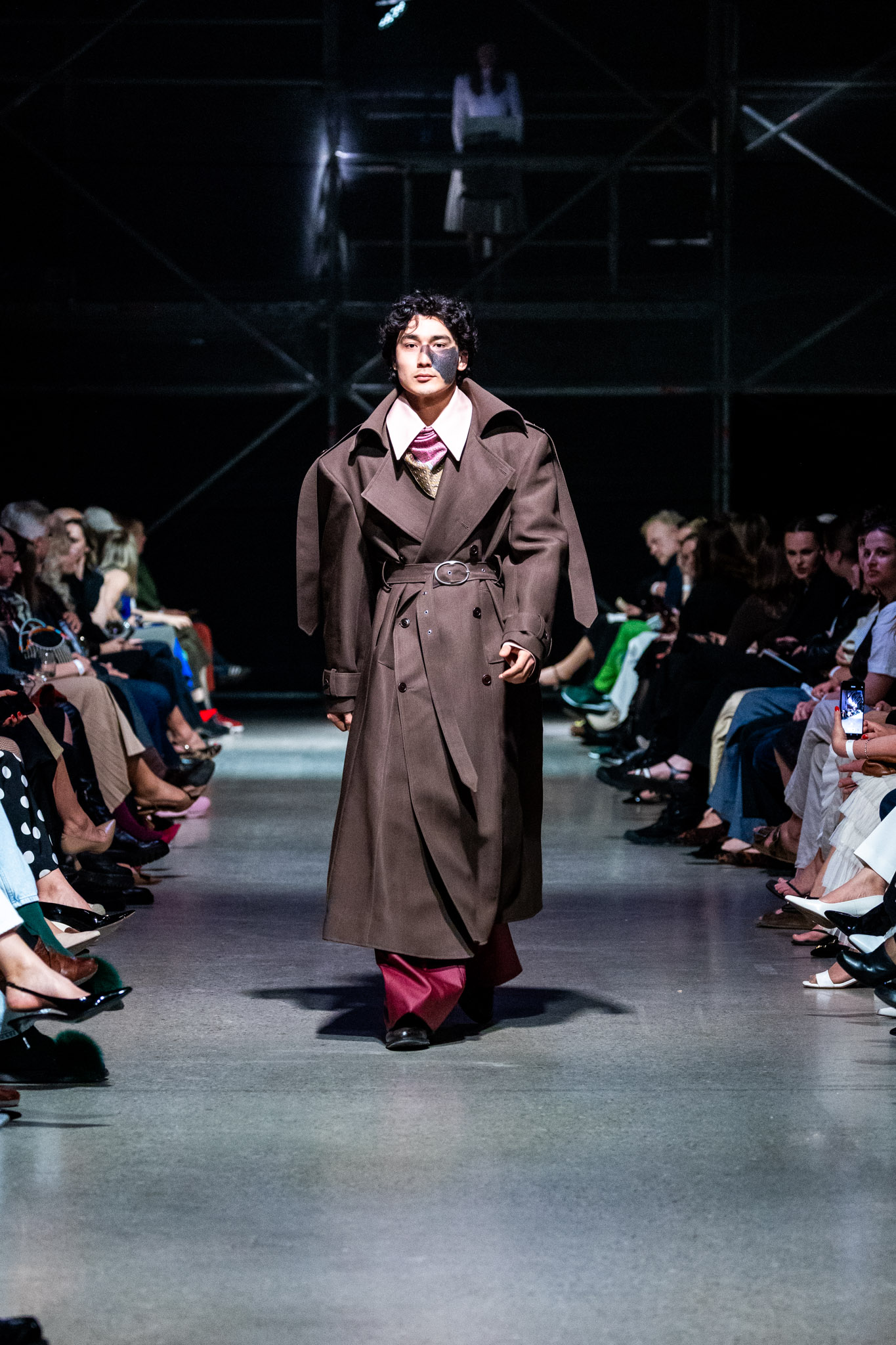
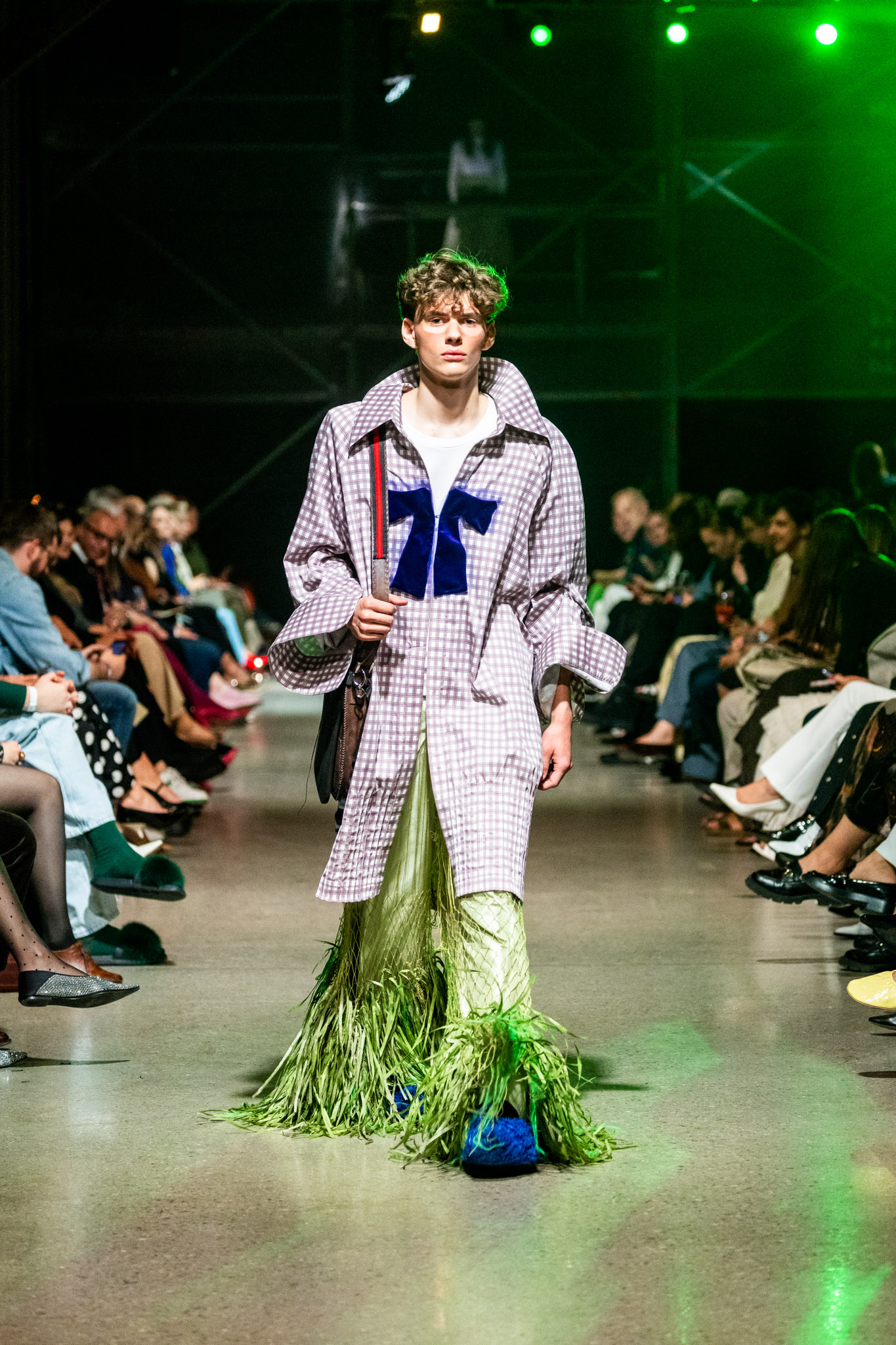
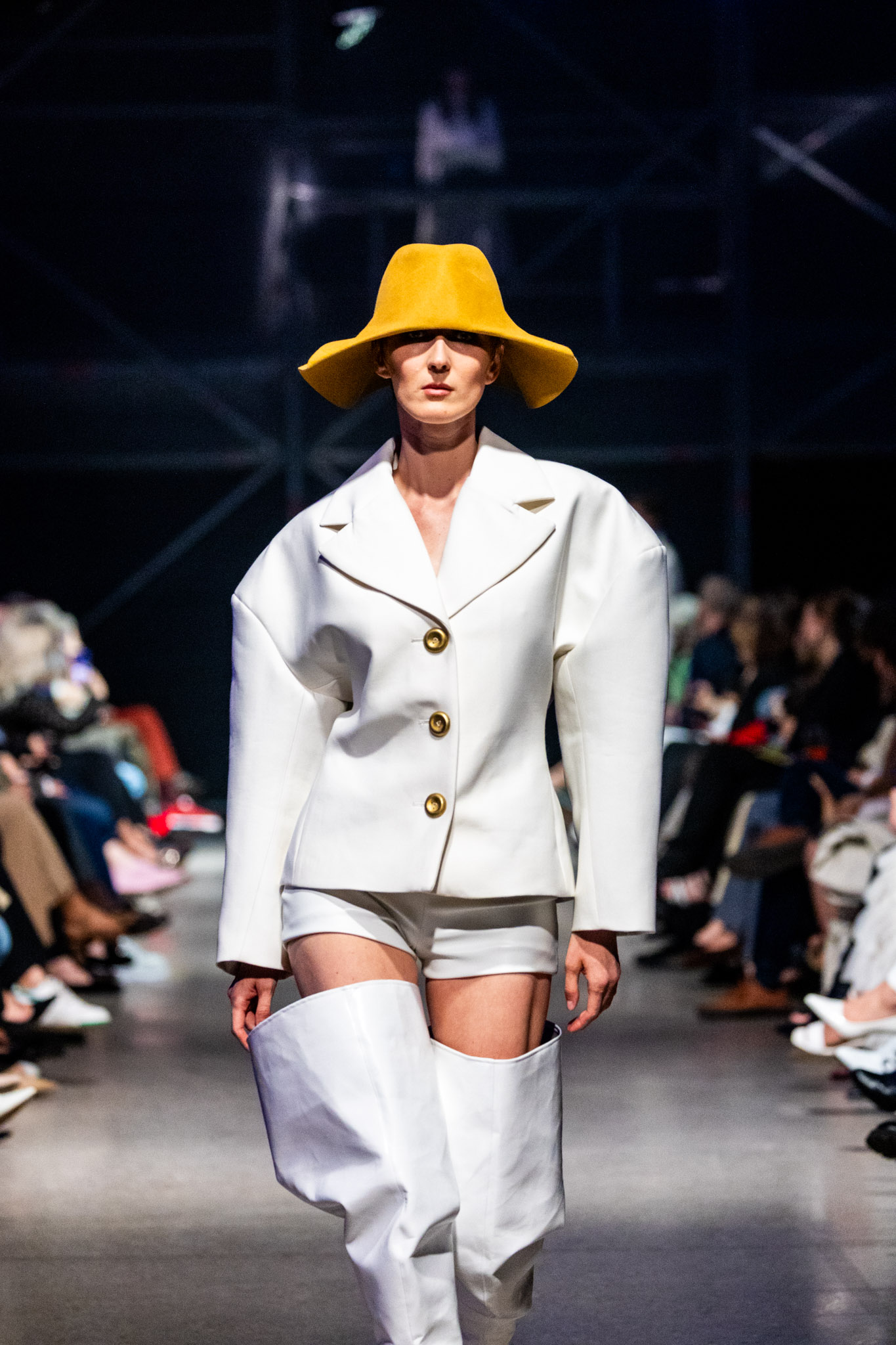
At the conclusion of the Fashion Show, special awards from partner organizations and sponsors’ choice awards were presented, recognizing innovation, sustainability, and outstanding technical execution.
“Sustainability is no longer an additional element of a collection for young designers. It has become part of their design thinking. It is reflected in material choices, work processes, and attitudes toward the lifecycle of garments. Through the Sustainability Award, we highlight designers whose work demonstrates courage to experiment, creativity, and the ability to create compelling collections from diverse materials. It is important for us to recognize this approach and provide young talents with opportunities to gain experience beyond Latvia,” emphasizes Uldis Skrebs, Member of the Board of AJ Power Recycling.
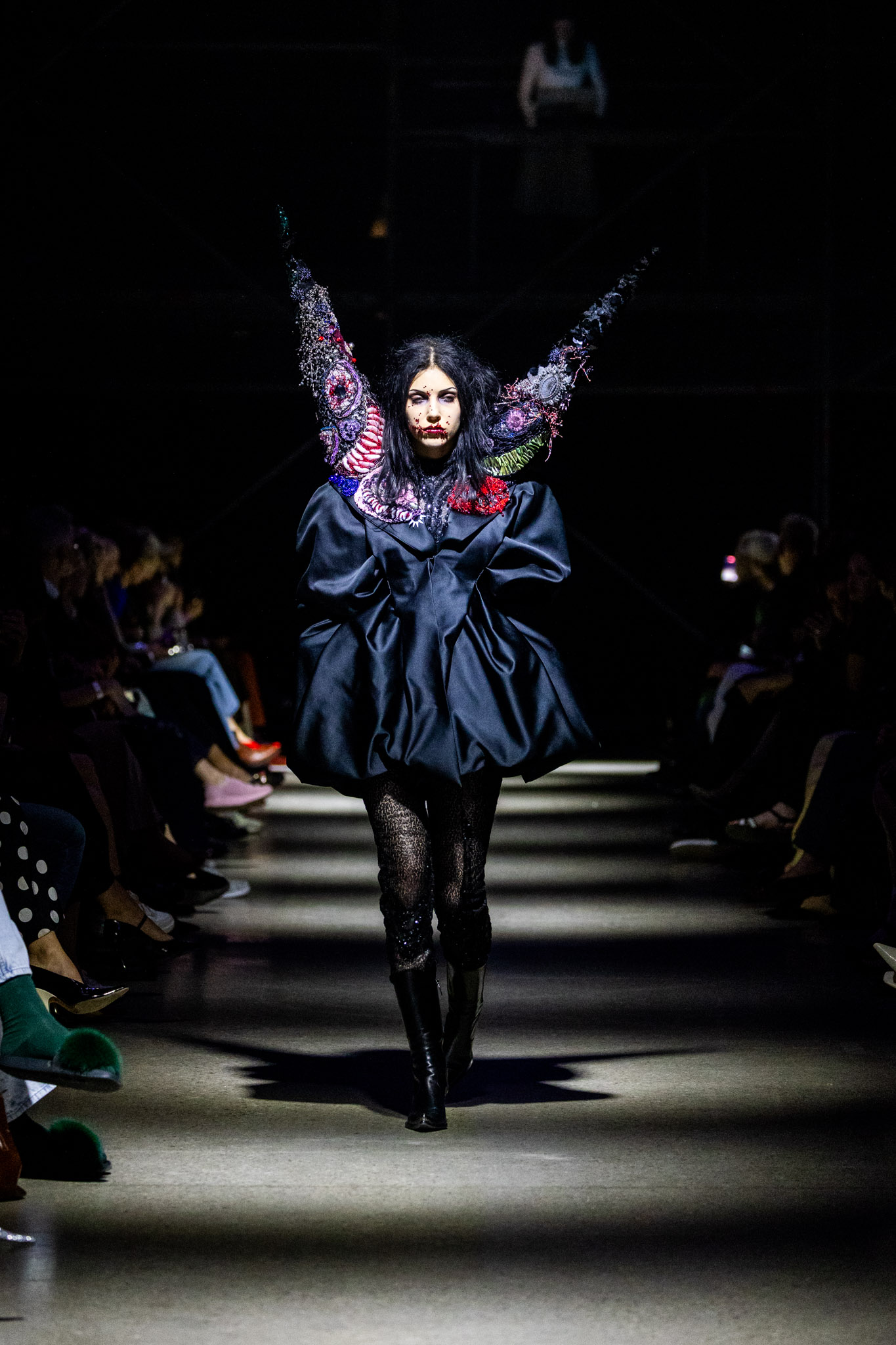
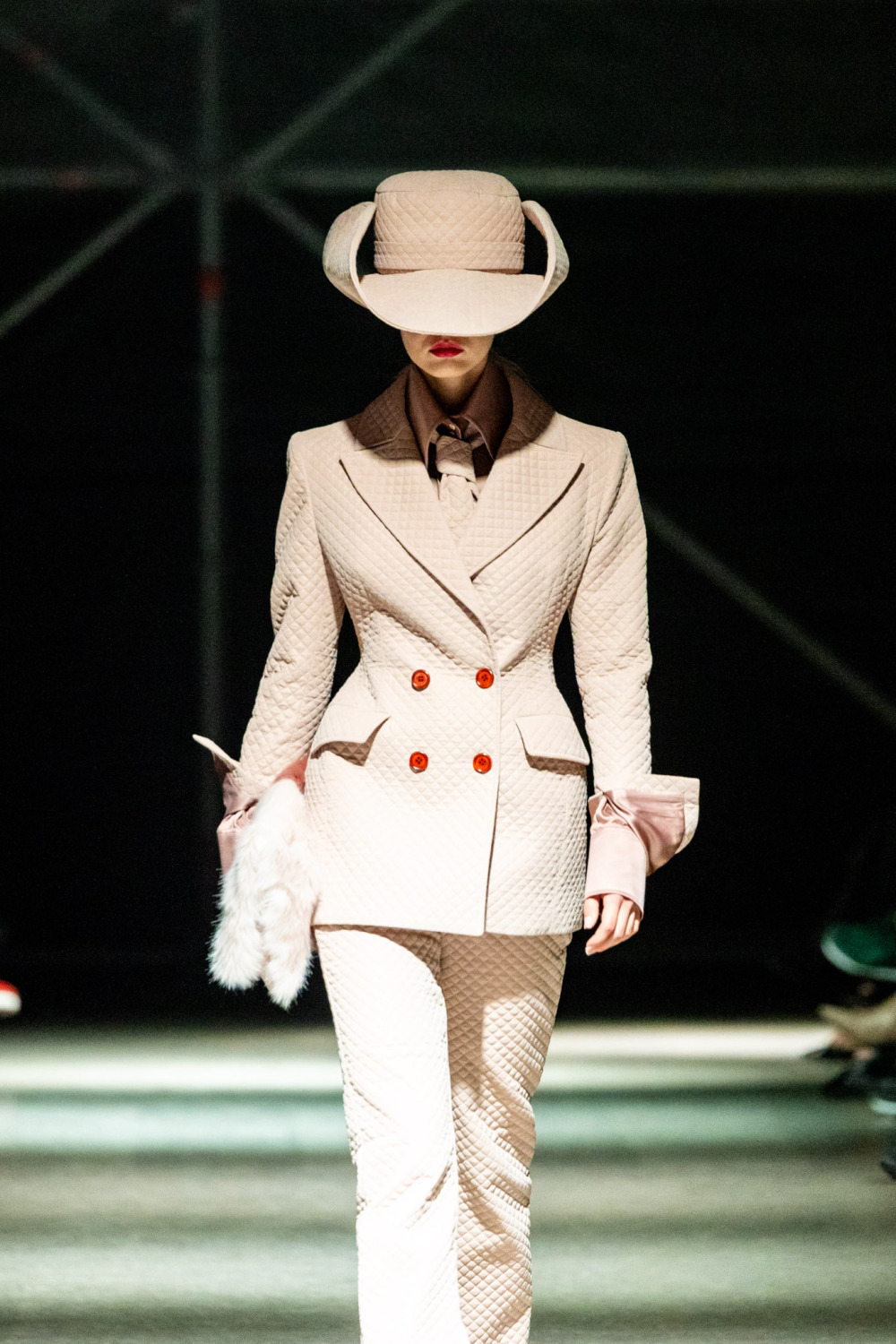
“The young designers demonstrated their skills in a variety of handicraft techniques while confidently embracing digital possibilities. We chose to express our support and appreciation to the talented young fashion designer Alise Sedliņa-Brūdere, encouraging her to continue developing her remarkable sense of fine embroidery and experimental approach to creative work,” notes Gunta Brūmane, Chairwoman of the Board of Burda Salons Ltd.
Santa Priede, Head of Fashion department at Stockmann, explains: “We decided to present the award to the young designer Katrīna Ermanoviča-Hermanoviča, who stood out with a strong concept, high-quality execution, thoughtful details, and a conscious approach to sustainability in fashion. The collection harmoniously combines the elegance of the past with contemporary aesthetics, creating visually expressive, high-quality, and sustainable garments. This approach closely aligns with Stockmann’s values and our vision of modern fashion.”
ANNIJA PAUZERE
BA Year 3 – Placebo
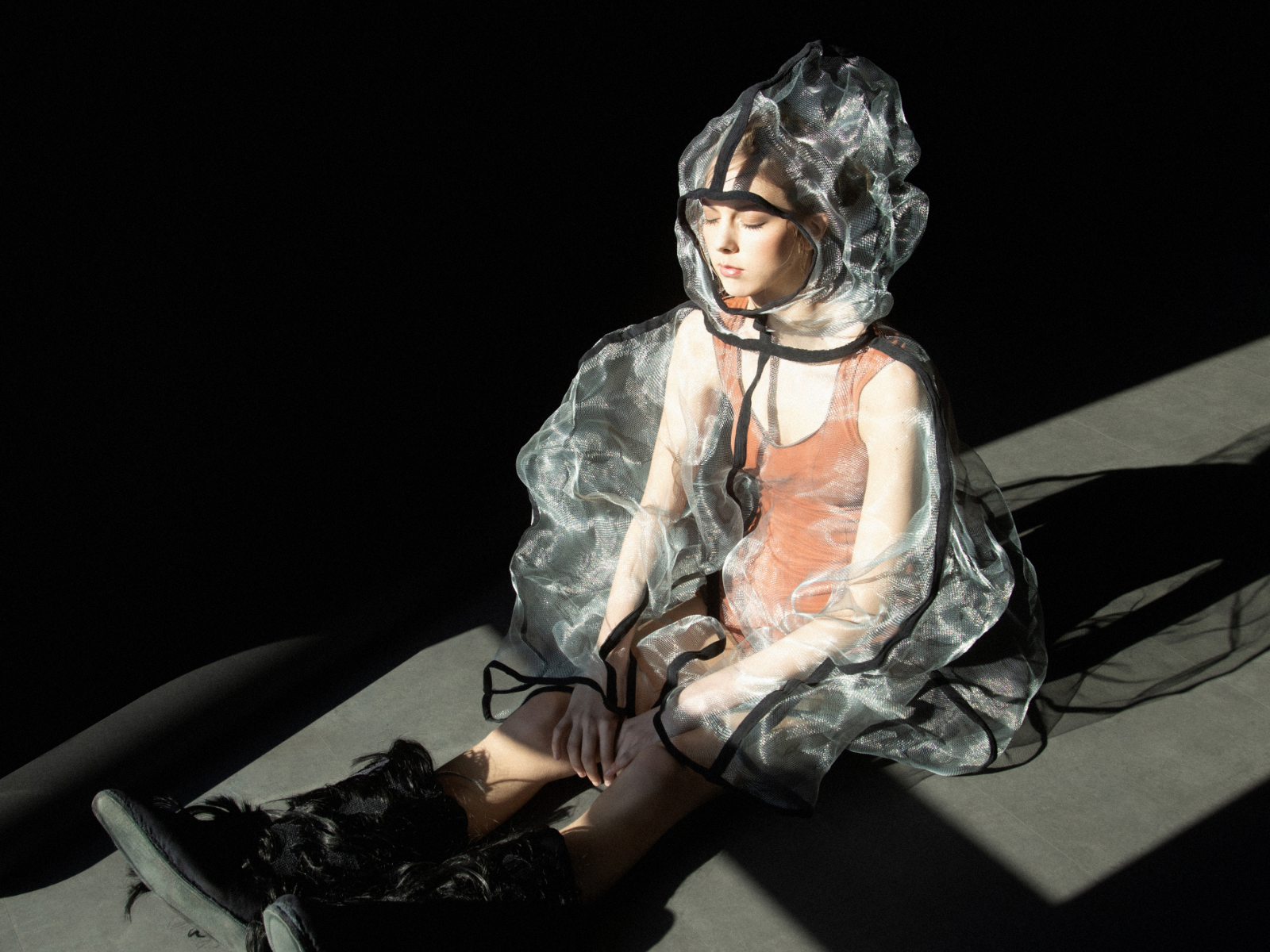
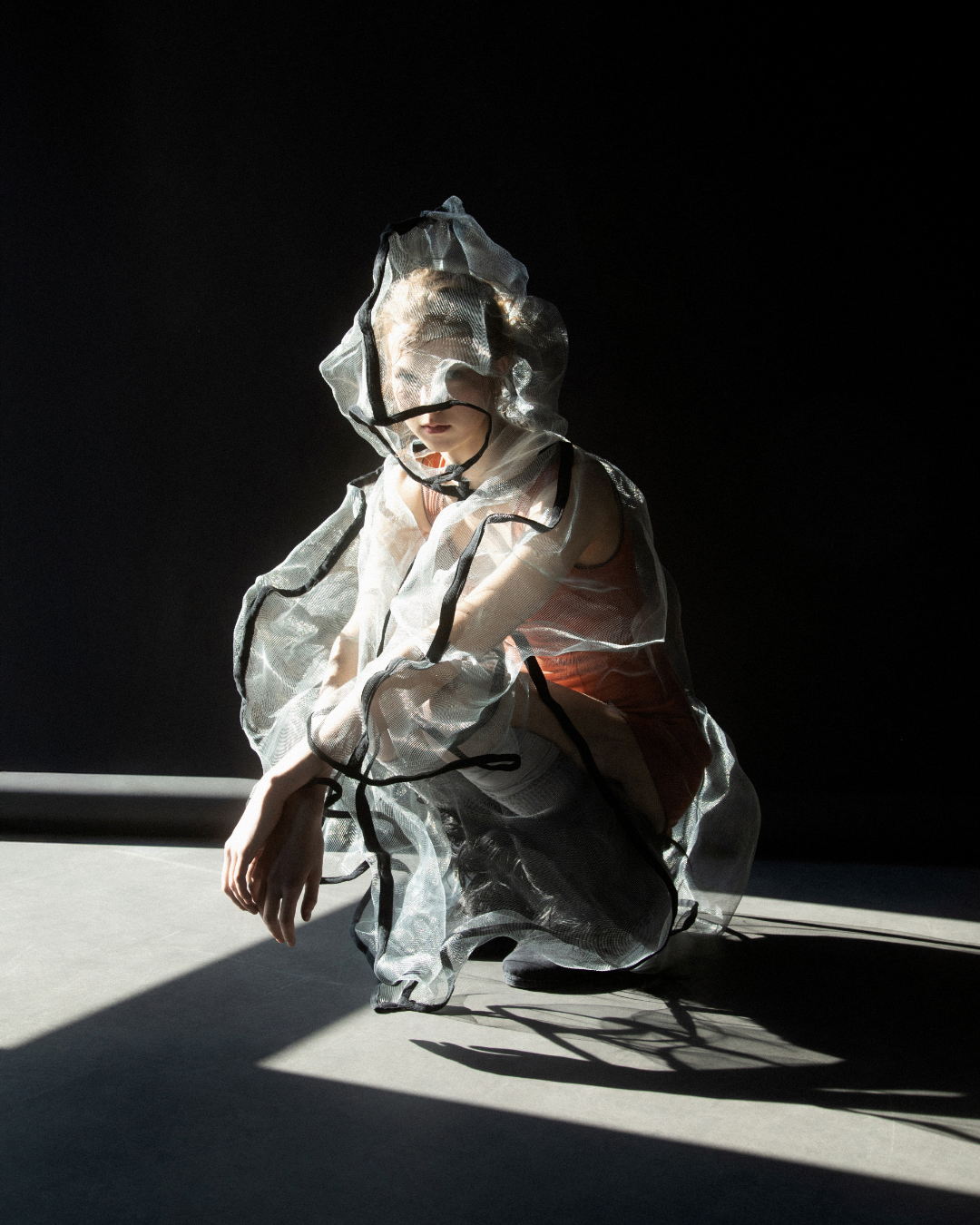
Placebo (from Latin: placebo—“I shall be pleasing”) is a psychological phenomenon characterized by effects similar to therapeutic trials that do not result from an actual therapeutic effect, but from the individual’s belief in it.
/in great darkness, you will come comfort me. and all will be ok/
JURĢIS EMĪLS LIEPIŅŠ
BA Year 4 (diploma work) – Along the Golden Shore of the Sea
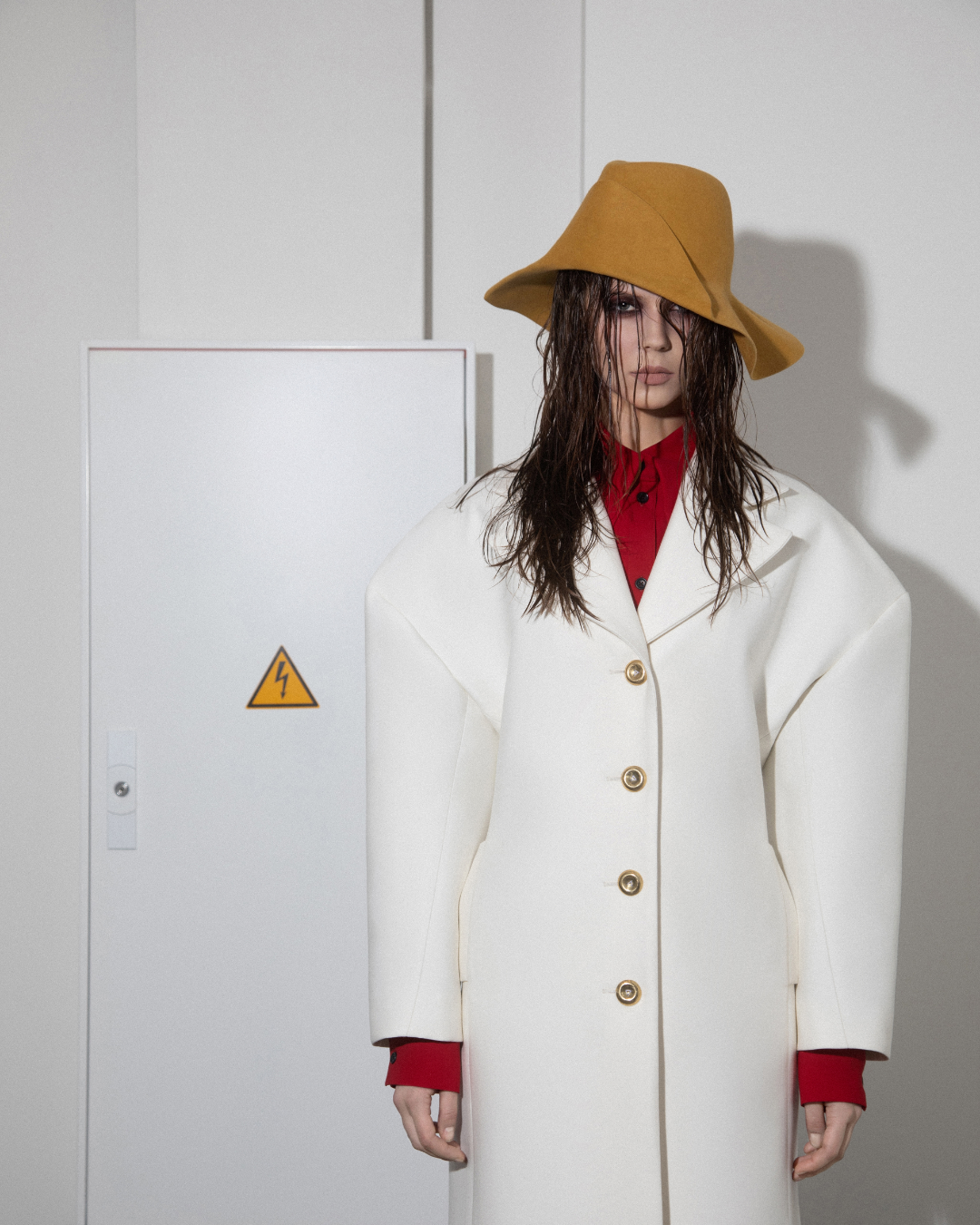
Fishermen are part of the Latvian cultural and artistic canon. My father’s side comes from the small fishing village of Engure, which inspires me and where I have spent part of my youth. This is my view of fishermen in art and the Latvian cultural canon.
AKVELĪNA FRISEMANE, LUKASS GAILIS, RUTA STRAZDINA
BA Year 4 (diploma work) – [Do Not] Keep Me
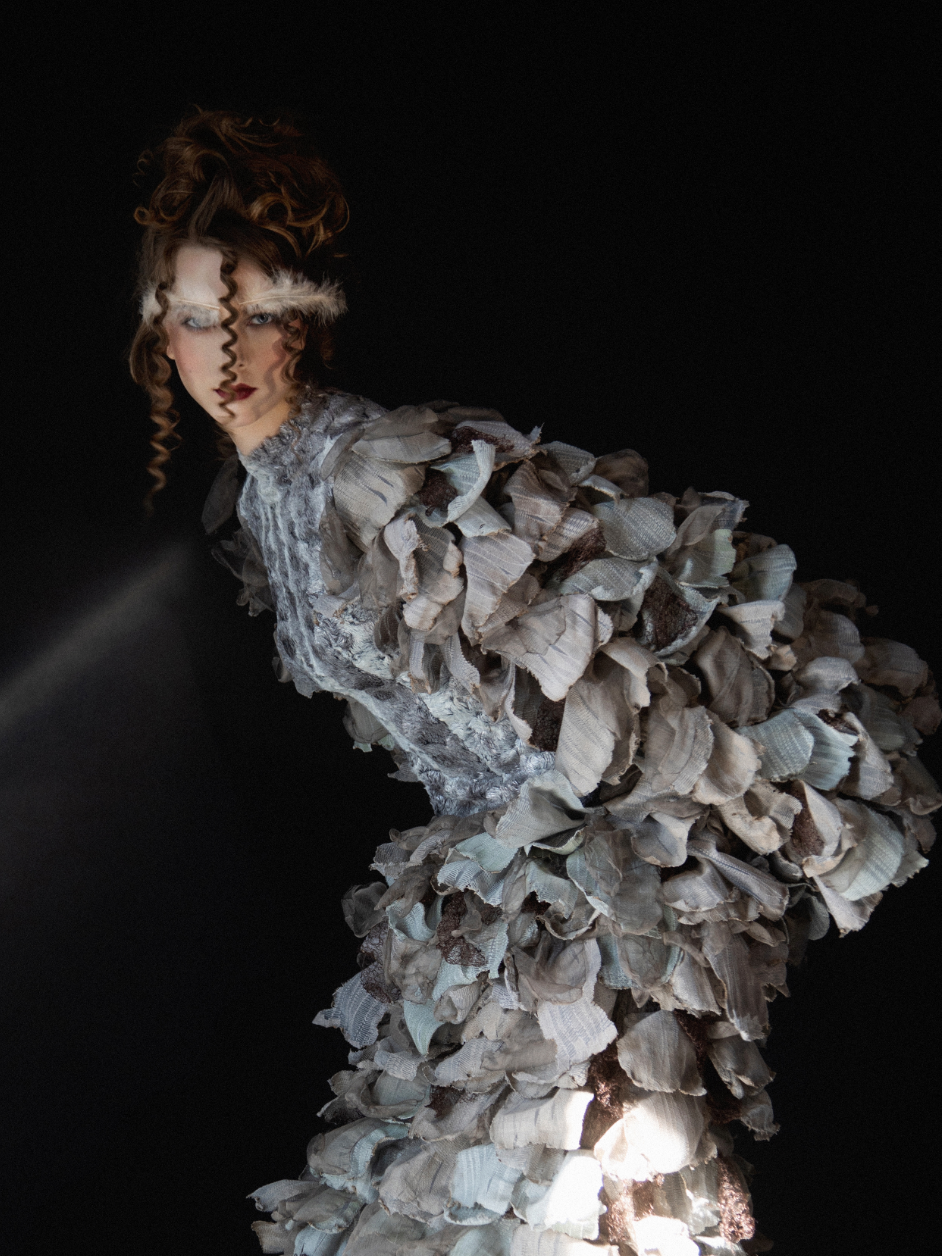
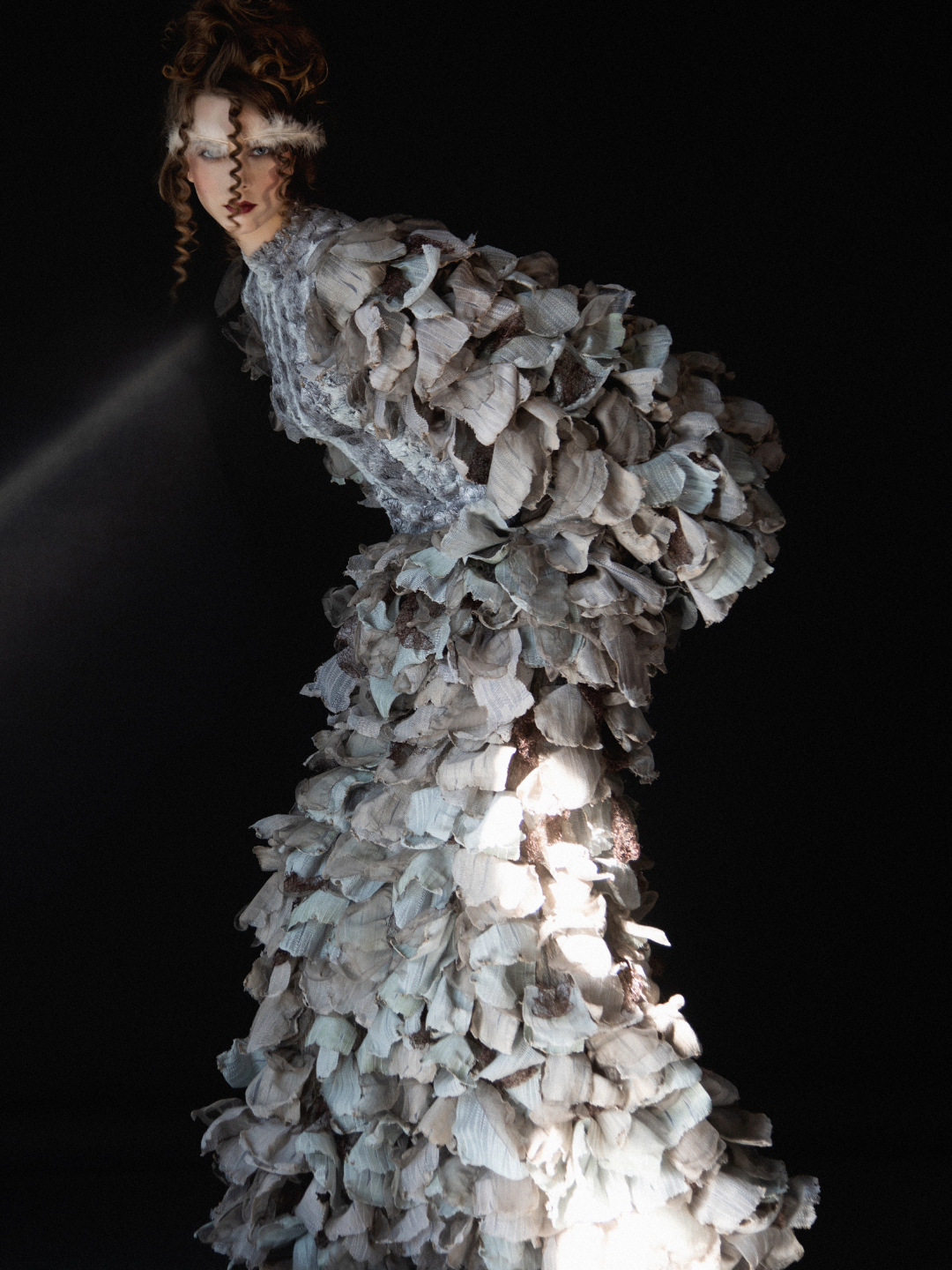
The mind takes on the function of an attic. Former desires, dreams, and ambitions have been neglected in the daily rush, like piles of dust-covered belongings. But what happens to the oppressed wish list when you forget about it? Despite our consciousness, all dreams, ambitions, and goals seek the light of day. Do they emerge on the bright side of the tunnel as intended, as they were when conceived? Through subtle detail and elegance, the collection explores the hidden corners of the mind and a wishfully warped manifestation.
ALISE SEDLINA-BRUDERE
BA Year 4 – (diploma work) Black Kitchen
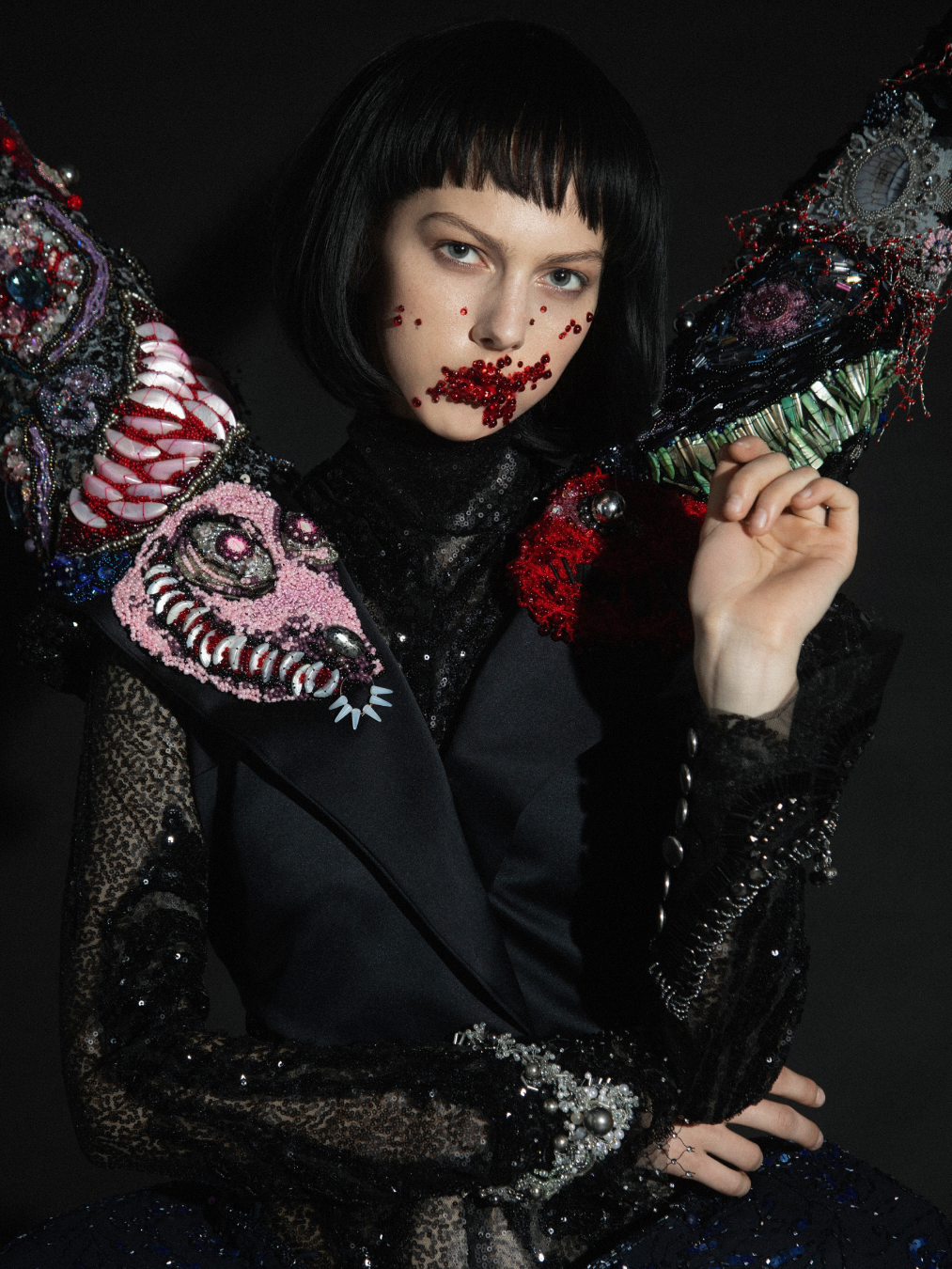
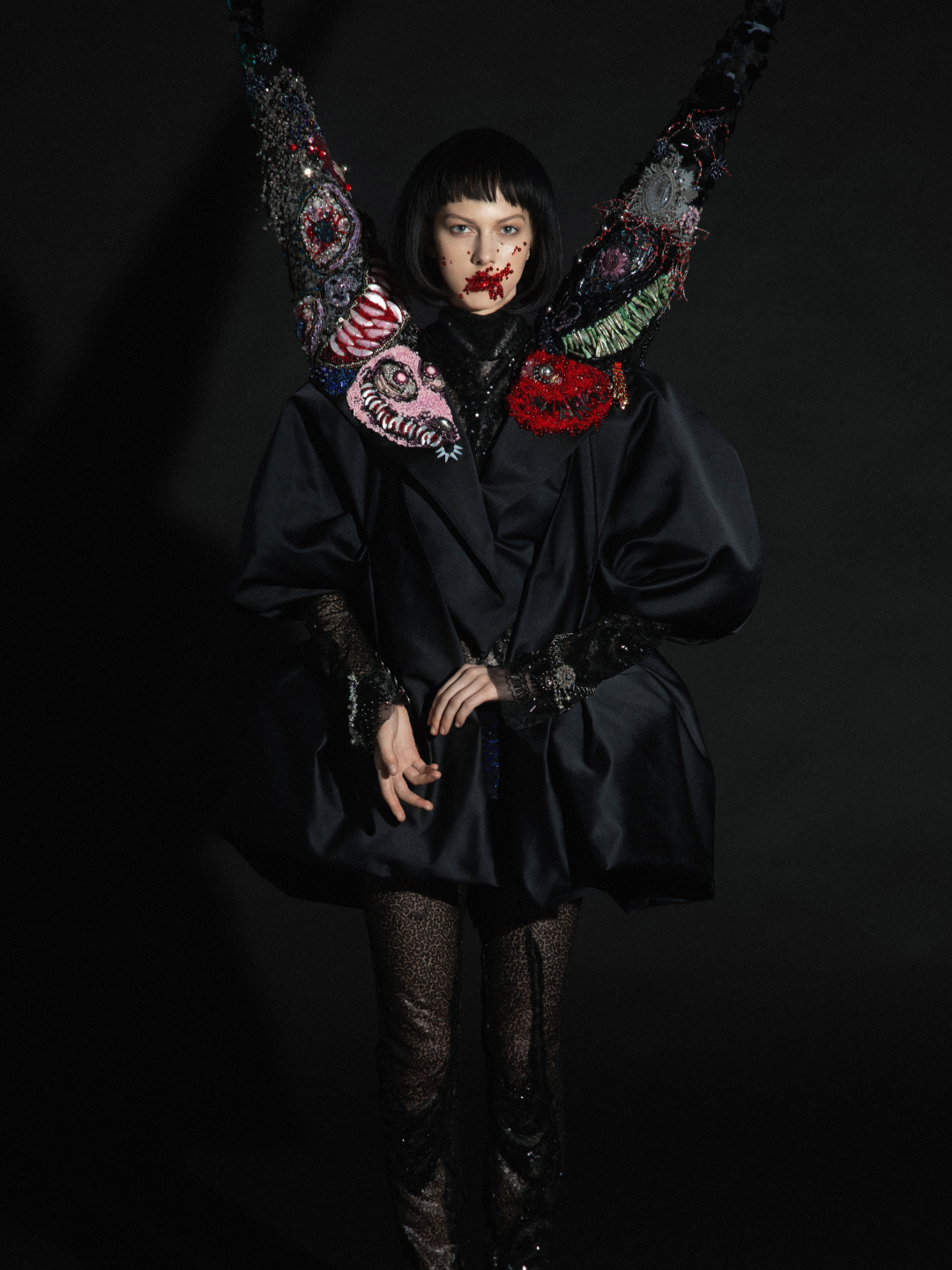
The collection is based on the black kitchen—a place on my childhood farm where animals were raised. There, they grew up, were fed, cared or, and, at the end of their lives, were killed, skinned, and hung to drain their blood. The collection is all black, and the silhouettes of the clothes reflect the shapes of animal bones, horns, skin, and meat. This black collection is complemented by colorful pearl embroidery, embroidered by hand. The embroidery is used as a reward for being sober, because, within the framework of the collection, an experiment is additionally carried out, the aim of which is to limit and motivate oneself, through the creative process of the collection, to reduce or completely eliminate alcohol consumption, both in the process of developing the collection and in everyday life.