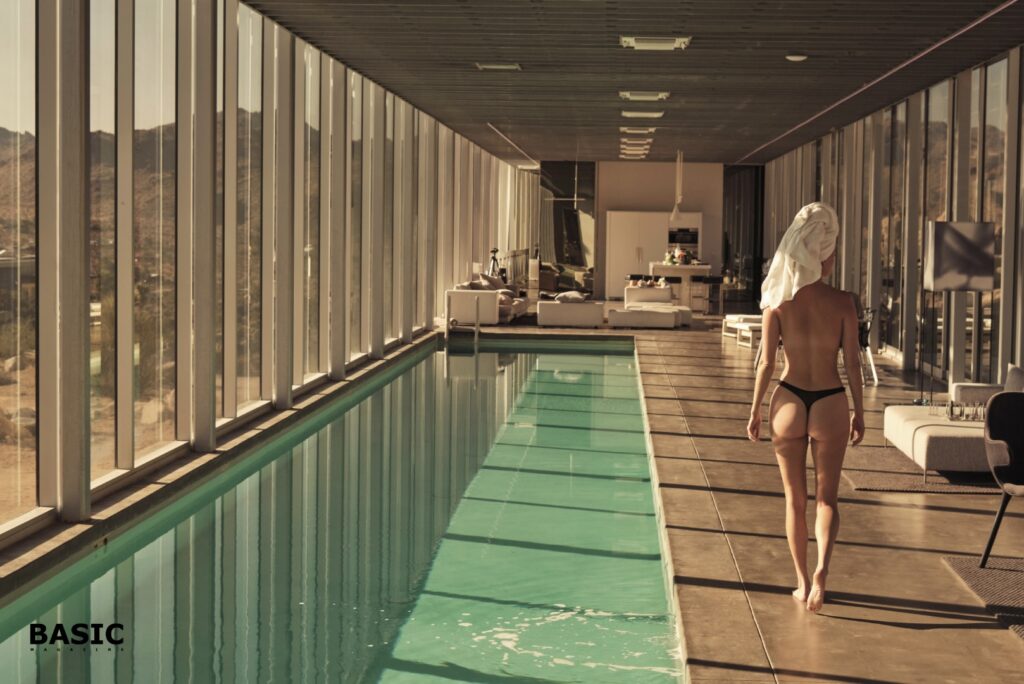
The Invisible House, a 5,500-square-foot mirrored structure in Joshua Tree designed to merge with the desert terrain.
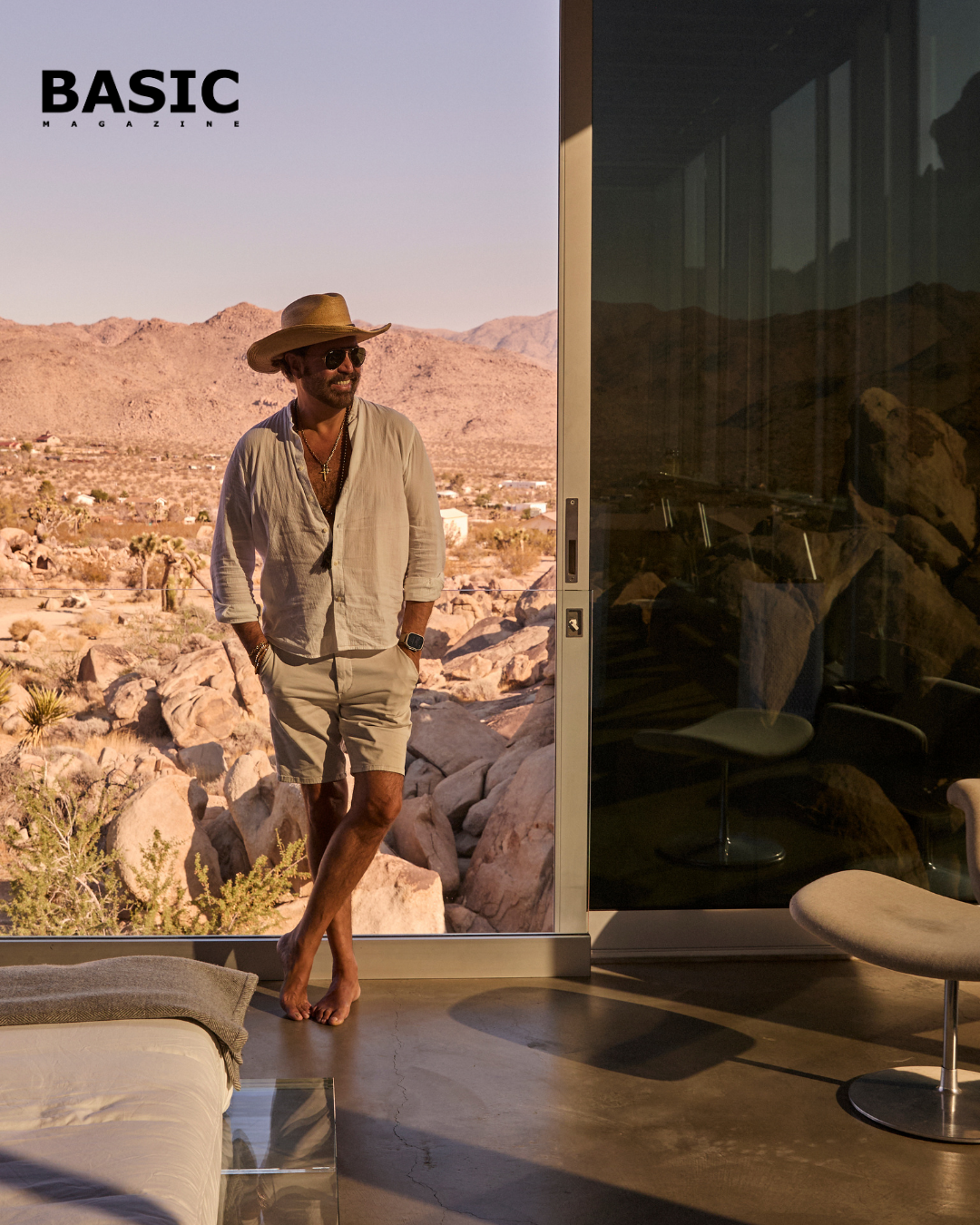
Visited by Travel Writer LUIGI IRAUZQUI
On a 90-acre site surrounded by granite formations, the Invisible House extends as a single mirrored National Park. The project belongs to producers Chris and Roberta Hanley, developed in partnership with architect Tomás Osinski, and draws from Chris’s long-standing interest in reflective façades and large-scale minimal forms, with a clear nod to Kubrick’s 2001: A Space Odyssey.
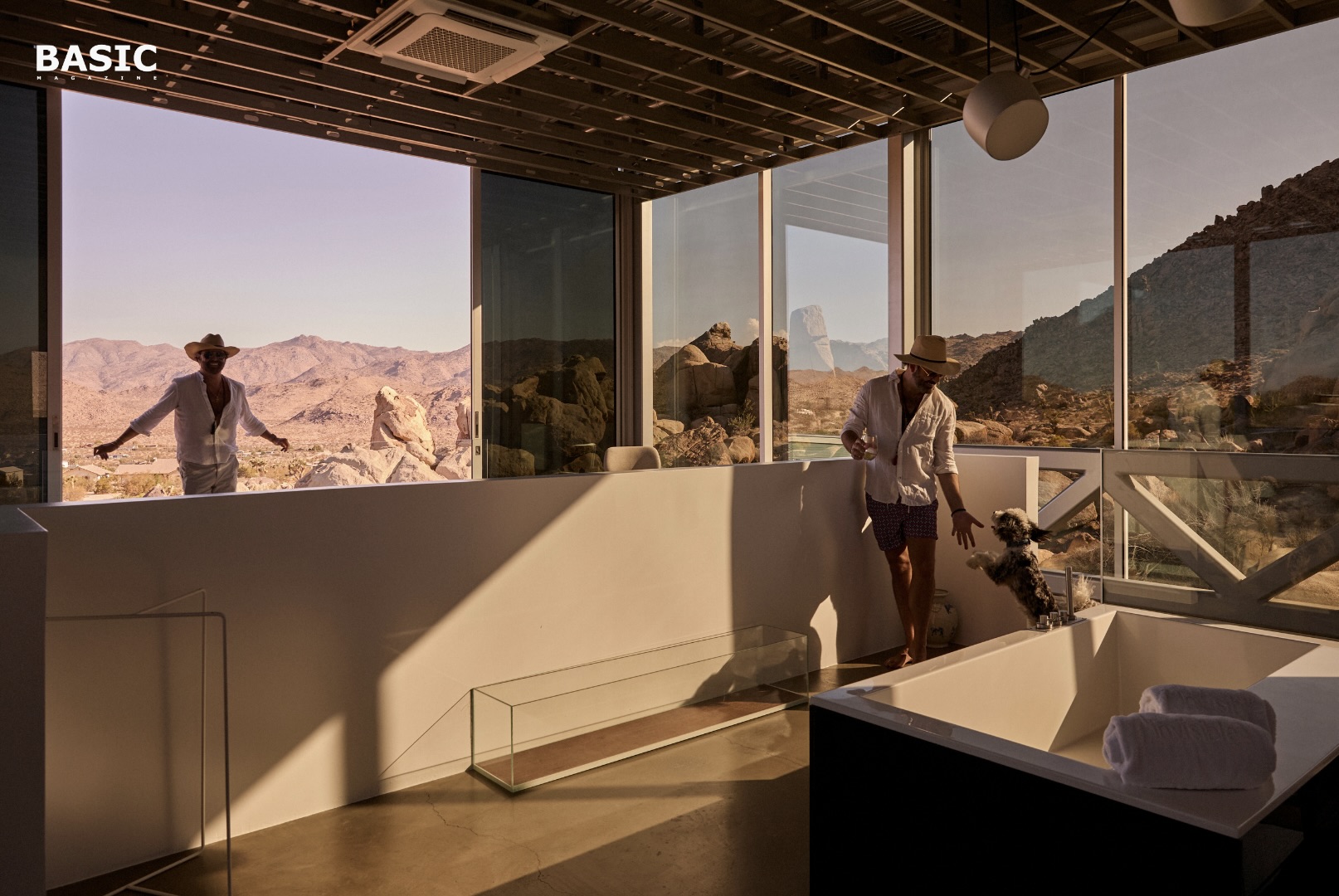
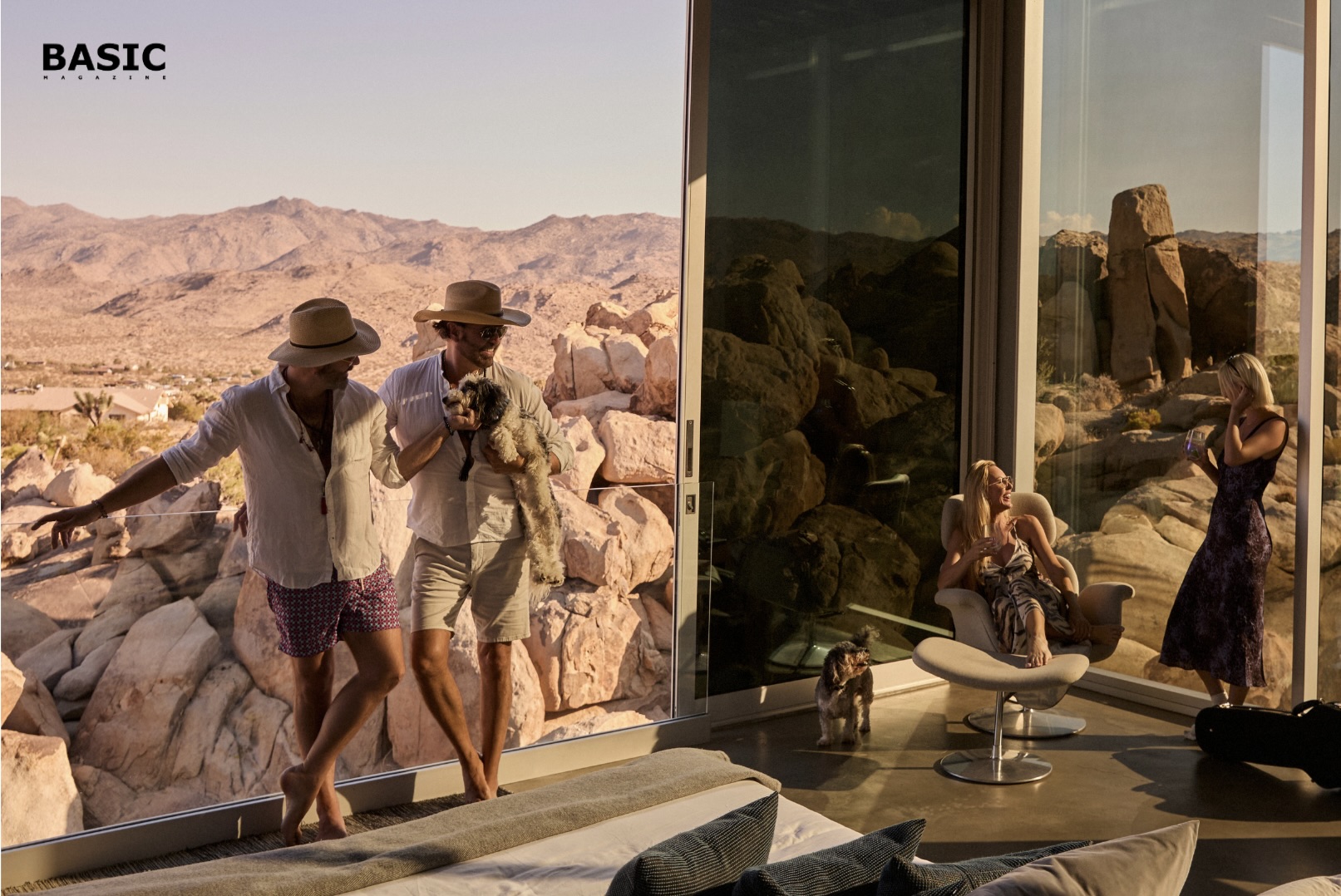
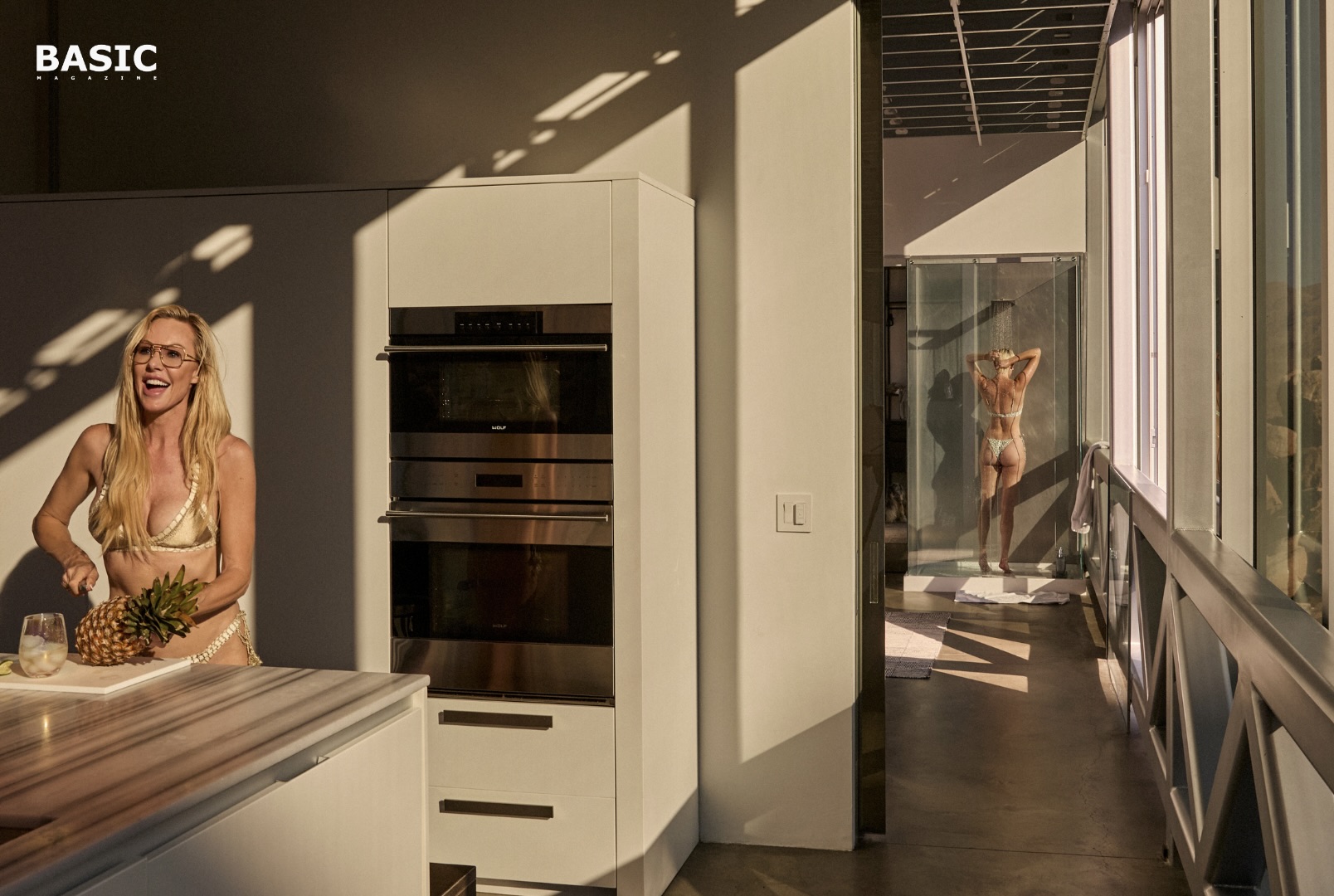
The reference traces back to the black monolith, an alien-engineered machine and catalyst for human evolution that held Chris’s attention early on. That influence comes through in the house’s stark geometry, placed against a landscape Roberta compares to the dreamlike, otherworldly compositions of French Surrealist Yves Tanguy. Before turning to architecture, the Hanleys built their reputation in film, producing The Virgin Suicides (1999) and American Psycho (2000), among other projects with cult followings.
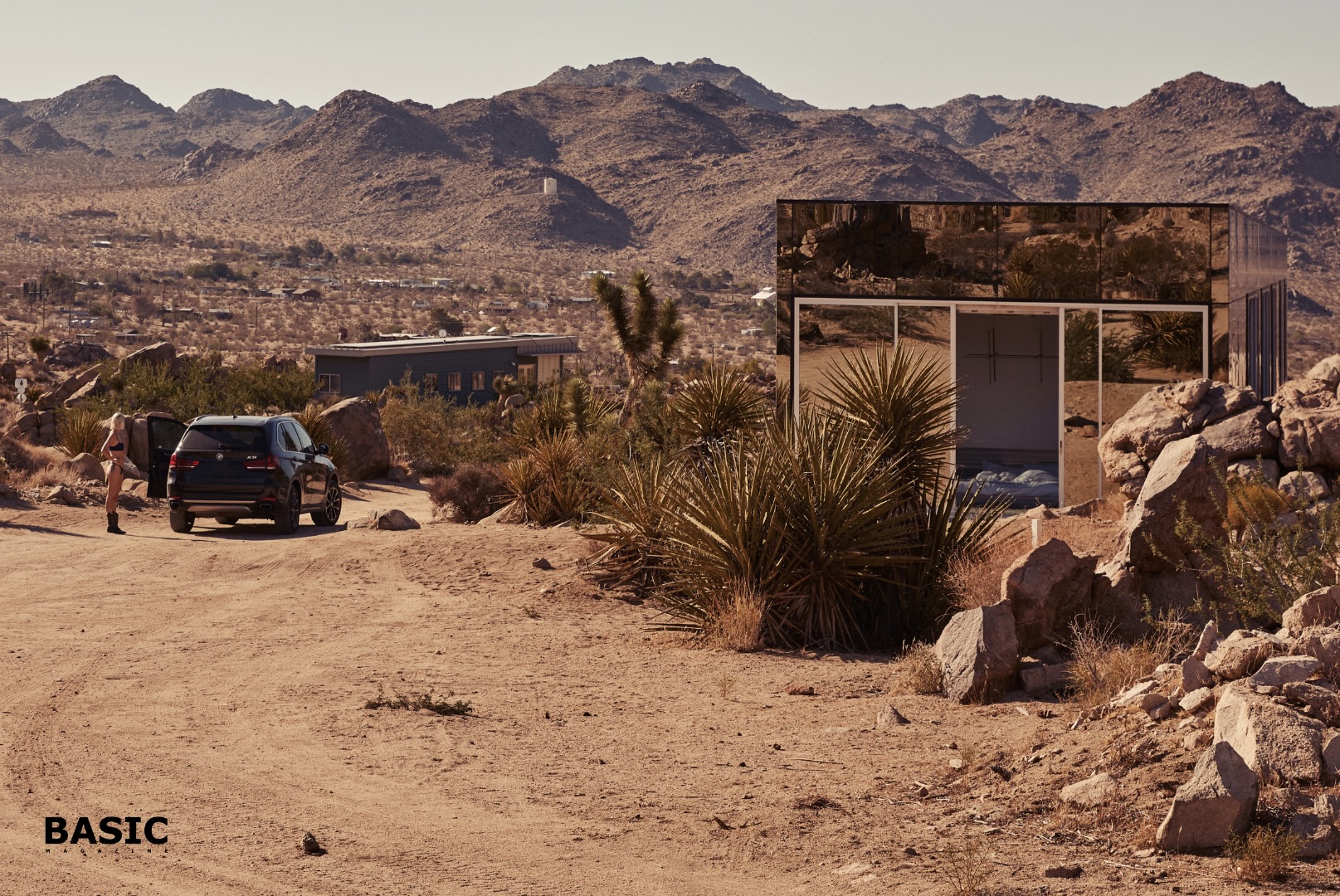
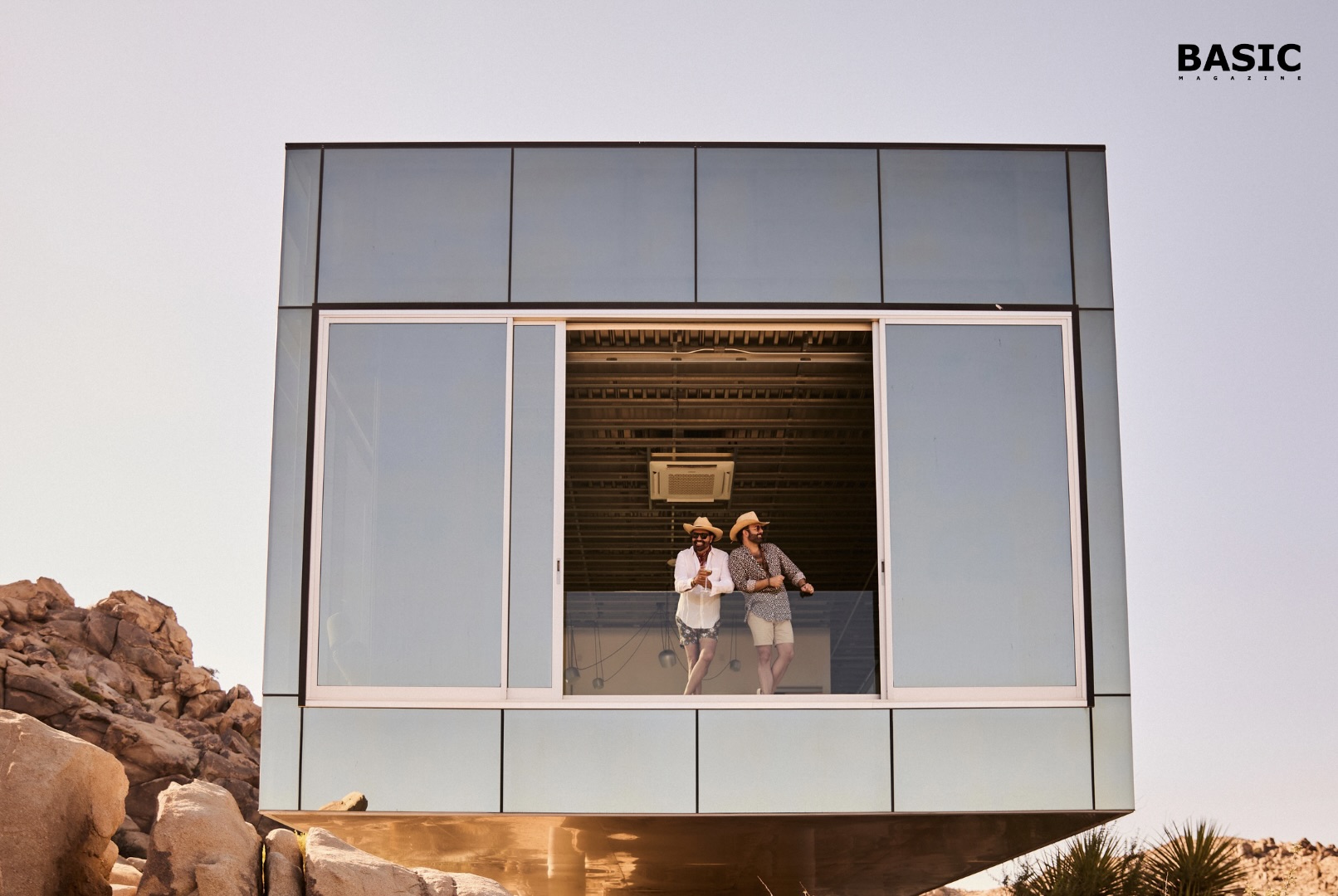
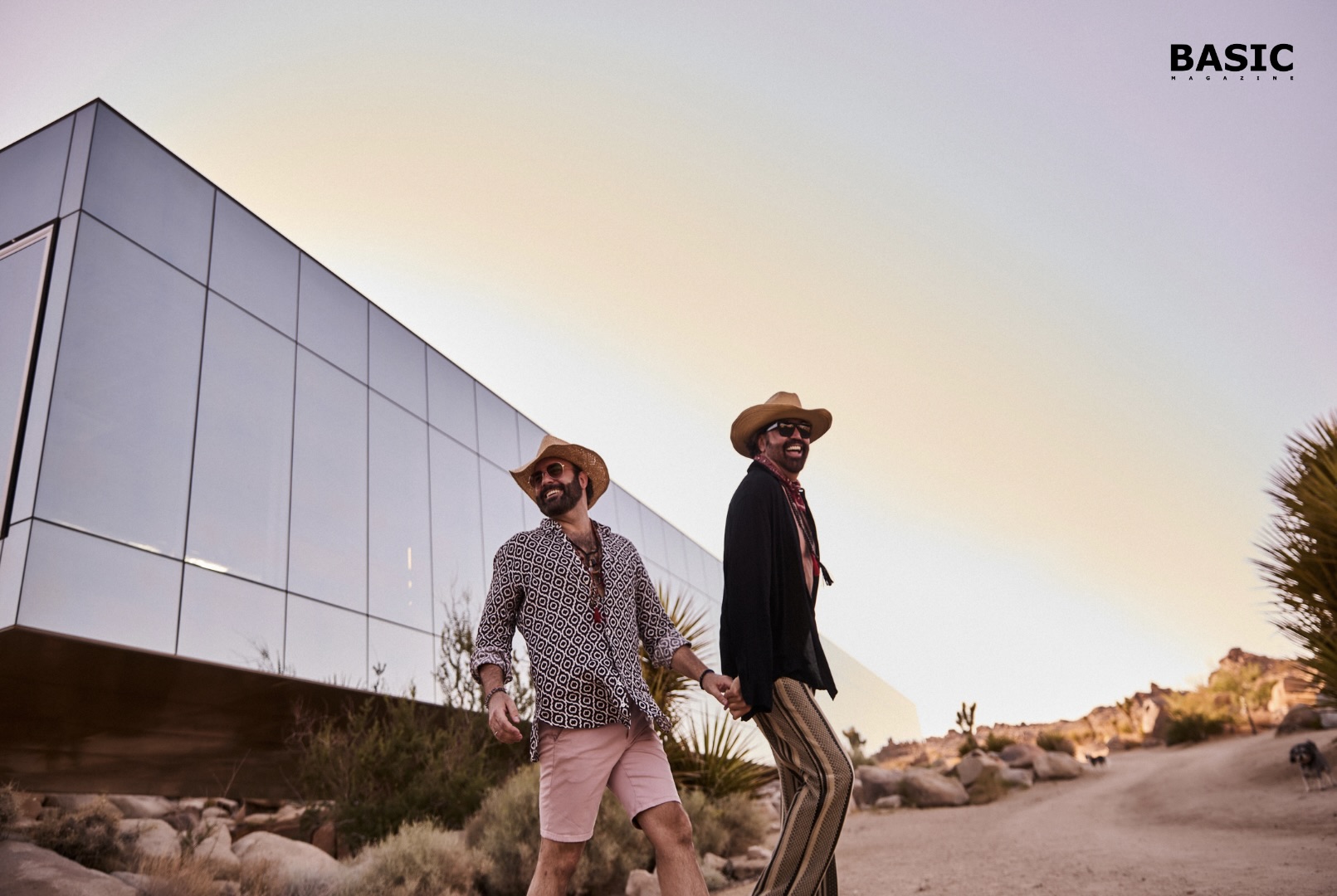
With the Invisible House, the Hanleys focused on keeping the architecture simplified so the surrounding landscape remains central. Completed in 2019, the house reflects so completely that the terrain runs uninterrupted across its exterior, moving from dark and opaque at sunrise to nearly indistinguishable from the horizon by late afternoon.
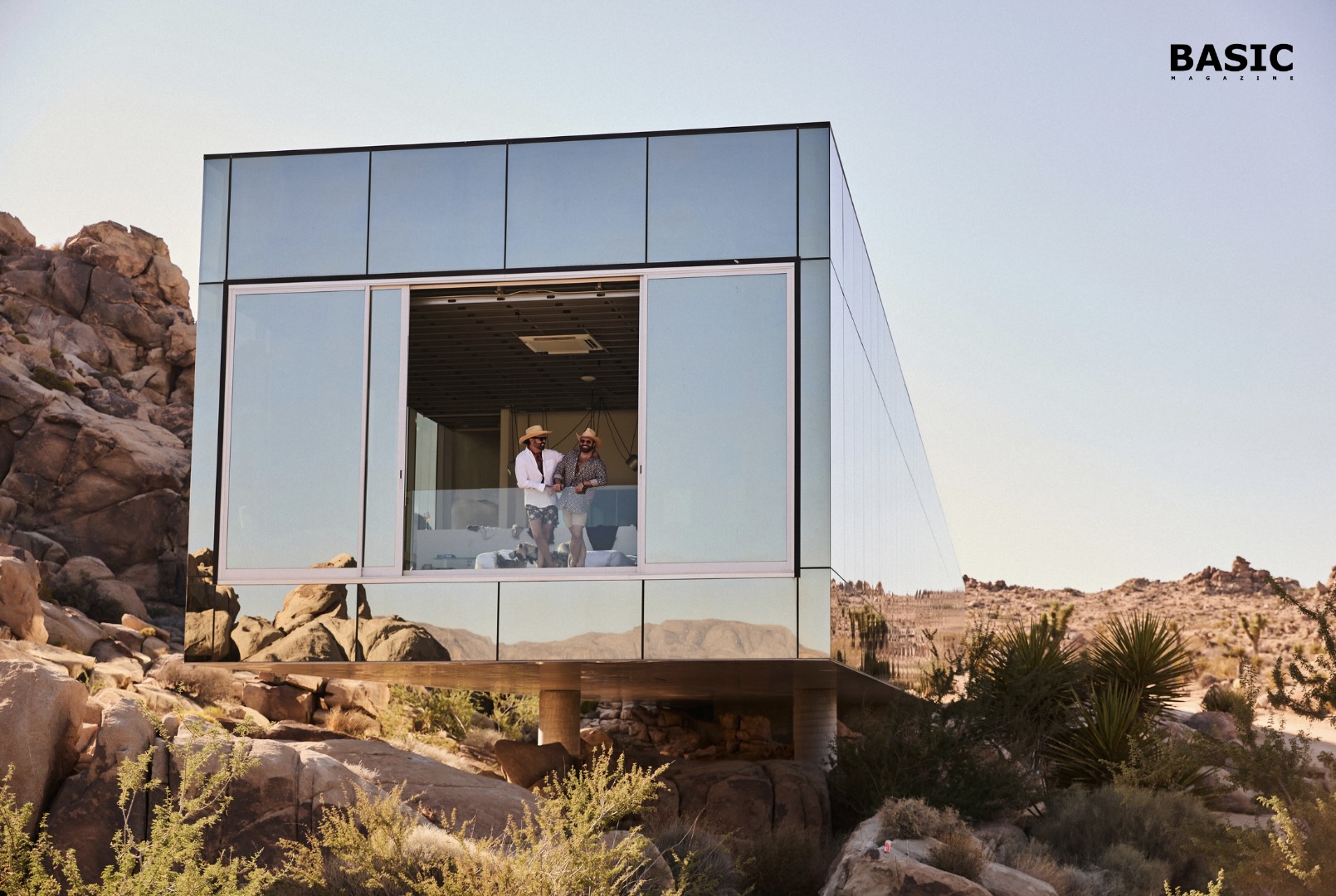
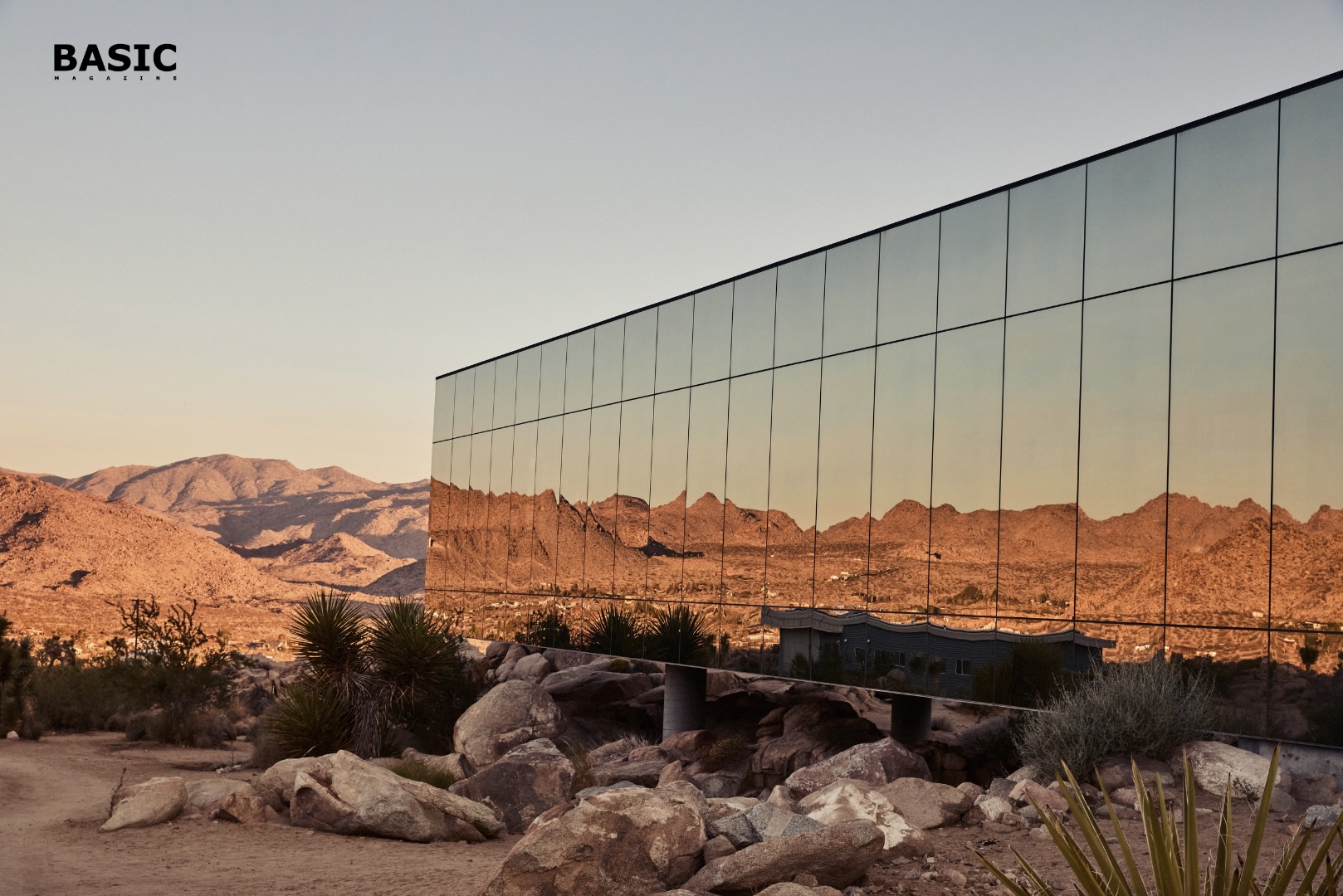
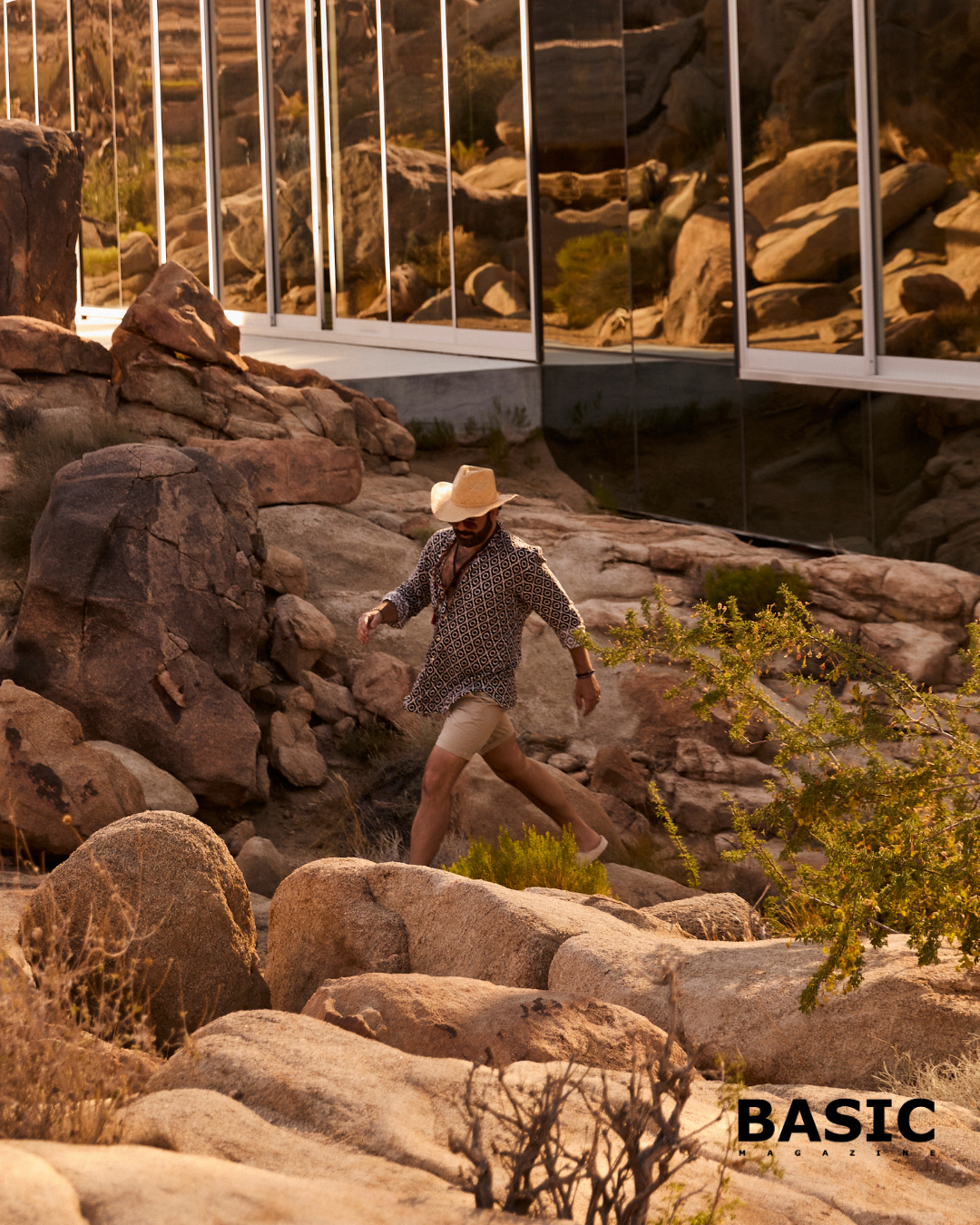
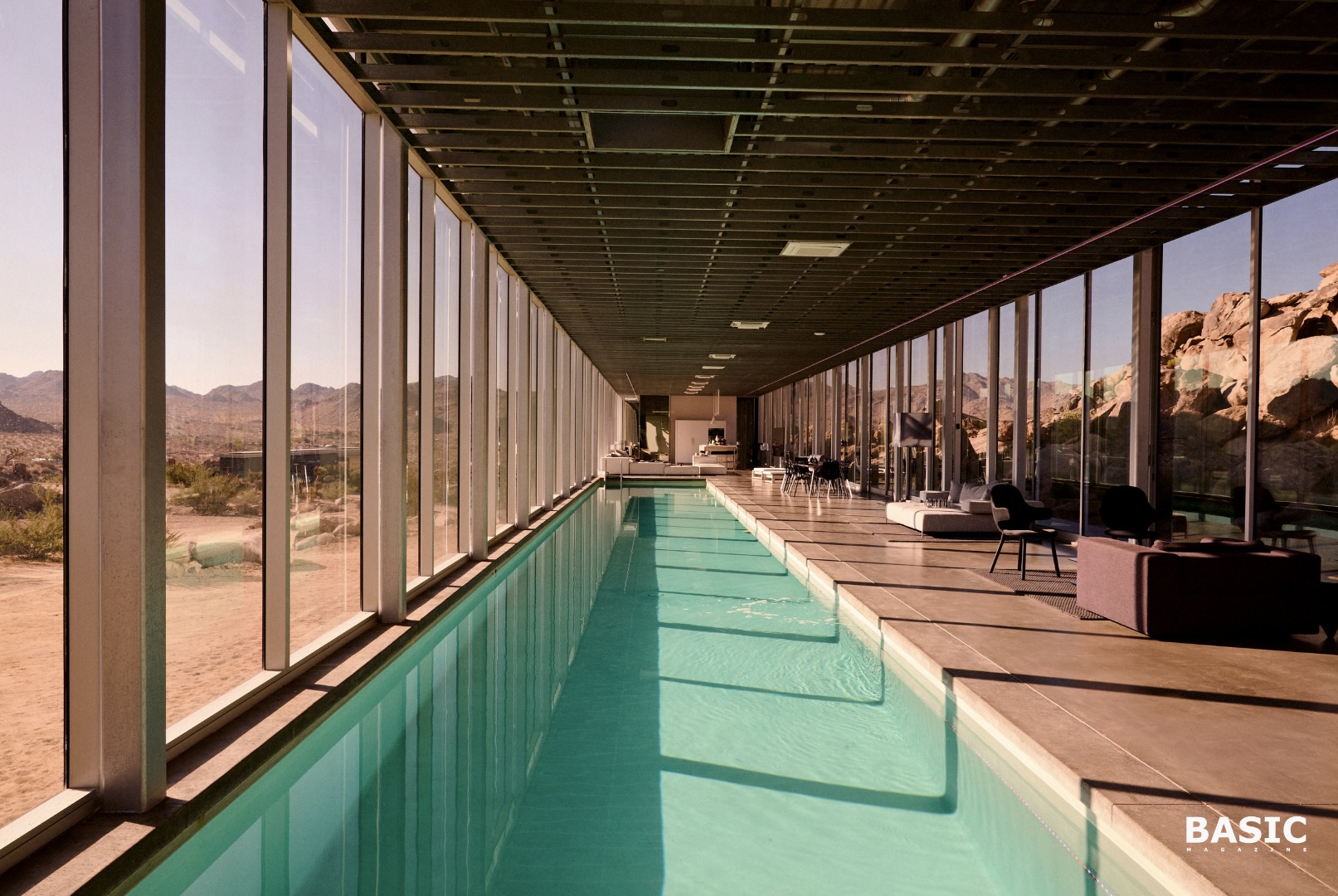
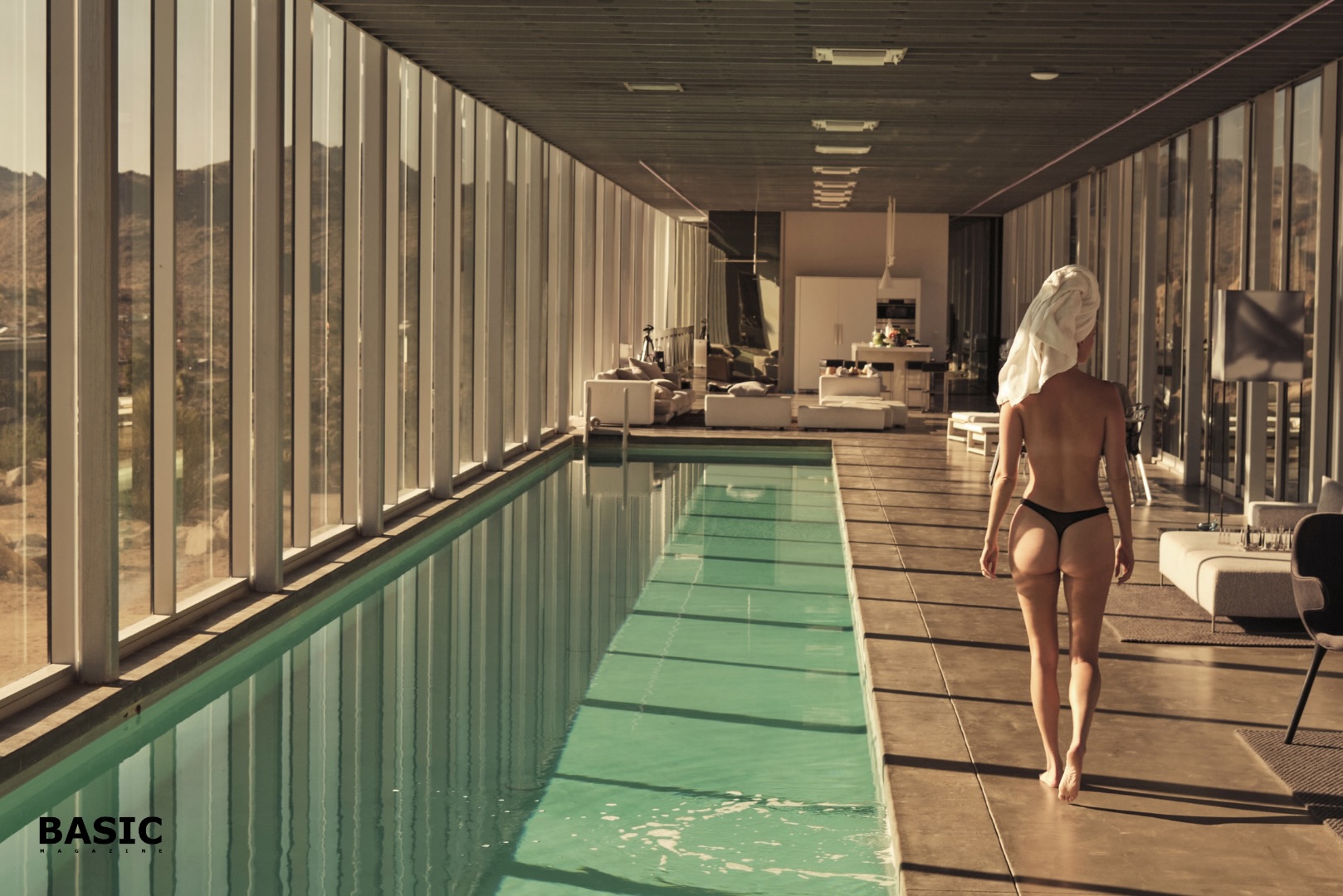
The 5,500-square-foot interior unfolds as one continuous living space, enclosed by floor-to-ceiling glass that spans from one end to the other. At the core, a 100-foot heated pool cuts directly through the main living area, doubling as both a focal point and a way to offset the dry desert air. Roberta kept the interiors minimal and tonal—primarily shades of grey—so the furnishings blend into the floor and pull the eye outward to the landscape beyond the windows. In the primary bedroom, a two-ton solid glass bed by Milan-based Santambrogio continues that same reserve in material and form. At night, the house changes character. The mirrored exterior gives way to a lit interior, turning the house into a glowing bar rising against rock and sky.
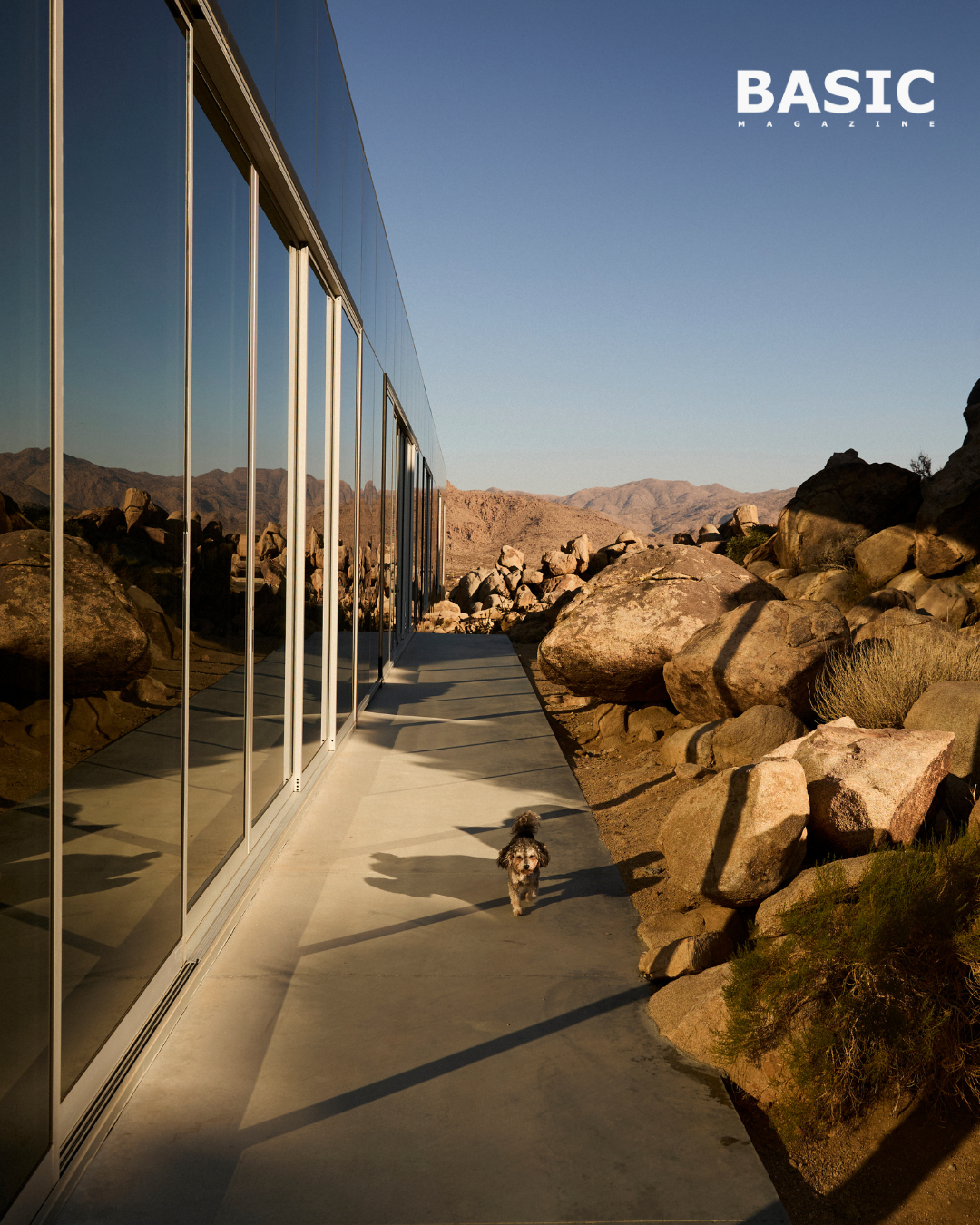
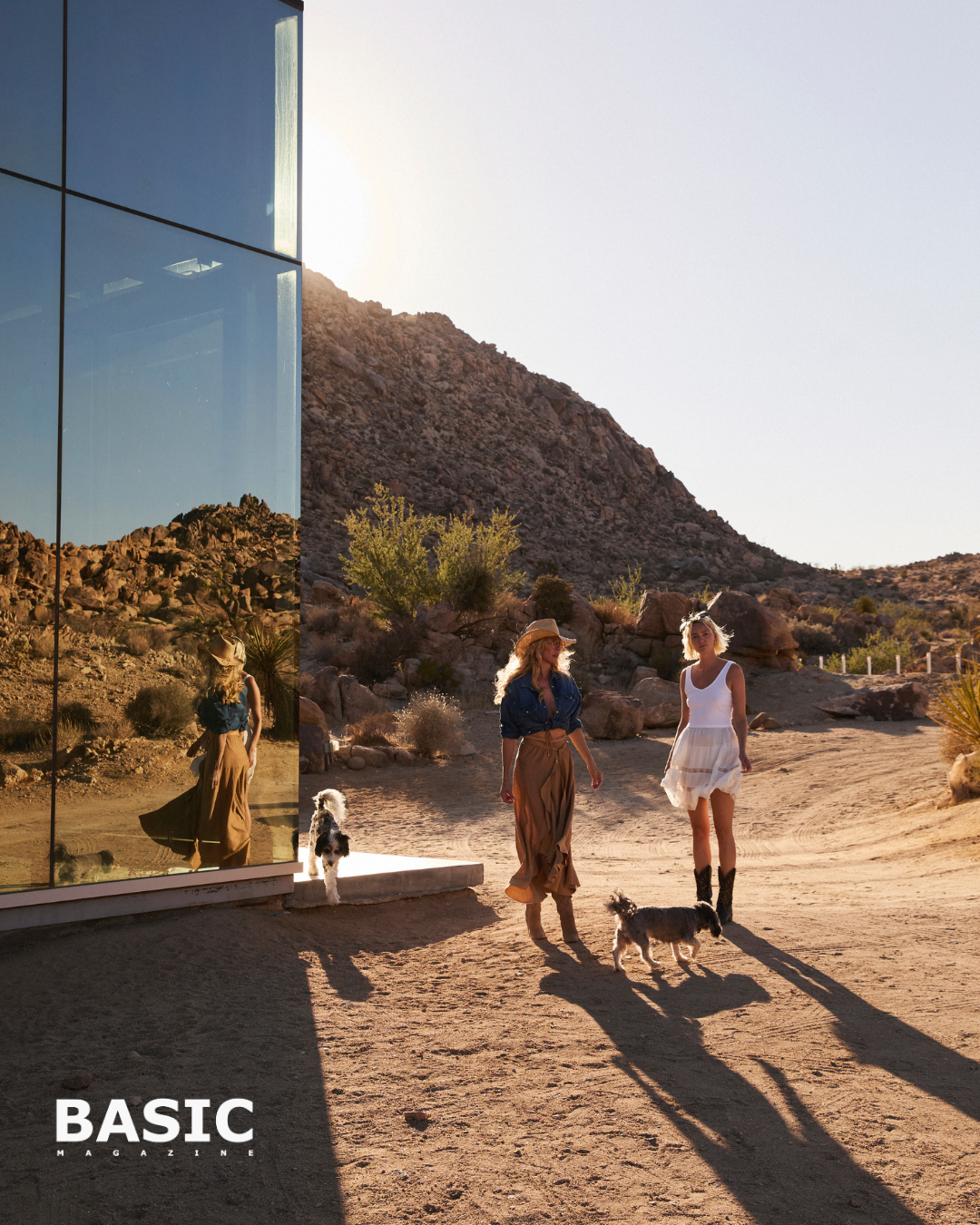
Despite its exposure, the house operates on a largely off-grid system. Solar power, thermal-regulating glass, and an insulated roof allow it to function in a climate that would otherwise make a structure like this difficult to live in for much of the year.
Sitting just outside the entrance to Joshua Tree National Park, the Invisible House remains close to the nearby community while still removed from it. The acreage allows for running, cycling, and horseback riding across the desert.
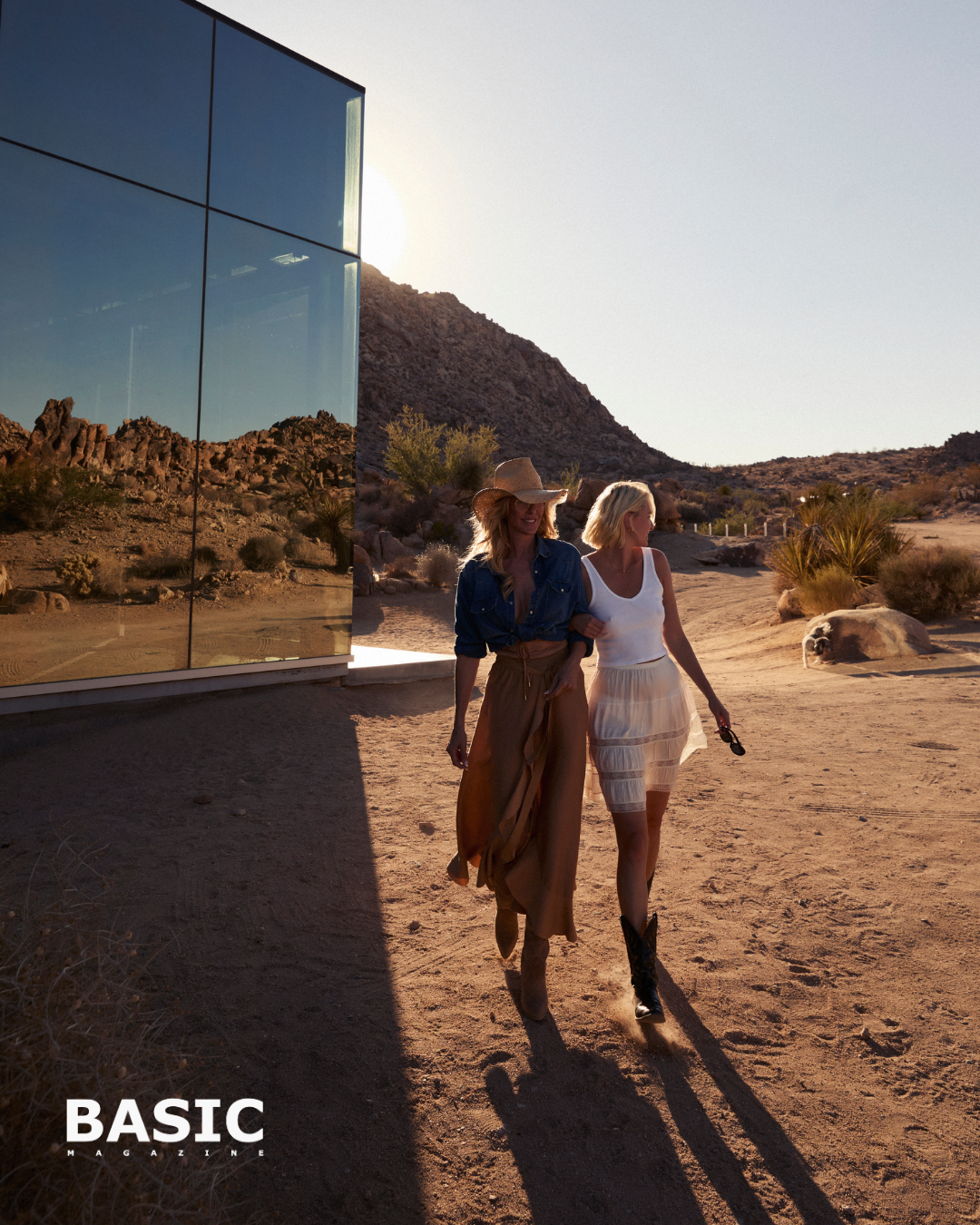
Over time, the property has become a frequent back- drop for image-making—fashion editorials, campaigns, and music videos—alongside a range of commercial and independent projects. Brands like Hermès and BMW have used the space, along with creative collaborators.