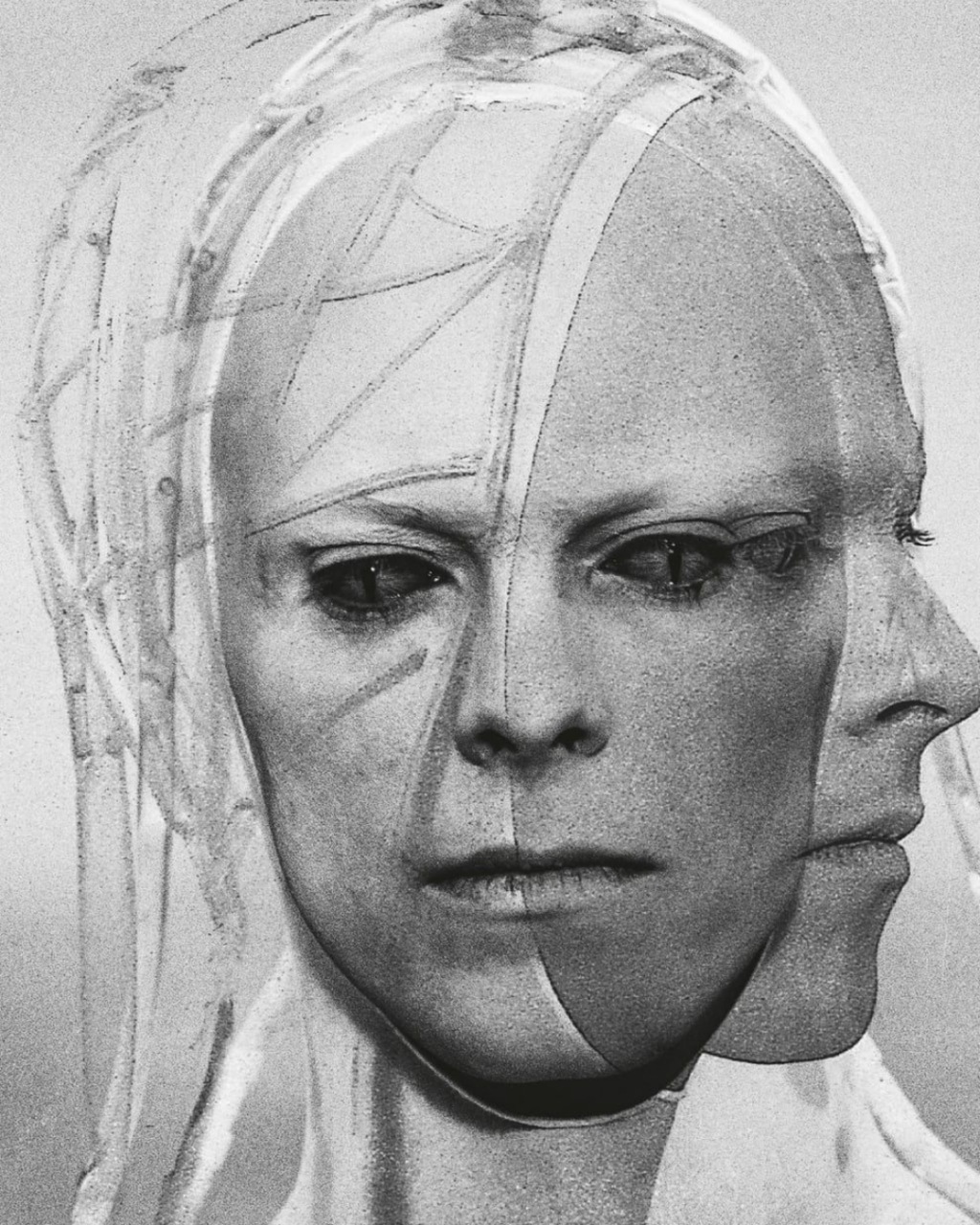
Behind David Bowie’s most iconic looks are stylists, designers, and artists that brought their vision together to develop his signature style and famous characters. He appeared in more than 30 films over the course of 50 years working in the industry. His looks left a lasting impact in fashion and film through his unique characters and ways of breaking out of gender norms. He tends to wear garments in unconventional ways showing how fashion develops into a story. Bowie incorporated many elements from his own style such as suits and colorful accessories. However, many costume designers added to his success as a fashion icon that altered society’s perspective on menswear.
The ManWho Fell to Earth
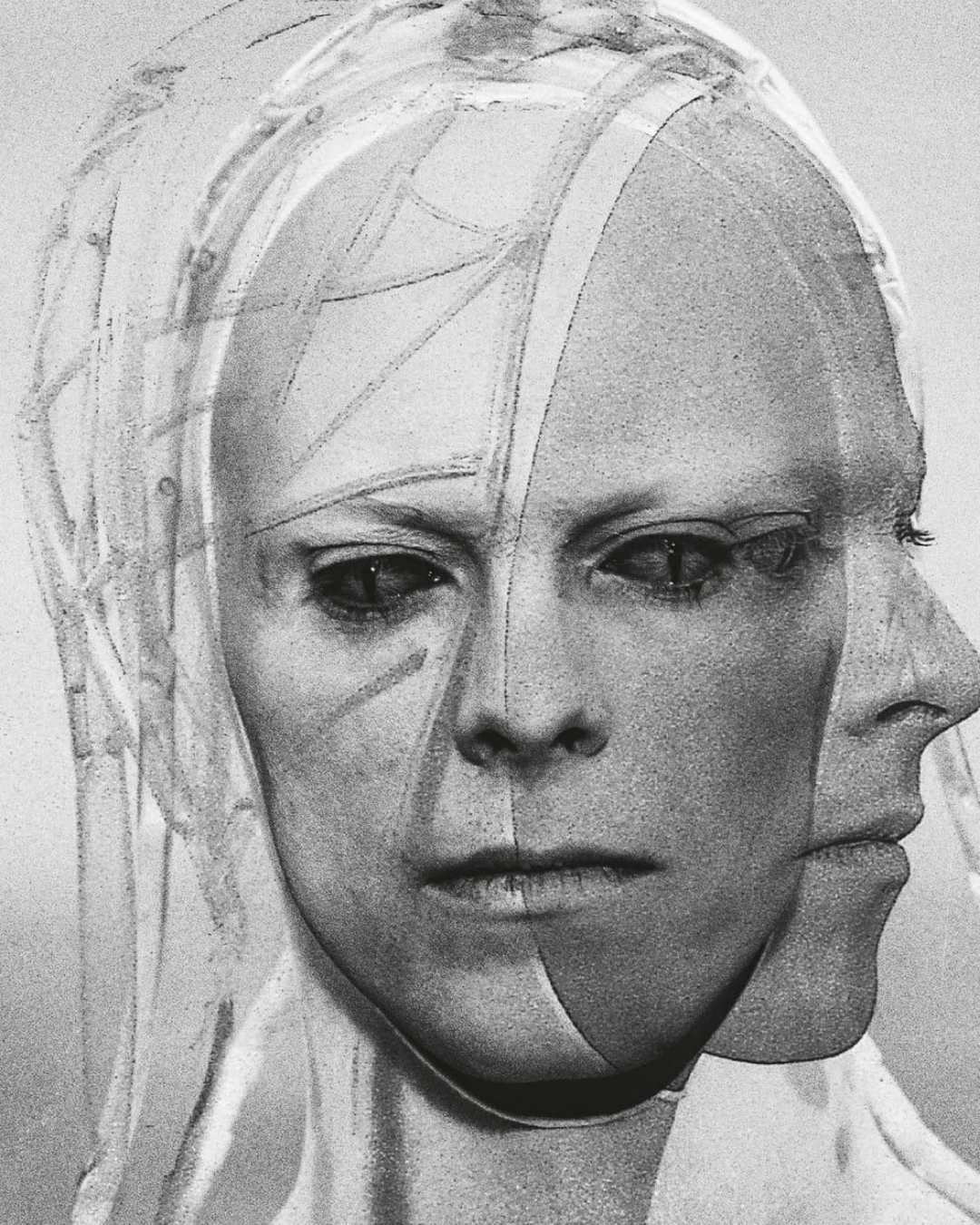
His 1976 film, The ManWho Fell to Earth, featured costume designer May Routh on her first official project. She earned a degree in Fashion from Central Saint Martens before starting her career as an illustrator for fashion magazines and later for designers. As her career continued, Routh helped assist costume designers on set before landing her first job as head of wardrobe. She used unconventional fabrics such as woven plastics, spun foam, lace, and tubing that needed to be glued together to create futuristic designs. Additionally, she designed all of his suits in the film purposely box like and lightweight to match the characters persona. May Routh thought through every angle of the character by making him dress in only soft materials as he was physically very fragile and needed clothing as protection. Due to Bowie’s size, she had to alter many garments from boys department clothing by utilizing darts to create his signature black suit that frequently appears throughout the film. This suit was made using silk that shined when light hit it, displaying a futuristic scifi feel while still keeping 40s fashion inspiration for the character. When Bowie was in his alien costume, she worked closely with the makeup department to blend the costume into his skin. Occasionally, David Bowie is seen wearing button up shirts from Viyella, which he specifically requested. He was very involved in the costume selection process and wanted very simple outfits for his character, Newton.
Labyrinth
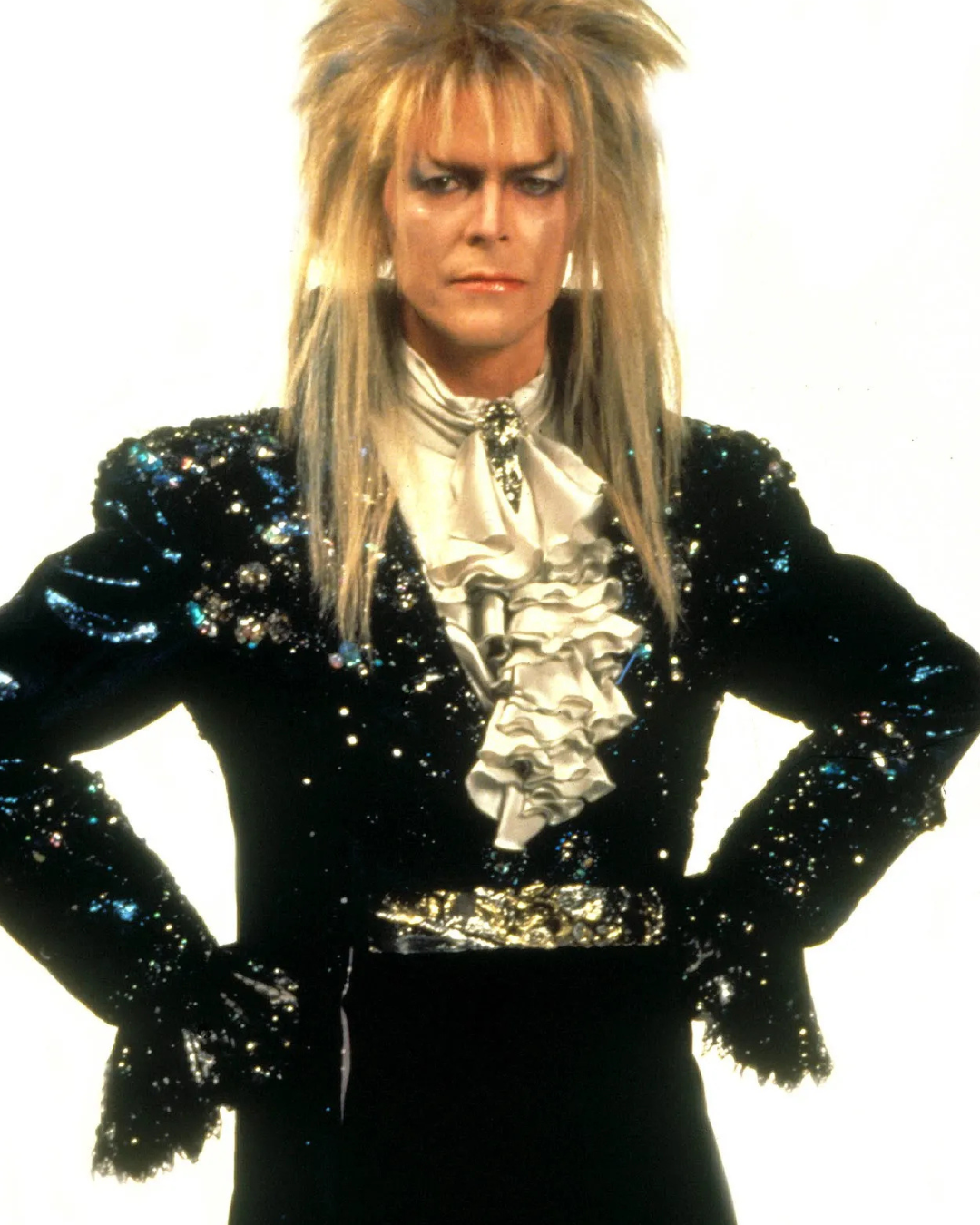
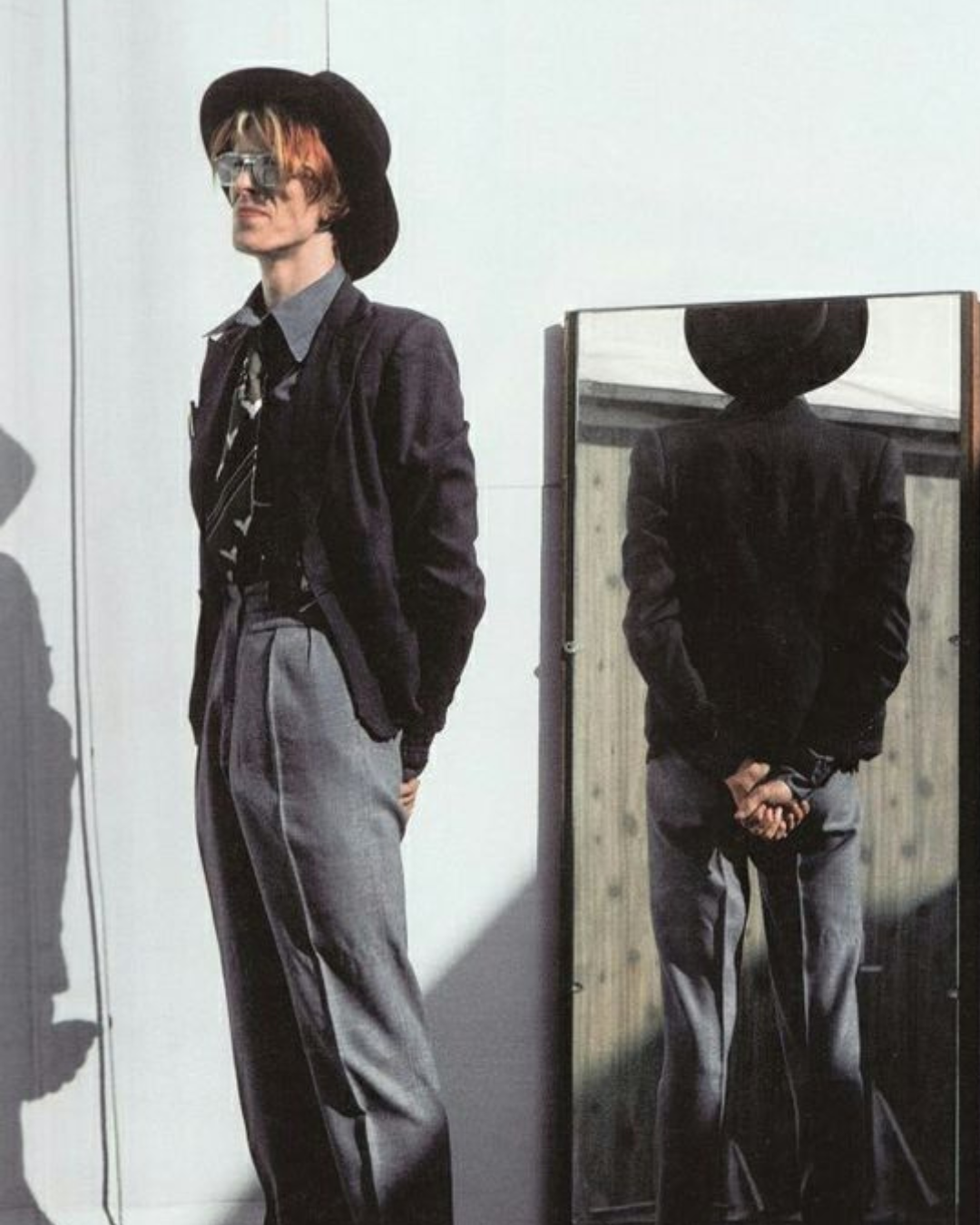
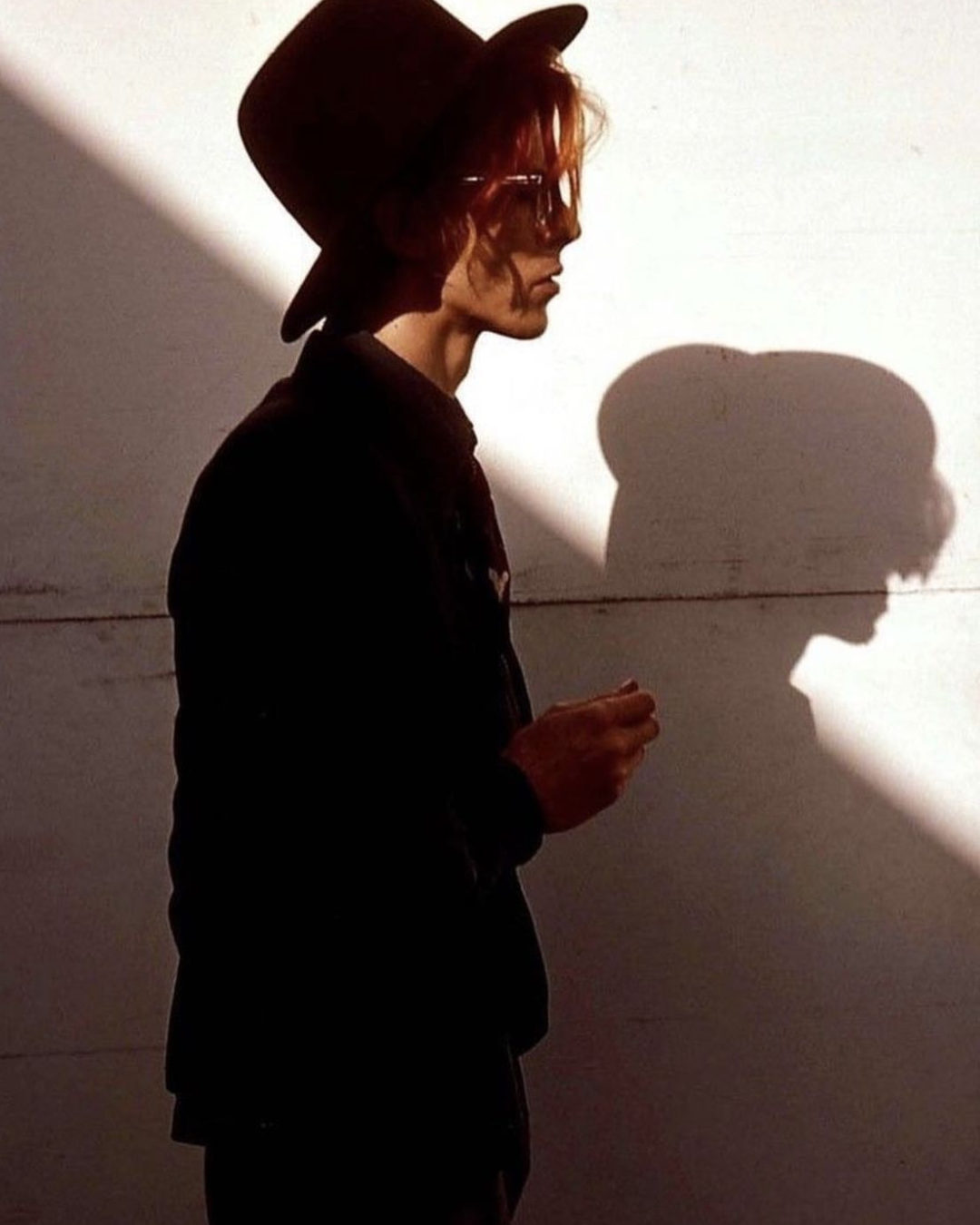
In 1986, Labyrinth was released with unique costumes that transformed into a different fantasy world. This film featured costume designers Brian Fround for puppet garments and Ellis Flyte for human garments, however they worked closely together often with Fround drawing concept sketches and Flyte interpreting them in her own way. The first costumes they designed were for the masquerade ball scene. They were given mostly full creative freedom, allowing her to play around with different fabric finishes and use dust spray to give garments a more lived in effect. Together they created some of David Bowie’s most famous costumes by utilizing layers, leather, printing, and hand sewn ornaments. Many of his costumes were made with the same pattern in different colors and slight alterations. The film had a team of patternmakers, sewing technicians, and jewelry designers that all collaborated with the costume department. All of Bowie’s costumes in this film were designed to make him seem dangerous, but also intriguing and a pop star. The costume team focused on creating a codpiece that looked natural in both leather pants and elastic tights. Gemstones were used on jacket collars to make his character be portrayed as expensive and royalty.
The Hunger
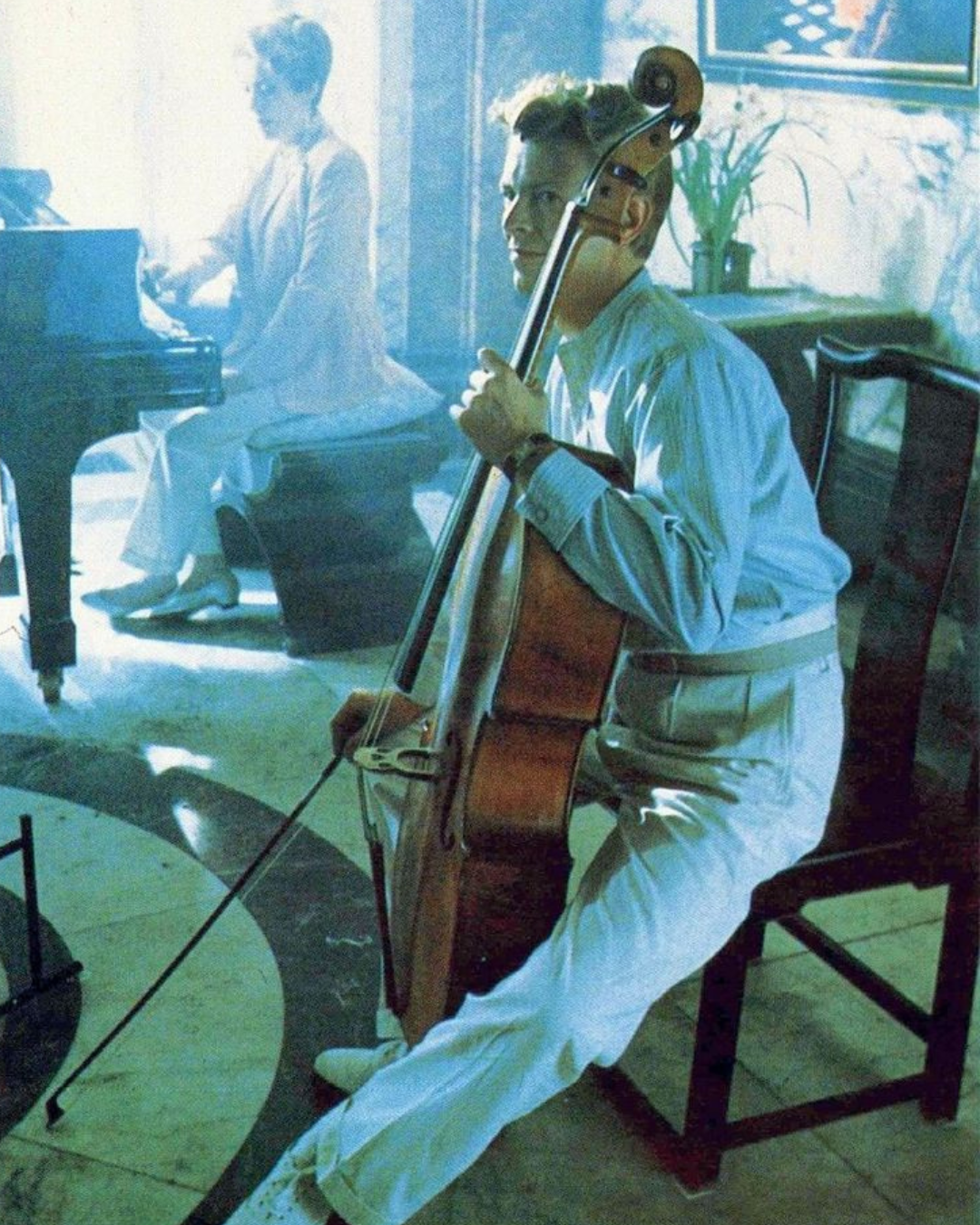
The Hunger, released in 1983 had costumes designed by academy award winner Milena Canonero. Her designs followed true 80s fashion with large shoulder pads to accentuate silhouettes, while staying true to the vampire themes throughout the film. However, for David Bowie’s character, she uses vintage inspiration from early 40s films and focuses on him only wearing black or white. They featured gothic inspiration using fabrics such as sheers, leather, and fishnet gloves. However as the film continues, his outfits fade to become less dark and more humanistic reflecting his immortal life. The film had many Bauhaus and art deco elements from color blocking to uncanny silhouettes that blended the set into the actors making the movie connect to classical art elements. The film was set during the contemporary era, which played a major factor when designing costumes. During filming Canonero sources a handkerchief from Rome to sit in a pocket for one of Bowi’s costumes. David Bowie’s character, John Blaylock, inspired fashion for decades following the film, leading to one of Alexander McQueen’s most famous collections named after the film for Spring/Summer 1996 making goth fashion mainstream.
The Linguine Incident
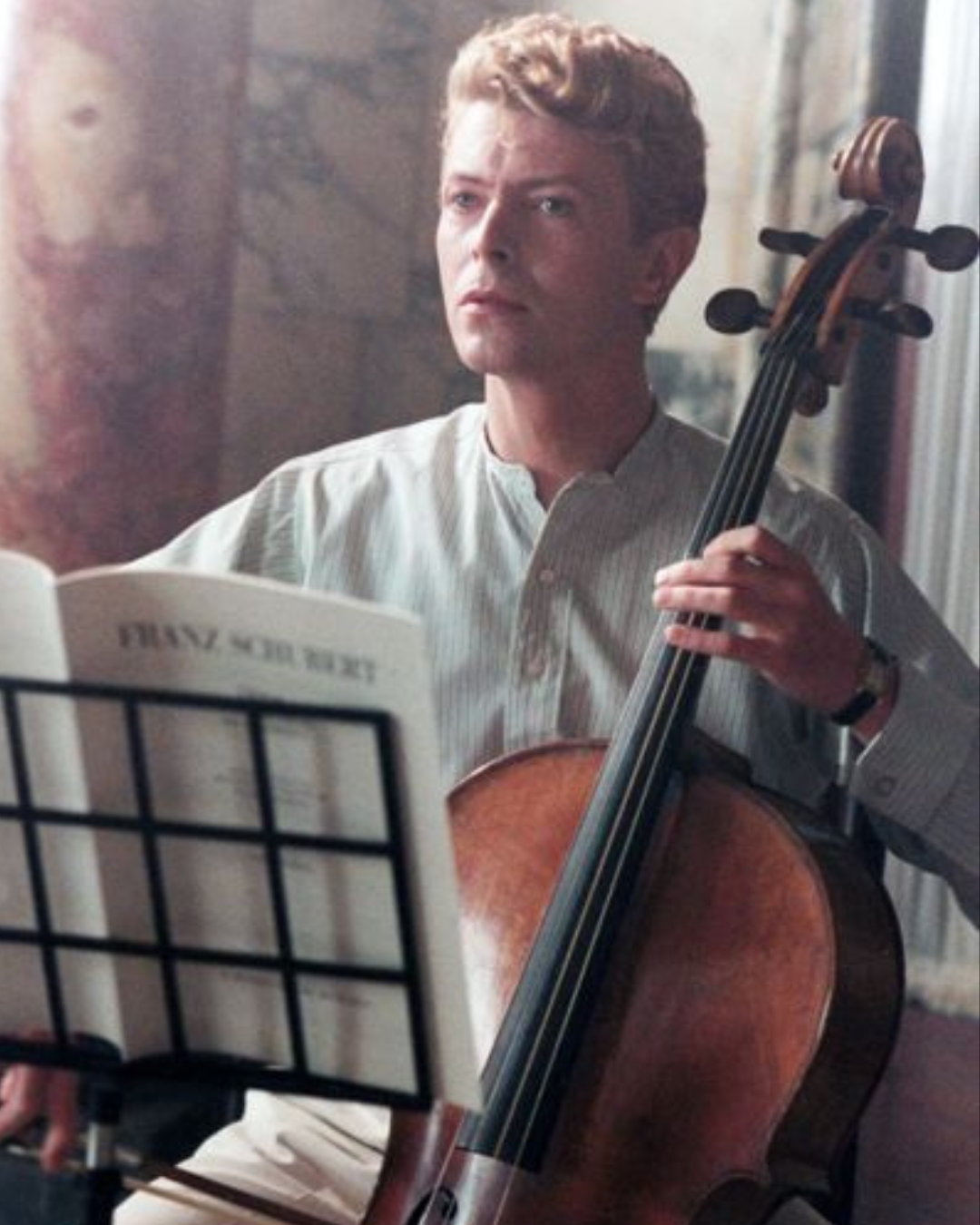
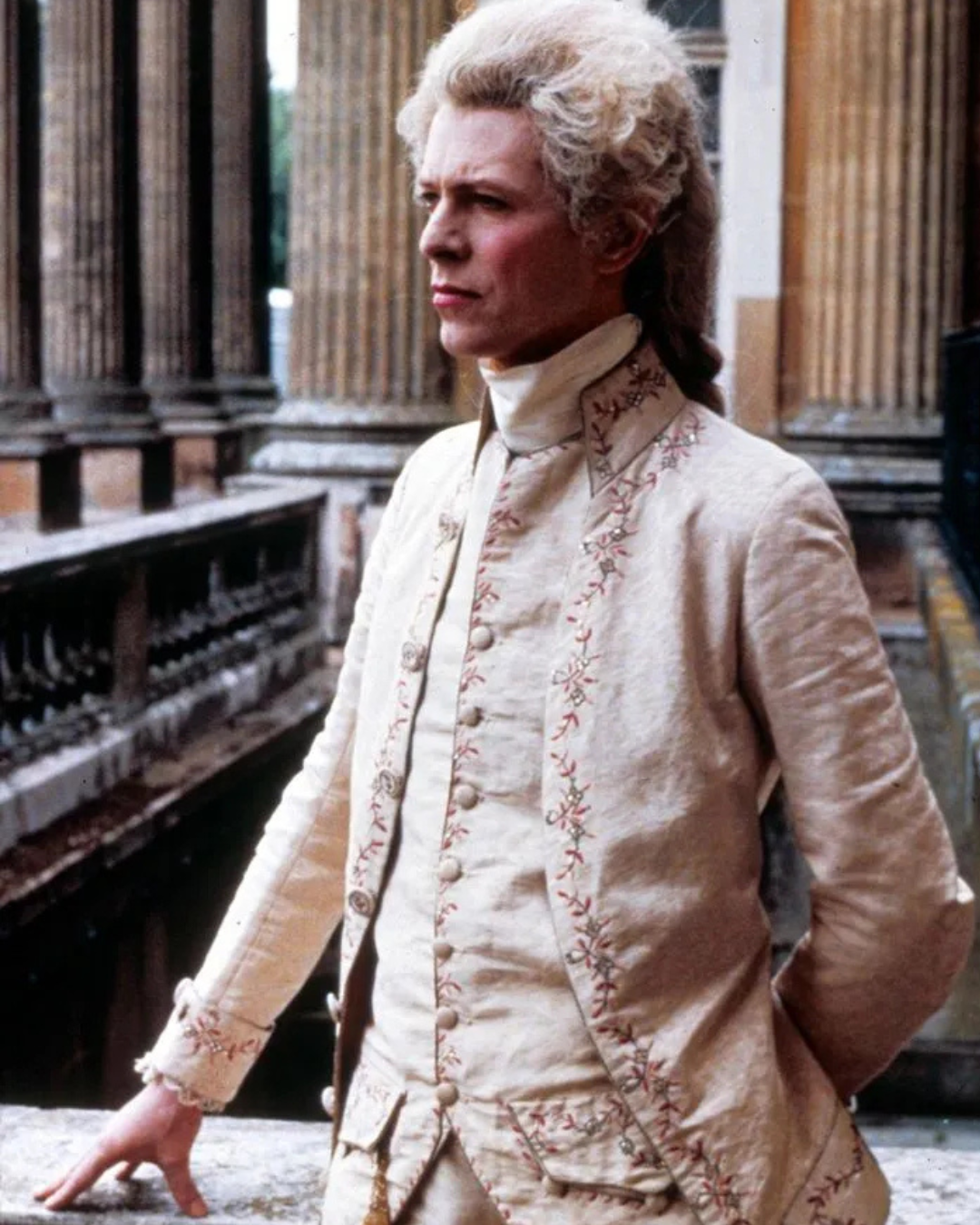
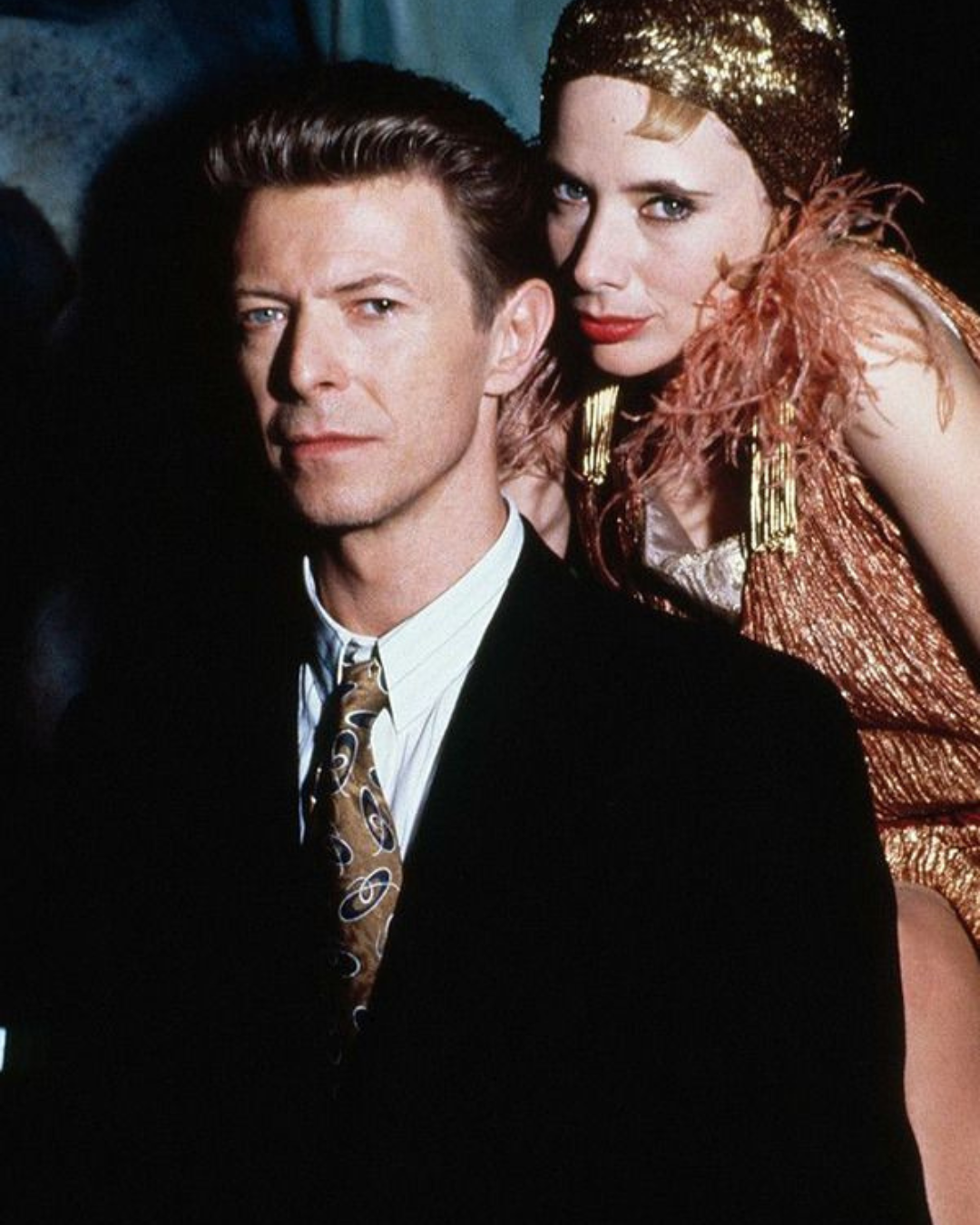
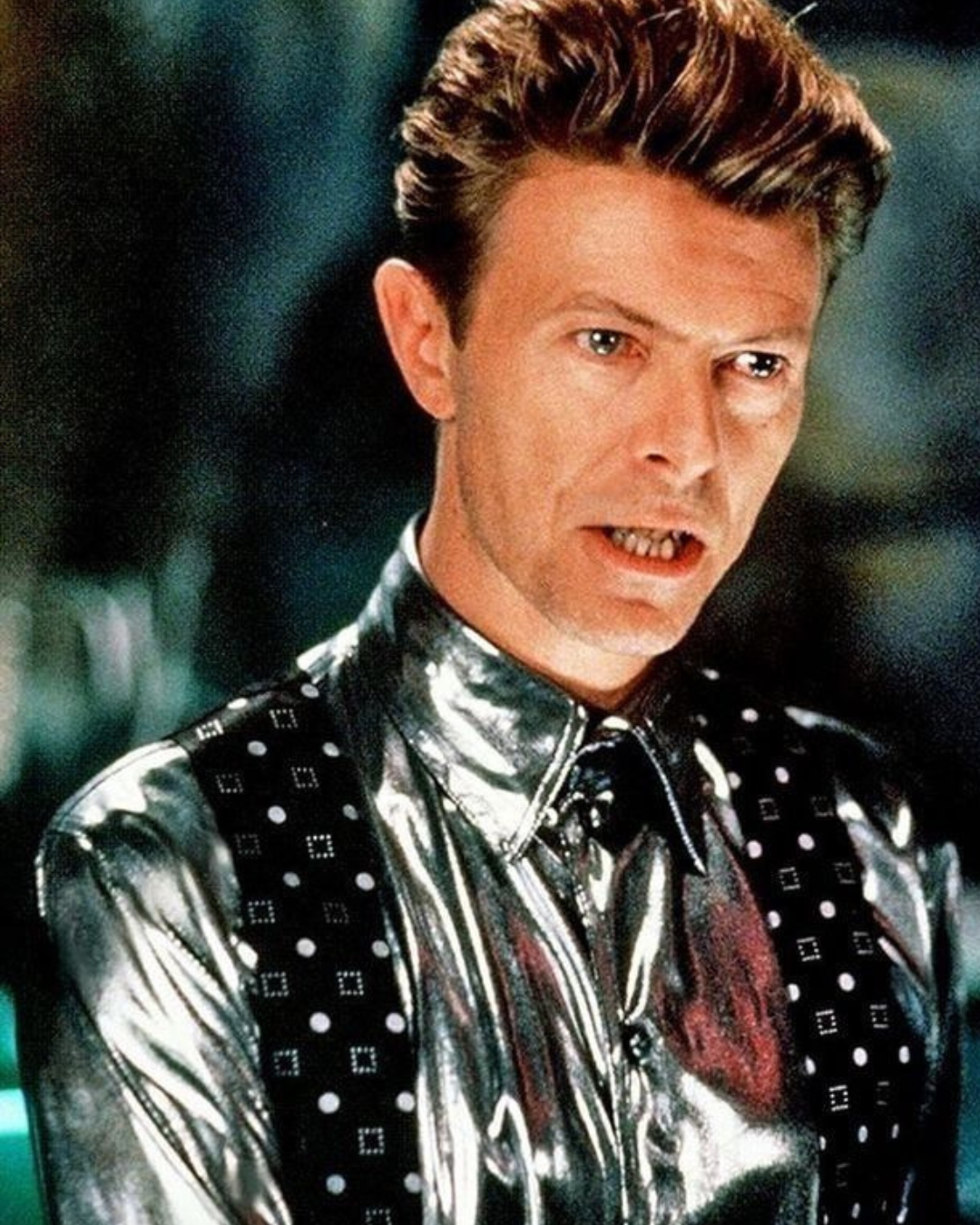
The Linguine Incident from 1991 had costumes developed by Richard V on Ernst with Karen Keech-Swerling as wardrobe supervisor. Richard V on Ernst preferred a more curated wardrobe rather than a theatrical approach. The film takes place in New York drawing clothing inspiration from the 1920s-30s, magicians, and old Hollywood style. The latex silver costumes worn by the cast reflected trending restaurants of the time, with David Bowie following his signature style of perfectly tailored coats and jackets showing how he brought his own style into his characters. The film blended together modern fashion for the time by incorporating the transition from 80s maximalism to 90s minimalistic movement. Bowie’s character has a polished yet unreadable style. While the costumes for this film had specific eras of inspiration, they avoid trend heavy styling. Many fashion houses helped supply garments for this film including Dolce and Gabbana and Betsy Johnson.
Zoolanders
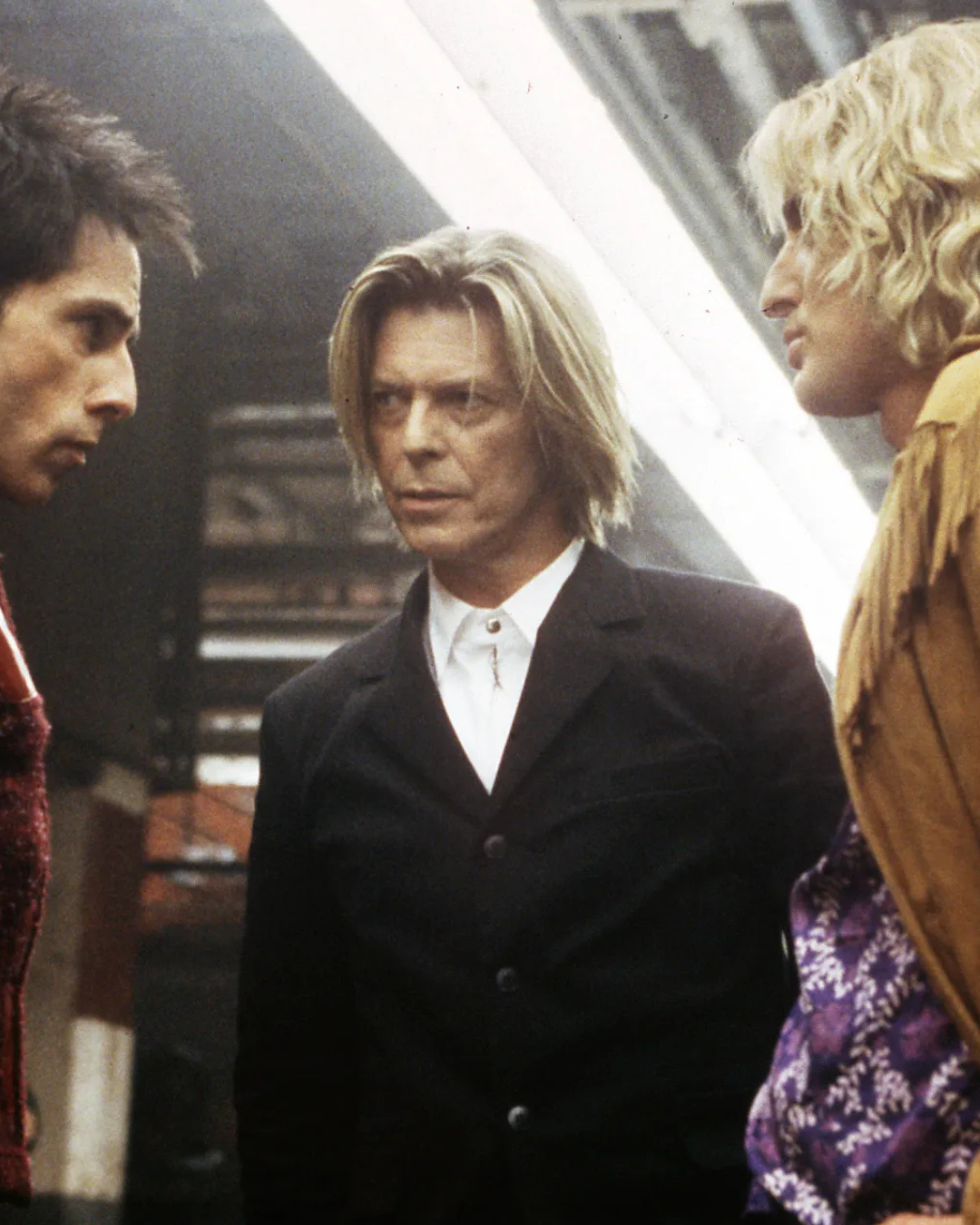
Zoolanders was released to theaters in 2001 with David Bowie making a featured cameo that still represented his fashion forward style. David C. Robinson was the lead costume designer, however the suit Bowie wears is from his own wardrobe. He worked closely with the writers of the film to adjust his lines and character look to represent the maturity and development throughout his career. The film shows him wearing a classic black suit with a silver pendant. His costume felt authentic to not only to the character, but Bowie himself as he favored tailoring and precision. While his character in this film’s costume remained simple, the film as an entity remained artistic and colorful like most of the films he was a part of.
Throughout his roles, David Bowie remained a strong sense of self and that proved his cinematic costumes were never truly just costumes to him. He worked closely with many other artists who helped him develop his own sense of style and bring a creative angle to his characters. From unconventional and futuristic costumes in The ManWho Fell to Earth to one of his most famous movies, Labyrinth, Bowie helped represent fashion in a way that had never been done before. The films he was a part of all included artistic elements, representing his passion as a performer and helped grow what men’s fashion is today. It left a visual legacy for styling and film making that influenced designers and pop culture.
Words by Kailani Fountaine @kailanifountaine