Haochen He is an architectural designer currently working at a large international design firm specializing in sports and venue projects. He received his Bachelor of Architecture from Cornell University. Alongside his professional role, he also pursues work in fine art, photography, and writing. His architectural, art, photography, and writing projects have been recognized through international recognitions. He continues to develop these four areas in parallel, allowing them to inform and enrich one another.
In his professional career, Haochen He is part of design teams working on large-scale sports venues, particularly major NFL stadium projects, focusing on creating transformative and community-driven spaces. Outside of this primary practice, he dedicates time to independent explorations, including conceptual architectural design, installation art, illustration, and photography. These personal projects allow him to experiment with materiality, narrative, and cultural expression, extending architectural thinking into broader artistic and creative contexts.
Why this medium—what does it let you do that others don’t?
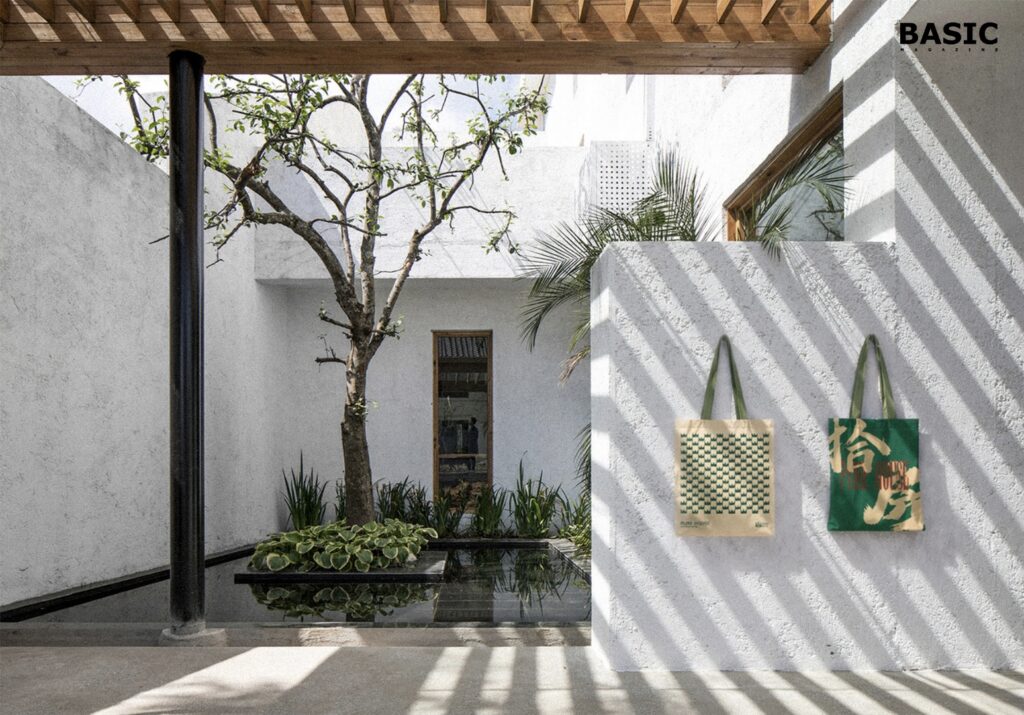
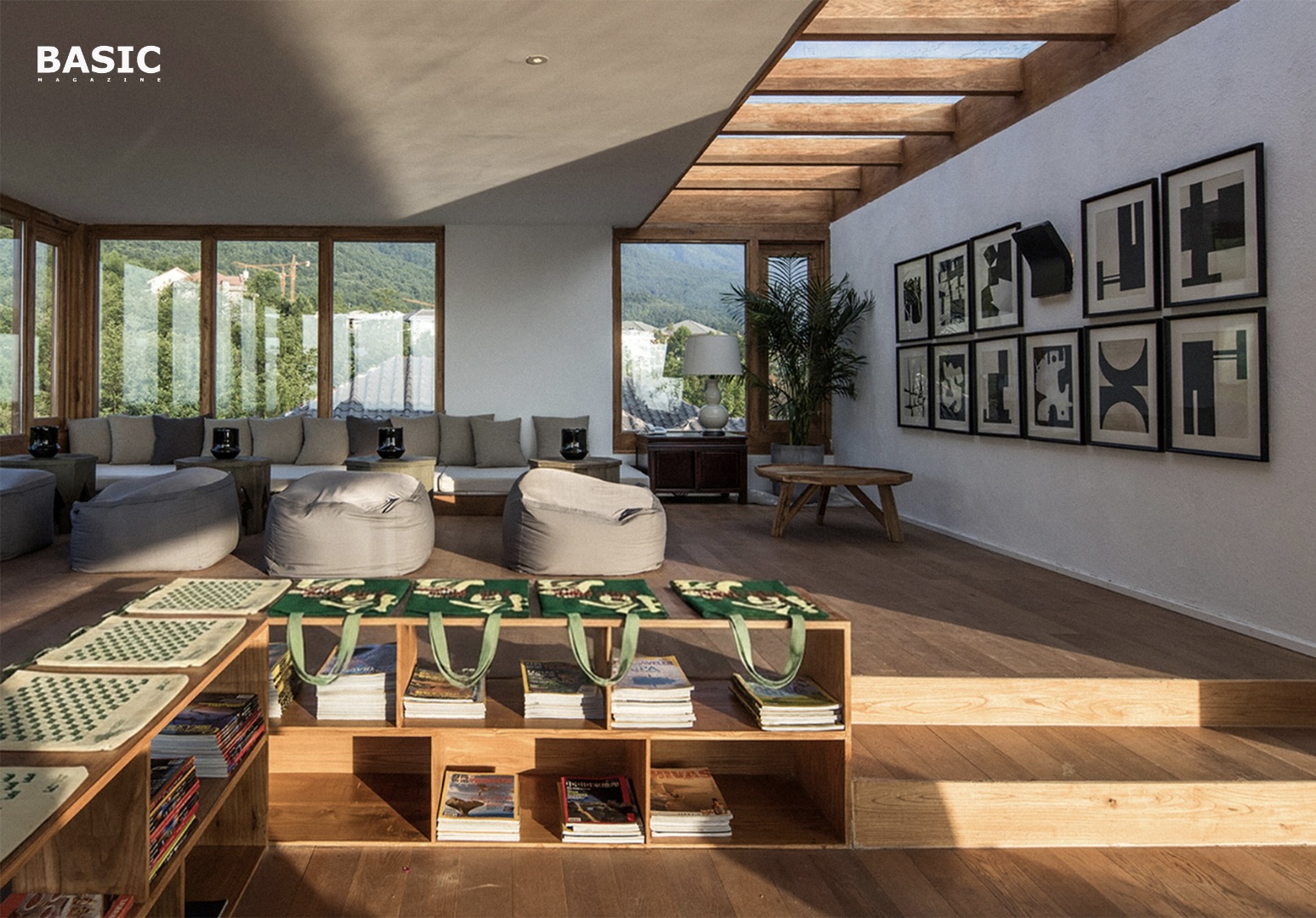
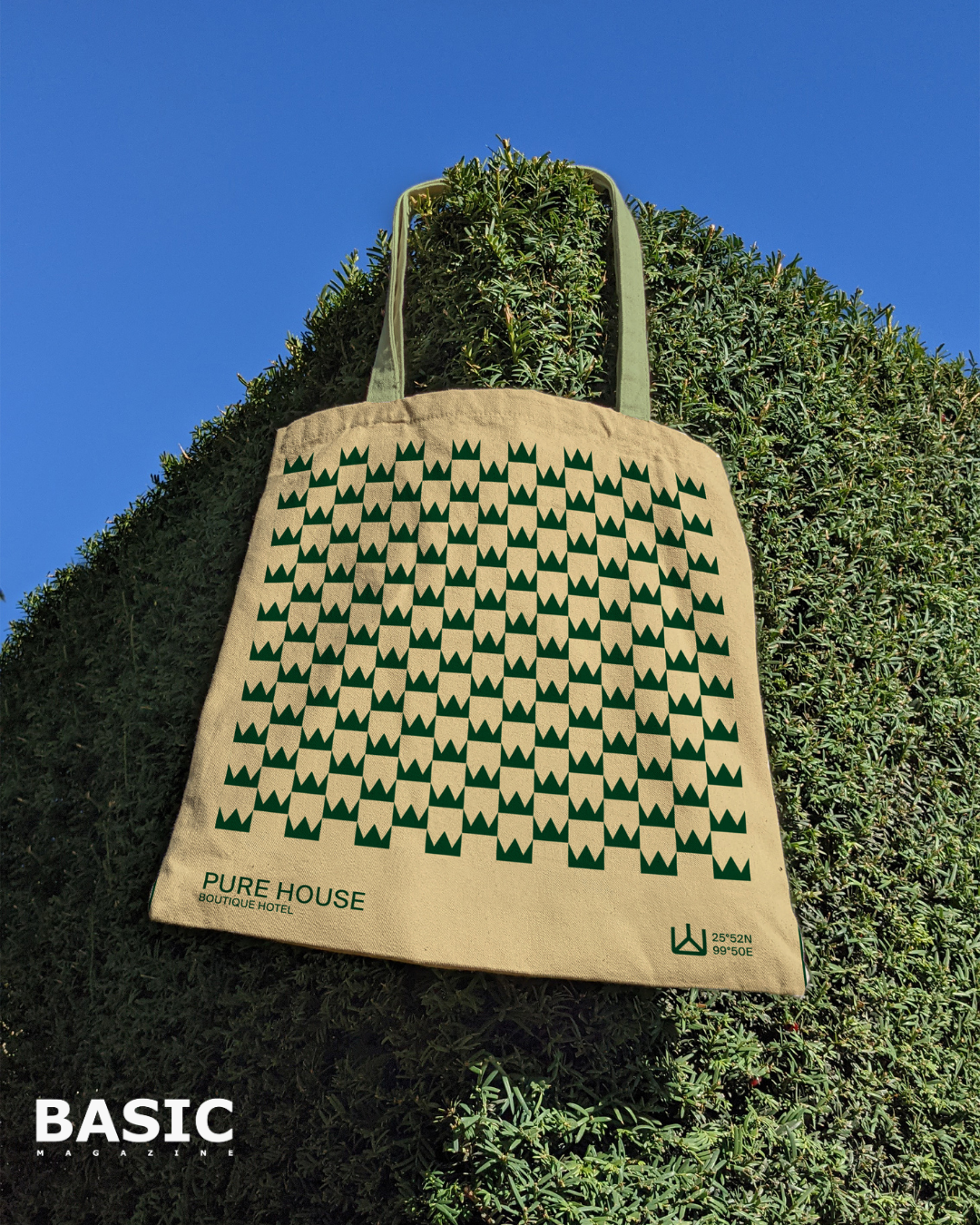
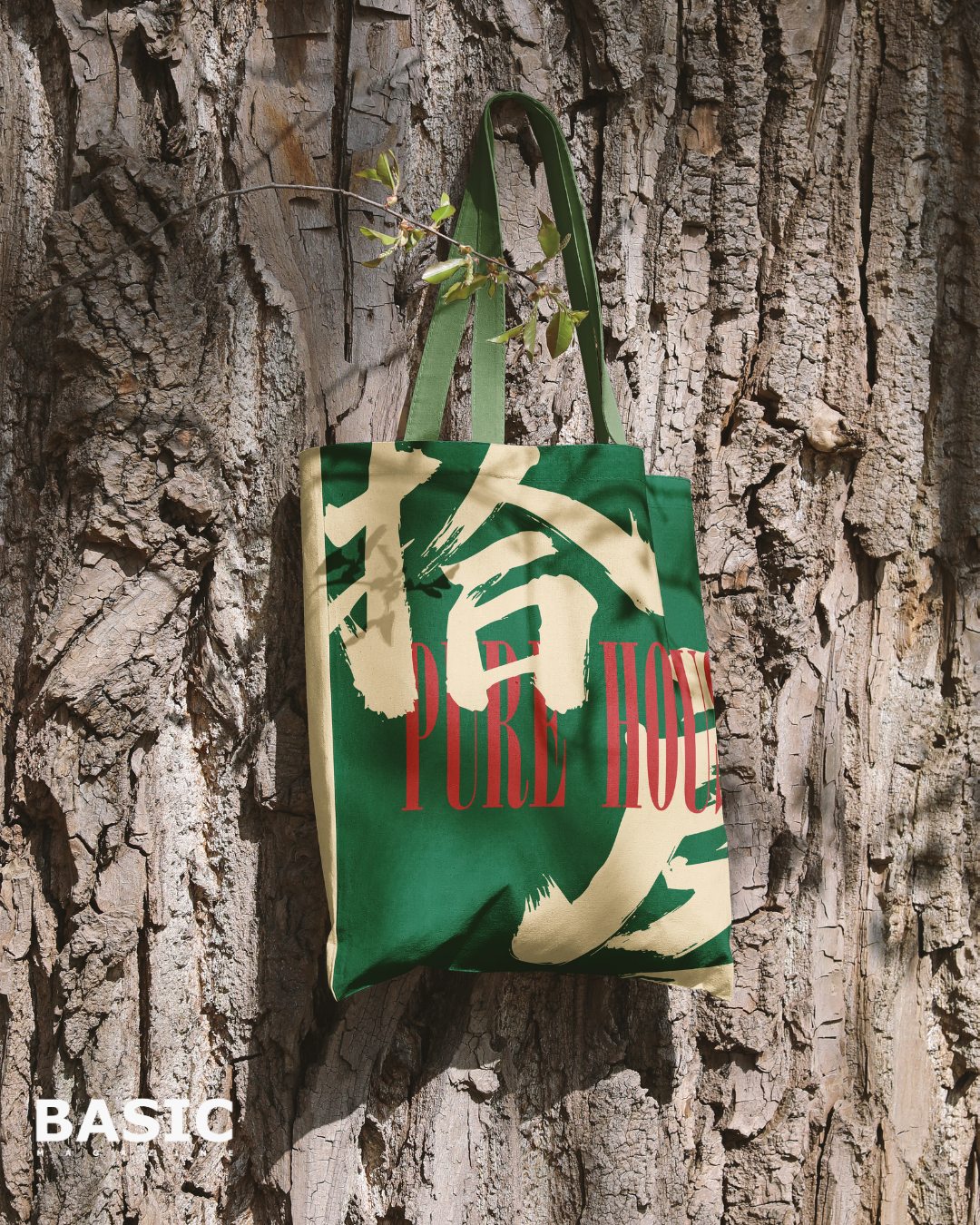
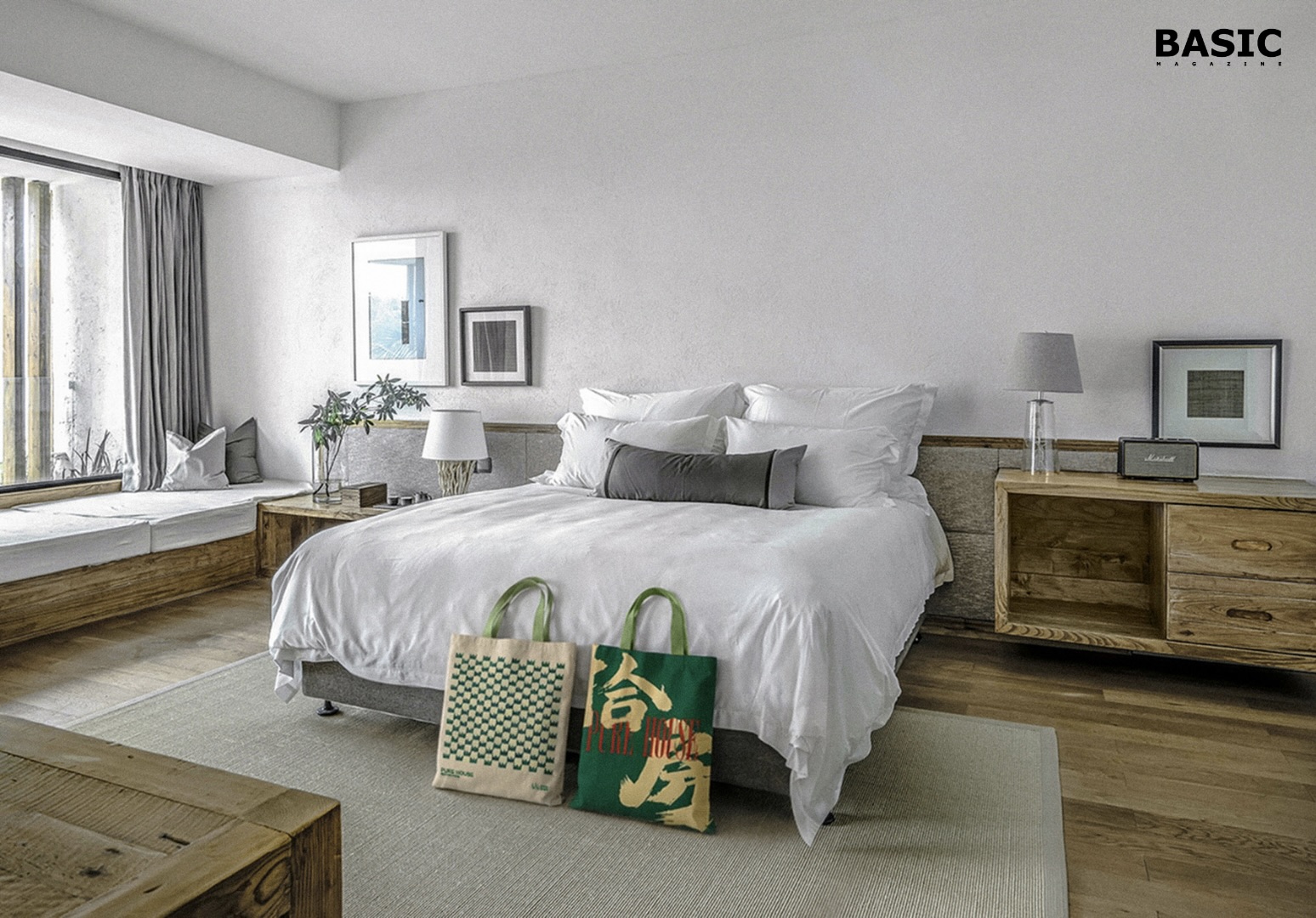
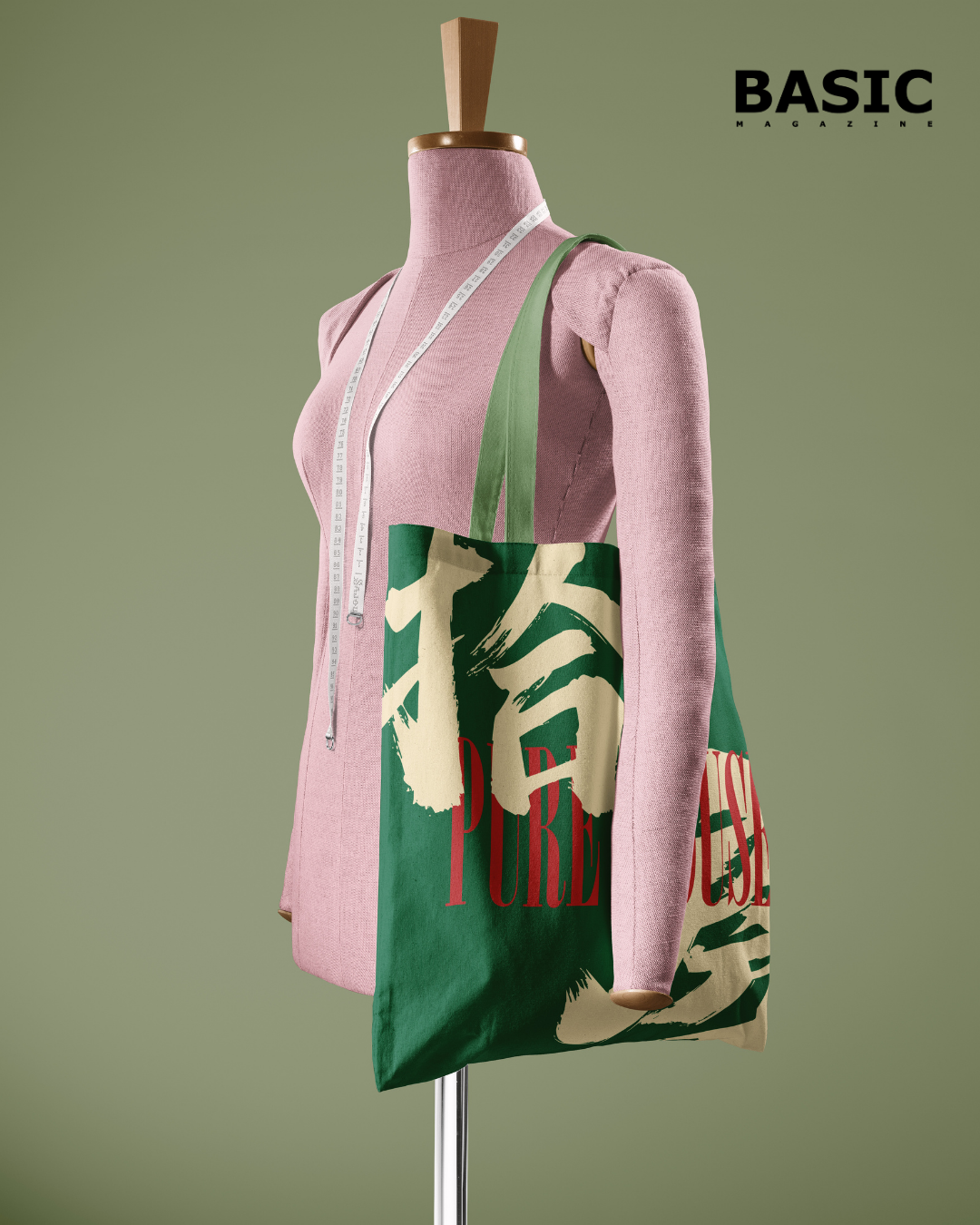
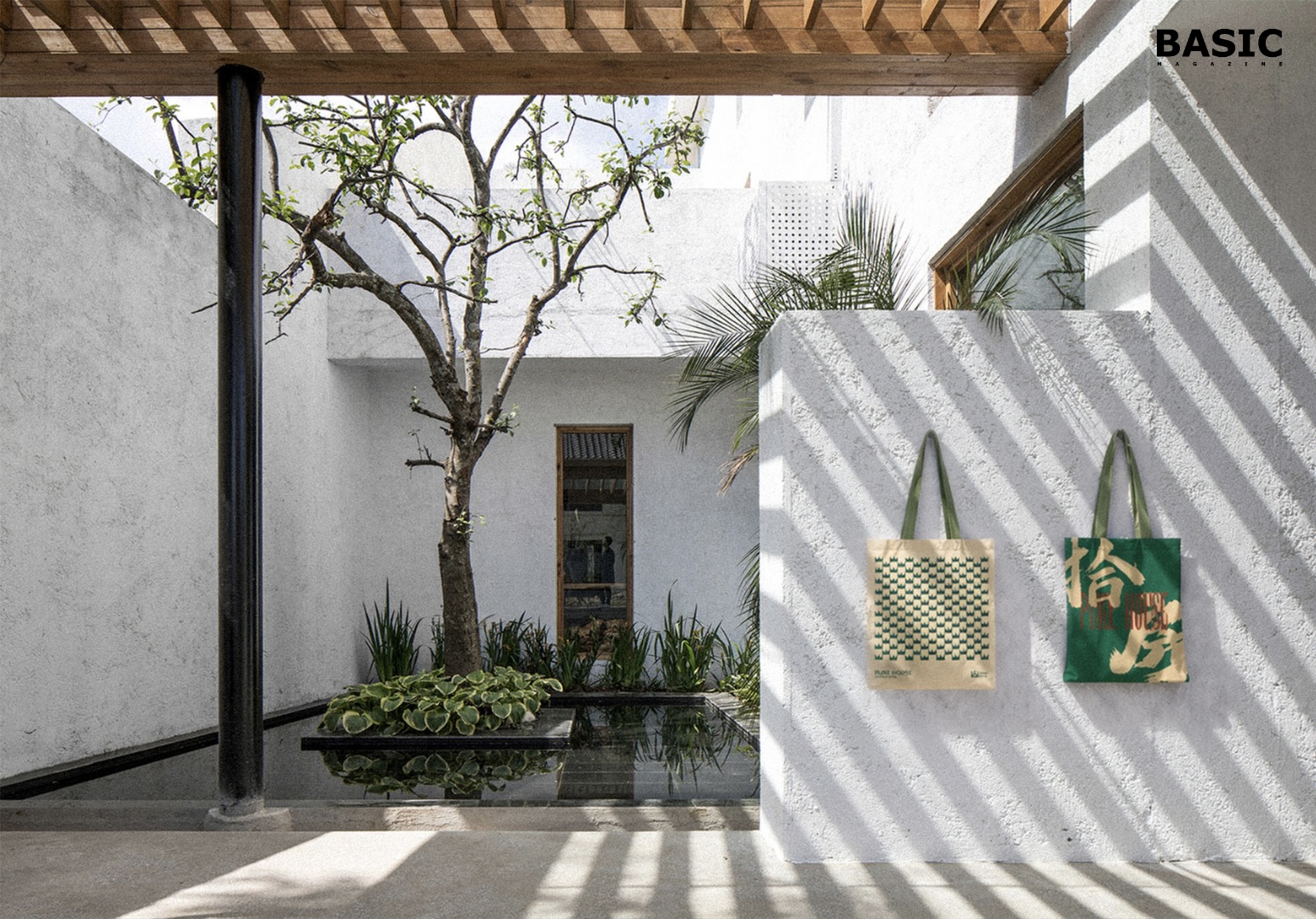
It is a canvas tote bag, so both the canvas itself and the bag become part of the medium. Carrying the Silence of Cangshan Mountain, designed for the boutique hotel brand Pure House, reflects the same peacefulness and close relation- ship with nature found throughout the hotel. It is restrained and introspective, creating a sense of calmness and distance inspired by the mountains and lake surrounding the hotel. The matte finish of the canvas helps the bag stay humble by absorbing light and maintaining a relatively raw quality aligned with the spirit of the hotel. The use of a bag as merchandise and a gift to guests is also significant. It can be actively integrated into daily life rather than observed passively. By being used every day, the tote promotes the lifestyle itself.
What are you actually trying to do with your work right now?
As an architectural designer who works across different disciplines, I want to shift the design focus of this project toward human experience. I started to notice that in many designs on the market, from architecture to product design to fashion, what gives the audience a first impression is the visual effect of the design. It guides many designers to design for the image and for what looks cool. Personally, I am guiding myself to care more about experience—how we use a design, what it feels like to the touch, and how that feeling changes over time. This experiment helps me get back to the essence of being a designer and an architectural designer.
What feels non-negotiable in your practice?
Everything needs to be grounded in its context. This is my credo in my design practice. No design can stand alone—it may appear to, but it will collapse. I do not want to step outside of context to create something. Each piece of architecture has a dialogue with its surroundings, whether in a positive or critical manner; each piece of clothing or accessory has a dialogue with its cultural or social context. This happens in my professional work as an architectural designer of NFL stadia: each stadium is born from a different city and cultural background, yet all of them serve as anchor points that draw people together. These characteristics form the context and identity of the work.
What’s been shaping your thinking lately, even if it’s not directly visible in the art?
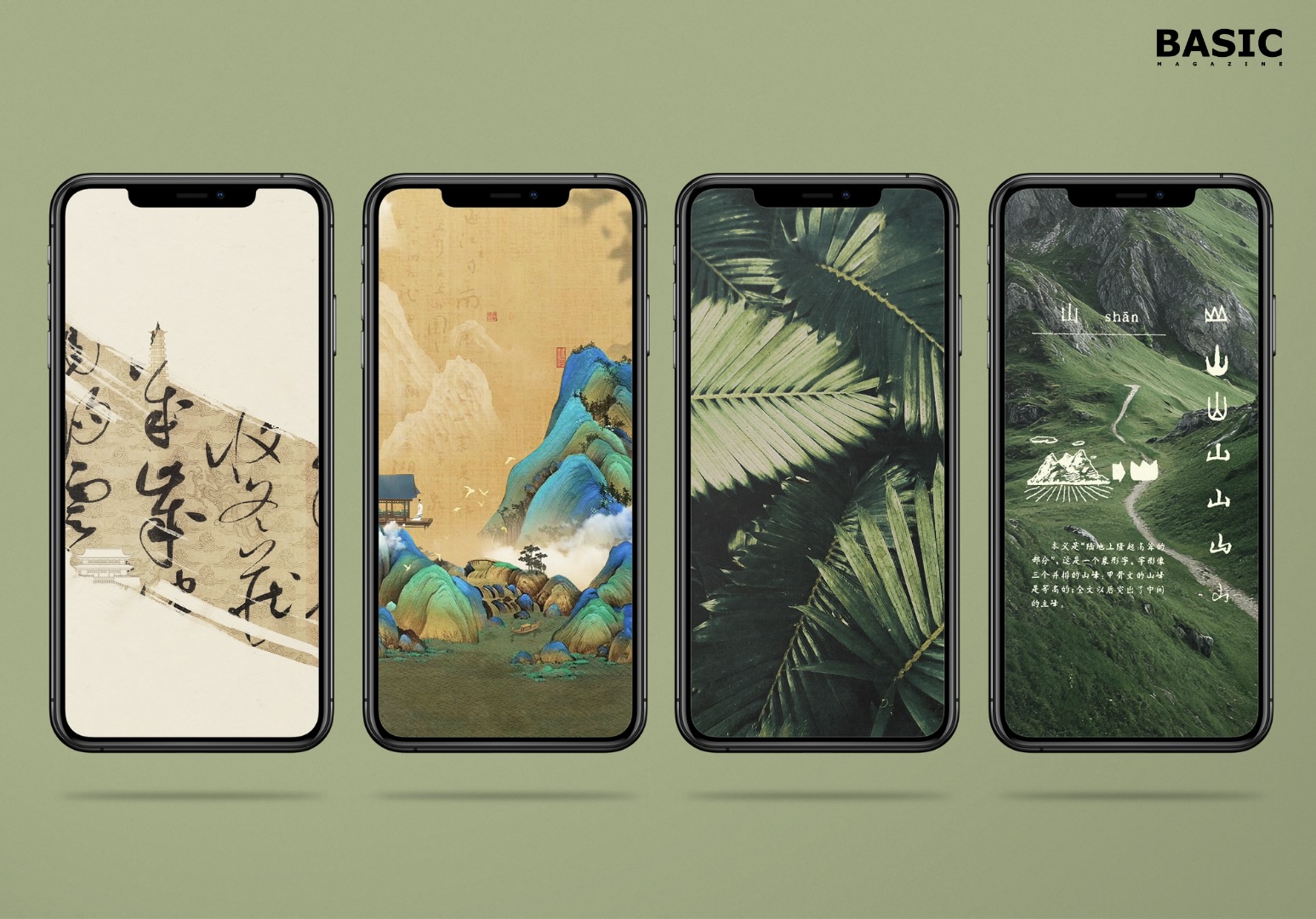
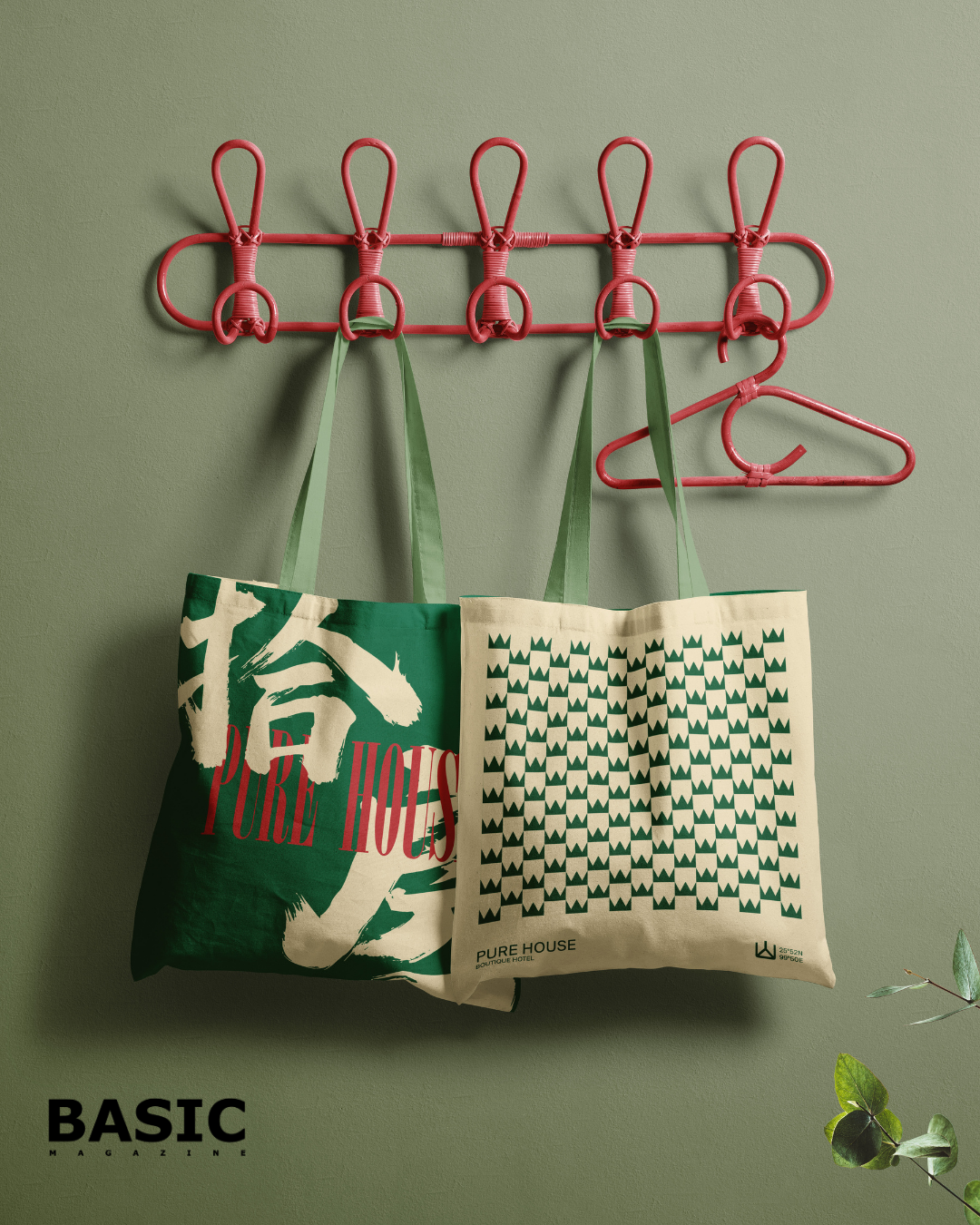
During the past year, I’ve been watching documentaries about Huiyin Lin and Sicheng Liang, two Chinese architects and scholars who worked on the restoration and preservation of ancient architecture in the last century. I realized I was influenced by their preservation methodology. Their work often consists of documentation, surveying, and analysis rather than renovating something to look new or restoring it simply to match its original appearance. I started to think about understanding structure and logic first, and then deciding whether to intervene. In the design of the tote, I extracted structural elements from the concept of ‘mountains’ and from existing cultural contexts, and re- interpreted them. Rather than treating the tote as a surface for graphics, I asked what kind of expression the medium is best suited to convey. I prefer working with the medium.
What do you think your work reveals about you that you didn’t intend?
I’ve mentioned that I believe each work responds to its context. At first, I considered myself a designer who relied purely on context. Looking back, what I was doing was a process of selection. Context is open-ended; it is impossible to fully incorporate it into a design. I have to determine which relationships are significant and which can be disregarded.
In this project, I did not directly use imagery of mountains. I deconstructed the character for “mountain” and translated its underlying structure. This reveals that I am not entirely dictated by context; I also define it. It also reflects my approach to control and judgment.
Do you believe in originality, or just new combinations?
I don’t believe in the idea of “total originality,” meaning starting from scratch. Design is almost always based on things that already exist, like structures, cultures, and experiences. But I don’t see it as a simple combination either. The main point is how one re-establishes the connections between them. In this project, I began with the character for “mountain,” not to replicate a specific form, but to extract its underlying structural relationships and translate them into a graphic system and surface textures. The decisions of what to retain, what to discard, and how these elements work within a new medium are the core of the design. To me, originality doesn’t come from creating something new; it comes from making a decision—a new way of looking at relationships.
What would you create if no one were ever going to see it?
If no one were there to see it, I would document relation- ships rather than explain them. Much of design involves translating an experience into a clear form of expression, but without an audience, I may not need that translation. I would focus on how a space is used, how objects are engaged with in daily life, and how materials change over time. Re- turning to the tote bag project, I would refrain from refining its graphics or defining a visual system. I would allow it to enter actual use and observe how it is carried, folded, or set down, and how traces of use accumulate. Rather than producing a single “final version,” documenting these changes becomes more important. The bag is not a finished object; it is always changing, and its meaning comes from use.