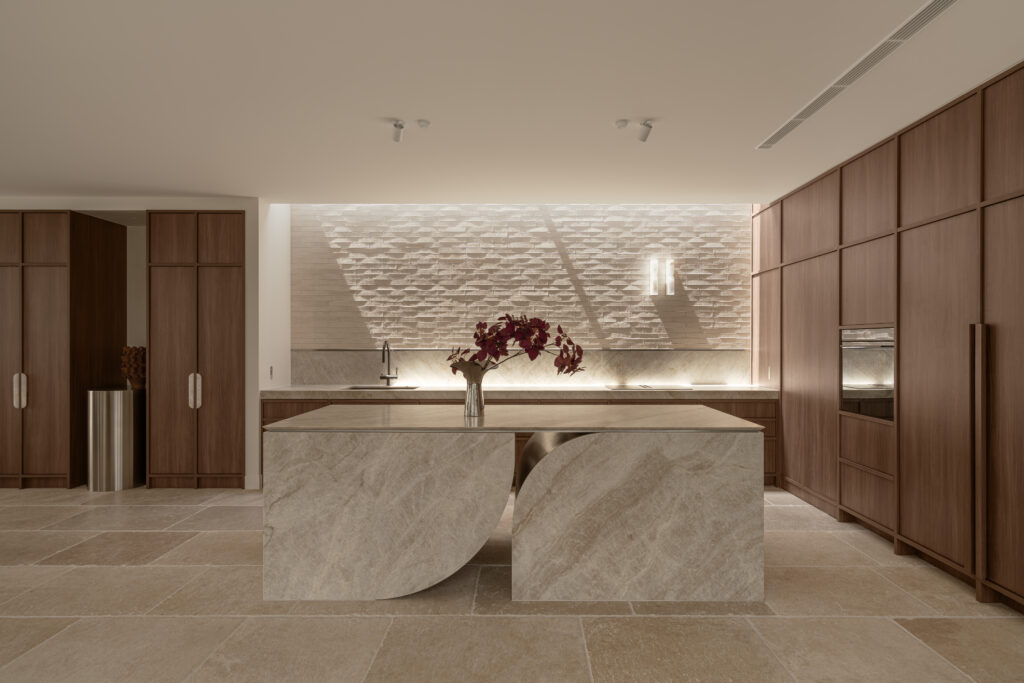
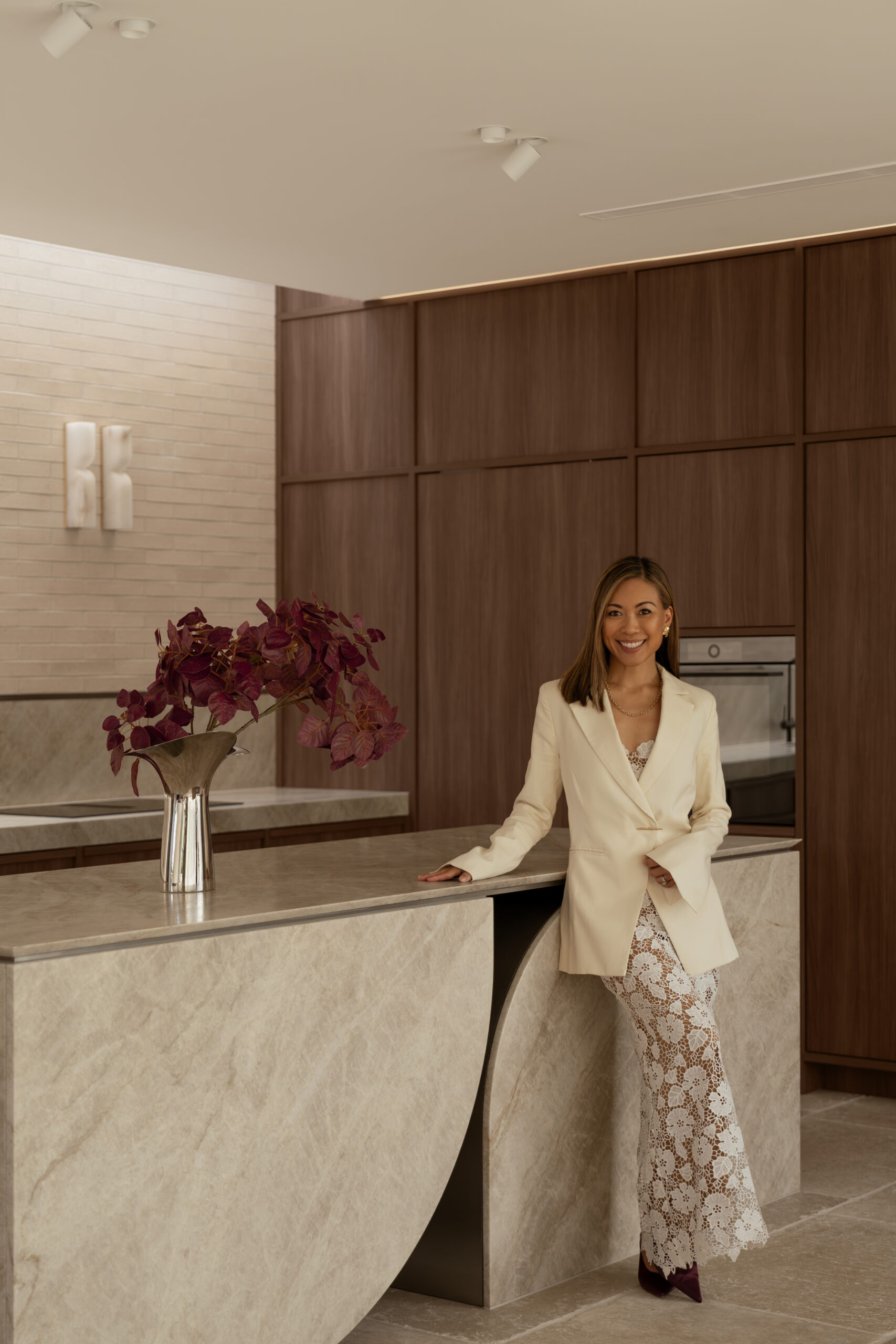
detail and refined residential design.
In a world obsessed with beautiful final images, you’ve often spoken about the invisible work behind them. Why do you believe the most important design decisions are often the ones nobody ever notices?
The beautiful final image is really just the visible 10 percent. The rest of the design lives in thou- sands of decisions behind the walls that are seen. If only people could truly understand the amount of effort, conversation, and work that goes on behind the scenes in producing the end product. Most people don’t understand how many layers of execution and forethought are behind that paint or stone finish in order to make it look beautiful. The art isn’t only in the finished photograph. To me, there is an art in the making of it too. The art of documenting, communicating, and hand-sketching technical details with stiff fingers on raw cocrete slabs on cold, rainy mornings on-site, with trades all hovering over the sketch to collectively solve a design and construction problem.
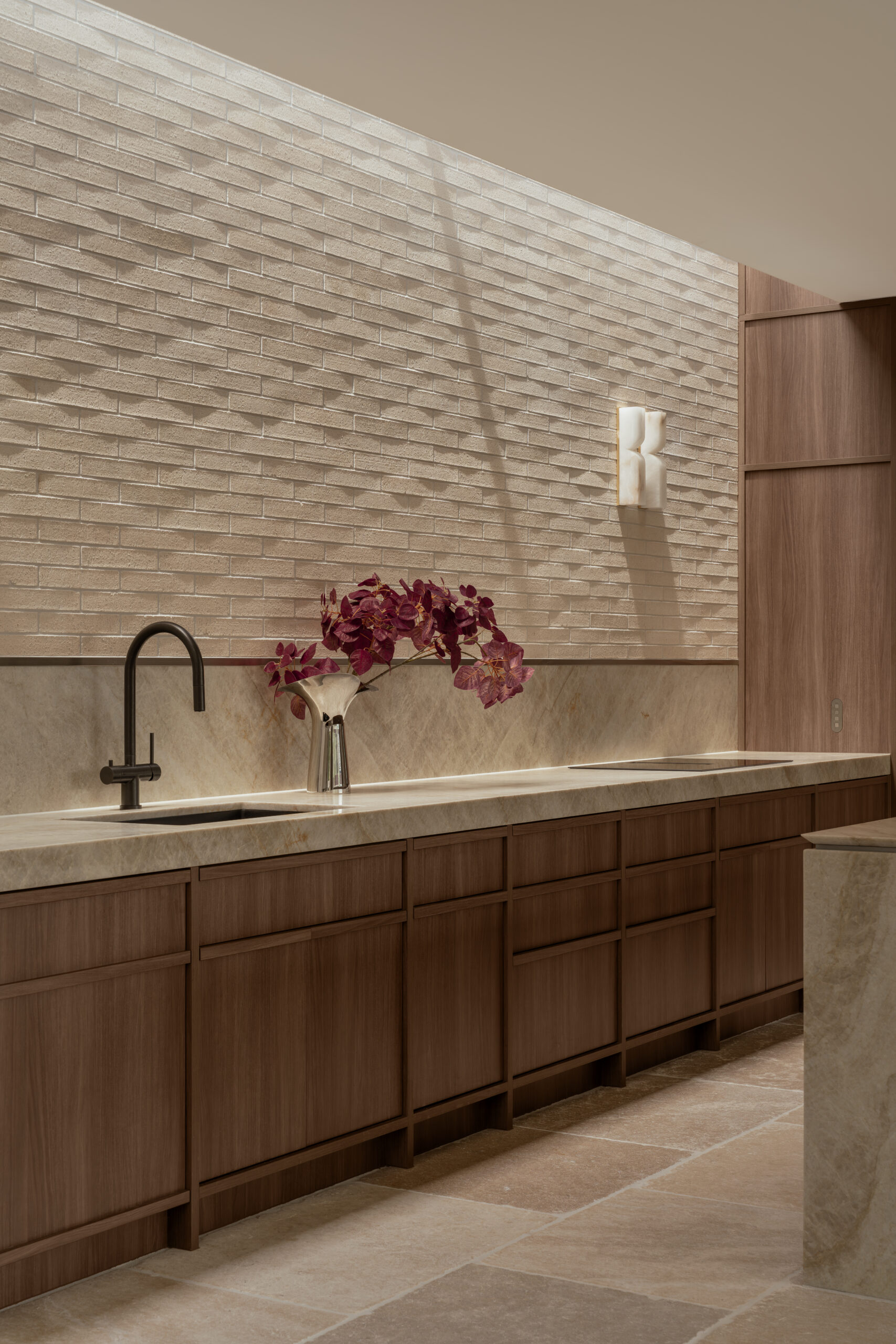
create a layered and tactile composition.
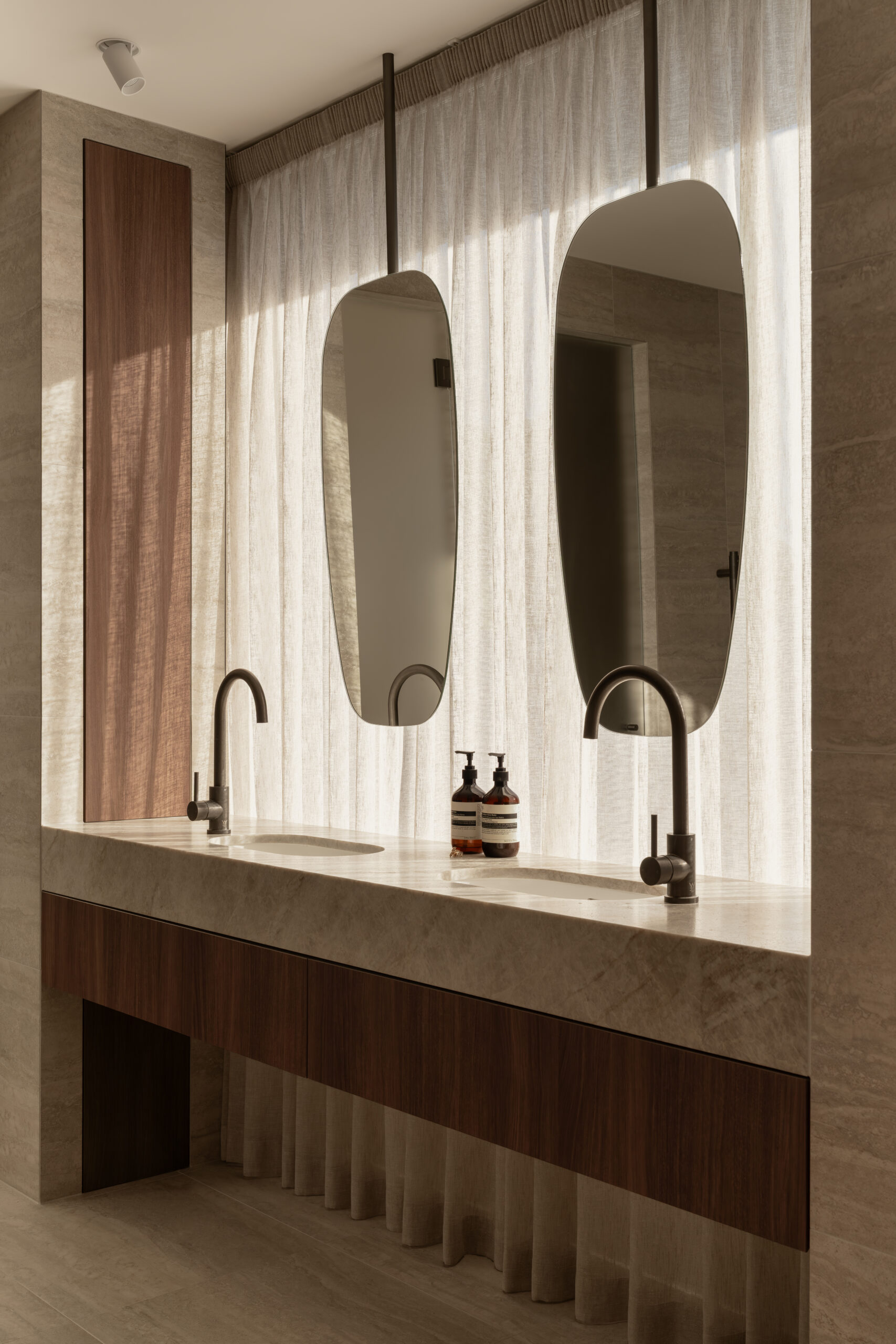
still intimate and usable.
Luxury homes today often feel visually impressive but emotionally interchangeable. What separates a house that simply looks expensive from one that leaves a lasting emotional impression?
From my personal designs and builds, most people comment on the way the light falls onto the materials that I’ve intentionally chosen and strategically placed under that shadow or sunlight at different times of the day, and how the light moves across the different surfaces. I think about materials almost in relationship to light. Where will the morning sun catch this stone? What happens to this brick when it falls into shadow? At night, intentional design of lights also does the heavy lifting in how a space feels emotionally. How will this surface feel when someone runs their hand across it? It’s the tactility people can feel against their skin when they brush against the bricks or on the bench under their hands. It’s about the relationship of each material to the others. There are plenty of luxury homes that prioritize spending on expensive marble, but they neglect the simple matters of intentional placement, how it speaks with the lighting placed there, and how it relates to everyday use. A material doesn’t create an emotional response because of what it costs. The art is in what you do with it.
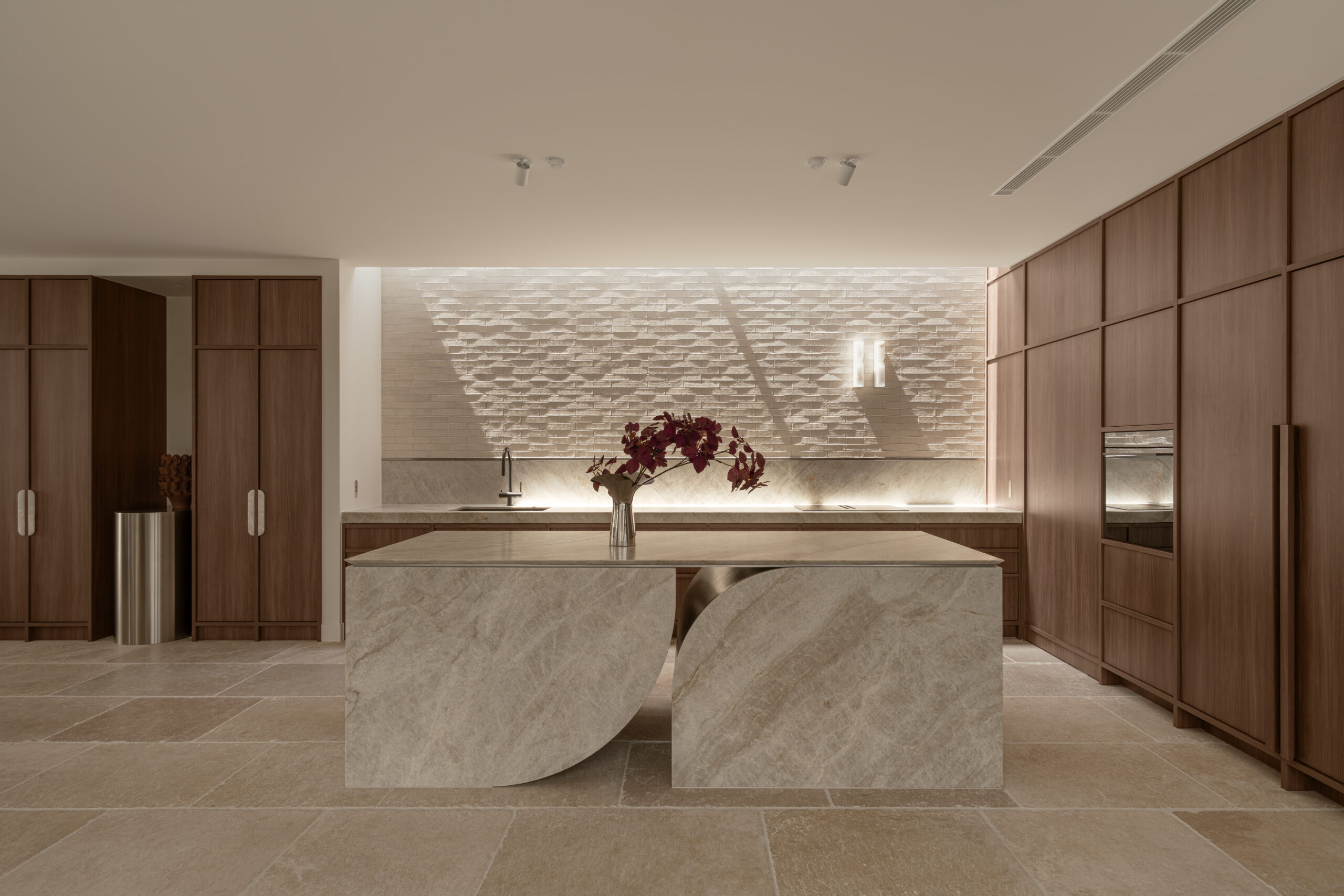
to create a refined central gathering space.
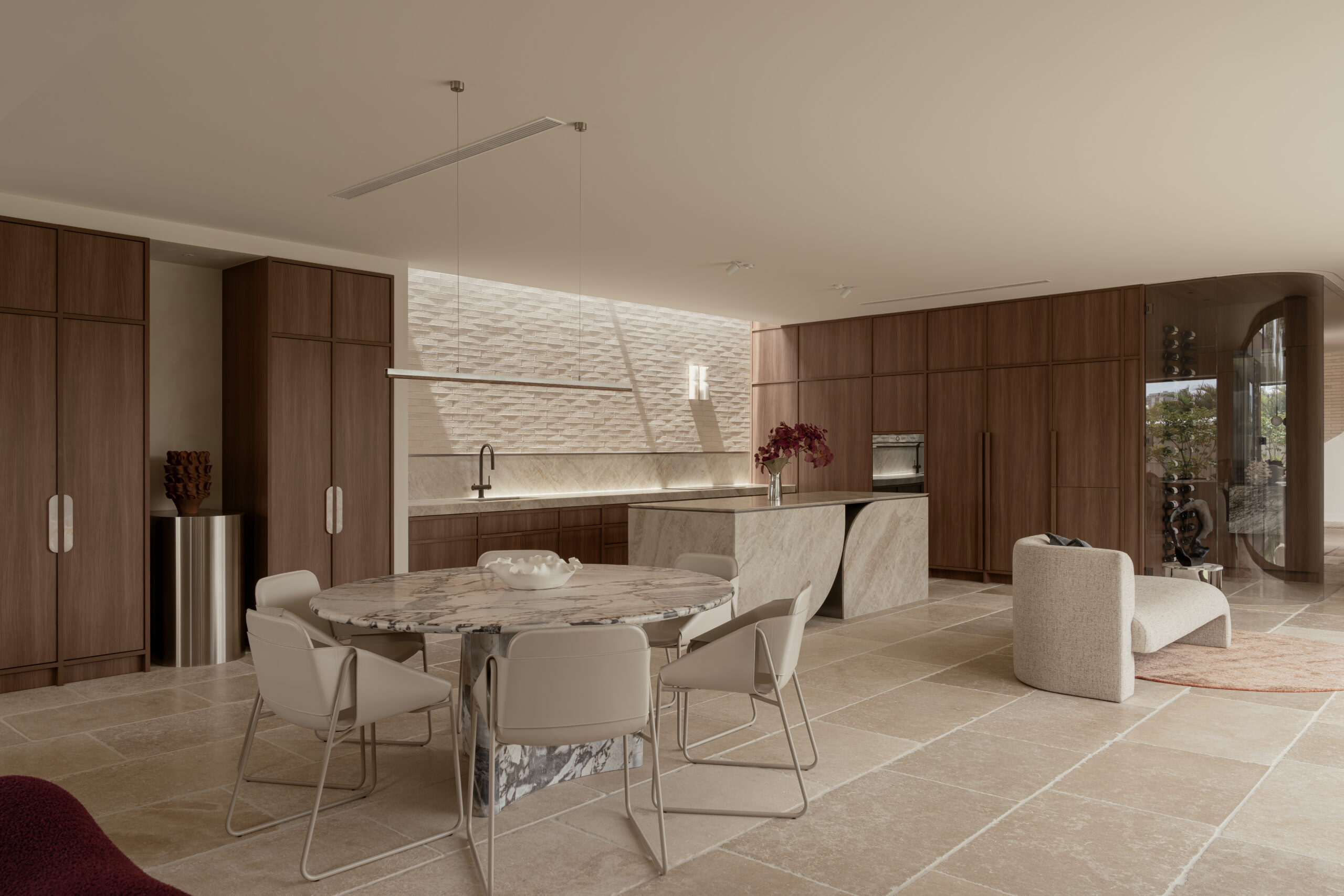
functionality of everyday living.
Zoei embraces restraint rather than excess. Do you think contemporary luxury is moving away from collecting more toward experiencing less—but better? What does that shift mean for the future of residential design?
There are always going to be different design styles that are going to present as trends, maximalism being one of them, but realistically, with the cost of building materials continuing to rise, the most rewarding projects are getting that balance right, where keeping to a minimal palette and keeping within budget becomes the goal and the reward at the same time. The emphasis moves away from specifying the most expensive option the client can afford, but rather, the clever design and use of placing them alongside other materials that bring out their own individual strengths, focusing on tactility, drawing on emotional experiences, and the way people relate and respond to the collection of materials used and how they have been placed. For me, restraint doesn’t mean designing less. Sometimes it means designing with more intention. Sometimes the most beautiful thing you can do with an expensive stone is place it beside something incredibly simple and let each material make the other stronger. When you take things away, every material and every detail has to earn its place. It’s no longer just about the aesthetics, but more emphasis on the meaning of luxury being how it makes a person feel in the space. The emotions that it draws out.
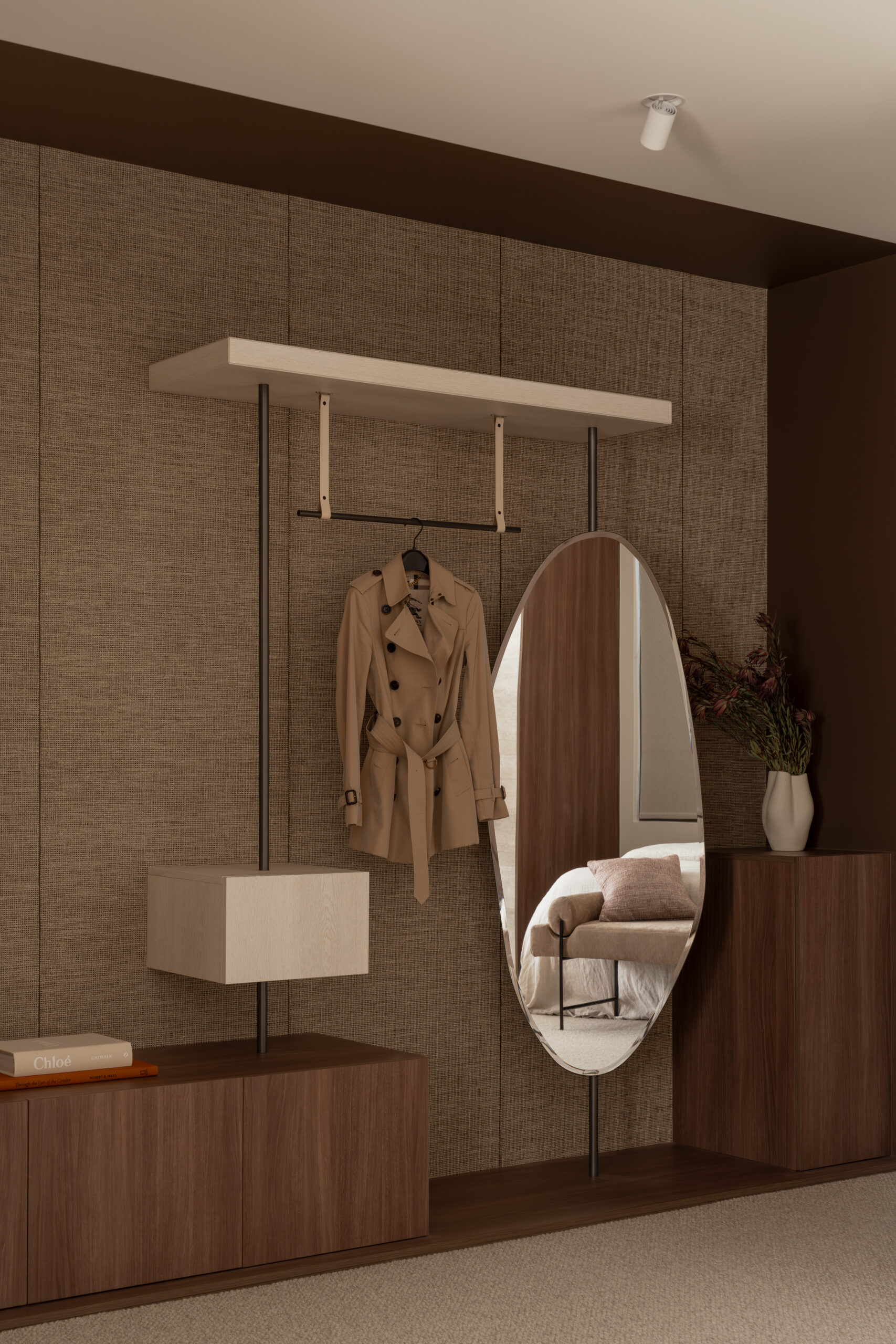
hotel like quality within Zoei.
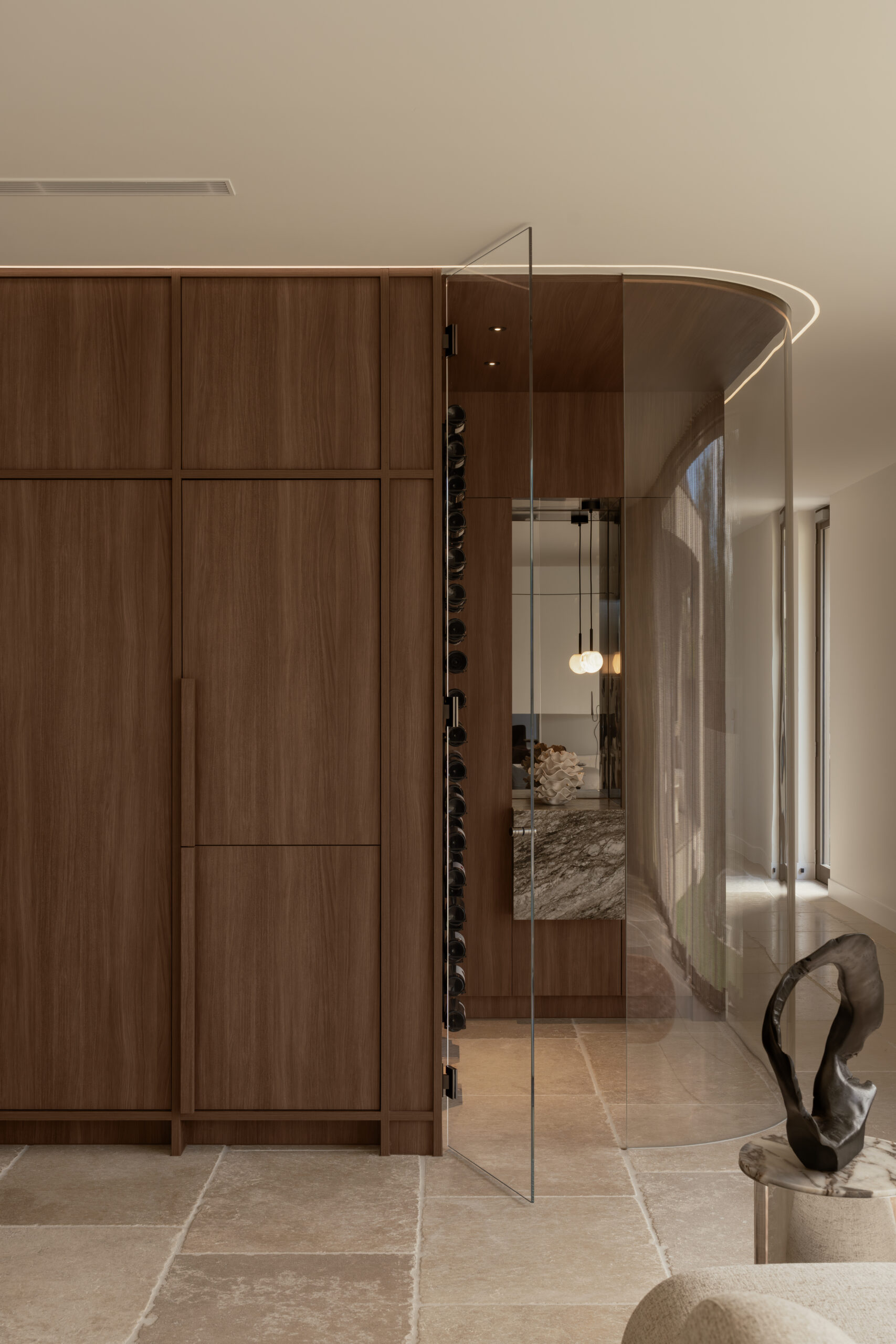
materials meet, reflect and frame a space.
Construction sites are often viewed as chaotic, yet you’ve described them as one of the most creative parts of your process. What have those imperfect, unfinished moments taught you about creativity that a perfectly styled photograph never could?
To me, construction sites are the second part of the creative process. They are where all the action truly happens. There’s no point creating and designing some- thing so beautiful on a computer screen when it realistically cannot be built on-site. An idea might begin in my head or on a screen, but on site it becomes a conversation between me, the builder, and the trades who actually understand how to physically make it exist. It’s essentially a game of problem-solving, and when you shift your perspective and lens, this is the most rewarding part of my design and building process. This is when you truly get to work together as a team, all towards the same goal. I’ve learned that everyone has something to bring to the table. Trades may not be designers, but they are the ones who need to bring the designs to life and so their work and thinking is just as important and valuable. Together, we work towards the best way to achieve a design intent. This is where most of my learning happens. It’s really trained my brain to design with more real-life practicality, understanding, and even propose some construction methods. Some of my best design education has happened standing on unfinished concrete.
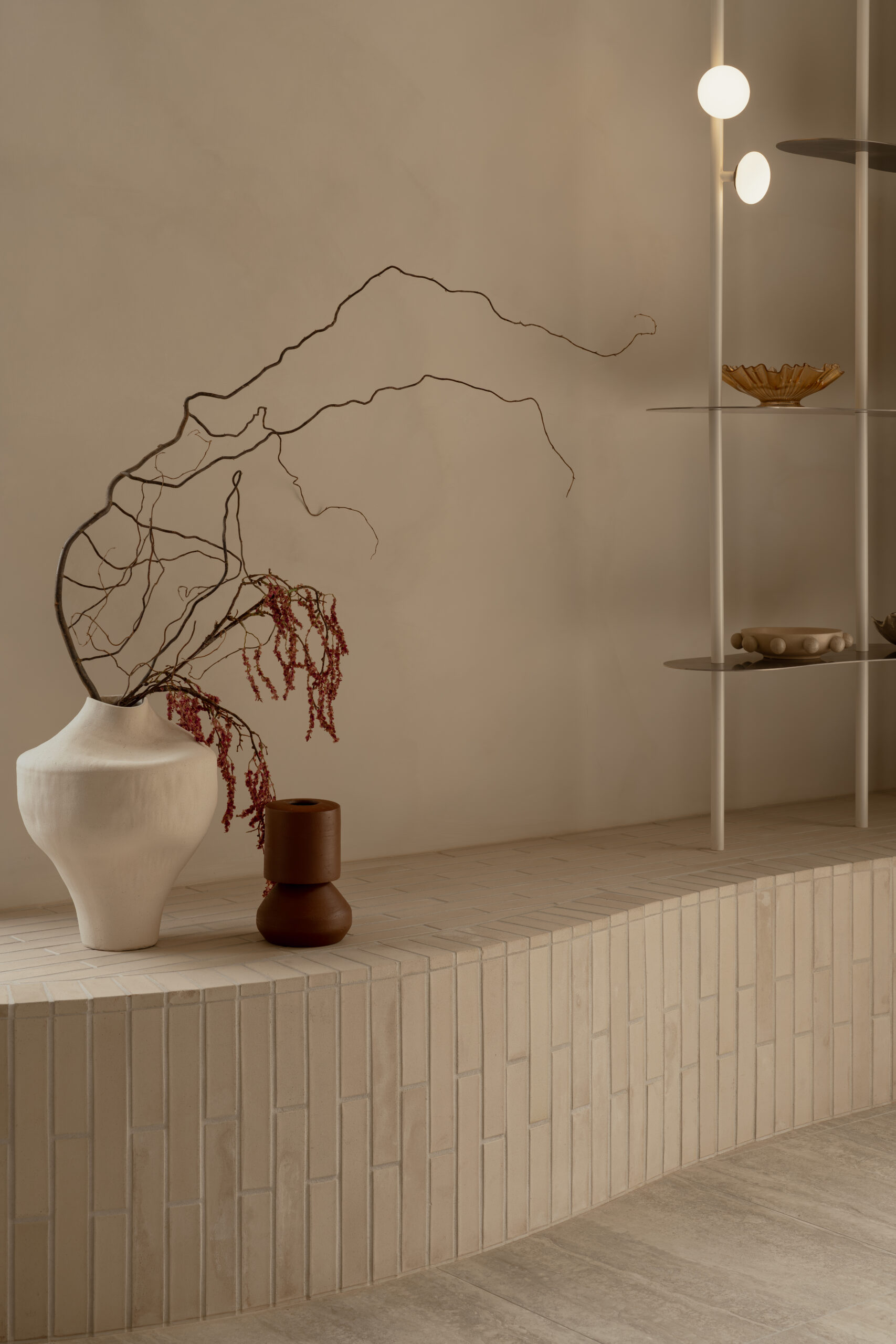
restraint.
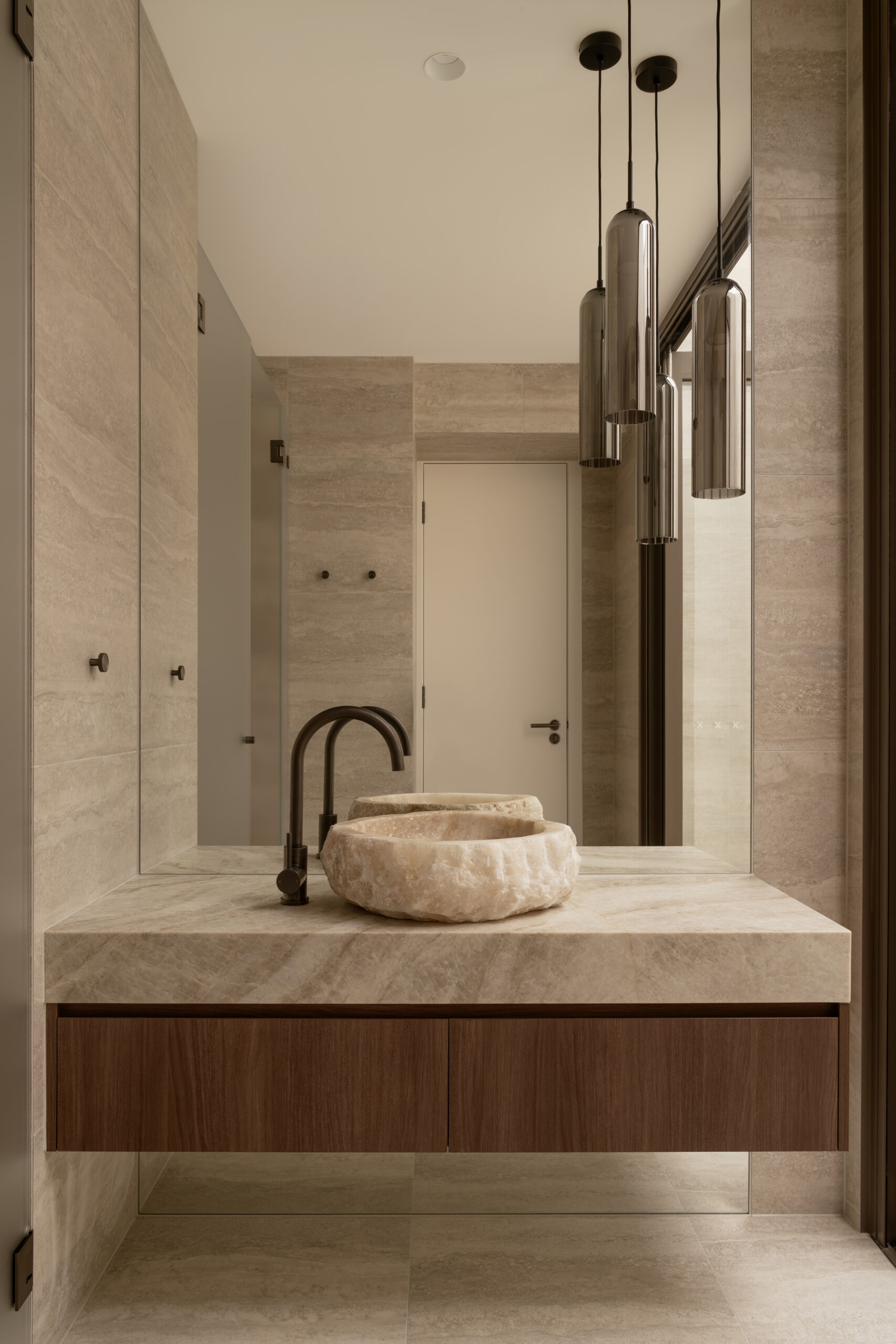
sense of depth.
As both a designer and developer, you navigate the space between vision and reality every day. How do you protect the integrity of an idea when budgets, timelines, and practical constraints constantly challenge it?
I think you first have to understand what the heart of the idea actually is. Sometimes the stone can change. Sometimes the detail can change. But the feeling you’re trying to create shouldn’t. Once I know what I’m protecting, I can be quite flexible about how we get there. Like I said, it’s a problem-solving game. You take a breath, explore alternate ways of bringing the vision to life, and learn when and how to pivot quickly rather than dwelling on an unsolvable problem that only ends up costing more time and money. It’s actually in these moments, when you’re forced to really use your creativity in different ways, that you can end up coming up with a design that’s even better than the original. And for me, that’s one of the most rewarding parts of the whole process.
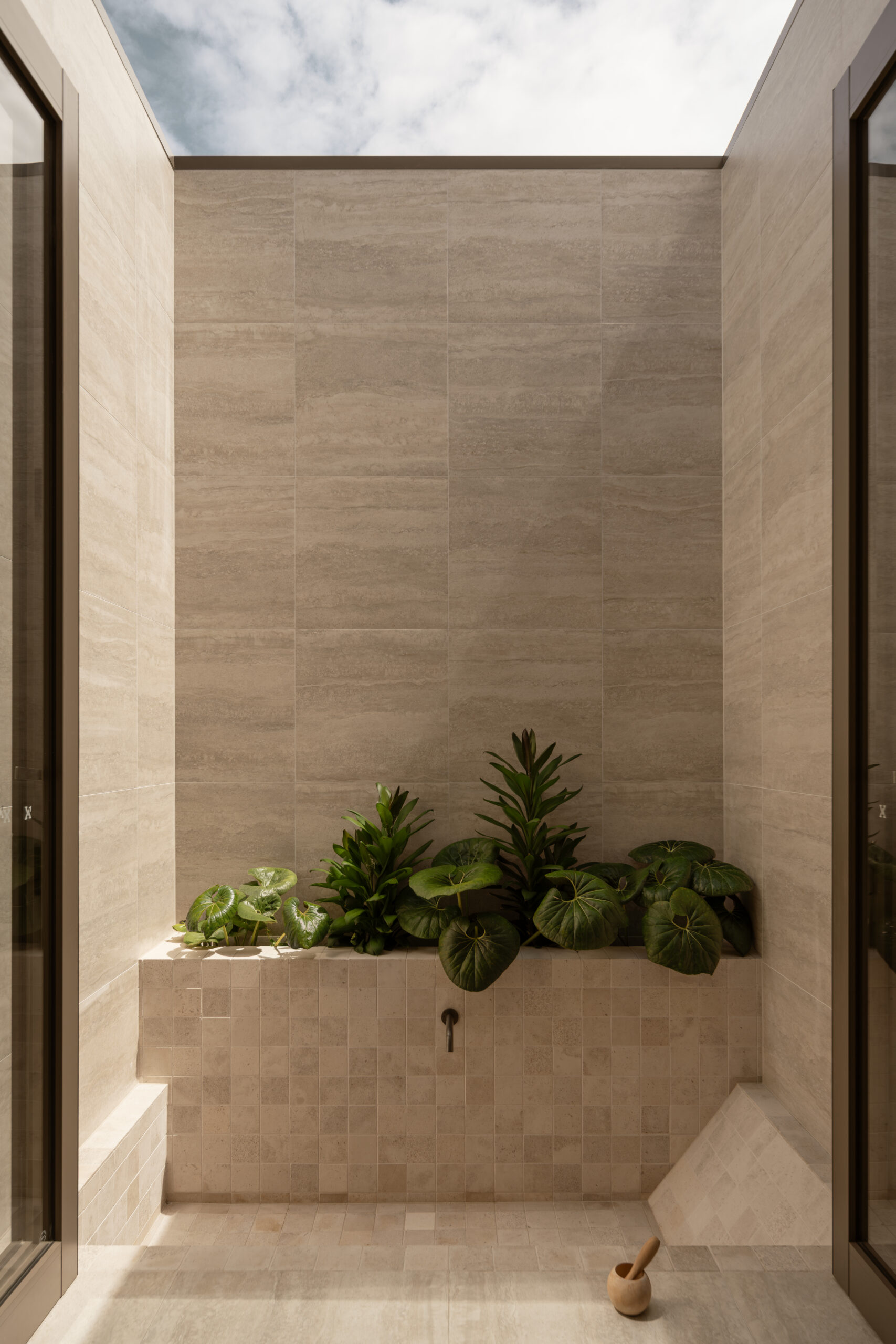
create atmosphere.
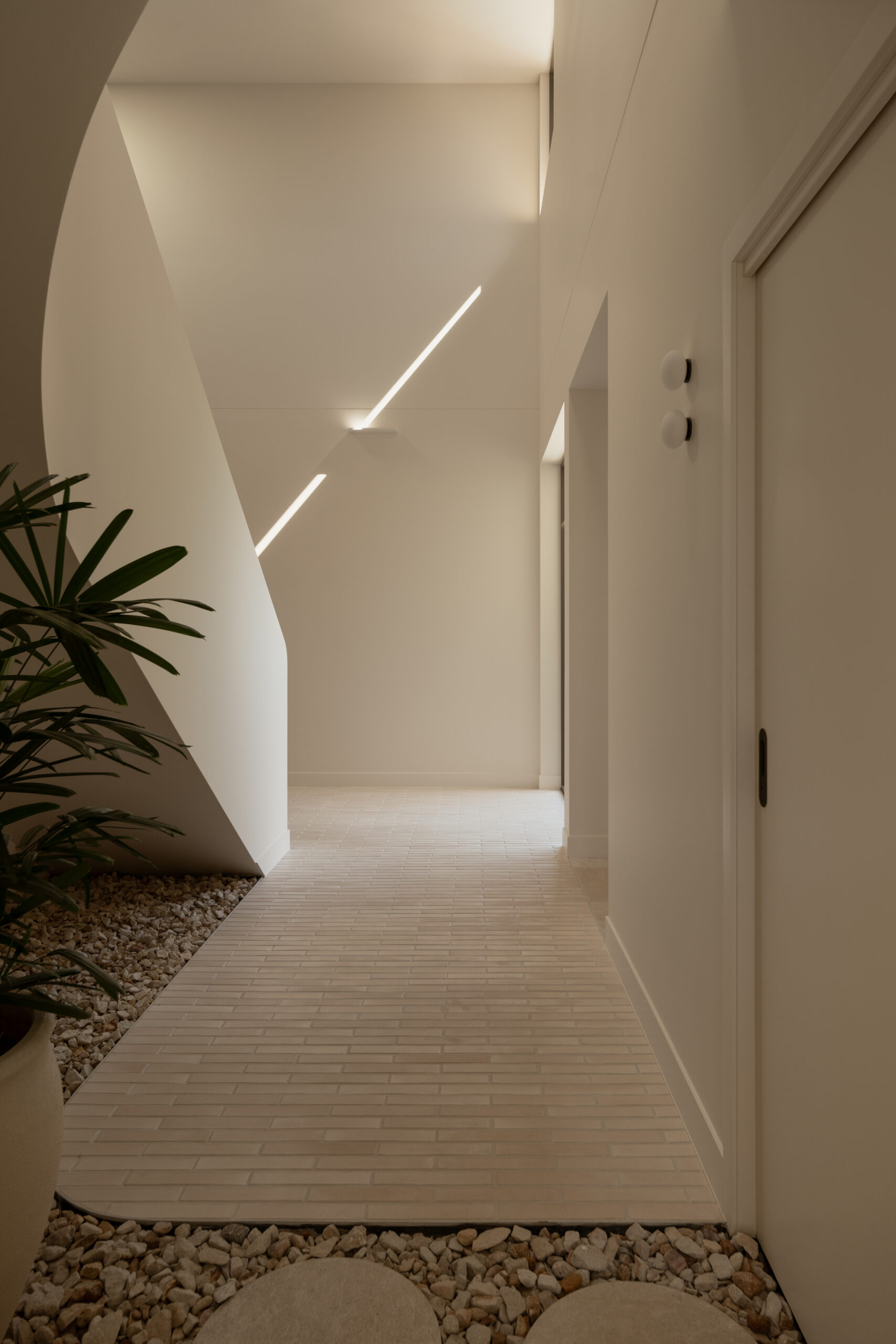
architectural experience.
If someone were to walk through one of your homes twenty years from now, what would you hope they feel—and what do you hope they never notice, despite the thousands of decisions that made that feeling possible?
This is such an interesting question! I would hope they feel a sense of calm. That the home still feels grounded and relevant 20 years later, not because it followed a particular trend, but because there was intention behind every material, pro- portion, and detail. And I hope they never notice the thousands of decisions that made that feeling possible. The junctions, the setouts, the grout lines, the things hidden behind walls and all those millimeters we obsessed over on-site. I think when a home is resolved beautifully, you shouldn’t necessarily walk in and immediately understand why it feels good. You just feel it. To me, that’s part of the art of designing and building. There is so much work behind creating something that ultimately feels effortless.