

Born in Sancti Spíritus, Cuba in 1970, Diango Hernández lives and works in Düsseldorf and Havana. His work is inspired by memory, desire, and displacement, reshaping images, objects, and spaces into reflective surfaces where past and present intersect. Embracing Olaísmo, he aims to create spaces where abstraction and everyday life collide, inviting viewers to explore the boundary between reality and imagination through various art forms.


What emotion or idea keeps sneaking into your work, even when you try to avoid it?
Cuba keeps coming in uninvited. It’s very strong. It plays with my emotions and makes me vulnerable in ways I can’t control. It questions everything I do, almost like a strict judge standing behind every decision. Even when I try to move in a different direction, that presence returns. Sometimes it’s as an image, sometimes a void, sometimes a weight. I’ve learned not to fight it. Instead, I let it challenge me because that pressure is also what gives the work urgency and honesty.
What role does control play in your work and how often do you let go?
Control is a necessary limitation, something imposed by my fears and knowledge. Over the years, I’ve learned to not be so careful because the most wonderful things often emerge from very simple gestures. There is always a moment in the process when everything suddenly starts to make sense, and when that happens, control disappears completely. That’s the moment I trust the most.

What does your studio smell like on a good day?
My studio is becoming more imaginary. It’s a space inhabited by love, a real warmth, and a kind of permission to be fully myself. It’s a commissioned space in the sense that it is built by the people and feelings that sustain me. It’s something so beautiful that even butterflies would be jealous.

Where does a piece usually begin—image, word, impulse, or accident?
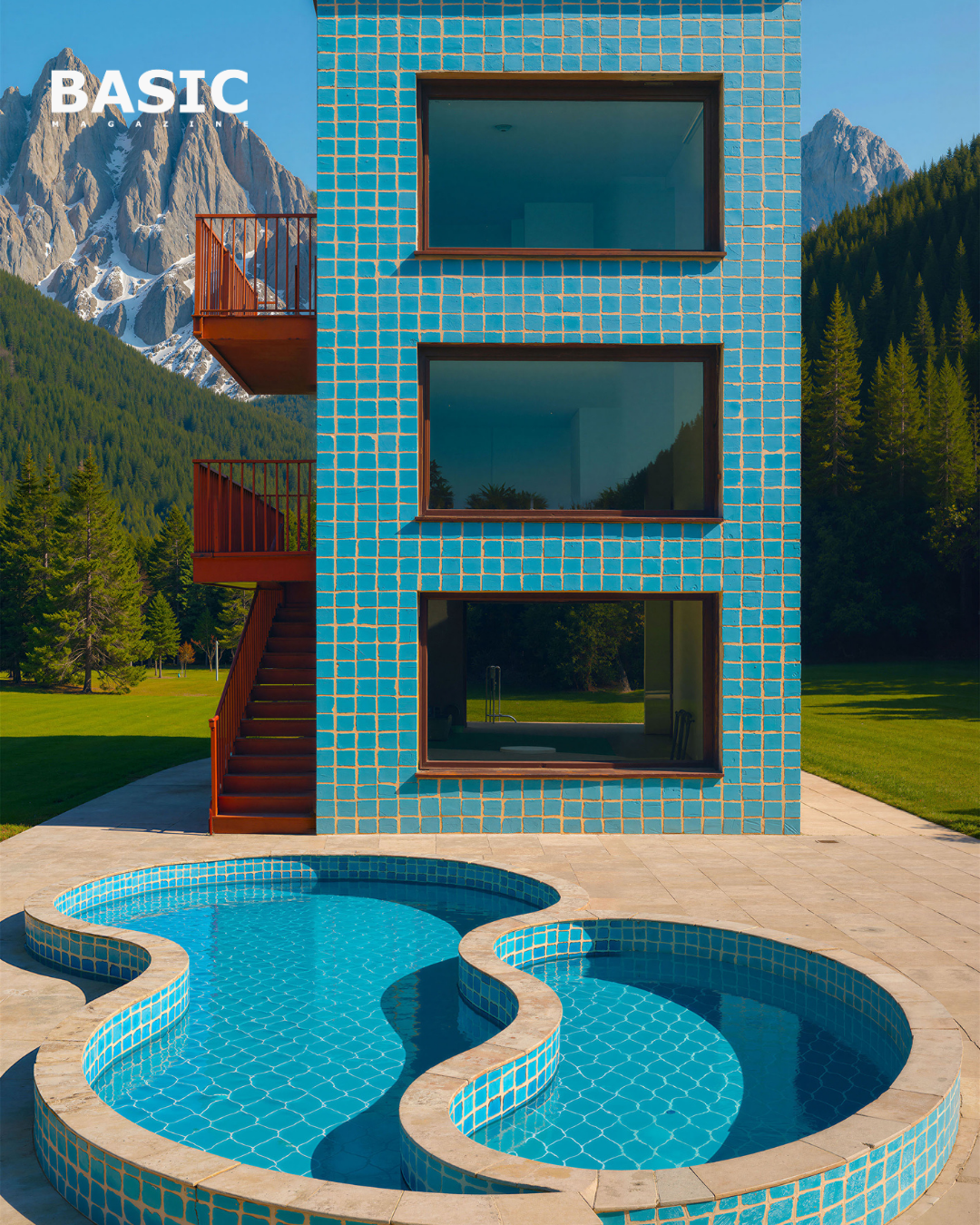
Every one of my works emerges from my desire for beauty— beauty understood as a form of love and equilibrium. It’s the search for a world in perfect balance: the perfect garden, my holy mountain, a moment with my son. Everything begins there, in that quiet longing for a place where things align, even if only for a second.

What’s the most beautiful mistake you’ve ever kept?
I don’t believe in mistakes. I never allow negative words to enter my process. Everything I do is perfect for the moment in which it’s made. I know that tomorrow will be better, and that whatever I did yesterday will reveal another path—a better way, another form of reality. The work evolves, and so do I.
