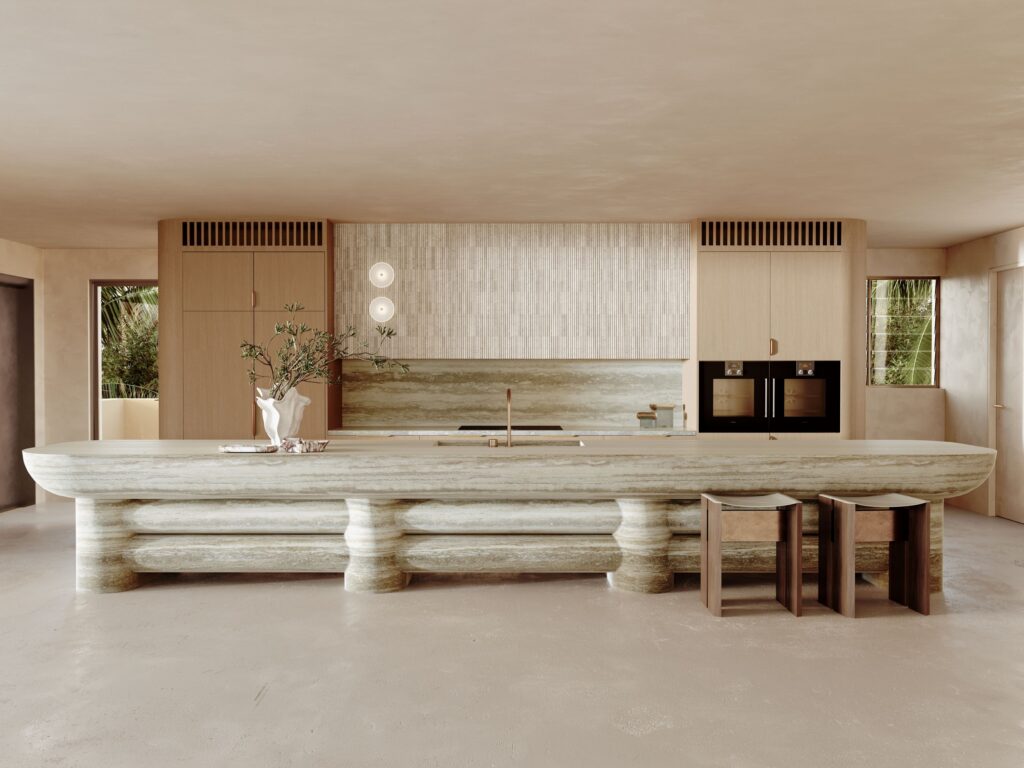
Established in 2014, SWAA (a.k.a. Studio Workshop Architects + Associates) was originally formed to test the possibilities of digital fabrication and computational design to create new forms of architecture and construction. This ethos of experimentation and a desire to help define new ways of creating architecture is still at the core of the SWAA identity.
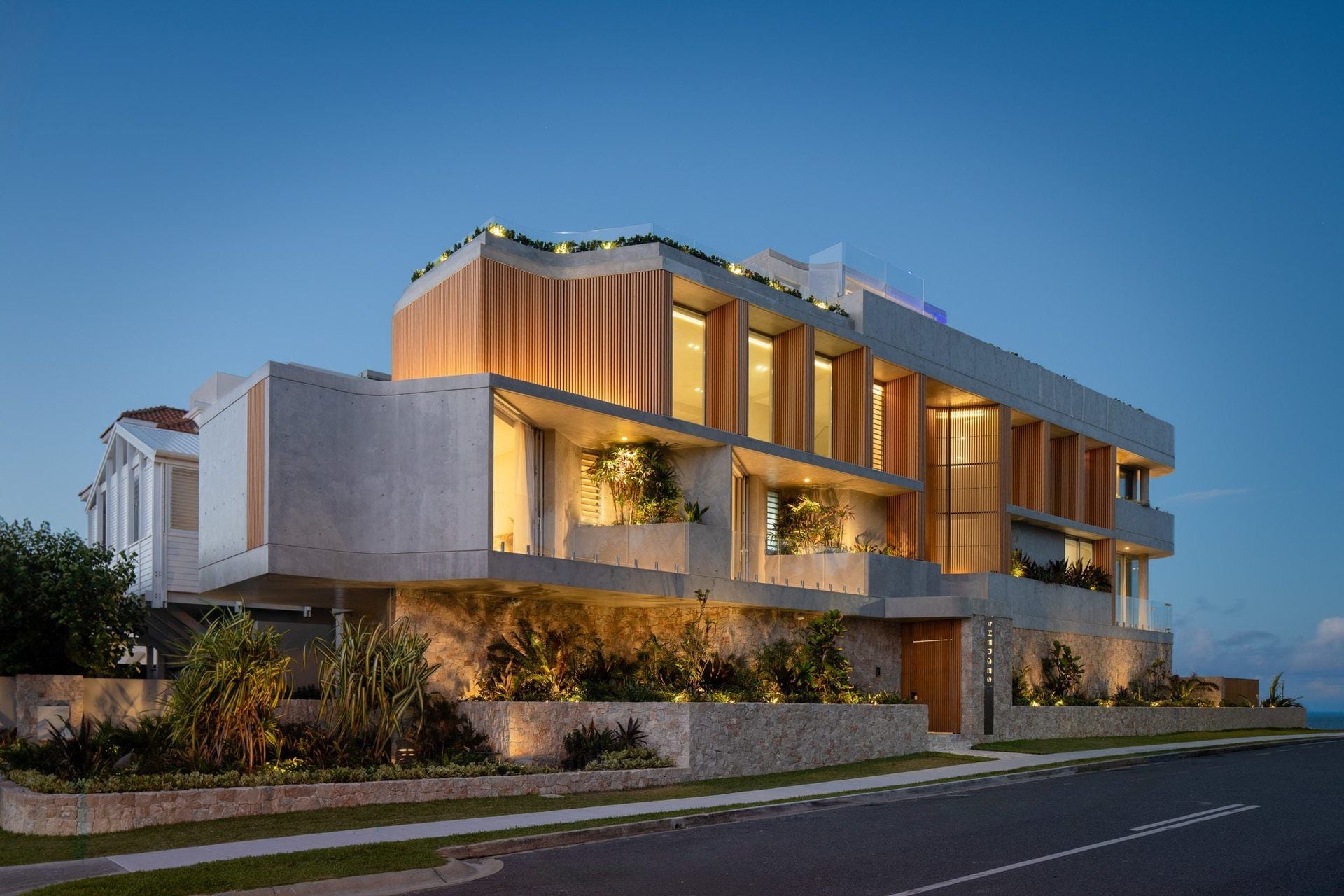
Our practice directors come to architecture with prior experience as licensed builders and tradespeople, bringing an attention to quality, craftsmanship, detail, and a common sense approach to getting things done. This ‘on the tools’ experience was transformed through tertiary study and research, as well as our own experimental projects to prototype new building systems and processes.
The SWAA team applies this spirit of enquiry and pursuit of excellence into everything we do. Our work is inspired by the environmental and cultural context where each project is built, combined with our understanding of the rich history of the architectural discipline. We can work at all scales and typologies, and have honed our expertise particularly in the areas of single and multi-residential and mixed use developments, commercial, hospitality, and urban design.
We are grateful to practice on the land of the people of the Yugambeh language group, in one of the world’s great climates and regions in the Gold Coast of Australia. Our work extends across southeast Queensland, northern New South Wales, Papua New Guinea, and the United States.
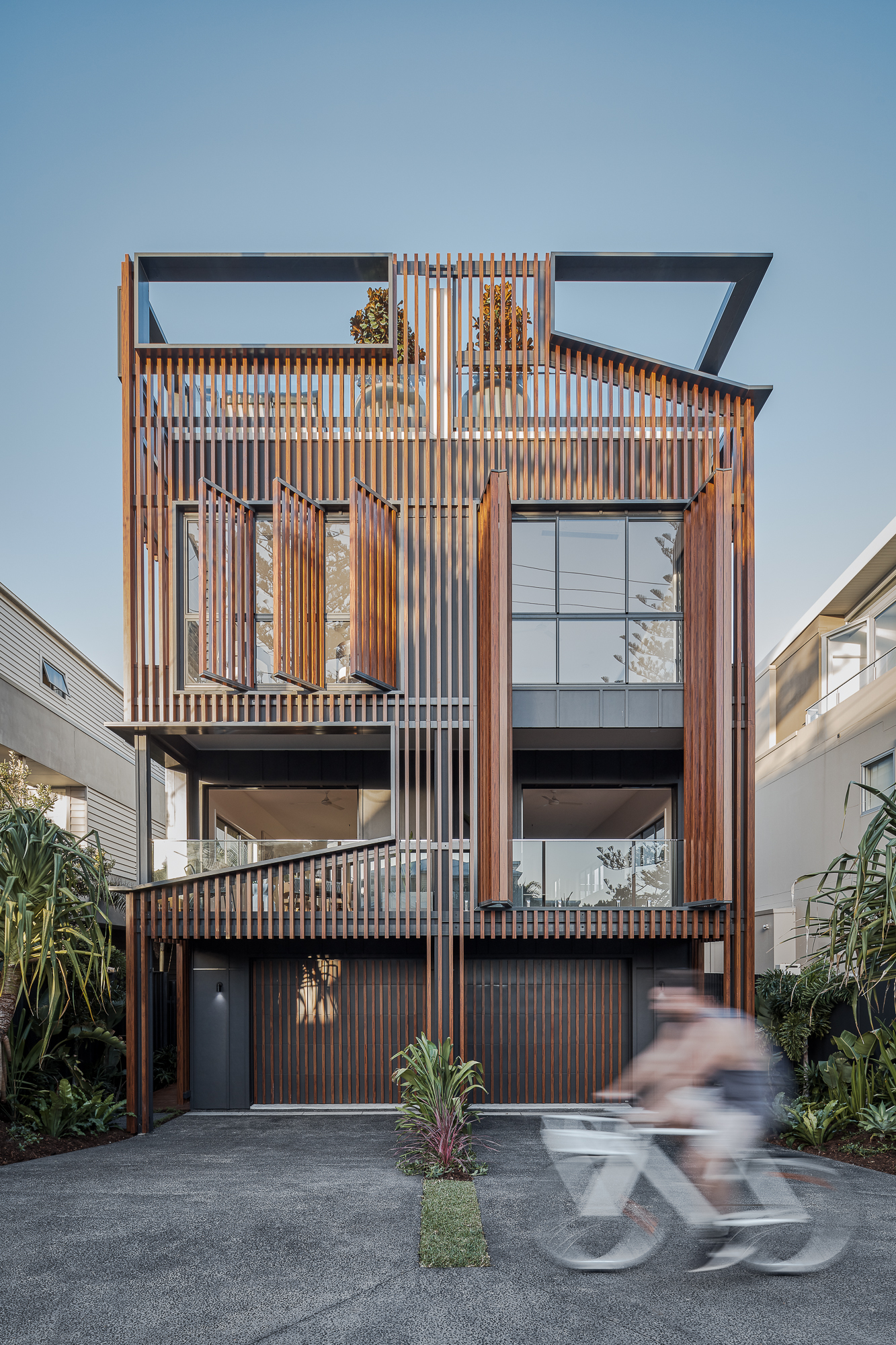
SWAA was originally created to test the possibilities of digital fabrication and computational design — what were you searching for that traditional architecture wasn’t giving you?
The traditional role of the architect is to practice at a distance from the thing you are actually creating – the building. As an architect, you typically arrive at that through drawings. Historically, the architect was the ‘master builder’ who had real hands-on experience crafting in masonry and working one-to-one. For the past couple centuries, this has been lost. In the late 1990s and early 2000s, this changed with the advent of laser cutters, CNC routers, 3d printers and robotics finding their way into architecture schools and (some) offices. Once the CAD tools were in sync with the fabrication tools, it unleashed a whole new opportunity to practice architecture anew. SWAA was a very early adopter of this approach, at least in Australia, when only a small handful of practices hand such tools in house to create projects.
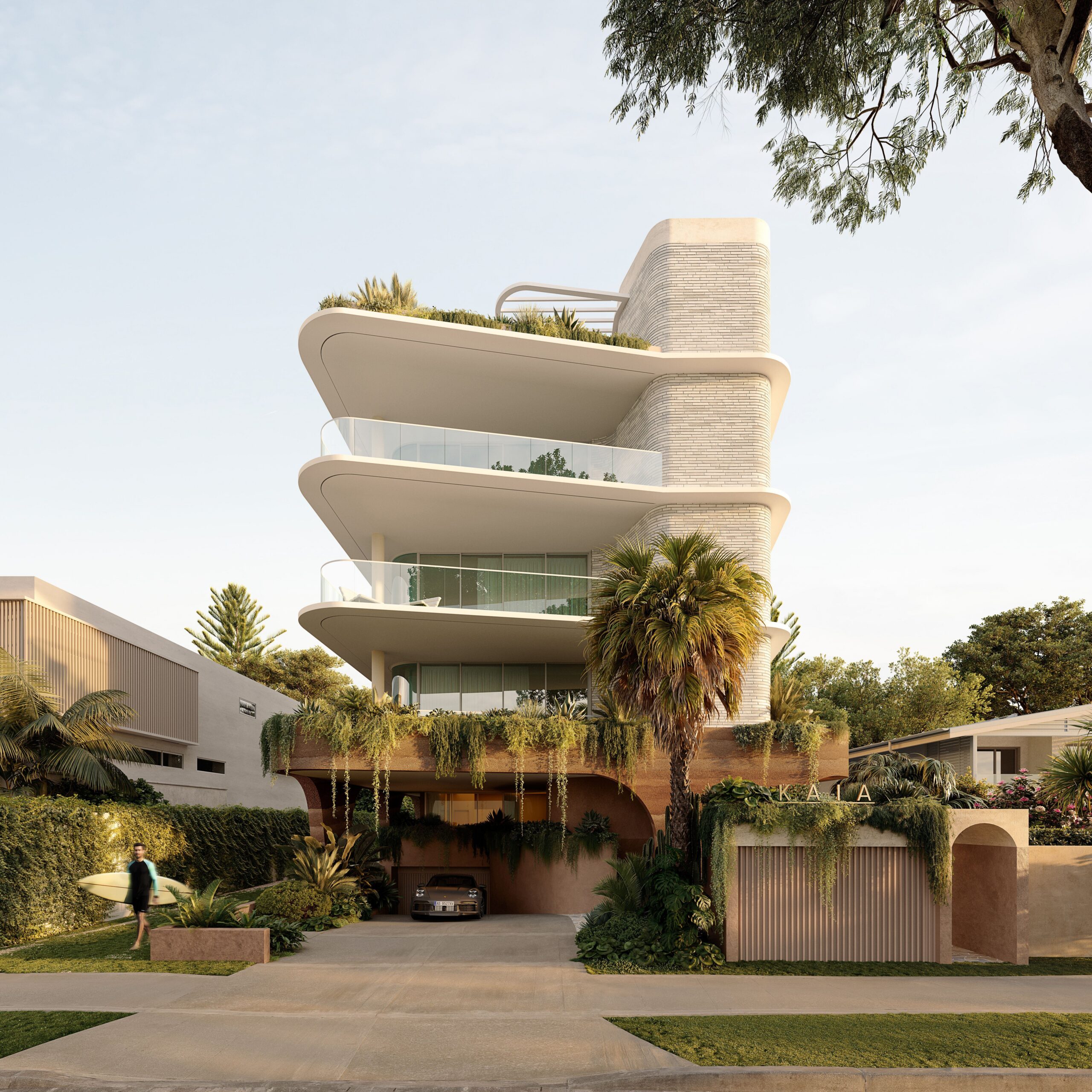
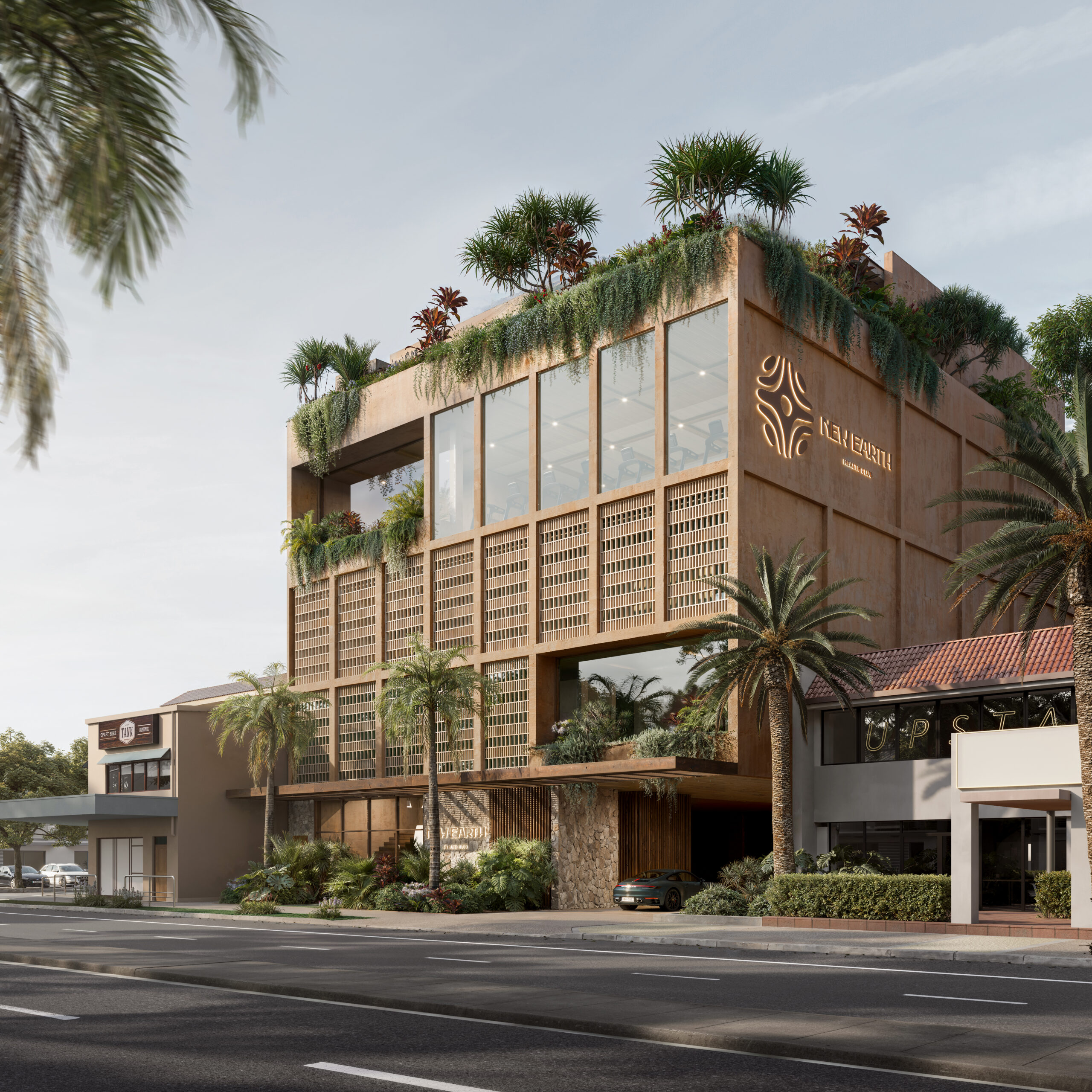
What’s something about craftsmanship that technology still can’t replace?
We believe there is handcraft and digital craft. In each case, it is about being so familiar with the tool and technique that the operator/craftsperson can be guided by intuition and the constant real-time feedback loop between the intention and the response of the material being worked upon. Obviously the by-hand approach is more immediate and you can literally feel this feedback with your senses; in the digital mode, this feedback is mediated and slower, but we experience digital feedback as valid and real when you spend enough time with the machines that it becomes second nature.
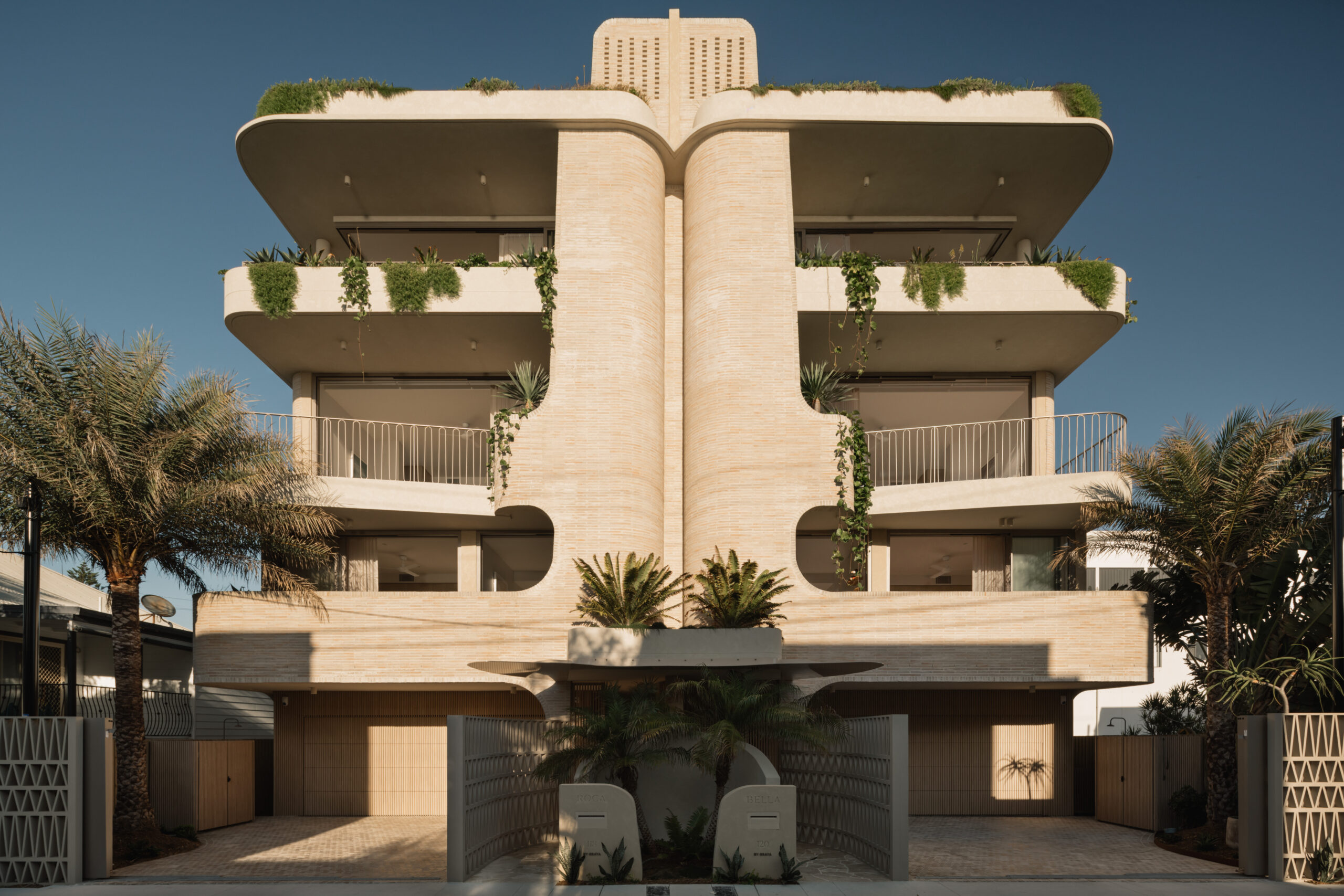
Do you see technology as expanding creativity, or demanding a new kind of discipline?
Both, really. We are probably more interested in the latter opportunity – what does the ‘architect’ look like in a digitally-mediated era where the competencies are no longer based upon traditional representation of design ideas through graphics etcetera and instead through making the built thing itself? We are excited to speculate that the ‘architect’ may some day be defined once again as the orchestrator of building processes, rather than just the illustrator of ideas.
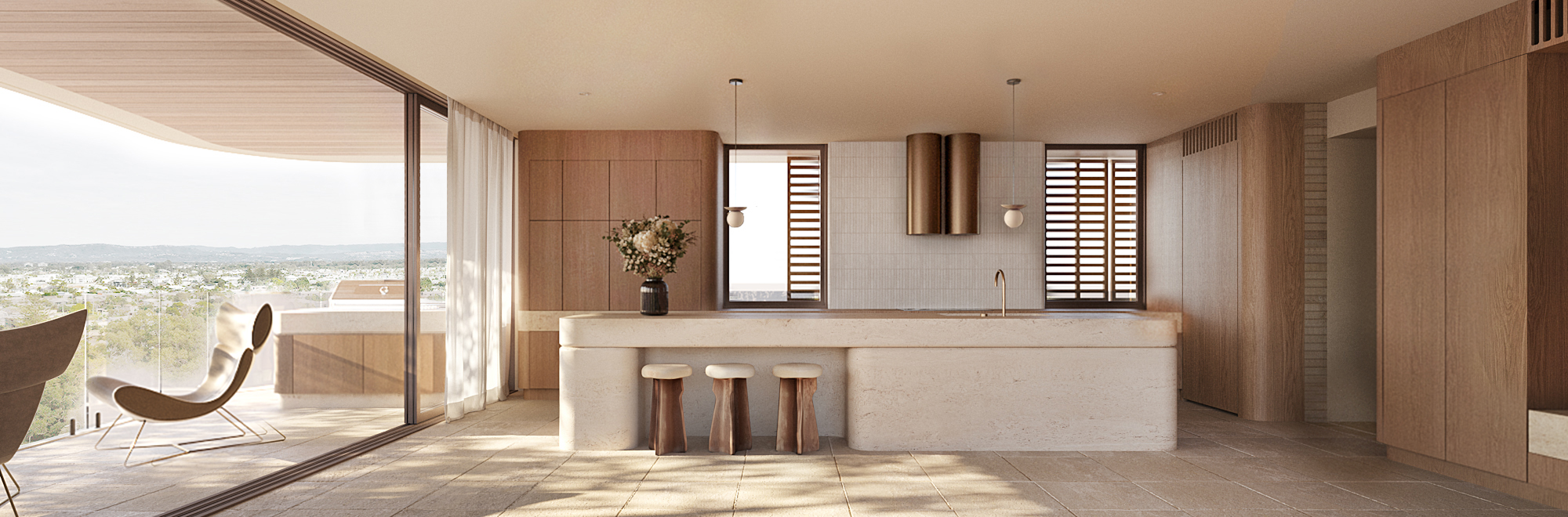
“Architecture ultimately is about the people who all came together to make the project, and how we all share an experience of bringing a project to life.”
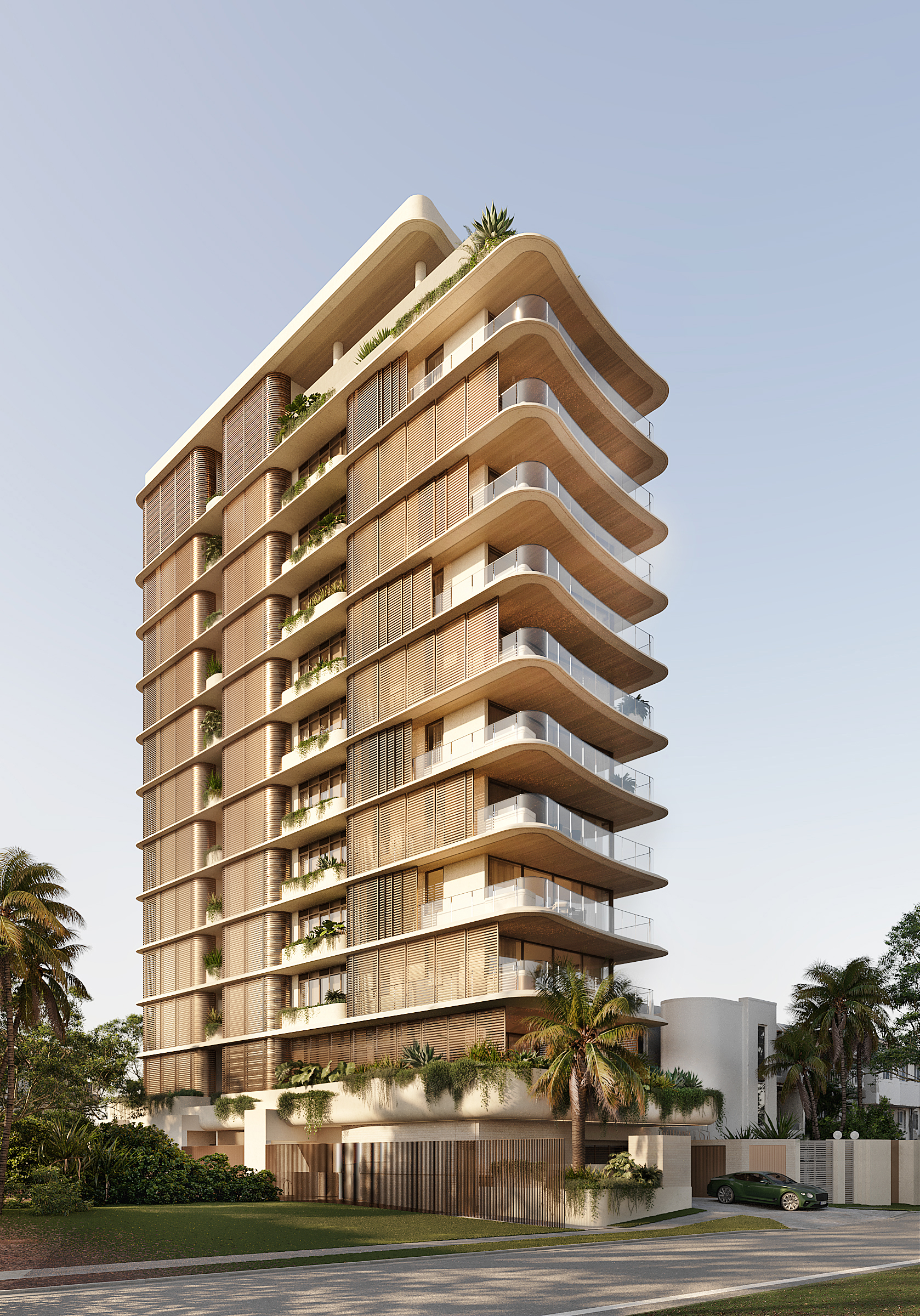
Living and working in the Gold Coast, surrounded by one of the world’s most distinct climates, how has that environment shaped your aesthetic instincts?
We are in subtropical Australia, which is essentially one of the best climates to live in from a comfort point of view. It affords a huge percentage of days where you can truly embrace indoor-outdoor living, so that has a meaningful impact upon how you consider thresholds and the blurring of spaces. What else is unique about the Gold Coast is it is in the footprint of an ancient volcanic caldera – the remnants of which are incredible rocky headlands that punctuate the beaches, backed up with lush green and fertile hinterland. We take a lot of inspiration from this nature beauty and confluence of the Pacific Ocean’s power combined with the enduring quality of the landscape that has been inhabited by the earliest humans for over 60,000 years continuously.
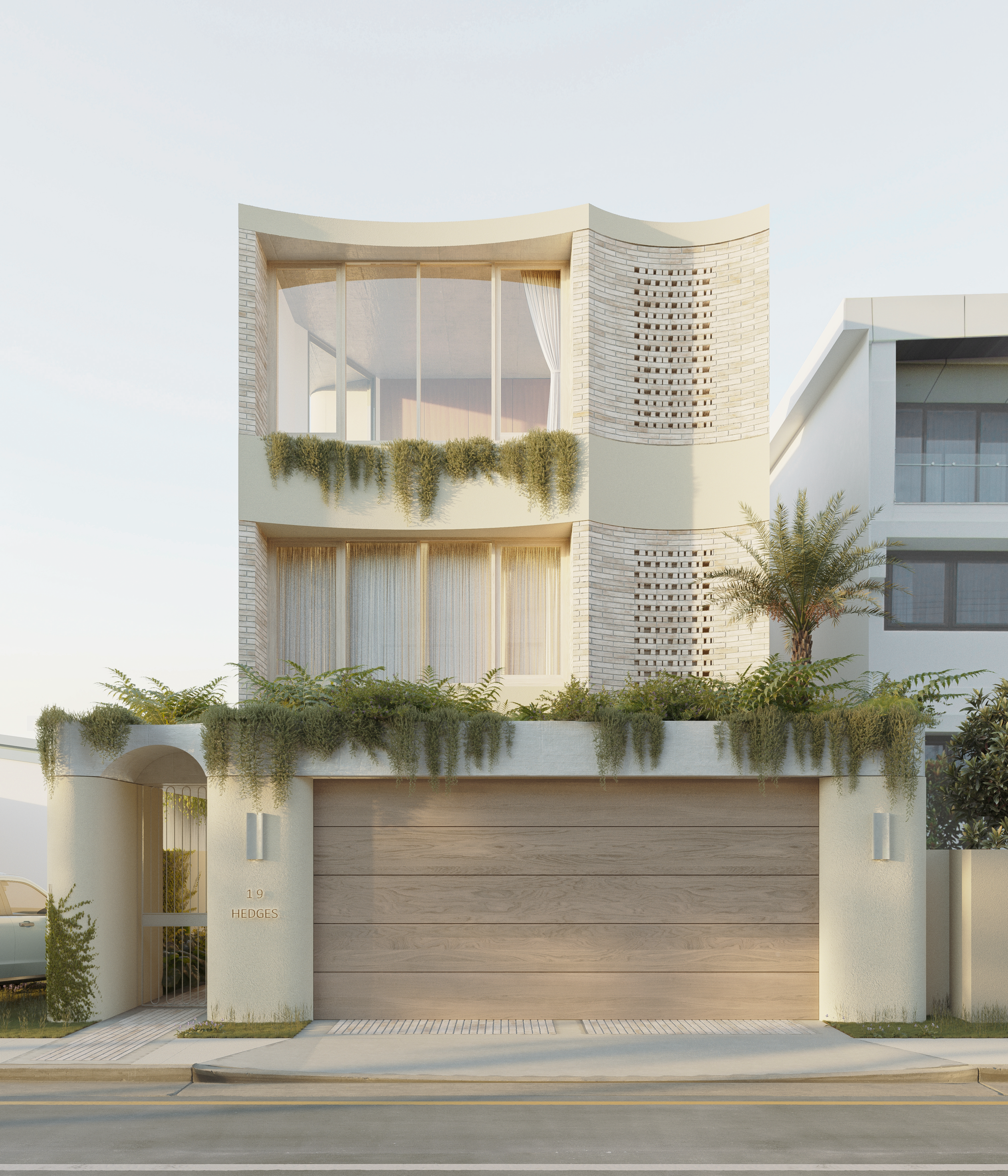
Has your relationship to “innovation” changed over time?
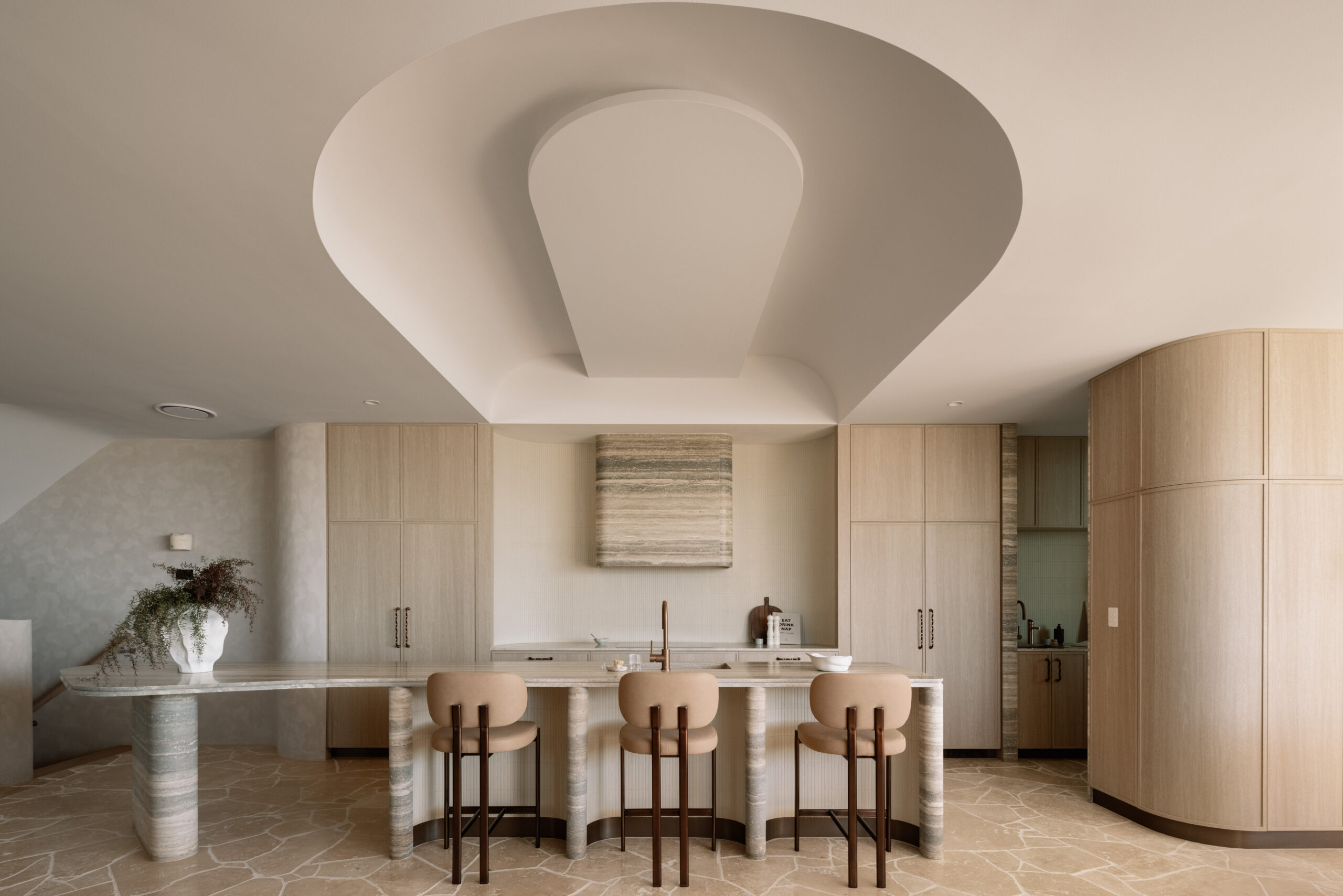
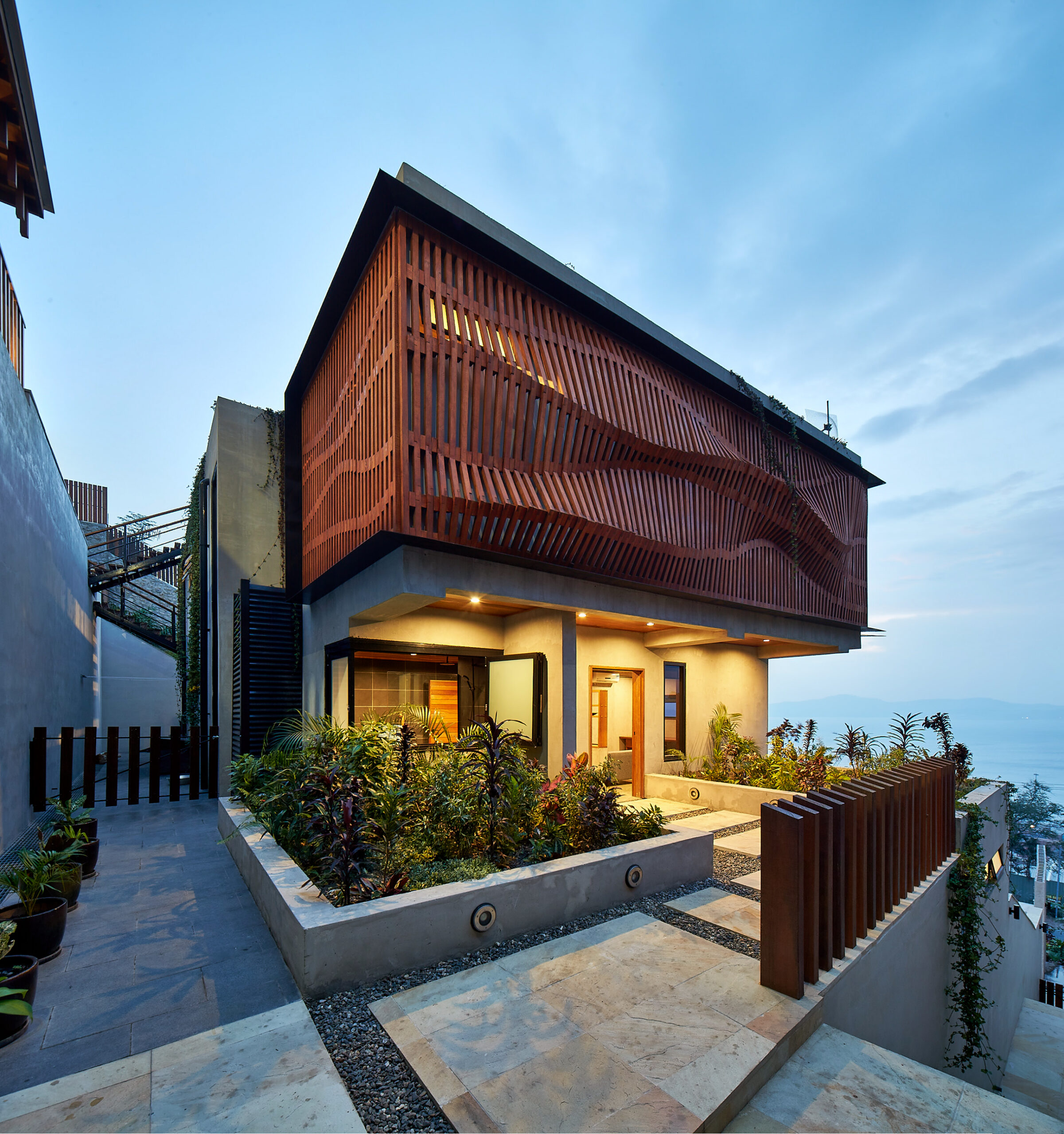
Probably what has changed are the things that inspire us to innovate. When our practice started, we were really propelled by discovering tools and computational techniques that would unlock new ways of working – like investing in our own in-house CNC router and then experimenting with algorithms for specific material opportunities. Over time, we have grown our practice to where we are working at the urban scale with some projects and therefore the innovation is about how we can manage a lot of complex information that stretches from the city down to the detail. We haven’t lost sight of the intricacies that we focused a lot on 10 years ago, but now are bringing that attention to detail to considerations that are urban and civic. We have been testing out how AI tools can facilitate this recently.
Our mantra has always been to think about the “architect’s toolkit” as a range of purpose-driven stuff that you need to draw upon as a designer – from history and theory, to fabrication equipment, to software, to communication skills – you just keep adding to that toolkit as your practice evolves. This is true for each of us as individuals, as a practice, and as a discipline.
What’s something the architecture industry still gets wrong about the future?
Wow this is a hard one – because the industry gets so many things wrong all the time. We still build with 200+ year old techniques predominantly, we manage risk really poorly as a sector, and we are not good as a discipline about communicating our value to the broader public. The architecture industry is constantly propelled by an internal, navel-gazing obsession with ‘newness’ and originality, but history tells us that there are very seldom any new ideas and most good concepts have already been done. We think that the future is about making practice more resilient – both in terms of how we operate and that the buildings we make will with stand upcoming challenges in terms of environmental sustainability and financial viability.
When do you feel most connected to your work — during concept development, fabrication, or seeing people inhabit the space?
Just to be clear, architecture is always depicted as this art produced by the novel genius – an individual who has creative mastery and needs to be revered for that capability. The discipline of architecture can be so dogmatically attached to the idoltry of the starchitect it does a total disservice to the reality of how architecture is produced. At SWAA we really reject that idea and that approach.
So, when we talk about connection to the work, it is important that it isn’t about “that one person’s idea” but instead about a shared, cumulative sense of production.
Its why our practice isn’t named after the directors. For us, the connection is about all the stakeholders involved along the journey from concept to completion. Architecture ultimately is about the people who all came together to make the project, and how we all share an experience of bringing a project to life. We place a lot of emphasis on collaboration, and take a lot of joy and pride in ensuring that the experience of producing our work is enjoyable and meaningful for our clients, our staff, and the consultants and builders we work with.
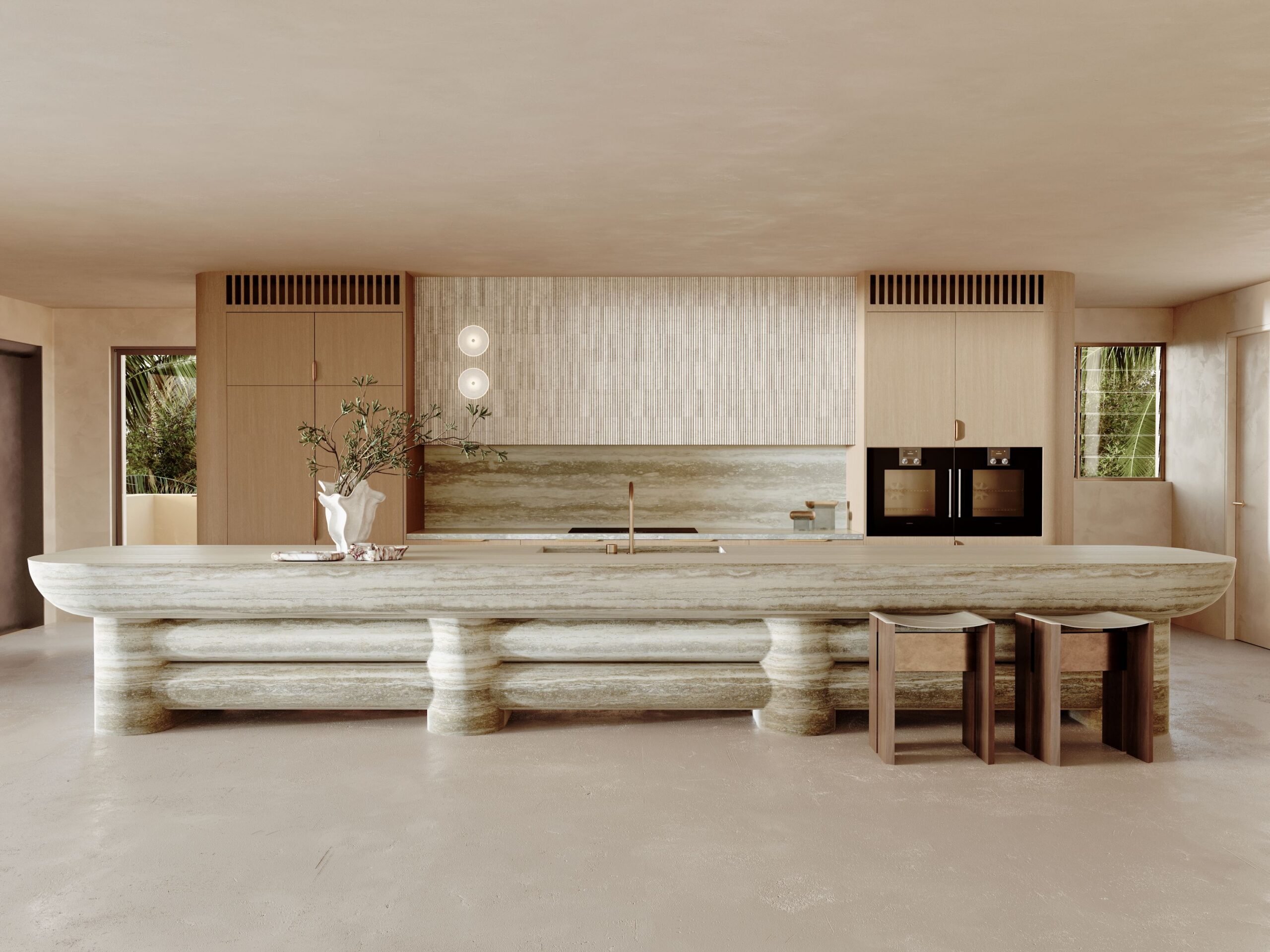
If someone experienced a SWAA project without knowing who designed it, what would you hope they’d feel immediately?
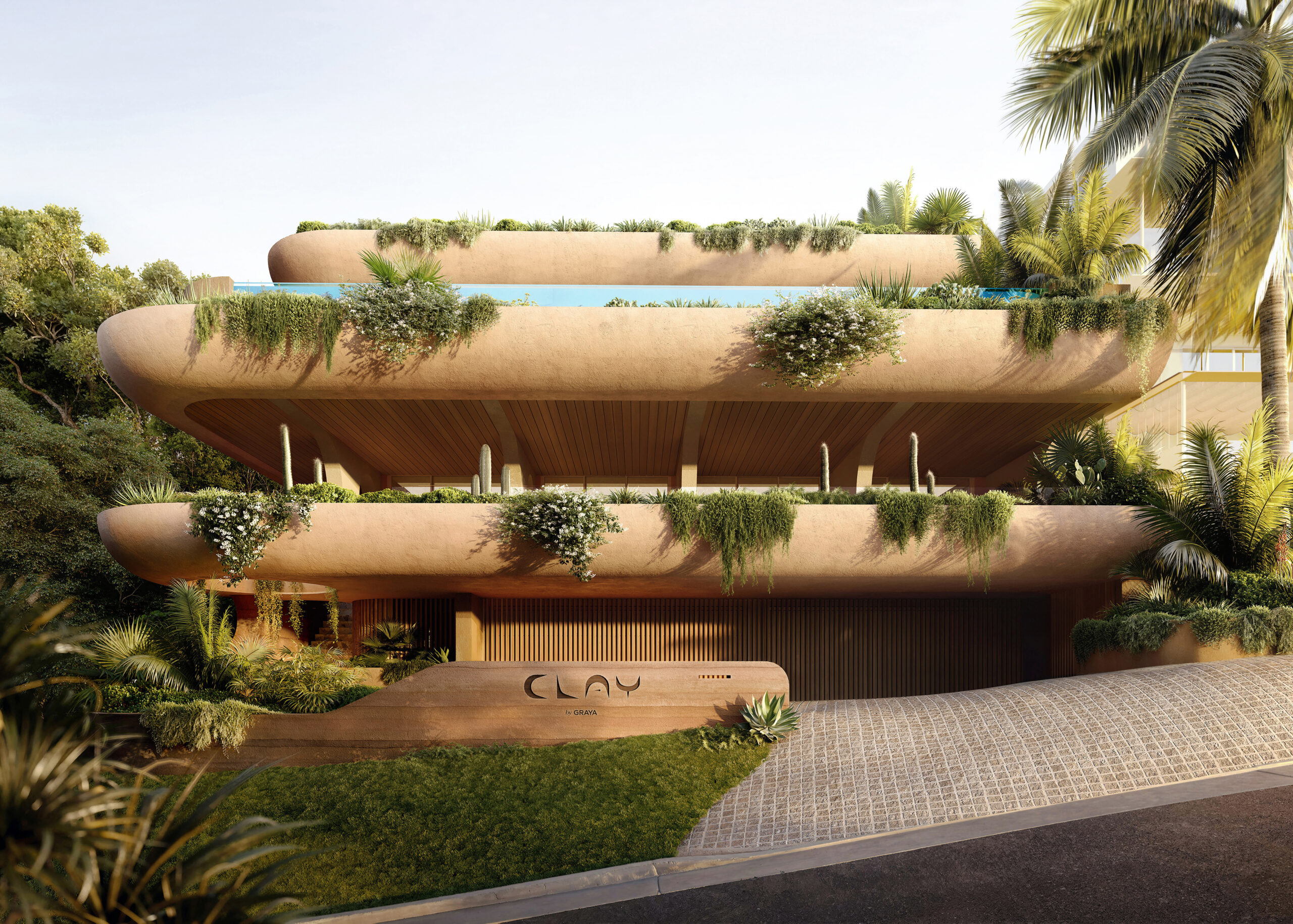
There is nothing more satisfying than seeing people inhabit and experience your work – and even better is when they use or perceive it in ways that you didn’t anticipate. We hope that people can sense the care and consideration that underpins what we do, and that the rigor and effort applied in creating the work can be ‘felt’ as something tangible in the quality of the work. Maybe a way to describe that is a feeling of being energized by inhabiting work that provides a change from the normative or the to-be-expected qualities of buildings, which are so mundane people don’t even notice or think about them. We want people in a SWAA building to say ‘Shit, that is cool!’