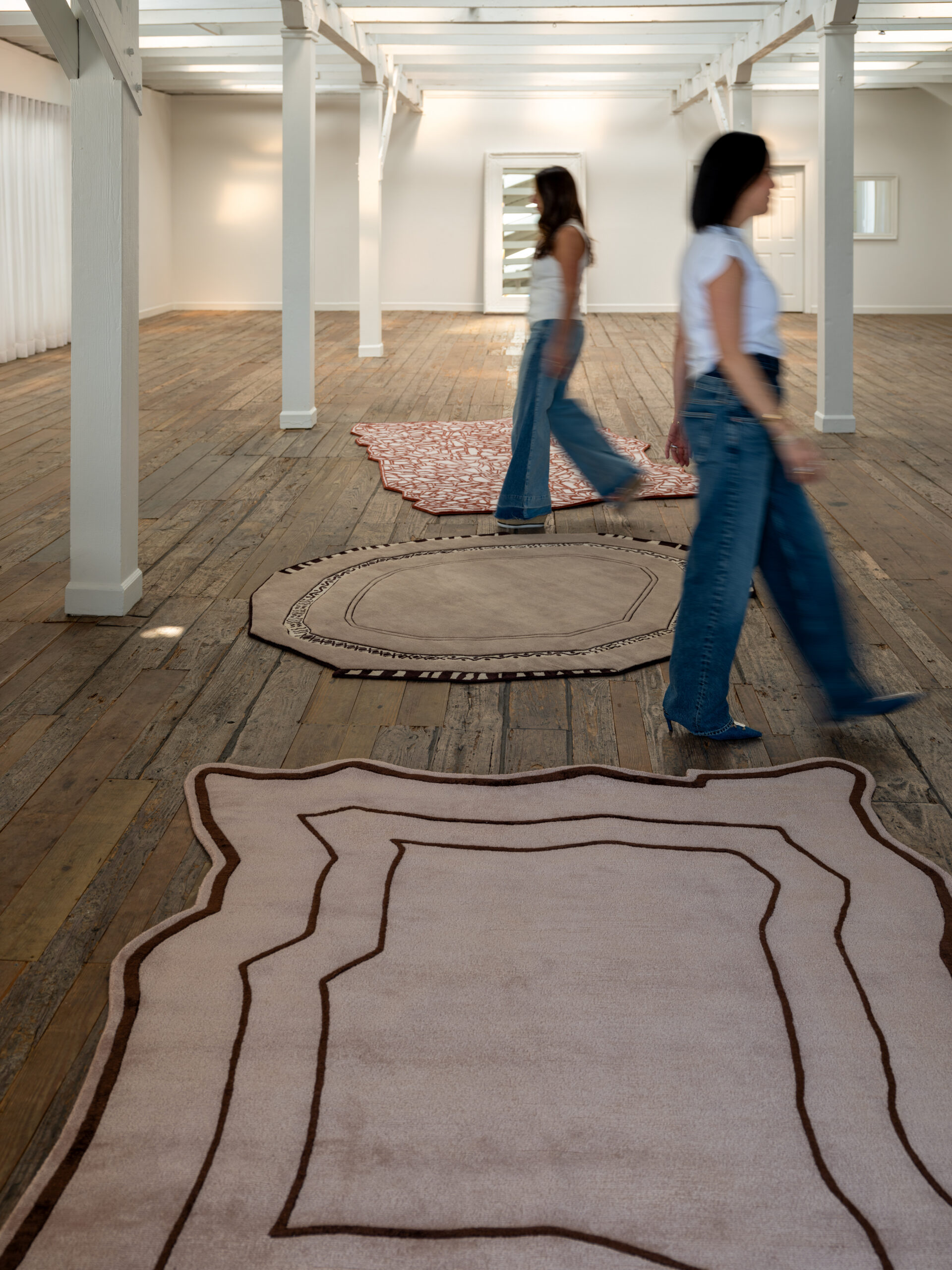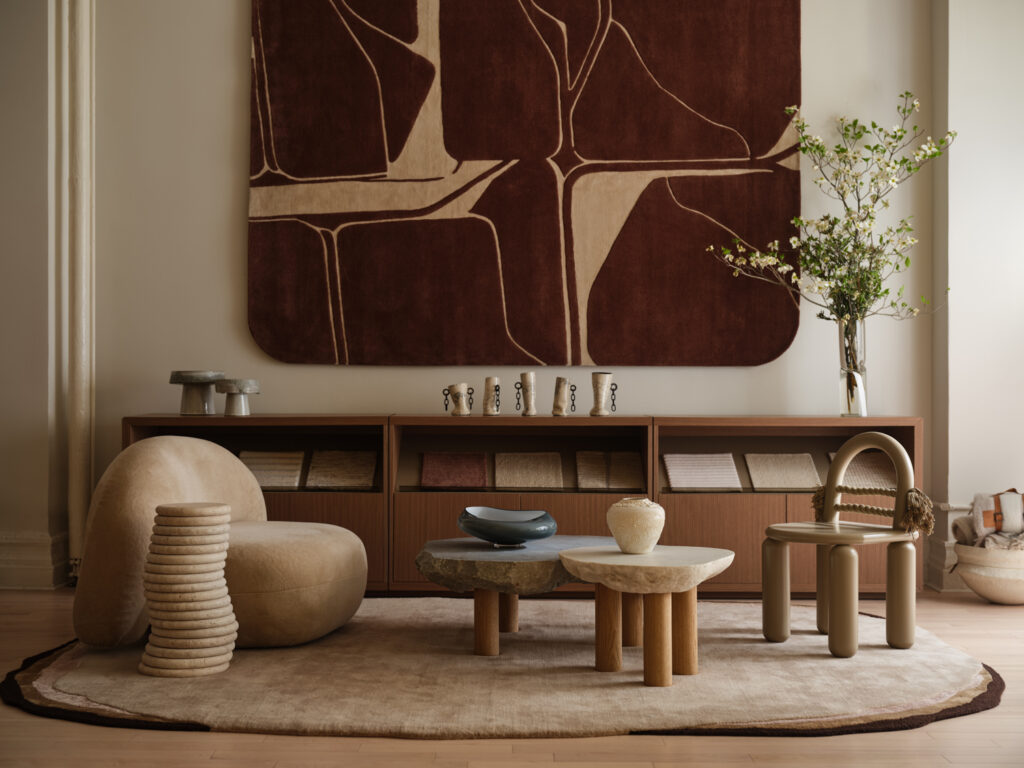
Samantha Gallacher is an entrepreneur and design leader, best known as the founder of Art+Loom, the Miami-based studio redefining rugs as collectible, art-driven works. With a foundation in interior design and textile development, her career sits at the intersection of design innovation, manufacturing, and brand building. She began in product design at West Elm, gaining expertise in large-scale production, before co-founding IG Workshop, a multidisciplinary design firm serving high-profile residential and commercial clients.
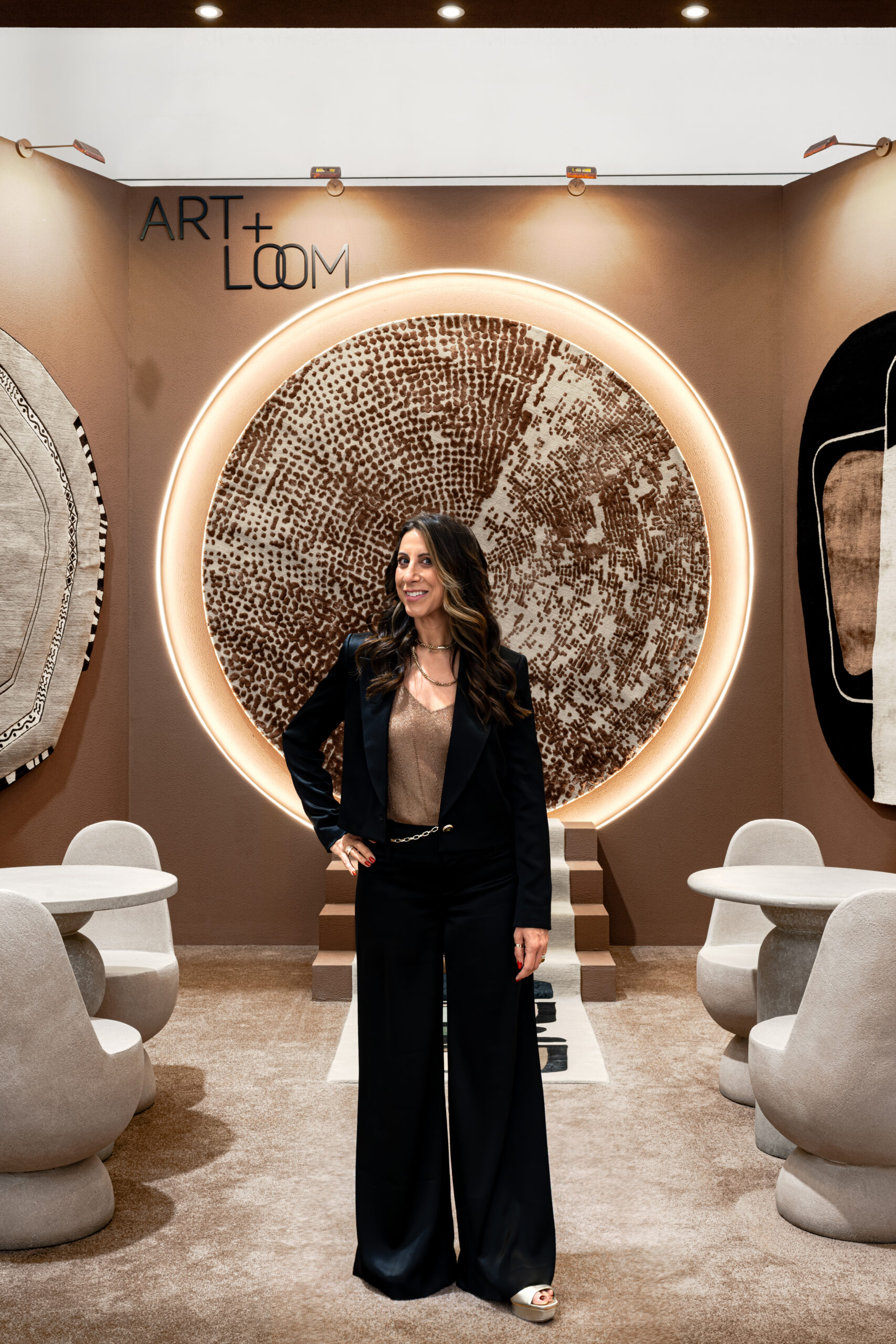
Through Art+Loom, Gallacher has transformed a niche idea into a globally recognized brand, collaborating with leading designers, advancing innovative production techniques, and repositioning rugs as central, expressive elements of contemporary interiors. The brand’s work has been exhibited internationally at premier design platforms including Alcova during Milan Design Week, Downtown Design in Dubai, Collectible in New York, and Carpet Diem in Paris, as well as Design Miami/ and NYCxDESIGN.
In spring 2026, she will expand her vision with the launch of Untold Editions, a new gallery concept in the heart of New York City. The space will showcase Art+Loom collections alongside exhibitions of independent furniture designers, creating a platform for emerging and international talent to present work in New York.Her work has been widely published in Architectural Digest, The New York Times, Vogue, Elle Decor, and Interior Design, solidifying her reputation as a leading voice in contemporary design.
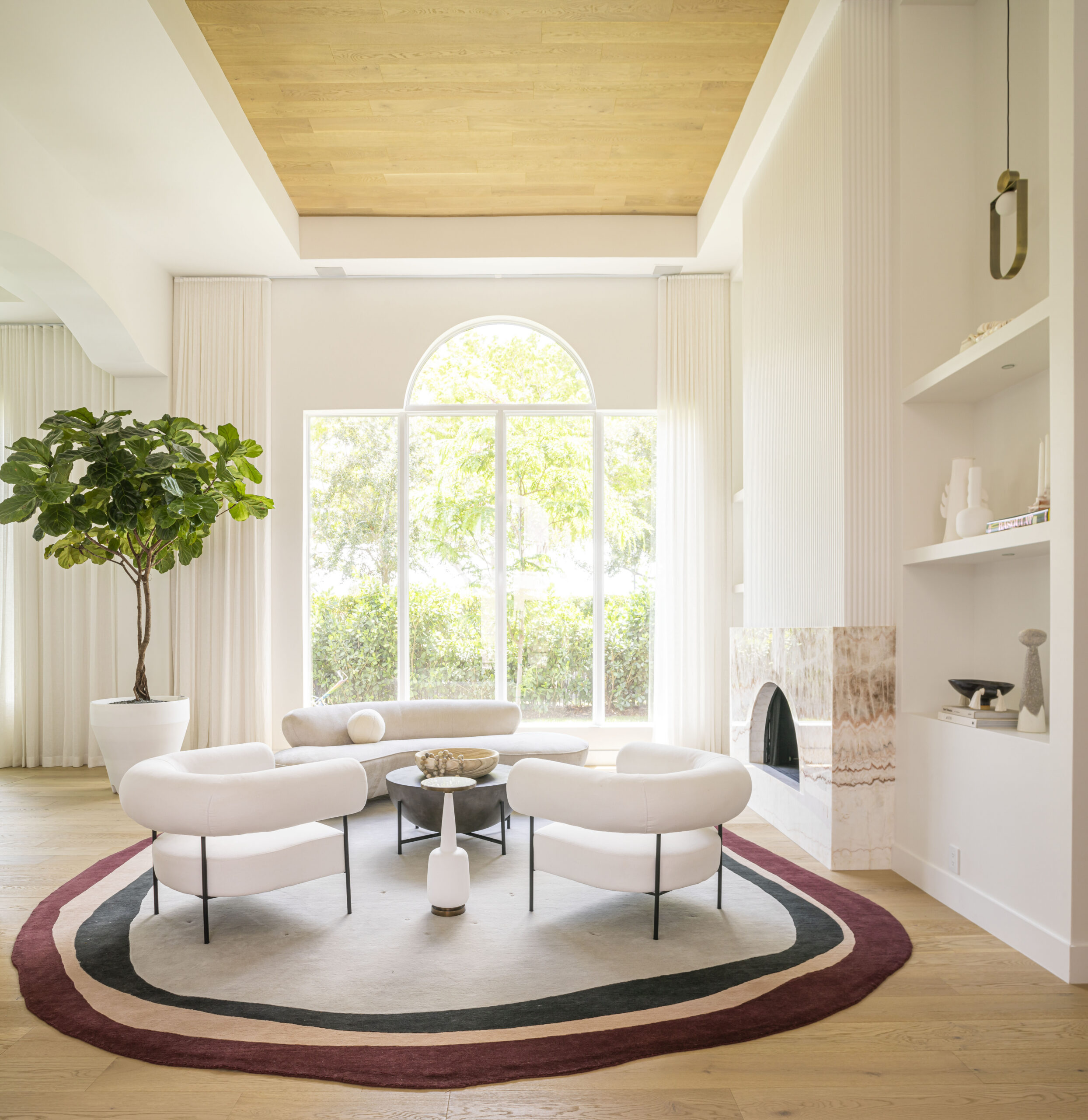
You’ve worked across interiors, textiles and product design — do these disciplines feel separate to you, or part of one larger creative language?
I believe everyone has an aesthetic language — a distinct point of view that shapes how they dress, design, style, and create. For me, interiors, textiles, fashion, and product design all feel like different expressions of the same visual vocabulary. While my aesthetic language is constantly evolving, I hope there’s still a recognizable thread running through everything I make that feels inherently my own.
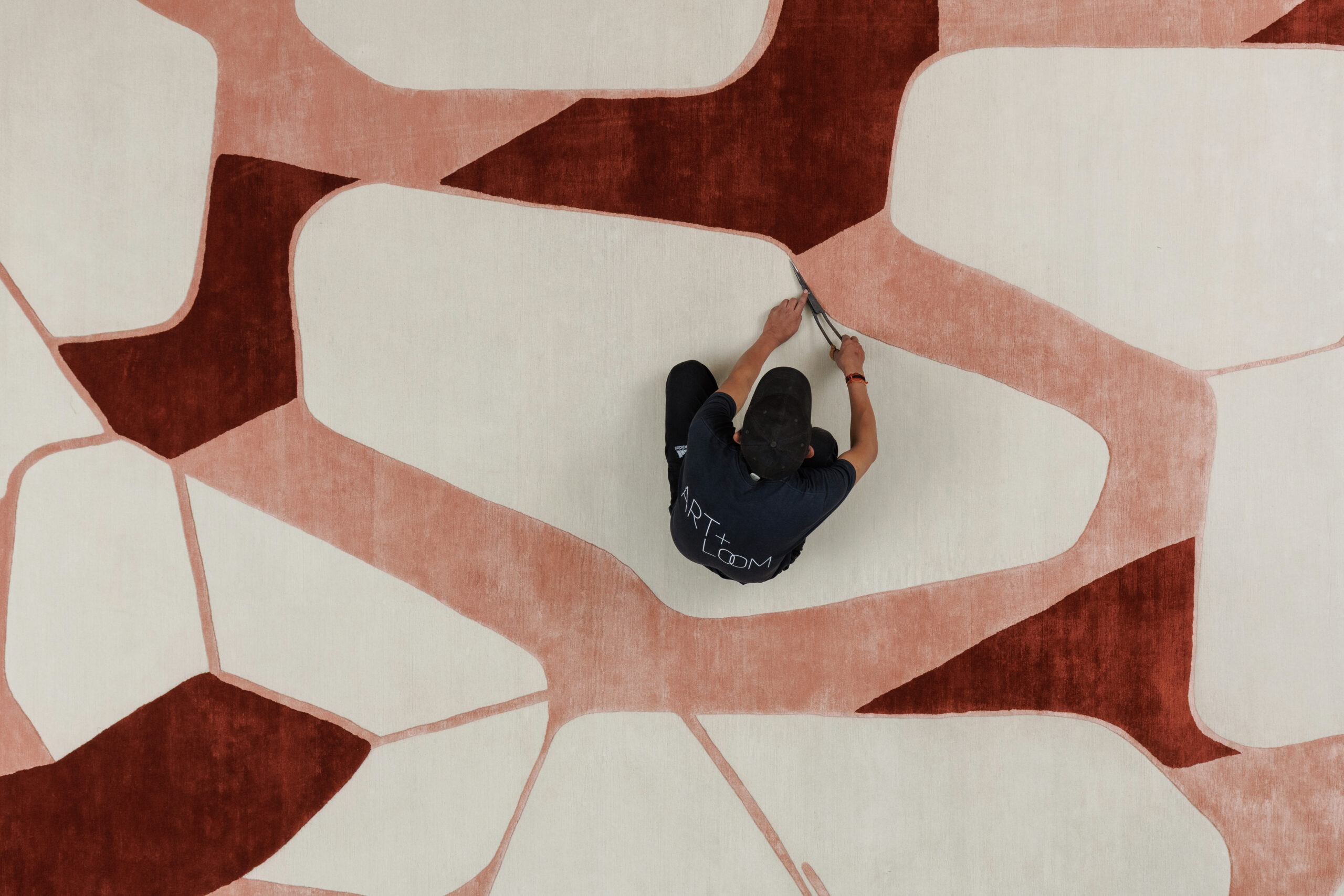
Can a room communicate emotion the same way fashion or art can?
Absolutely — a room can communicate emotion just as powerfully as fashion or art. When a space is designed with intention and allowed to remain true to that vision, it carries emotion in the same way a painting or a garment does. Through texture, scale, color, light, and composition, interiors can evoke feeling, memory, and atmosphere just as deeply as any other creative medium.
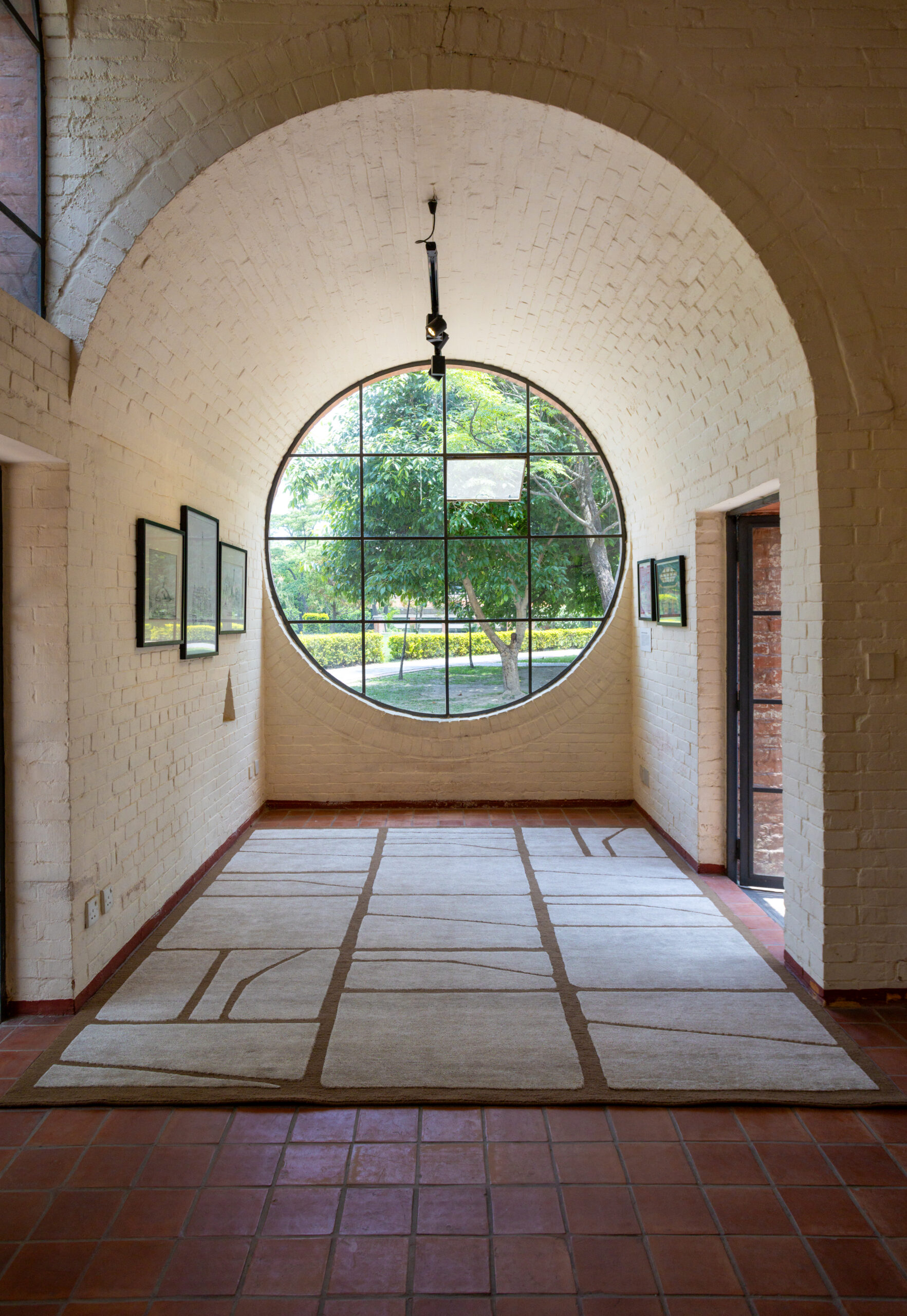
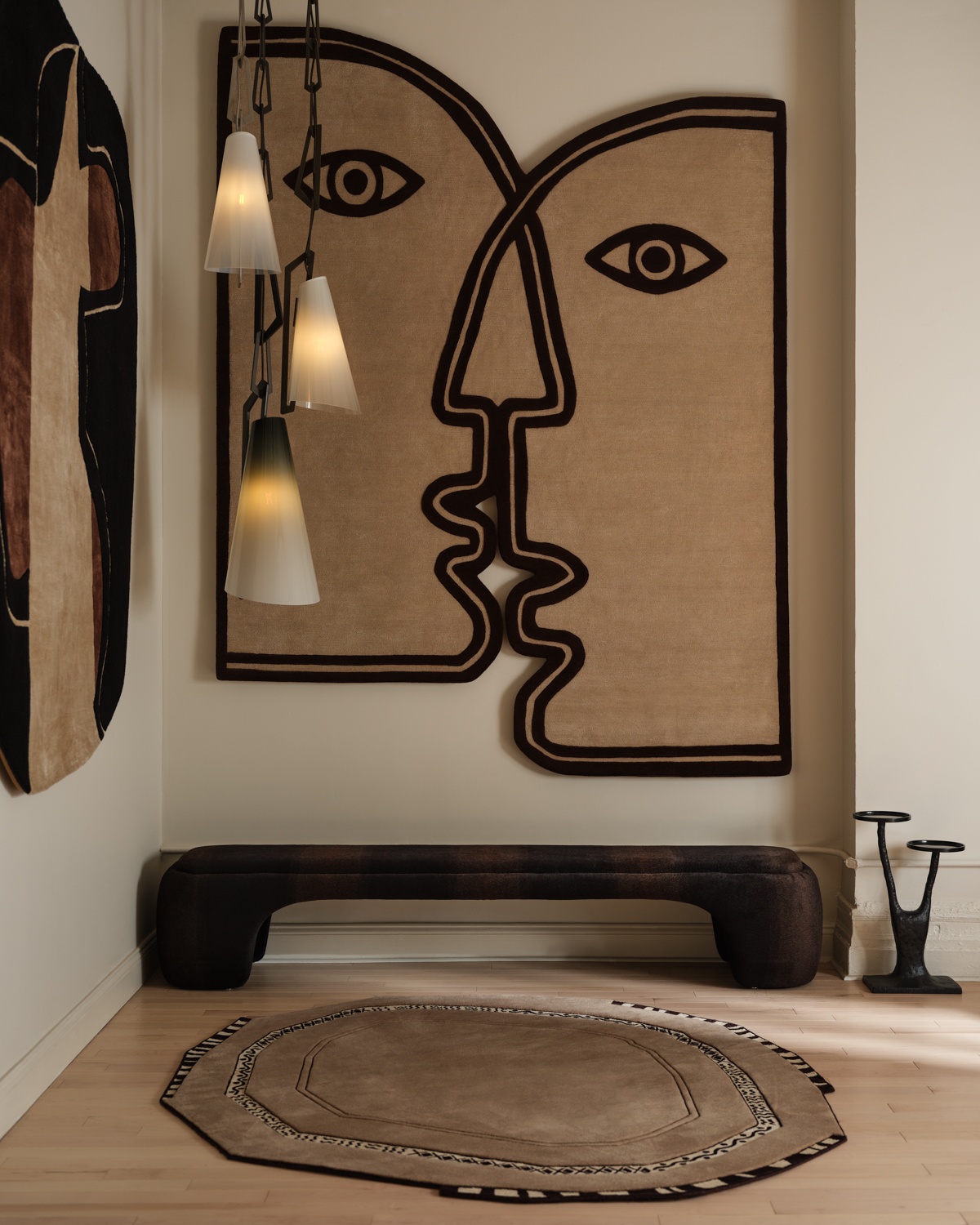
You describe Art + Loom as “art for the floor” — when did rugs stop feeling functional and start feeling expressive to you?
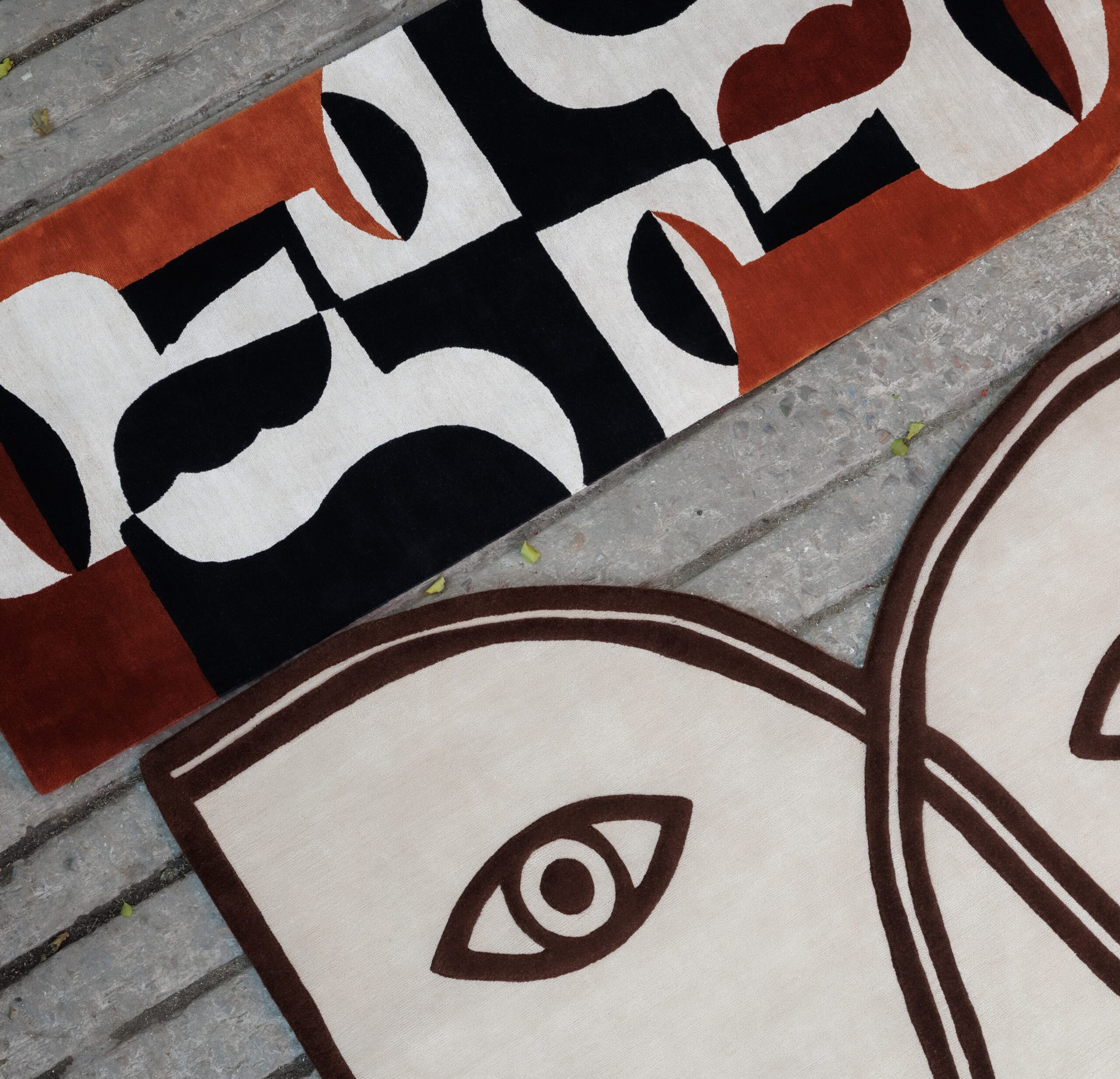
Rugs, more than any other design medium, have always felt like a canvas to me. There are virtually no limitations — they can be completely one-of-a-kind, with endless possibilities in color, shape, texture, and material. That freedom is what transformed them from something purely functional into something deeply expressive in my eyes.
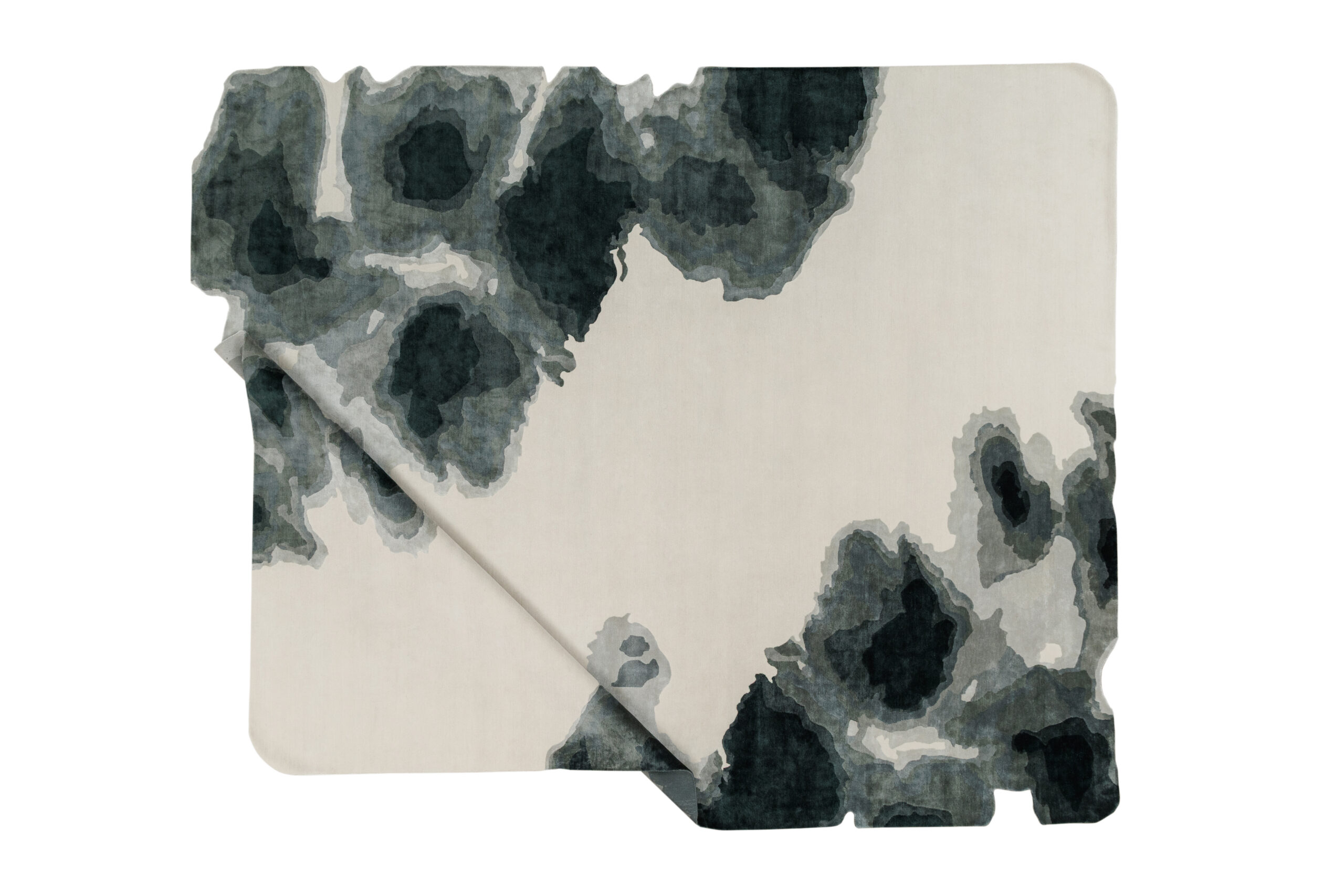
“Interiors, textiles, fashion, and product design all feel like different expressions of the same visual vocabulary.”
Do you think people underestimate the psychological impact of textiles in interiors?
Yes — I think people often underestimate the psychological impact textiles can have within a space. It’s usually not until they experience a room where textiles are making a strong statement that they fully understand the difference they create. Texture, softness, pattern, and materiality can completely shift the mood and emotional atmosphere of an interior.
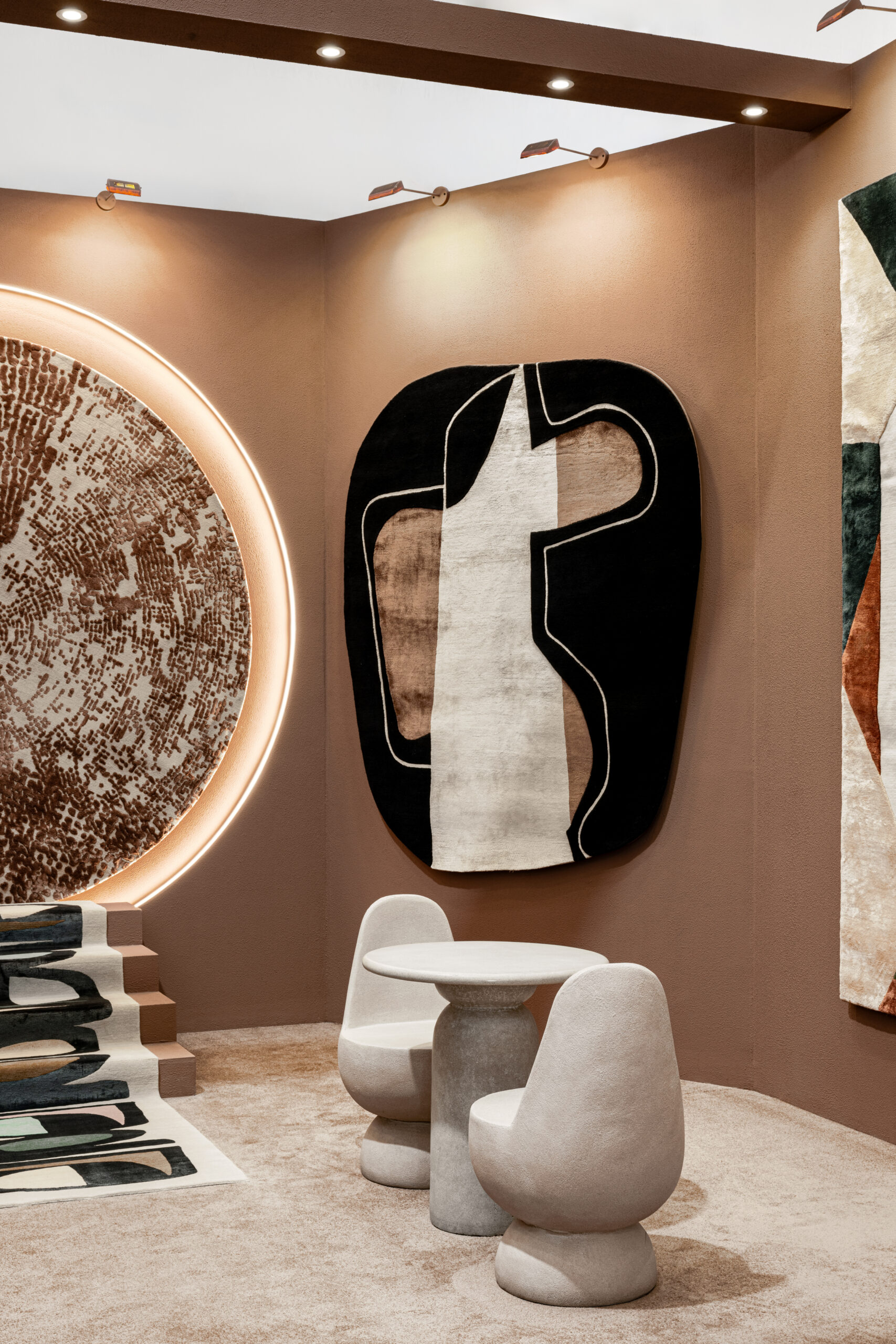
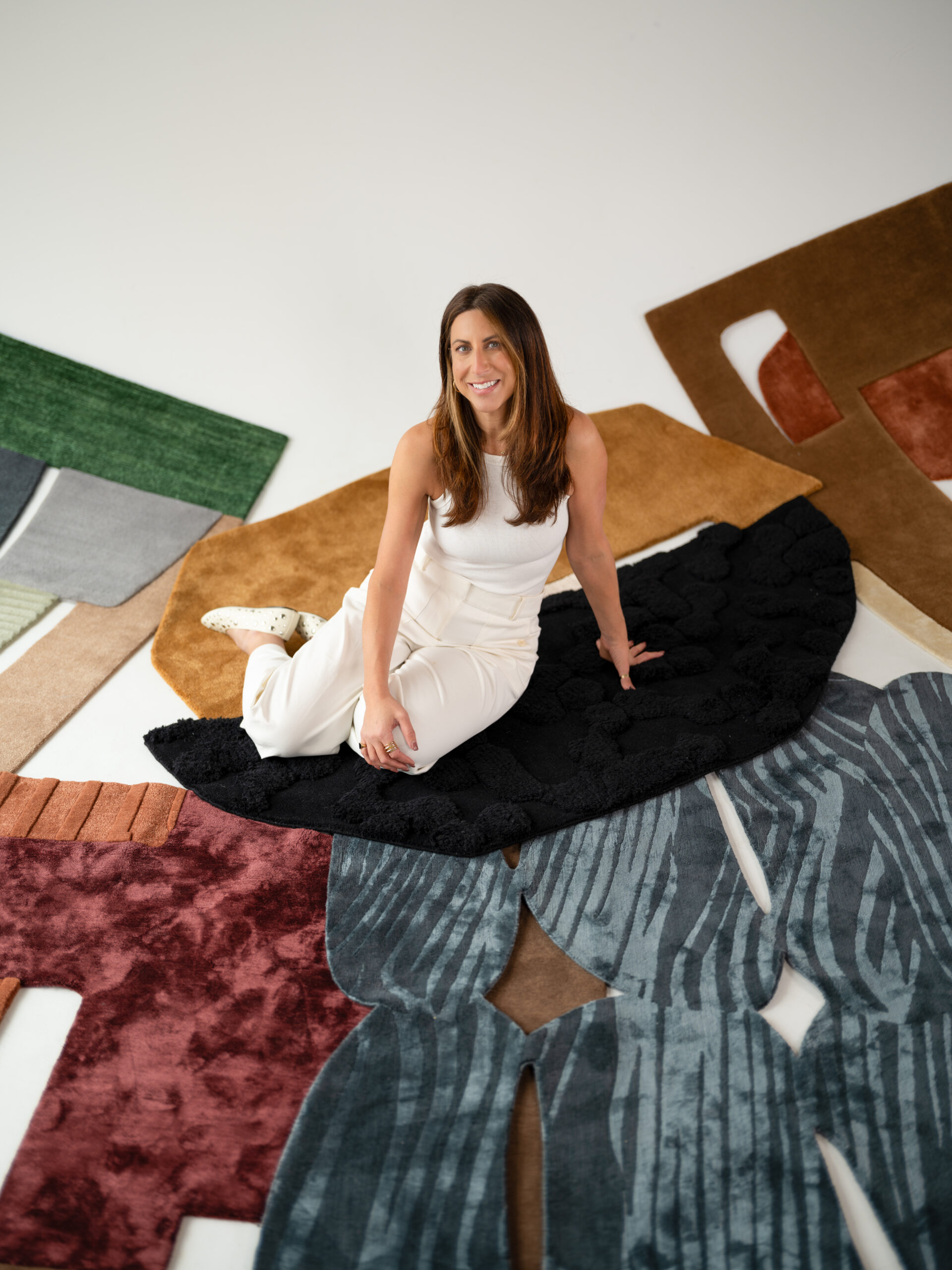
What excites you most about collaborating with artists and designers from different disciplines?
What excites me most about collaborating with artists and designers from different disciplines is the fresh perspective they bring. There’s something incredibly rewarding about reaching out to an artist you deeply admire and brainstorming together about what could become a bold, new, and unexpected rug. Those collaborations often push ideas into places you wouldn’t arrive at on your own.
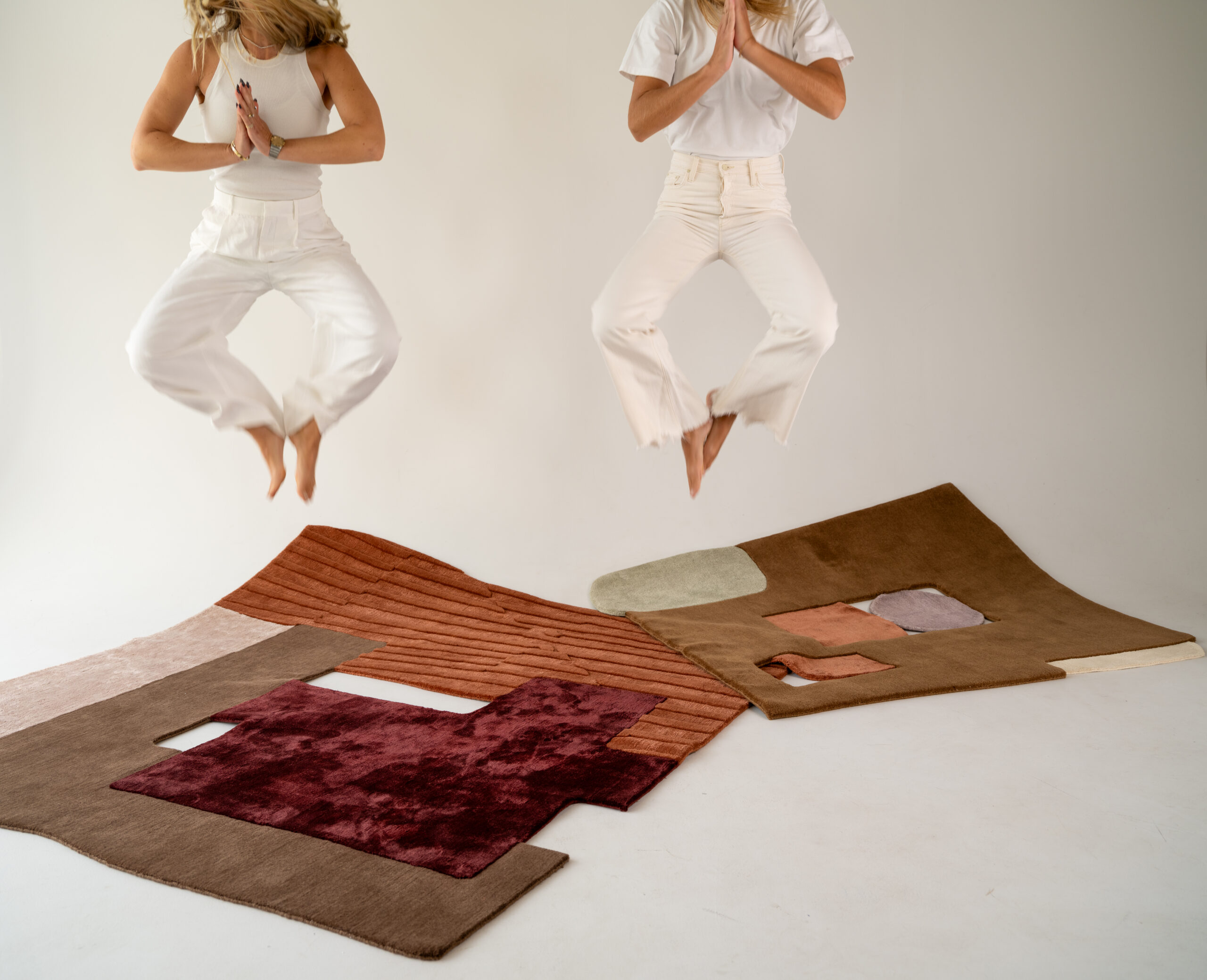
In an era of fast interiors and trend cycles, what does longevity look like to you?
To me, longevity is about creating something timeless — a design with bold elements and personality that never feels tiring. A truly lasting piece is versatile enough to live alongside many different styles of furniture and interiors while still maintaining a strong identity of its own.
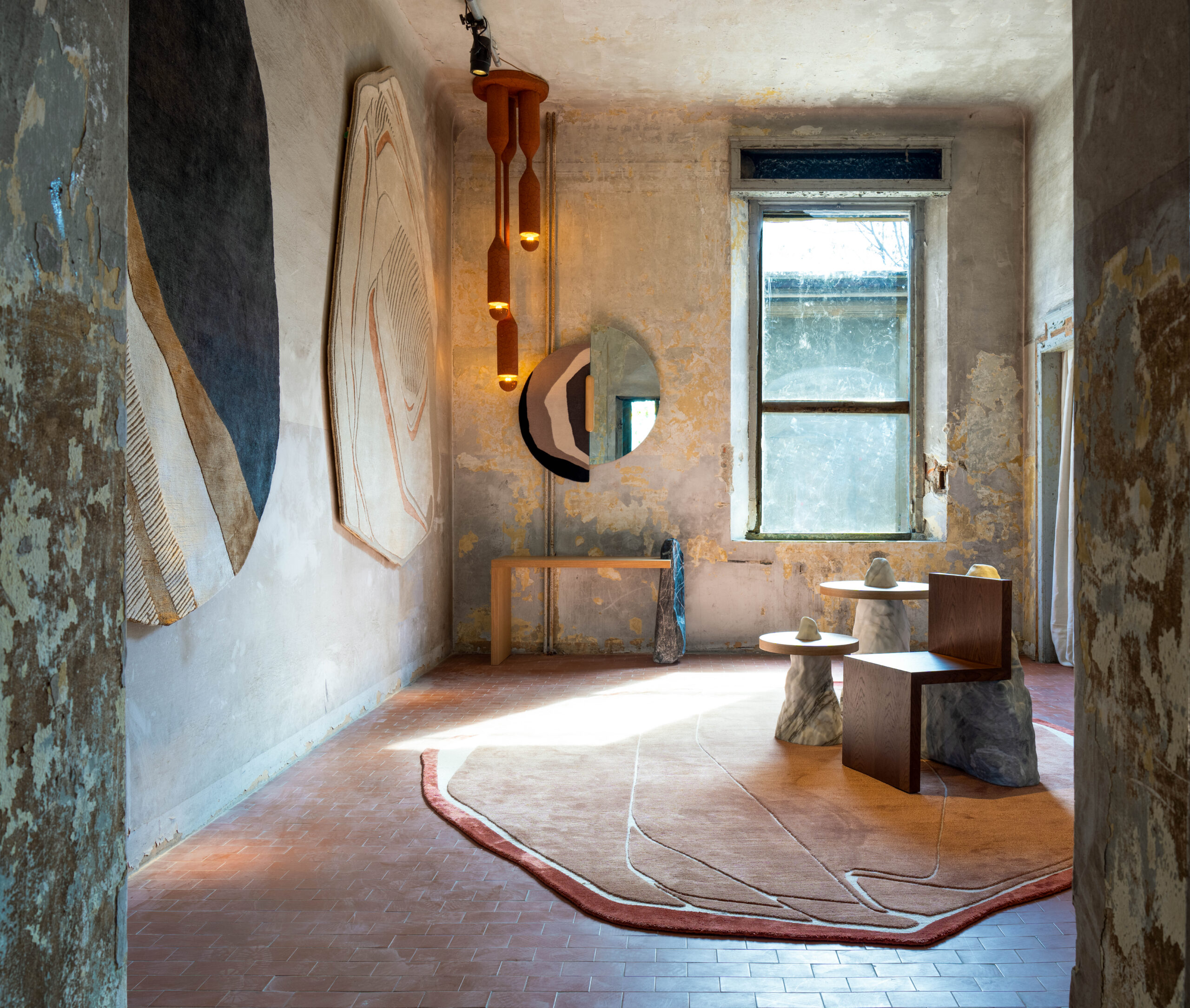
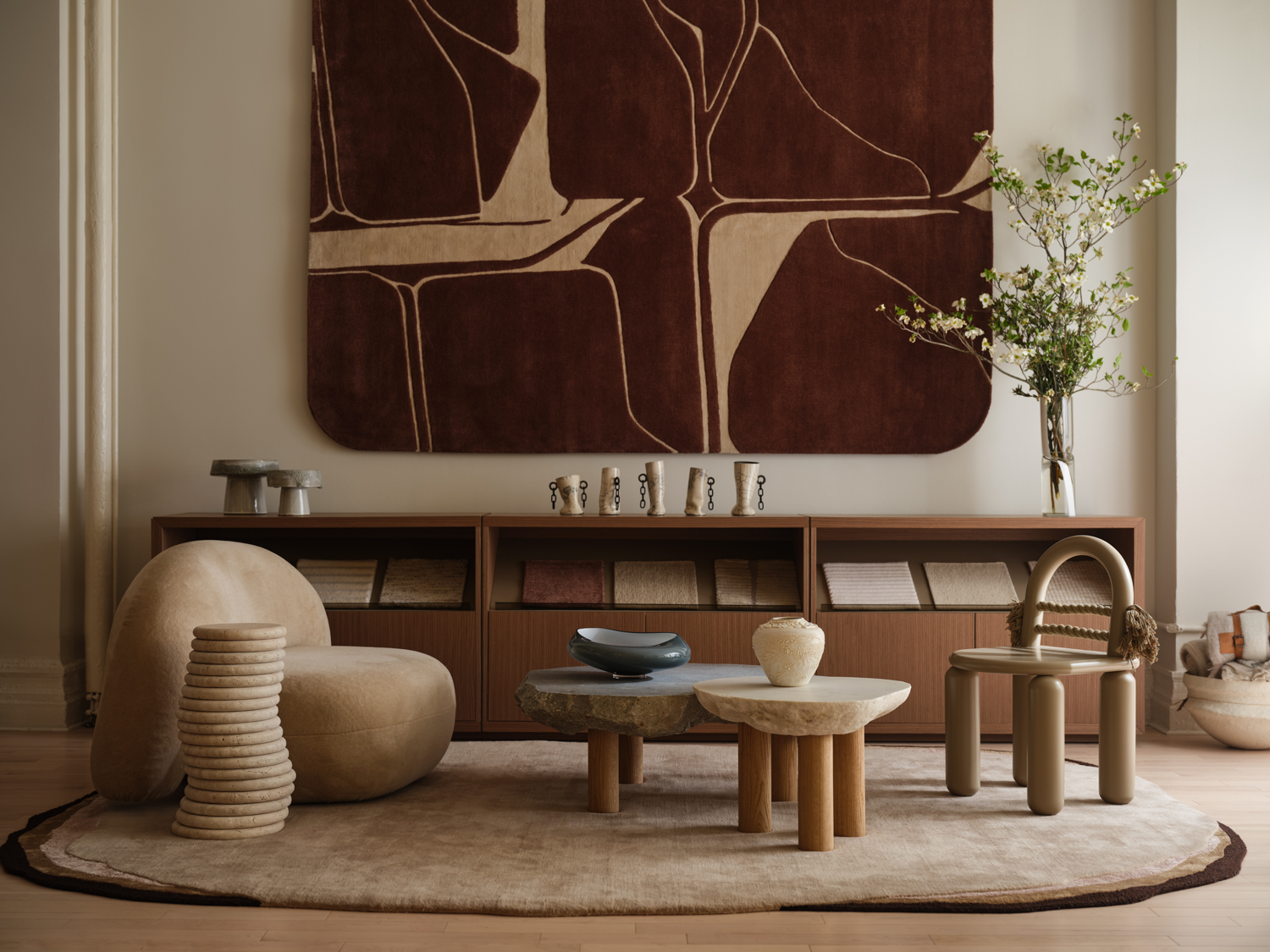
If someone encountered your work without context, what would you hope they feel immediately?
I would hope they immediately feel curiosity and emotion — that the work feels expressive, unexpected, and deeply intentional. More than anything, I’d want it to leave an impression that feels both artistic and timeless.