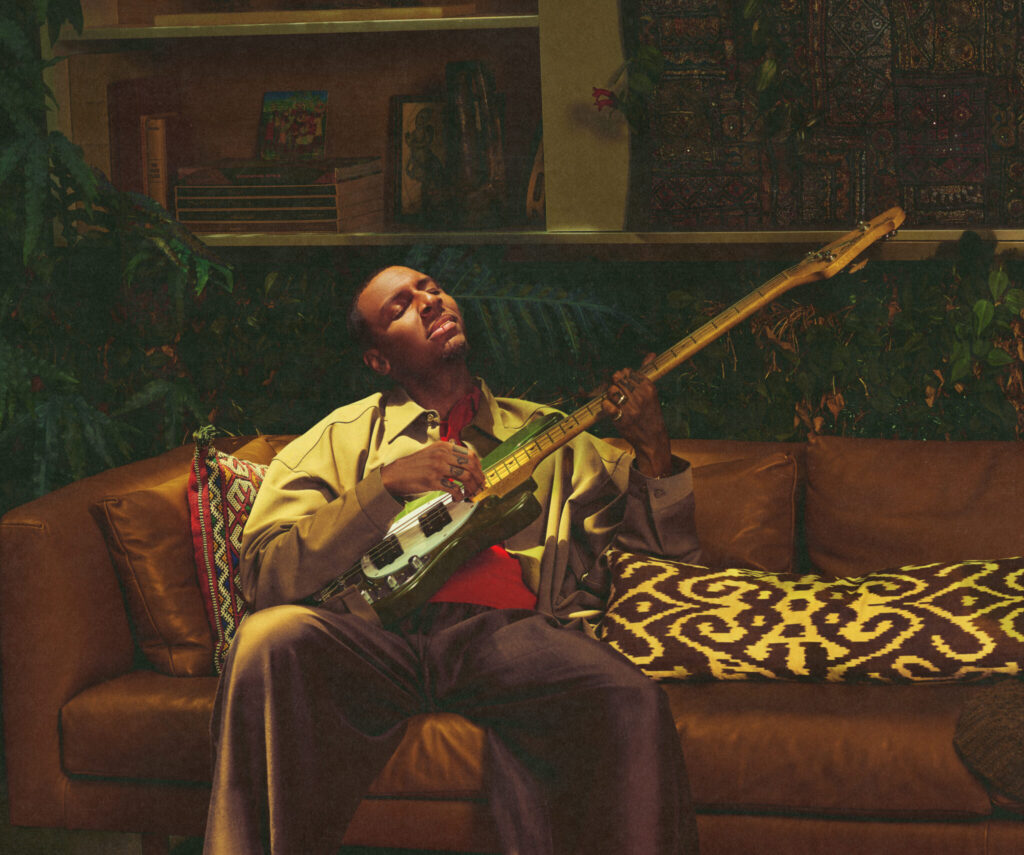
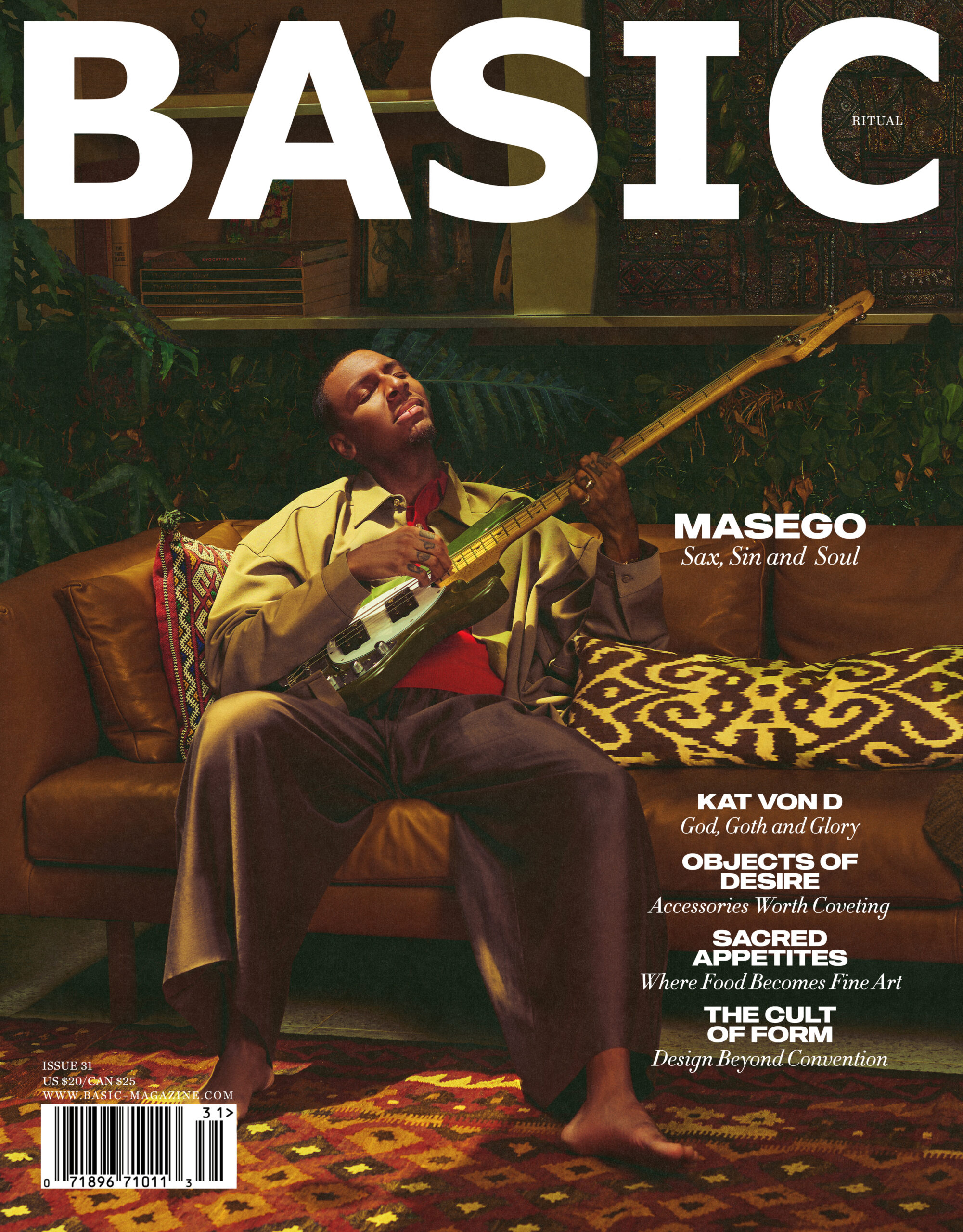
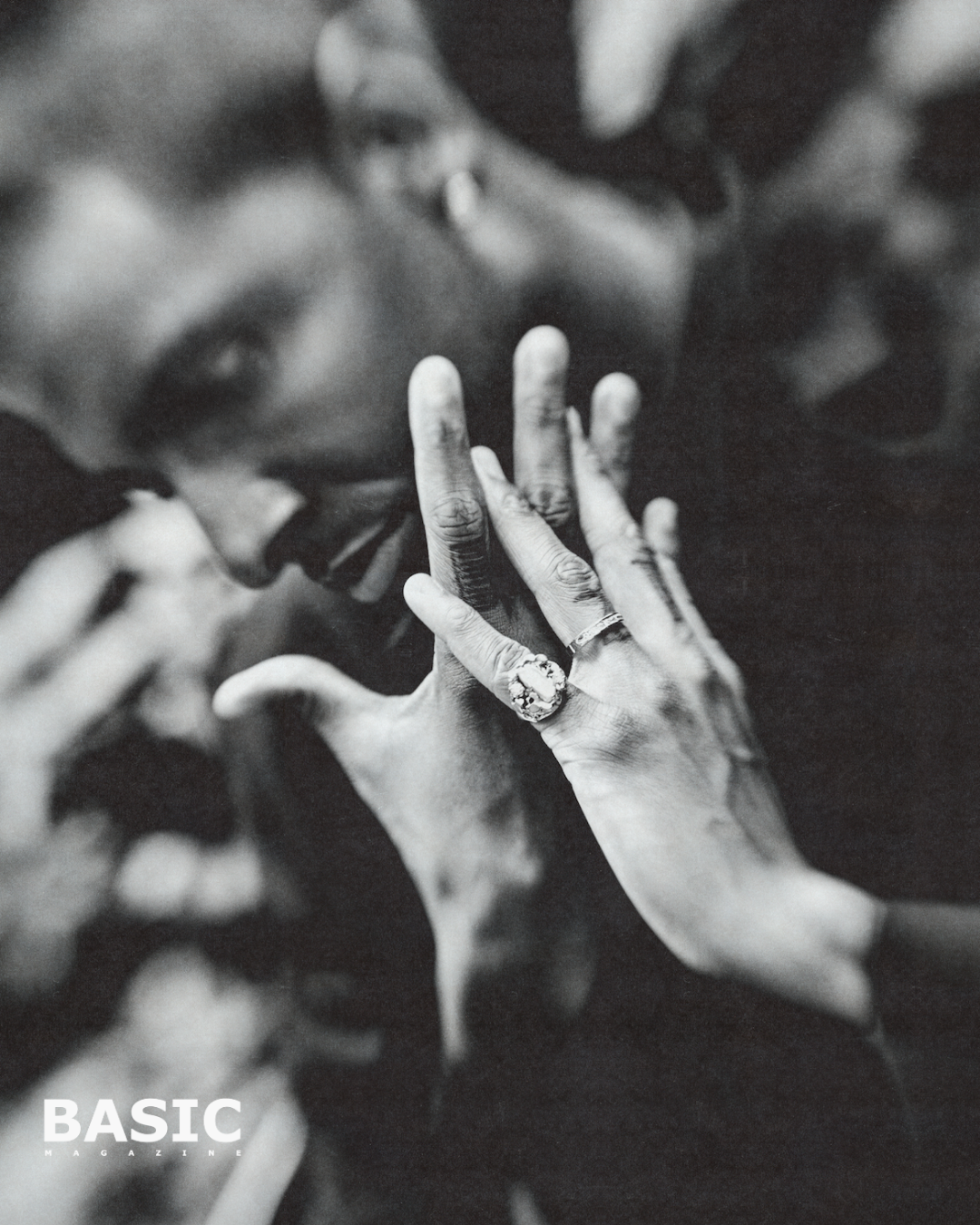
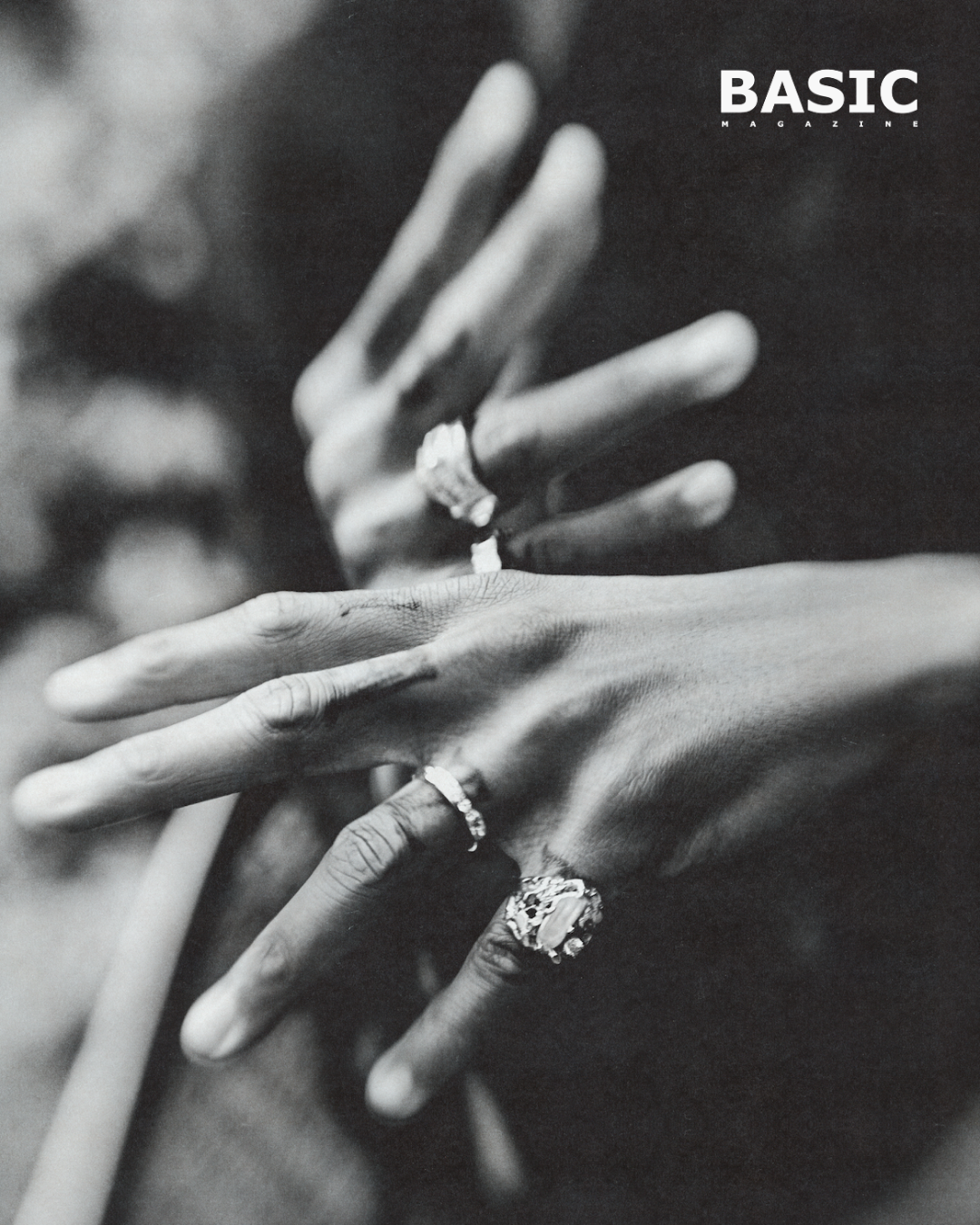
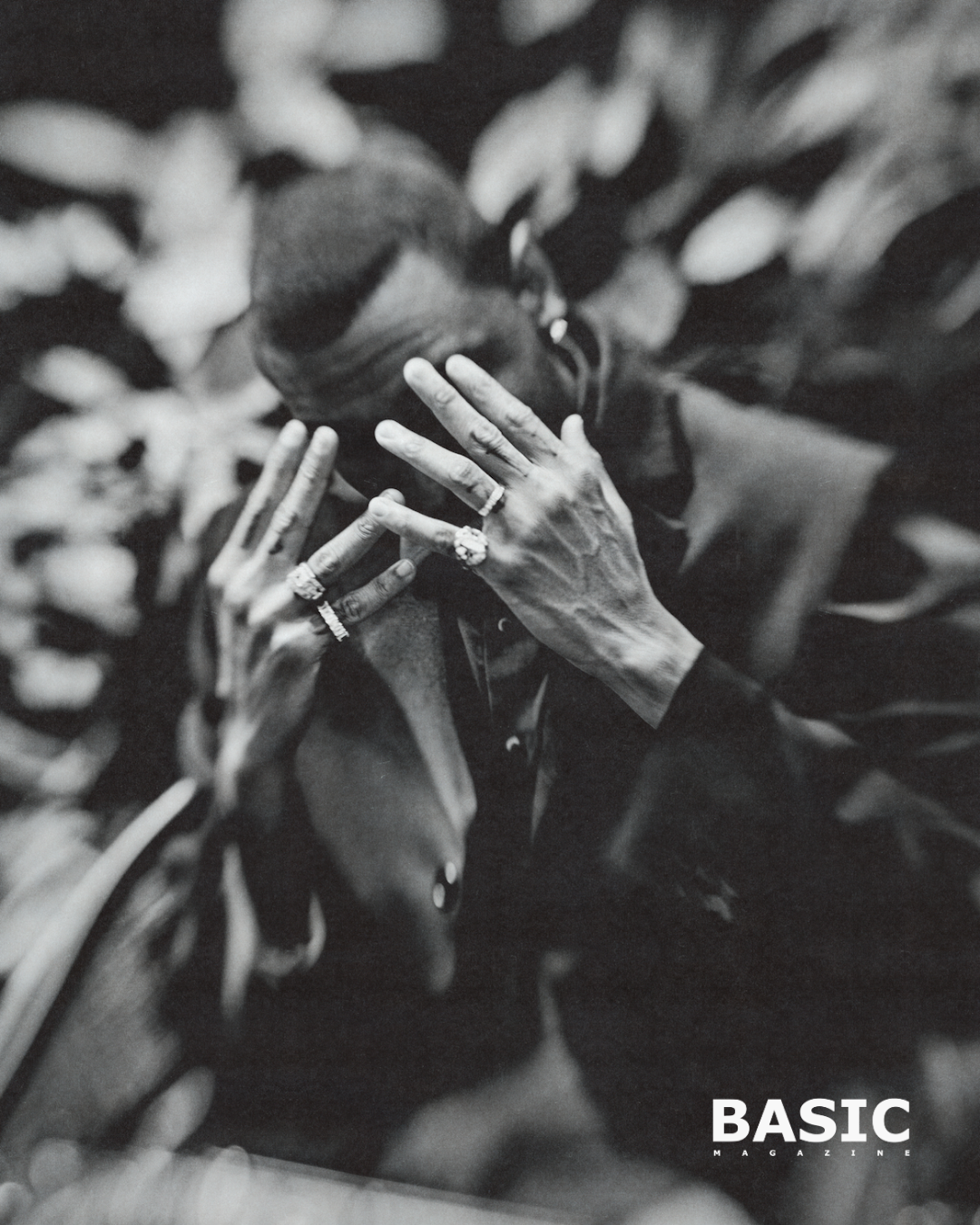
Jewelry BRYAN VO @bryanvobespoke @bryanvo
Photographer GUSTAVO CHAMS @gustavochams
Stylist PEIWEN WANG @p3iwenwang
Grooming MICHELLE HARVEY at Opus Beauty using Epicutis + Oribe @groomedbymichelleharvey
Production CASSIDY COCKE @cassidy.ac
Set Designer LILY STARCK @lilystarck
Cinematographer DAMETREUS WARD @meech213
Photo Assistant JATHAN CAMPBELL @jathancphoto
Stylist Assistant SYUAN HUANG @loraismexx
Retoucher VICTOR WAGNER @vwretouch @odmgt
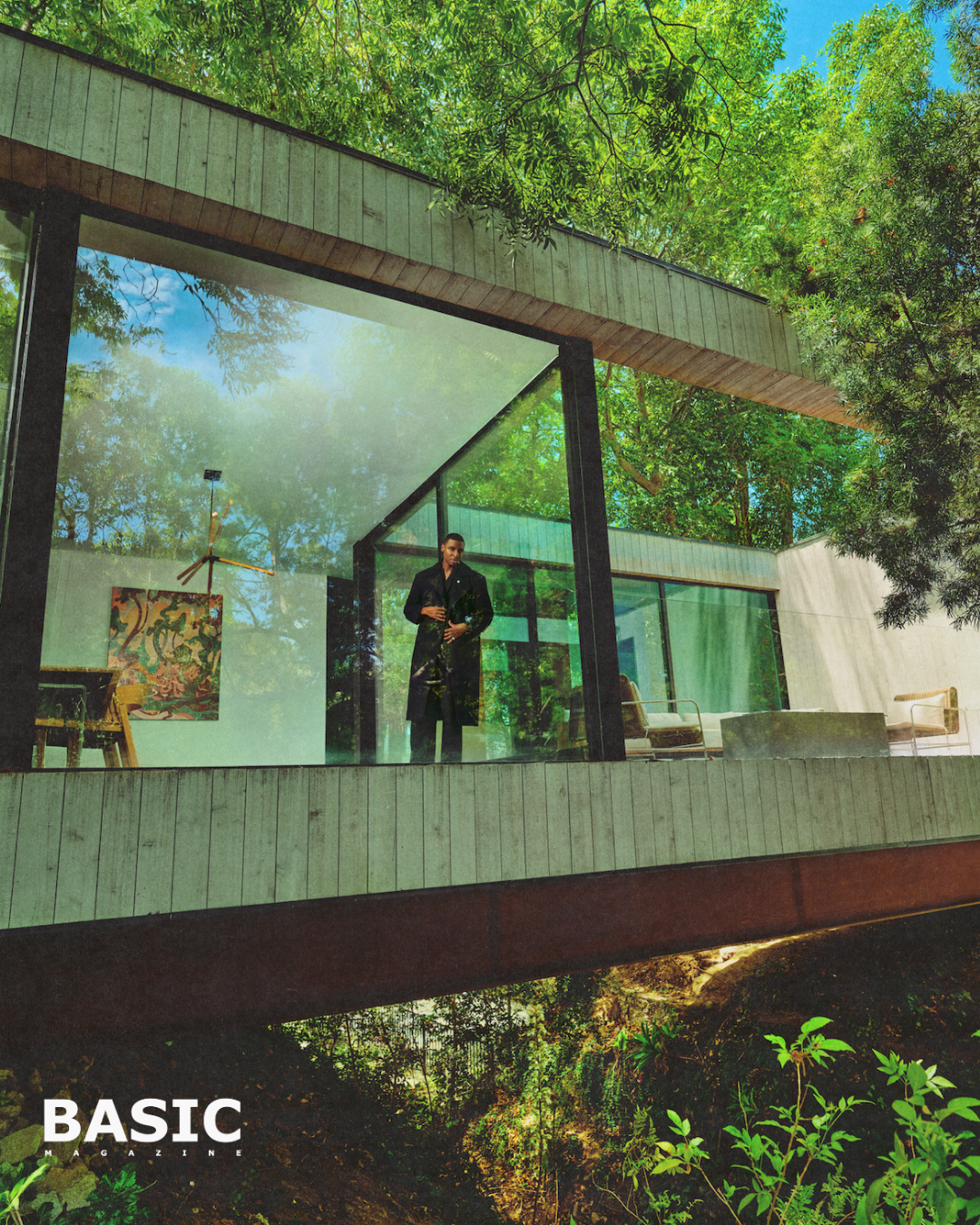
Location DAN BRUNN ARCHITECTURE, BRIDGE HOUSE @dbarchitecture @bridgehousela
Masego’s musical foundation was forged in the church. His Sunday alarm Kee, CeCe Winans, J. Moss, and Fred Hammond bled through the walls, filling each room with the comfort of faith and tradition passed down through generations. Those songs held meaning across the African diaspora, despite the distance between its communities. On the way to basketball practice, his father’s six-disc CD player shuffled some amalgamation of reggae, dancehall, and lovers rock. Gospel kept him grounded, while Mutabaruka, Dennis Brown, and Bob Marley and the Wailers granted him audacity.
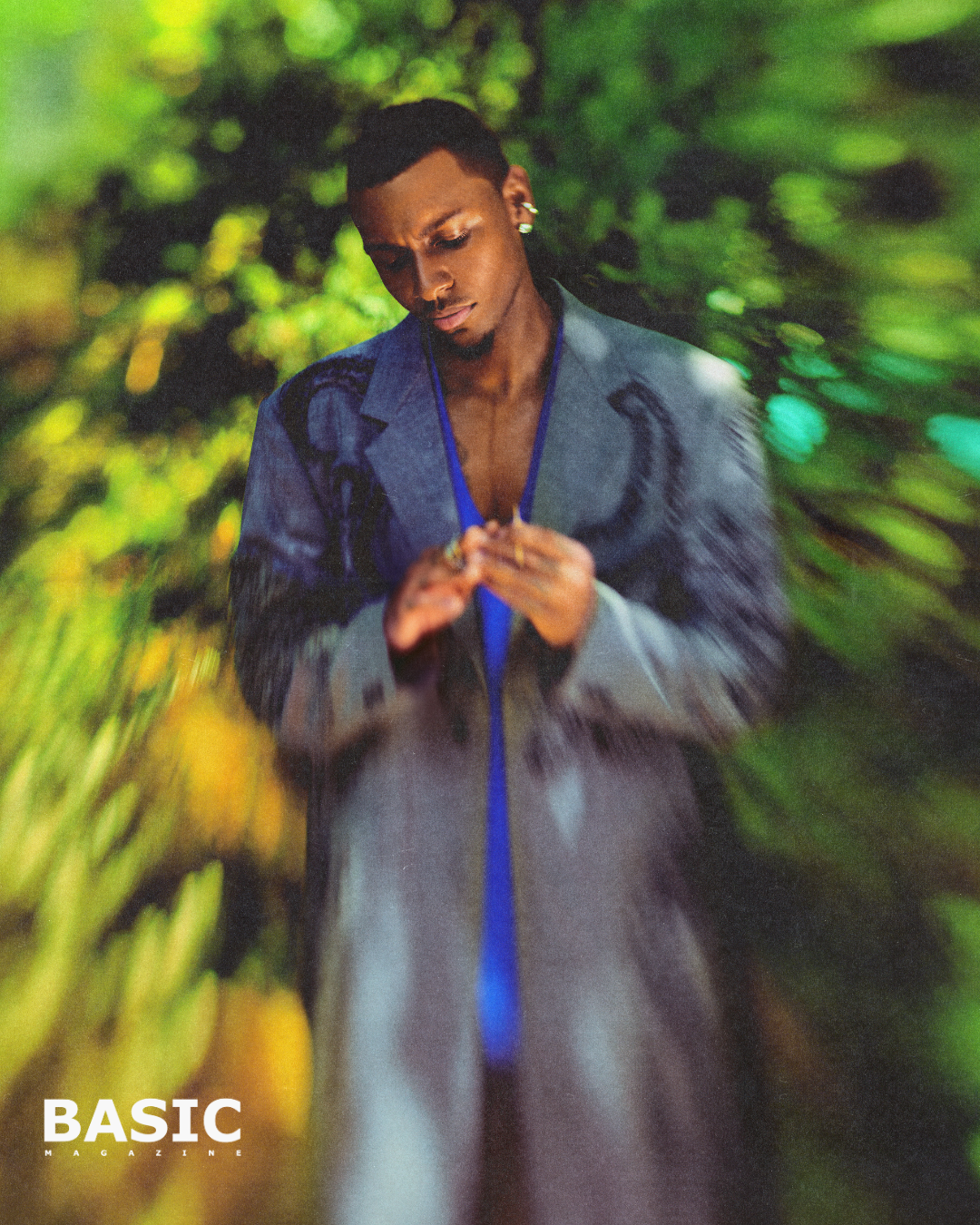
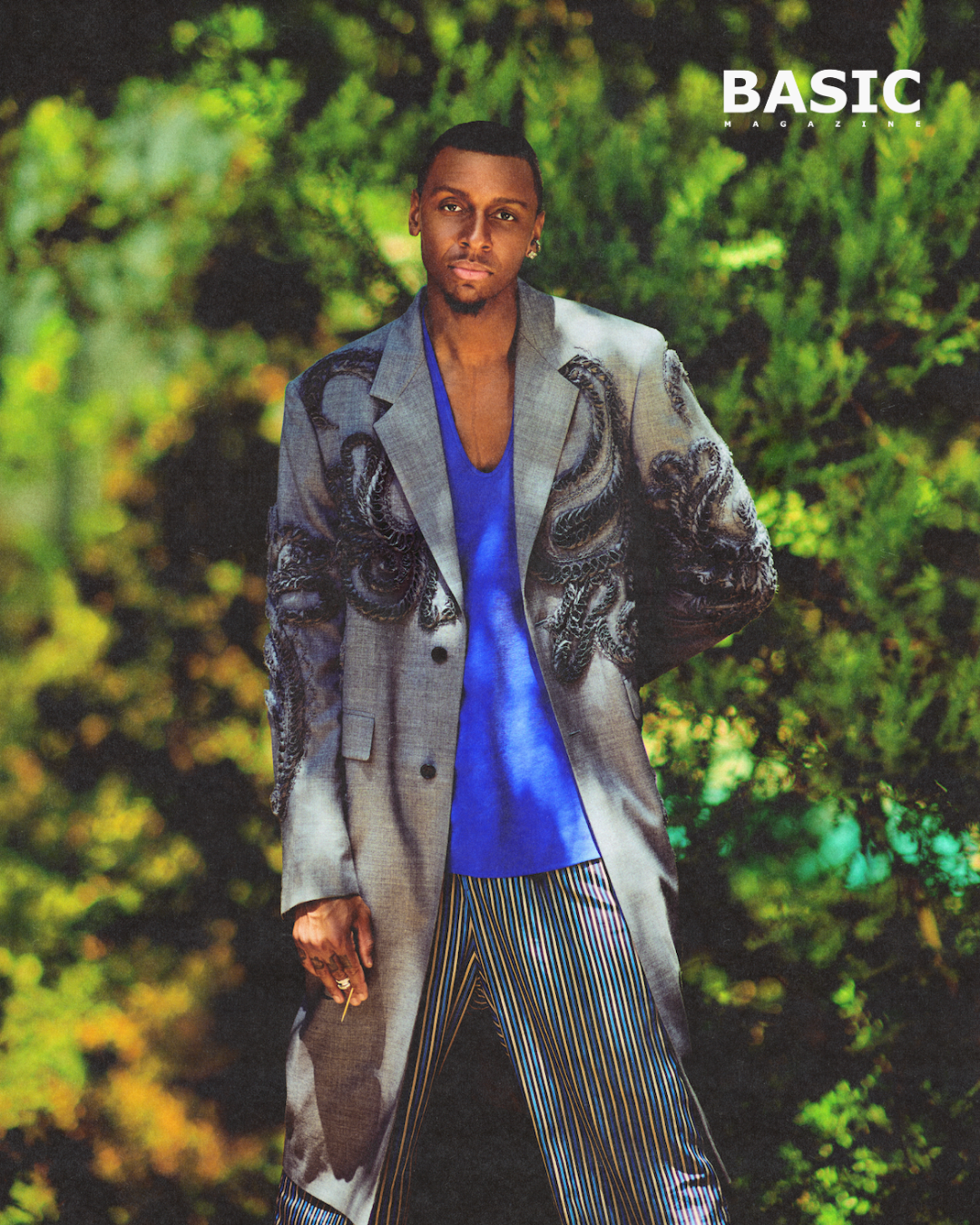
Tank Top THE MANNEI @the_mannei
Trousers BALENCIAGA @balenciaga
Jewelry BRYAN VO @bryanvobespoke @bryanvo
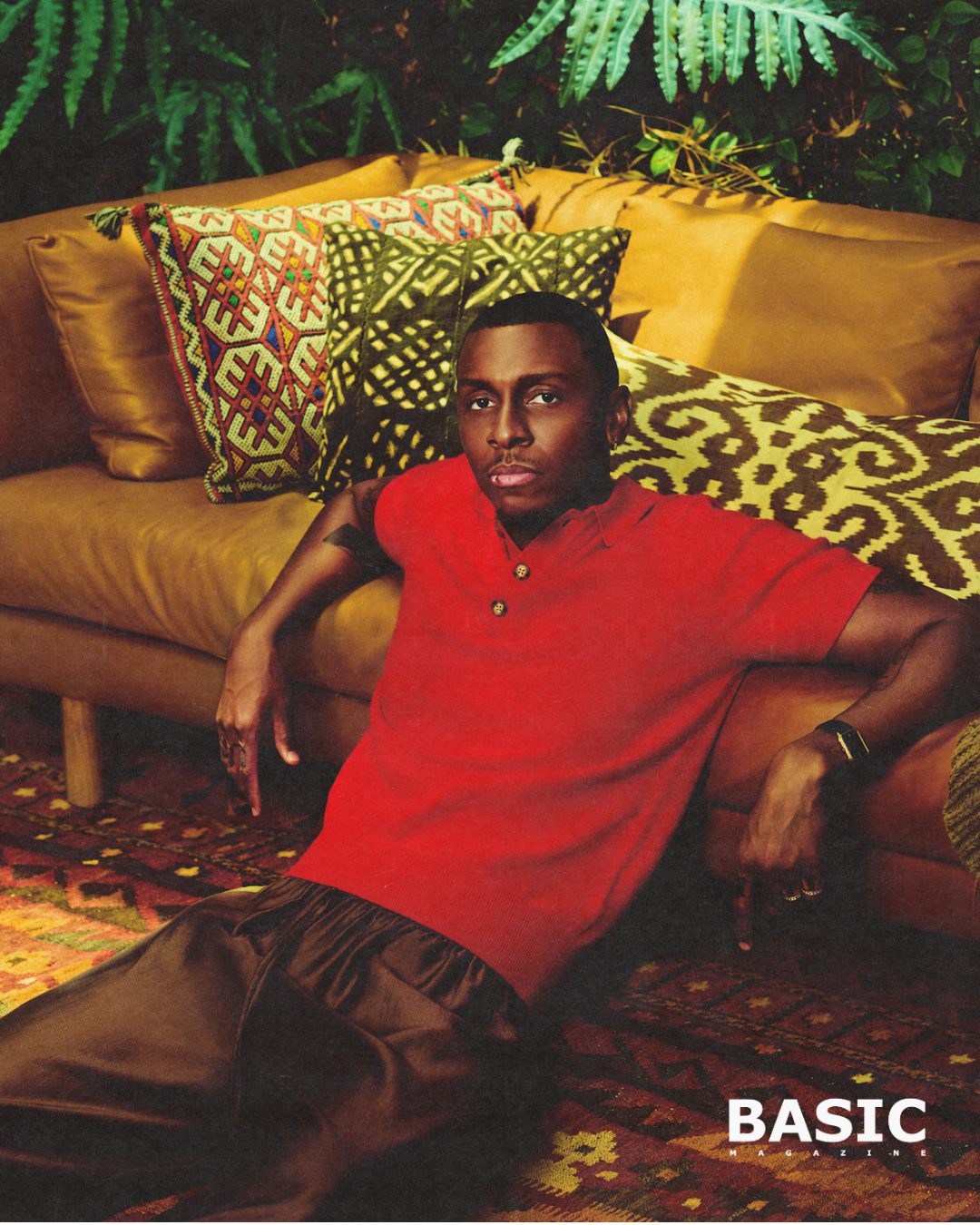
Jewelry BRYAN VO @bryanvobespoke @bryanvo
As our conversation moved from Sunday gospel to the Jamaican records his father played on the way to basketball practice, Masego sat up in his chair. “Our stories are very similar,” he said. Until then, his answers had been thoughtful and restrained.But as we traded memories of Caribbean household colloquialisms, church, homes filled with sound, and the customs our families carried with them, he opened up.
That recognition speaks to the connective tissue across these cultures. African, African American, and Caribbean cultures are not interchangeable but intertwined through art, sound, and shared experience. Spirituality serves as both foundation and center, while music expresses feelings of celebration, contemplation, and grief. Across oceans and generations, ritual sustains the ties that separation could not sever.
The phrase at the center of Fix Your Face was part of Masego’s life long before it became an album title. “Fix your face before I fix it for you,” his mother would warn, a familiar form of discipline in the Black household that, in hindsight, also taught him to hide certain emotions on command. The album returns to what lived behind those expressions, bringing together his childhood beliefs, Jamaican upbringing, romantic curiosity, and creative bravado. Ahead, Masego unpacks how inherited rituals inform the signature sound he calls Riddim and Blues.
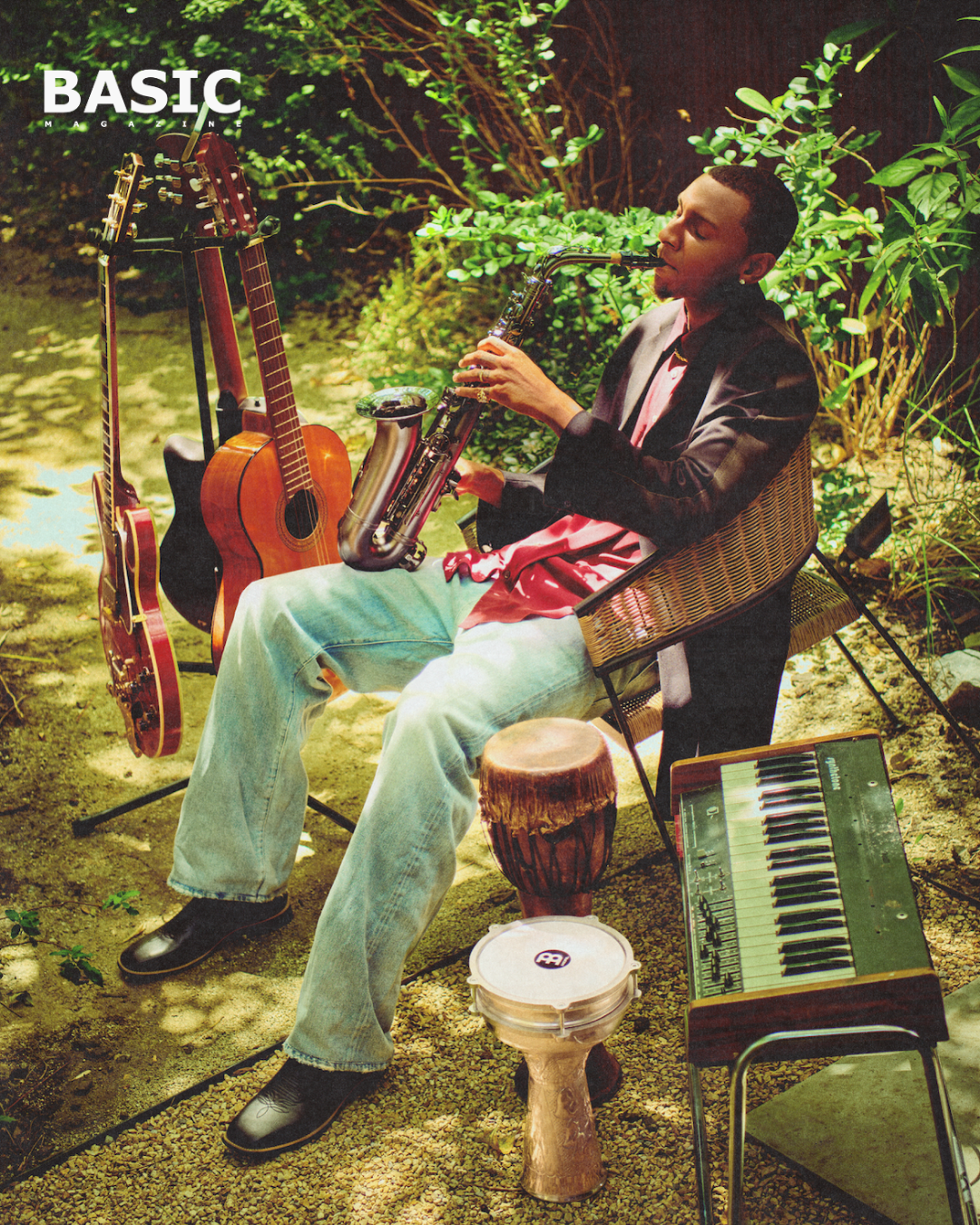
Jeans MAISON MARGIELA @maisonmargiela
Shirt THE MANNEI @the_mannei
Jewelry BRYAN VO @bryanvobespoke @bryanvo
I believe an artist’s creative DNA begins with the music, art, and culture they grew up around. What kind of music did you hear in your house growing up?
My earliest musical memory is being eight years old and going through my mother’s CD binder. It was filled with gospel music: John P. Kee, CeCe Winans, Deitrick Haddon, Hezekiah Walker, and other artists who were innovative within that world. On Sundays, my mother would clean the house while playing J. Moss and Fred Hammond. We would come home from church, eat Red Lobster or Long John Silver’s, and listen to whatever was in that CD case. That was the center of the home. My father’s Jamaican culture entered through a different ritual. Basketball and Jamaican music lived in the same space for me. My father loved Mutabaruka, Dennis Brown, and Bob Marley and the Wailers. I heard reggae and dancehall in the car on the way to basketball practice. Gospel grounded me, while Jamaican music represented rising above what I thought I could be. It sounded cool and heroic. If I was trying to become that guy on the court, I listened to Jamaican music. If I was trying to stay rooted, I went back to my mother’s CD binder.
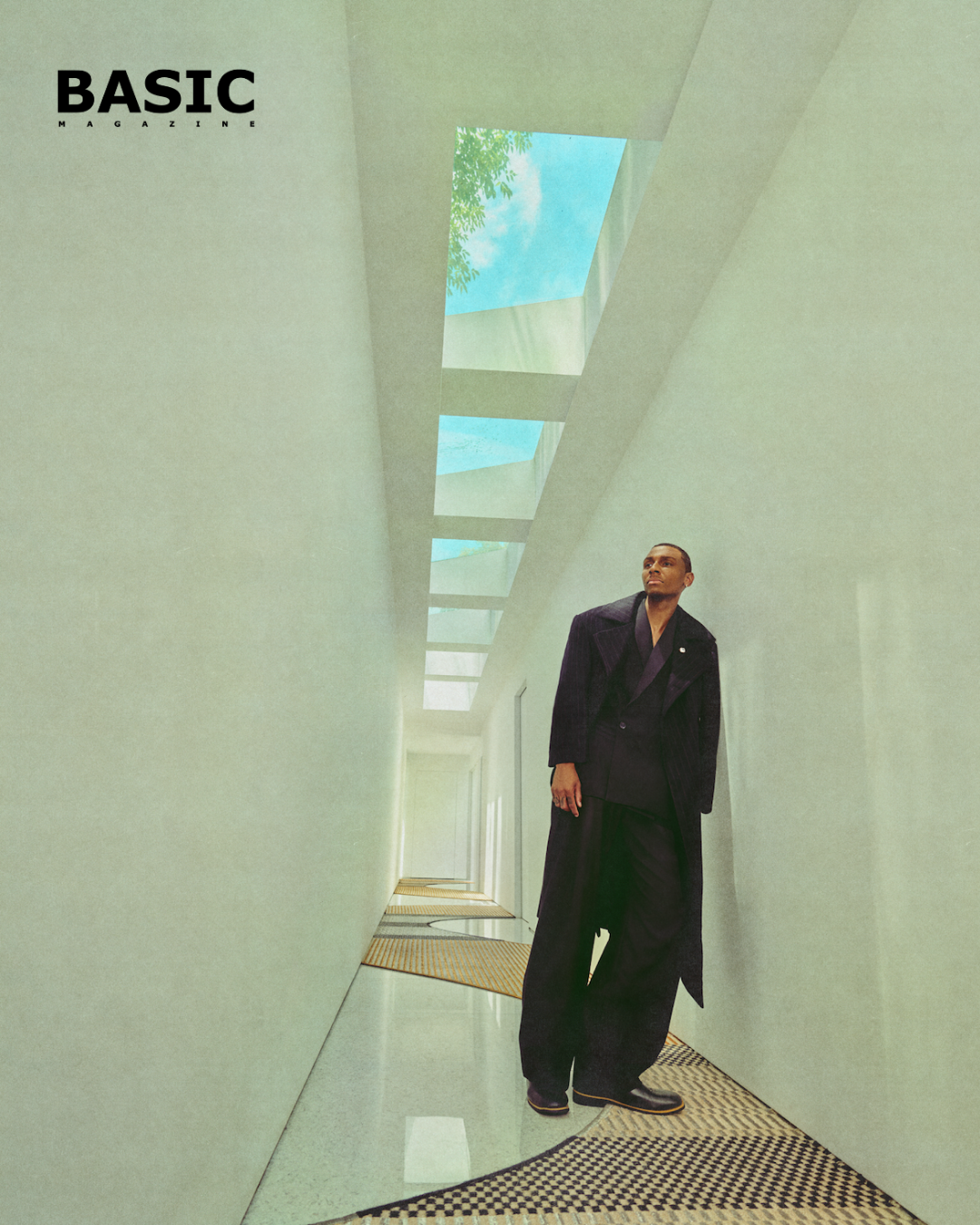

Blazer KITH X ADIDAS @kith @adidas
Trousers SAINT LAURENT @ysl
Jewelry BRYAN VO @bryanvobespoke @bryanvo
When you began forming your own musical taste, which artists became part of your personal listening ritual?
I really discovered hip-hop and R&B in college. My mother is from Warner Robins, Georgia, so I wanted to understand anything connected to Georgia and Atlanta. That research led me to Outkast. André 3000 approached words like a student, using double meanings and trying to be clever, while Big Boi was like an athlete in the art of rapping. I also became a huge Kanye West fan because “Jesus Walks” played on the gospel radio station in Virginia. That was my introduction to him. Then I would go to church on Sunday and hear people debate whether the song belonged on gospel radio. That tension between faith and being in the world has followed me throughout my career. DJ Jazzy Jeff and A Tribe Called Quest also became foundational. Those artists helped show me what hip-hop could be.
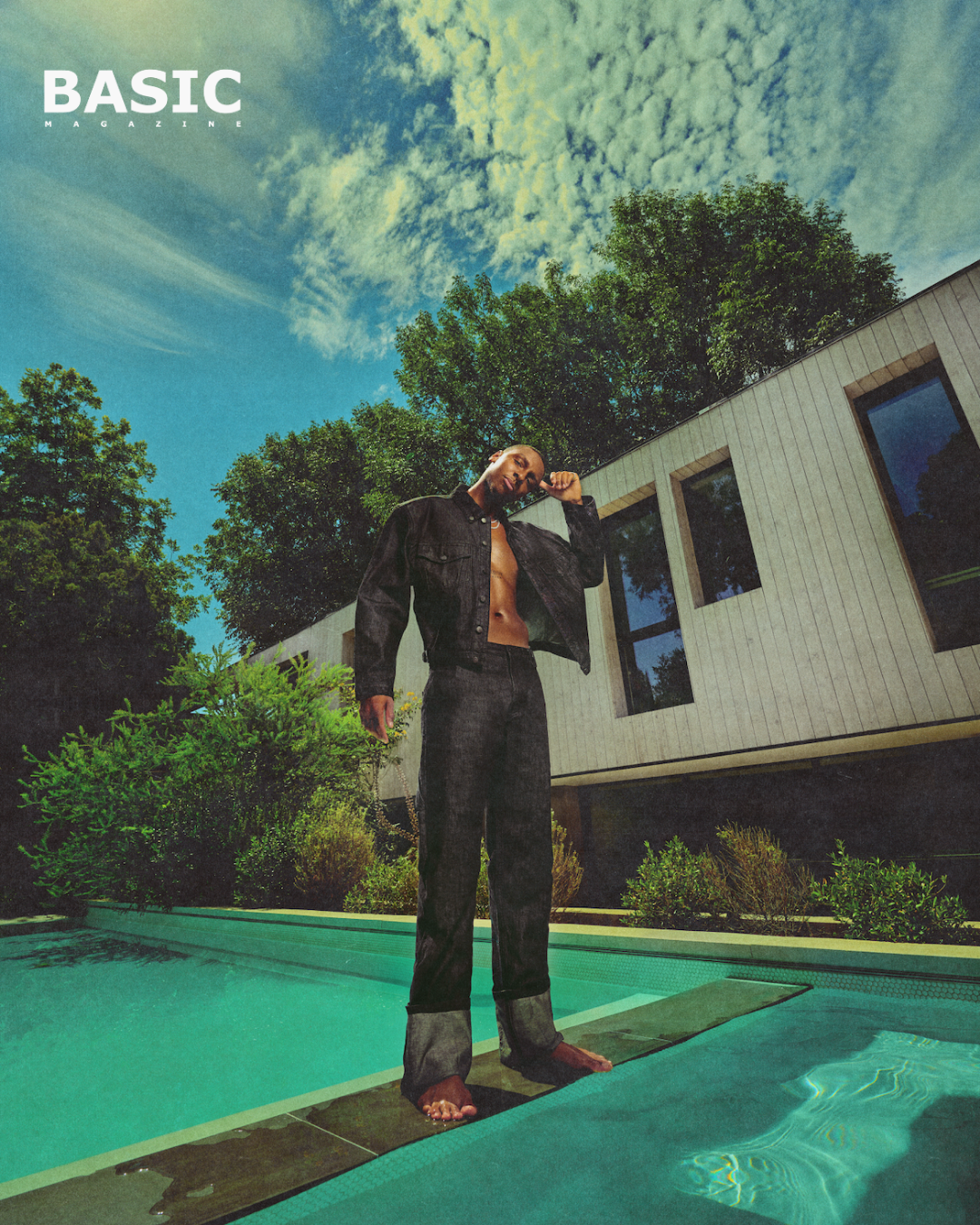
Jewelry BRYAN VO @bryanvobespoke @bryanvo
“People have heard the Masego story, but they have not always heard me zoom in on what I was feeling while making the songs they love to jump to.”
The opening track, “Sounds Like…,” is deeply autobiographical, exploring your relationship with music. Why was it important to revisit these moments on this album?
I have told my story countless times, so I do not always see it as a movie. But when I tell it to someone else, they might stop me and ask whether I have ever paused on a certain part. I was in the studio with the U.K. artist Tendai, telling him about my childhood bedroom. The walls were covered with posters of every major basketball player at the time: LeBron, Melo, Wade, and Kobe. That was my vision board before we called things vision boards. When I shifted from sports to music, all those posters came down and vinyl records went up: Anita Baker, the Commodores, Teddy Riley, and Quincy Jones. I had never paused on that detail, but it was the literal transition from wanting to become Kobe to wondering what Miles Davis was talking about in those shades and cool clothes. That became the song’s motif. It is like the many versions of Batman: You know the story, but each adaptation zooms in on a different detail. “Sounds Like…” gave me a new vantage point from which to tell my story again.
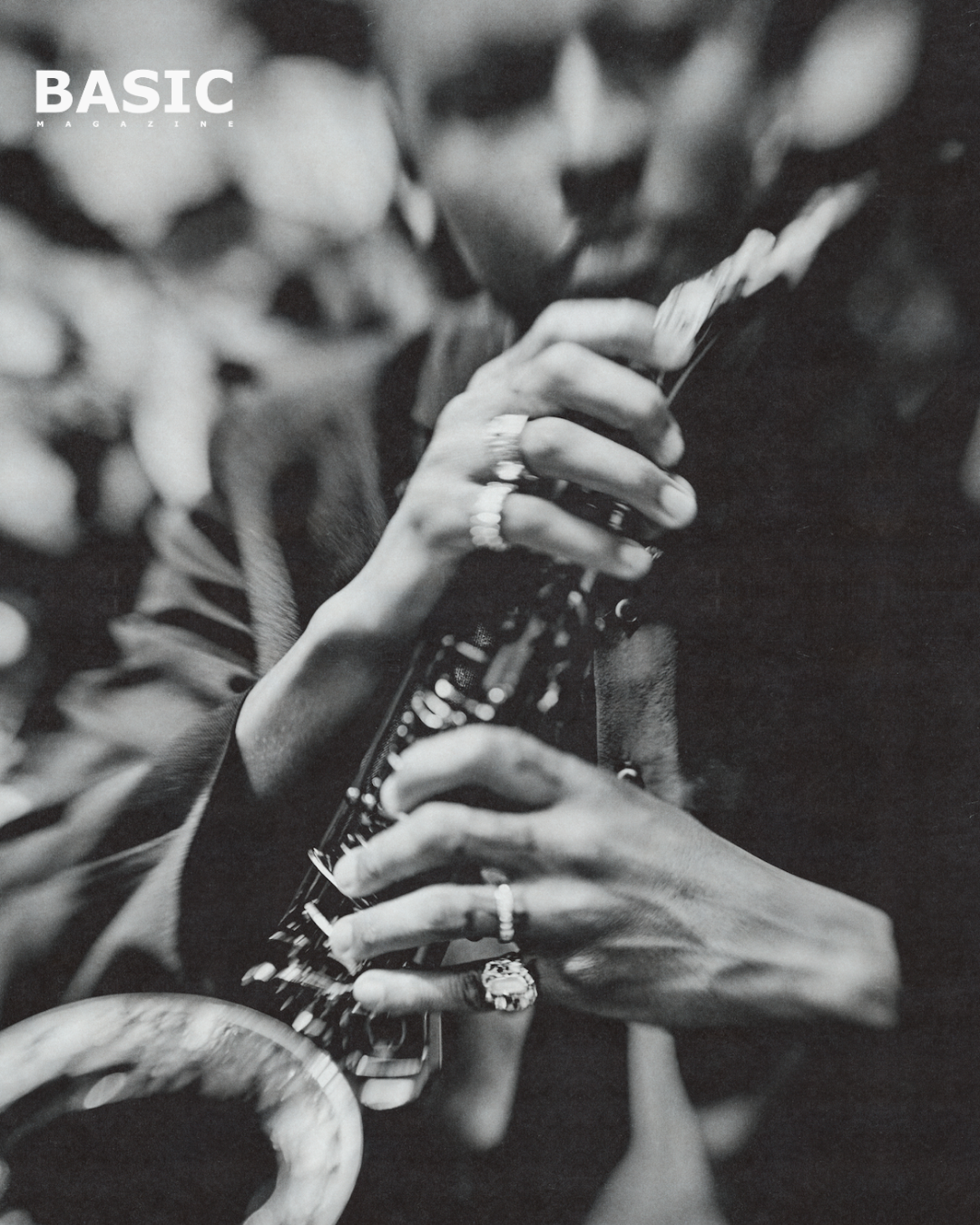
The saxophone remains central to your identity, even when it isn’t at the center of every song. Has studying jazz become an ongoing ritual for you?
Cab Calloway was my North Star for jazz. I do not remember exactly how I discovered him. A substitute teacher might have rolled a tele- vision into class and shown us performances from the Cotton Club in the 1930s and 40s. I heard the saxophone solos in his band and loved how the horn sounded like it was singing. At the time, I could not sing, so I thought it was the closest I could get. In Virginia, singers ran everything. From Cab Calloway, I started tracing the connections to Dizzy Gillespie, Quincy Jones, Miles Davis, Charlie Parker, and the rest of the jazz family tree. With jazz, you can never reach the top of that tree. There is always more to study. Even now, I am learning how to appreciate jazz more deeply and wield the saxophone in different ways. For a while, I thought it was only Braxton Cook, Venna, and a few of us out here playing saxophone this way. Then I would be in Leimert Park and hear somebody I had never met play one of the wildest solos of my life. Jazz is something I keep slowing down and zooming in on.
As your sound expanded beyond jazz and hip-hop into R&B and pop, how did you know when an experiment had gone too far?
Black women were the filter. In college, I was trying to figure out how to get a reaction from Black women with what I was creating. I was combining genres and asking what was too much. As soon as I lost Black women, I stopped. I would realize it got too weird and pull it back and bring the drums in. I lived next door to about 16 dancers. They were always playing music and putting me onto records. I would Shazam songs from across the hall because I was DJing in college and needed to know what they liked. They ran the party and the culture. Then I would play my beats loudly, in typical Jamaican fashion, and watch to see whether anybody came near my door trying to Shazam what they heard. I have not mastered one craft and then decided to break the rules. The real cheat code is remembering that we are trying to affect people. Learn who you are trying to reach, then test the work with them. Do not ask them to design it for you, but see whether what you created actually connects. I am still studying guitar, saxophone, singing, and songwriting. Unless the music reaches the people I am making it for, what is the point?
Tank Top THE MANNEI @the_mannei
Trousers BALENCIAGA @balenciaga
Jewelry BRYAN VO @bryanvobespoke @bryanvo
“Fix Your Face” is a familiar command in many Black households. How did that family ritual become the emotional framework for the album?
Our lives are our lives, so we do not always stop to examine the things that feel normal to us. My mother would say, “Fix your face before I fix it for you.” Looking back, I can name what was happening: I was neurodivergent. I wanted to display an emotion, and I was being told to mask it because that was not the time or place. Those studio conversations made us realize how many people could relate to that. We began filtering the music through the question of what helps tell that story. Everyone masks emotions at some point, but they cannot stay hidden forever. They eventually have to come out. That is the beauty of the album. What was I feeling before I wrote “Navajo” or “Girls That Dance”? What emotion had been masked before I reached the dance record where I was smiling and projecting bravado? People have heard the Masego story, but they have not always heard me zoom in on what I was feeling while making the songs they love to jump to.
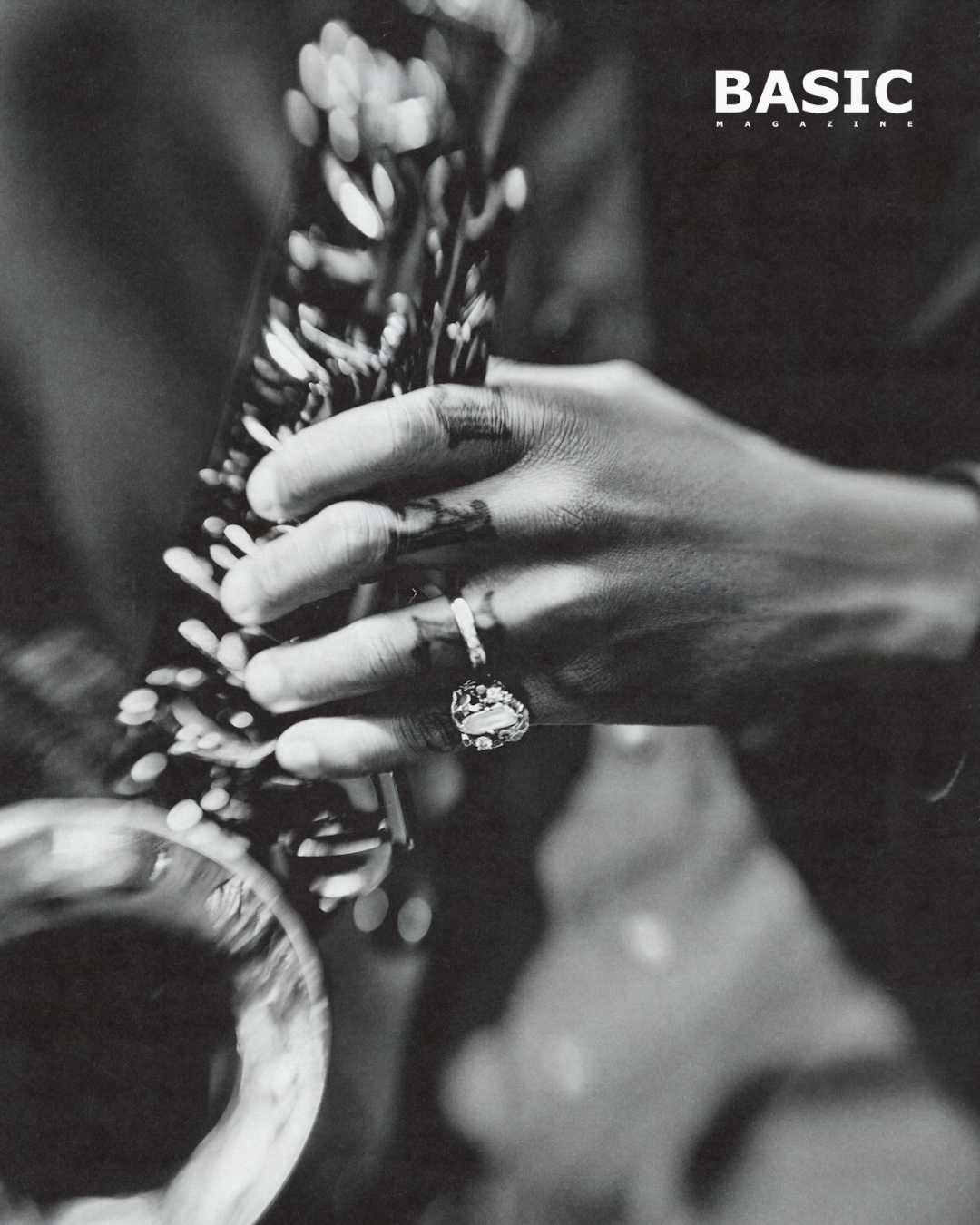
Your Jamaican lineage comes forward on “Hello,” which features Buju Banton and samples Shawty Lo’s “Dey Know.” What did working with Buju mean to you?
It was a full-circle moment. One of my closest friends helped put me onto Buju, and she loved how he celebrated Black women in his music. When I met him, he was respectful, cool, and easy to relate to. His attitude was that he works, does his job, and is going to show up and do his thing. I respect how consistently he has moved through his career. He has remained himself, worked toward a greater purpose, and still allowed himself to be multifaceted, multidimensional, youthful, and fun. He showed up sharp and on time. He was simply a great example, and he has never lost that energy.
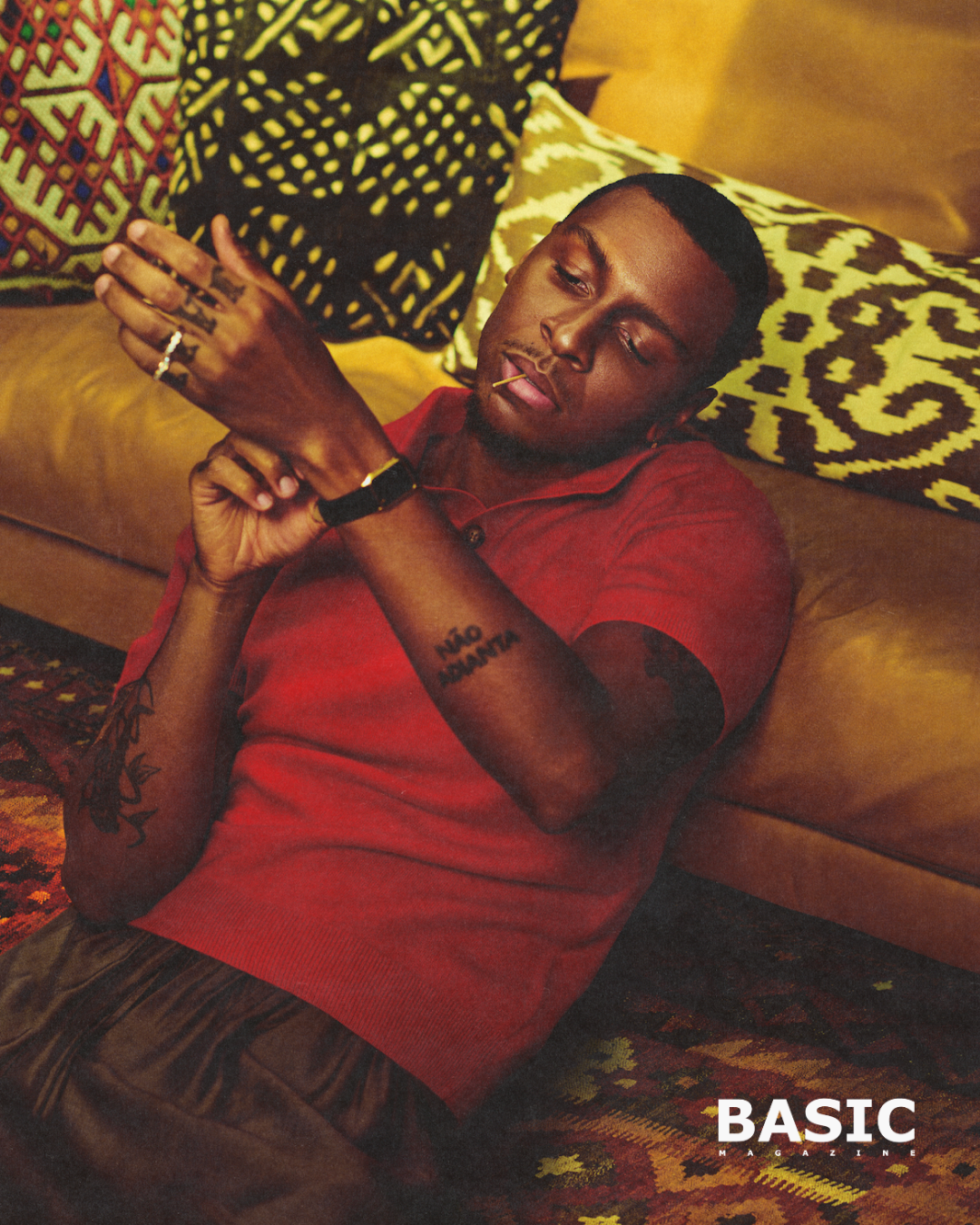
Jewelry BRYAN VO @bryanvobespoke @bryanvo
“Gospel grounded me, while Jamaican music represented rising above what I thought I could be.”
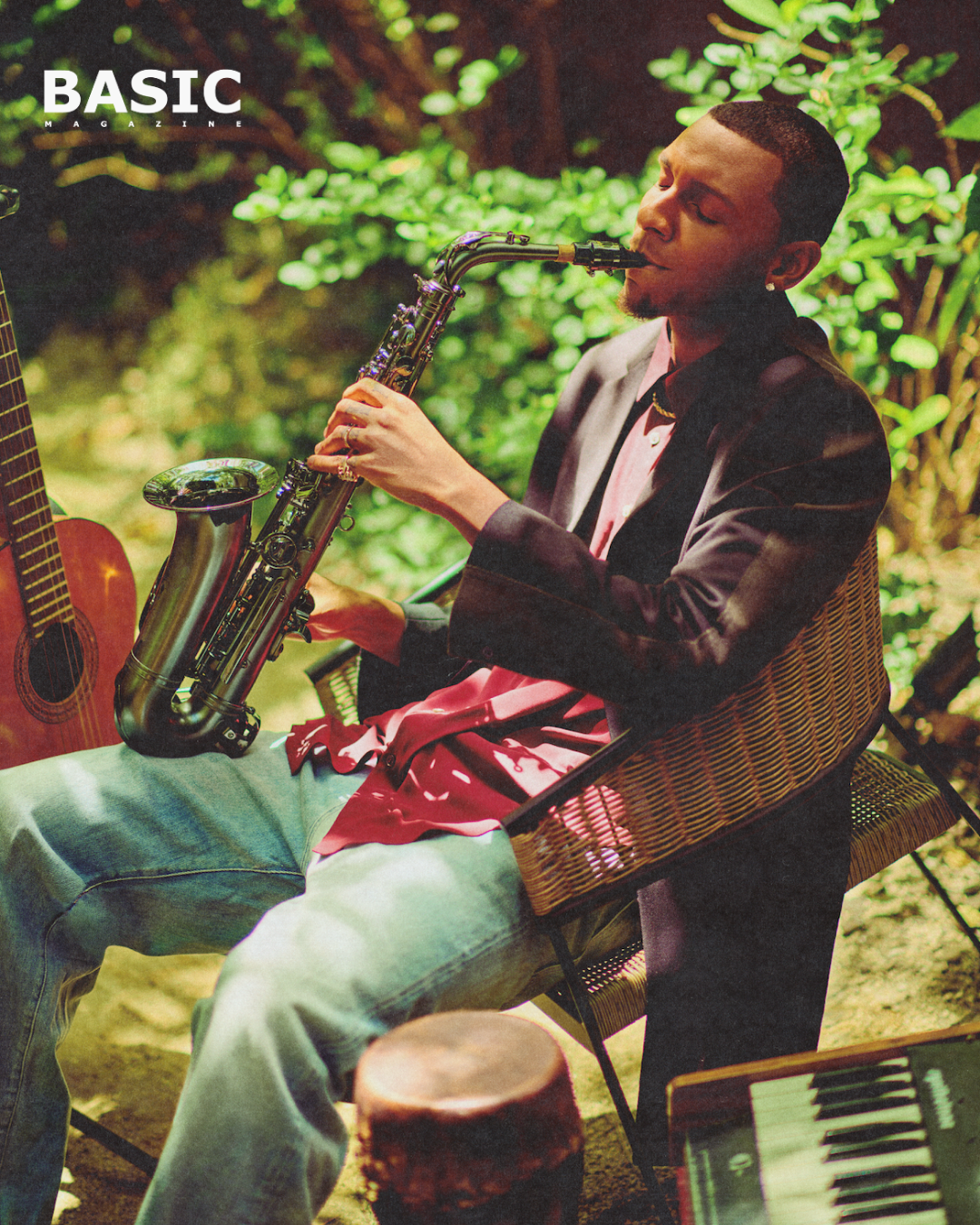
Jeans MAISON MARGIELA @maisonmargiela
Shirt THE MANNEI @the_mannei
Jewelry BRYAN VO @bryanvobespoke @bryanvo
“Heaven” brings together two parts of your upbringing: church and discovering romance. How did those worlds meet in the song?
The song came from a conversation in the studio. We realized that many of our first crushes were in church. It might be the first place you see somebody and realize you like her but do not know what that means yet. At the same time, adults are handing you Bible books and teaching you commandments and rules. I am eight years old wondering if I can hold her hand and whether we believe in premarital hand-holding. I wanted to return to that innocence and sense of wonder. Is it a sin to make love to gospel music? How did our parents create us? Were they listening to a hymn, or did they play R&B in the bedroom? The questions came from such a lighthearted place that I felt I could get away with them. Both of my parents are pastors, and I have not been disowned yet.
You came up through the blog and early streaming eras. What rites of passage define becoming an artist in the digital age?
Anybody who had to maneuver through the blog era, early streaming, or online music competitions has a specific story about how they survived it. If somebody mentions DatPiff or goes back to the Master P level and says, “I sold music out of my car trunk,” you understand that they adapted. That experience becomes a rite of passage. In this version of the industry, you have to trust yourself enough to release quality art and let it do the legwork. There is a temptation to put out as much as possible and add to the pile, hoping something will stand out. I think that is misguided. The best music finds its way because it lasts. My music is sometimes like wine: You may not understand it today, but it will still be there next month. Patience matters. You also need something that keeps you out of survival mode. When music has to make money immediately, you are only trying to stay afloat, and that hurts the art. Get a job. Find something that brings in money so every song does not have to save you. I worked at Dairy Queen, Charleys, and Panda Express while figuring out which songs Black women liked. Once they chose, I quit some jobs and got fired from a few. Now I am talking to you.
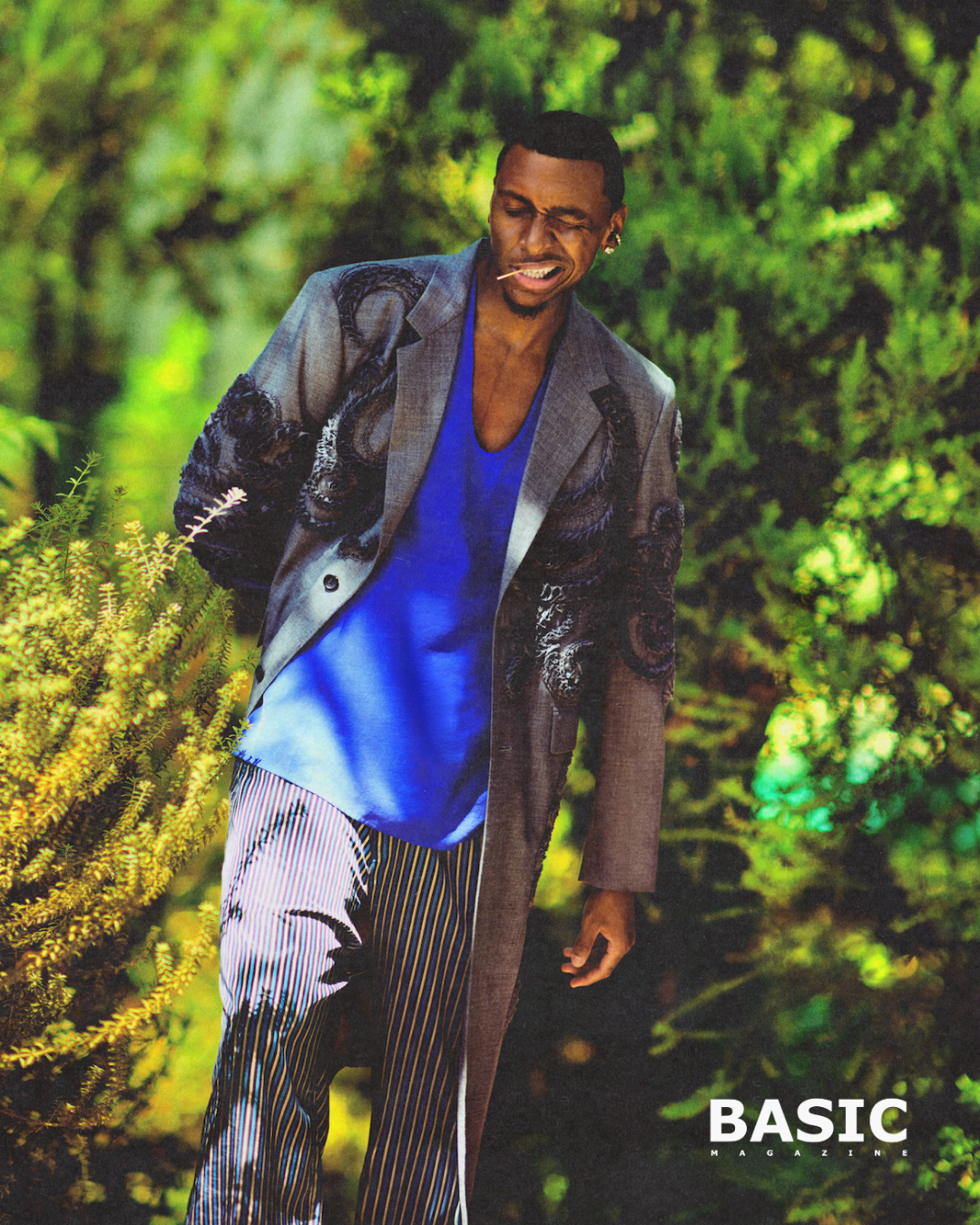
Tank Top THE MANNEI @the_mannei
Trousers BALENCIAGA @balenciaga
Jewelry BRYAN VO @bryanvobespoke @bryanvo
Blazer KITH X ADIDAS @kith @adidas
Trousers SAINT LAURENT @ysl
Jewelry BRYAN VO @bryanvobespoke @bryanvo
A clip from your South Africa performance sparked an online debate about the roots and pronunciation of your name. What was your reaction to the conversation around it?
If people are talking about you, and it is not about something genuinely harmful, that is beautiful. It means you are reaching people who do not know you or your history yet. Some people thought I was born and raised in South Africa. Others thought I was a foreigner talking about Americans. I could spend all day correcting every person, but I trust the people who know my story to fill in the gaps. I also believe in making a show for the place I am in. If I am in Detroit, we are going to talk about Detroit. If I am performing in the motherland, I am going to create inside jokes with that audience. I am a funny person, and I want the job to feel light. Art is supposed to be free. People are angry about the state of the world, rightfully so, and they were able to attach those things to what I said on stage. I am not the enemy. I am able to travel to countries where our artists have not always gone and share our culture.
As you close this chapter, what do you want readers to carry with them from Fix Your Face?
Gather perspectives from people. The Southern tradition of talking to strangers should be more widespread. That is a major reason I am back in the limelight and back in the industry: I am welcoming other perspectives and trying to understand life from somebody else’s viewpoint. I am more thankful for my position and for the ability to call this my job. I want to know what the people around me experience in this industry, appreciate their perspectives, and show more manners, respect, and gratitude. If more of us practiced that, the world would be better. And come see the show. I am going to have fun. You can watch me have fun or have fun with me, but pull up. Big up Jamaica.