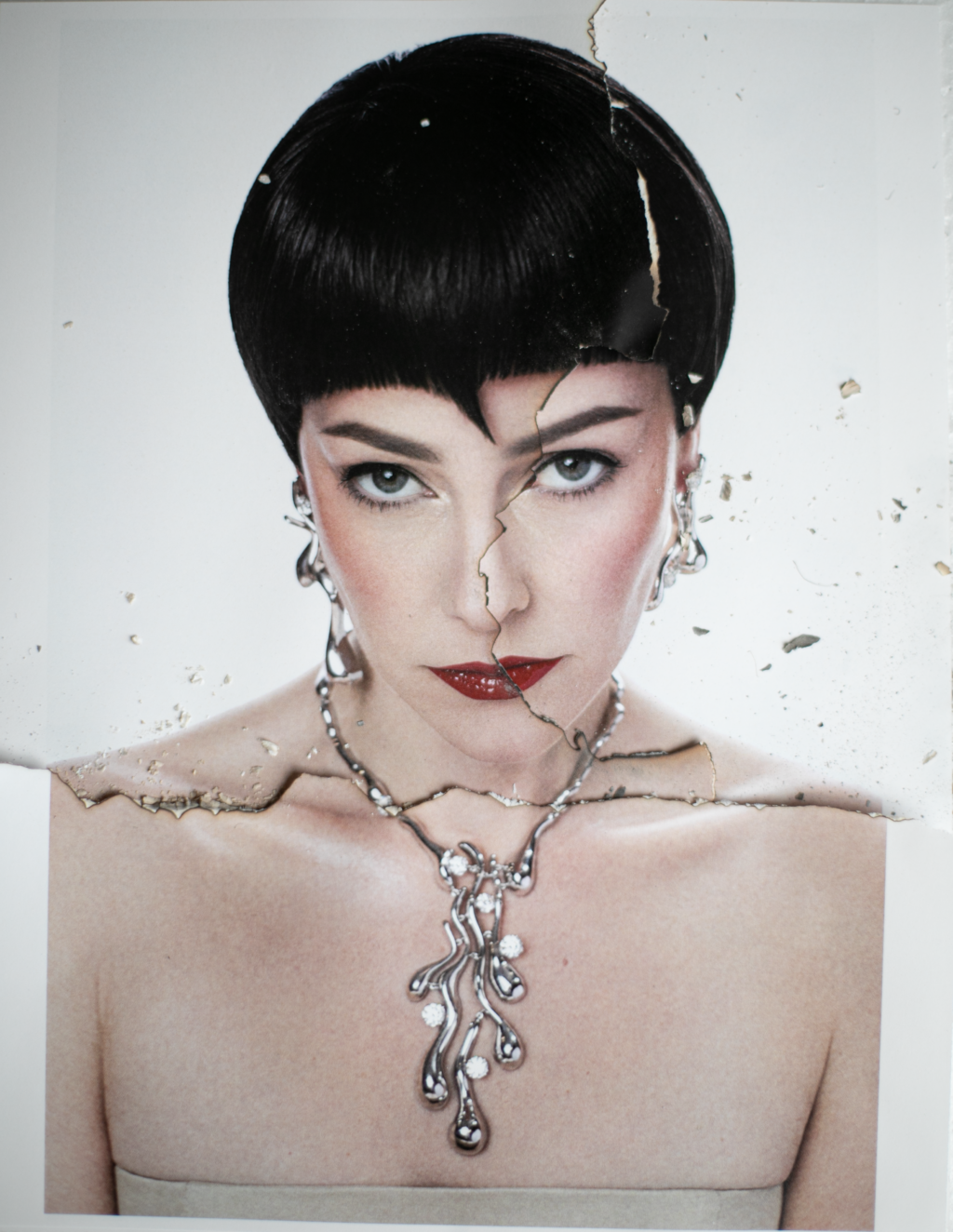
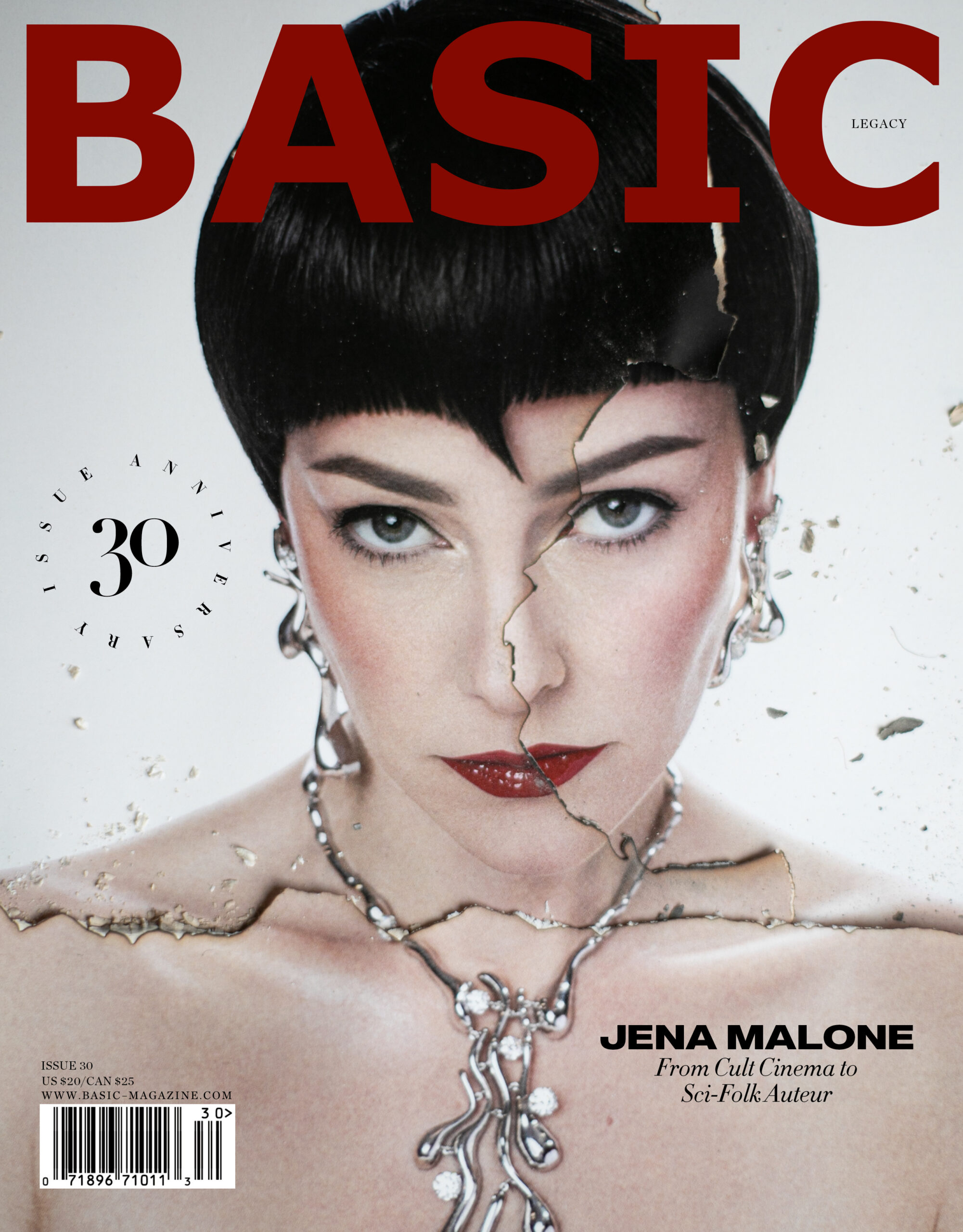
Photographer VIKTORIJA PASHUTA @viktorija_pashuta
Stylist CARA GORDON @cara_gordon
Hair COCOALEXANDER BUENO & BOOTS BUENO @cocoalexanderlive @bootsbueno
Hair Color BOOTS BUENO @bootsbueno
Makeup BETHANY MCCARTY @bethanymccarty
Photography Assistant JATHAN CAMPBELL @jathancphoto
Nails JOLENE BRODEUR @jolene.b.nails
Set Designer AMY THERESA @amytheresadesign
Production Coordinator CASSIDY COCKE @cassidy.ac
Stylist Assistant DELANEY WILLET @dpwillet
Furniture MOGUL @moguldesign
Location & Furniture G190, Pacific Design Center @g190.official
Retouching @retouch_anastasiya
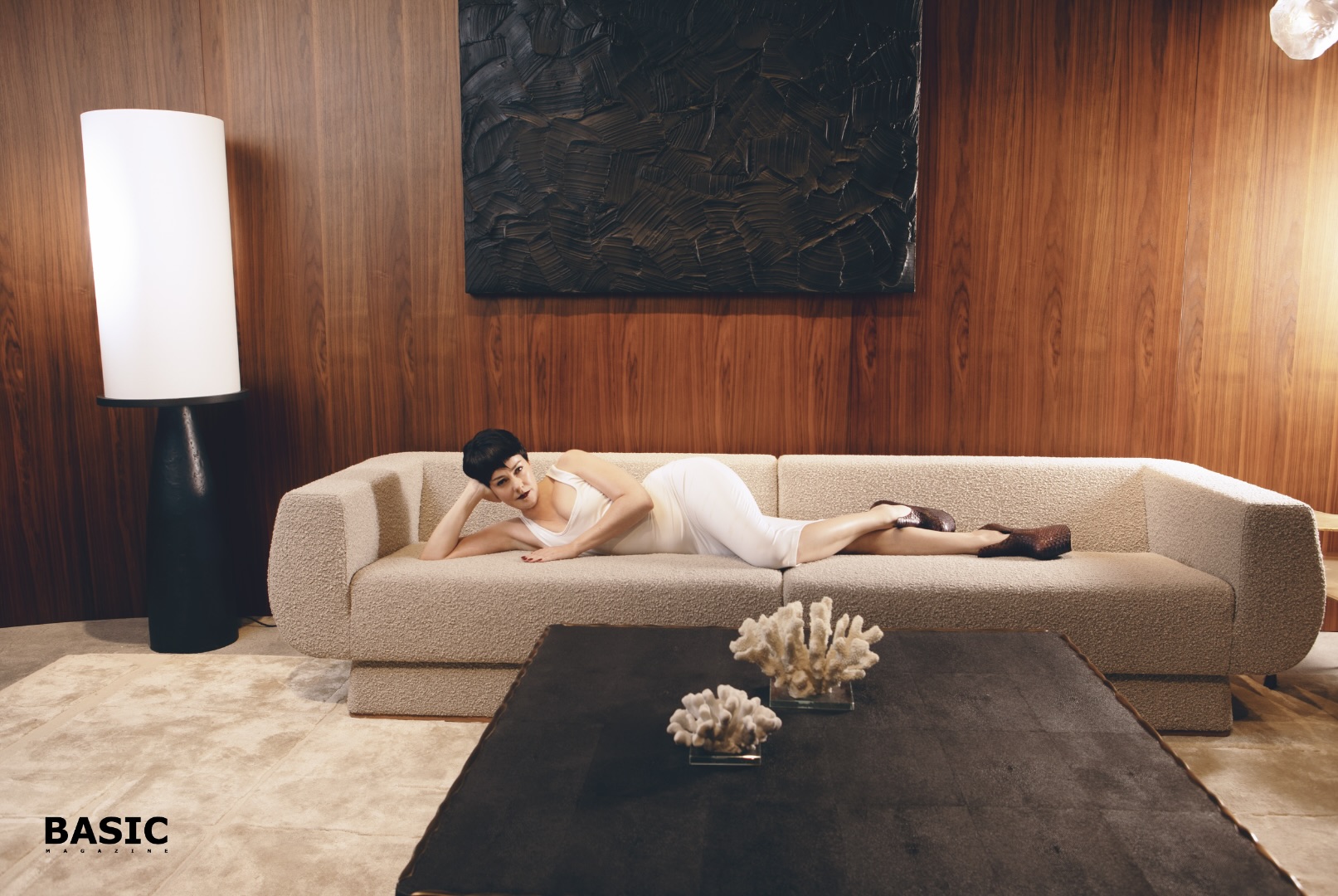
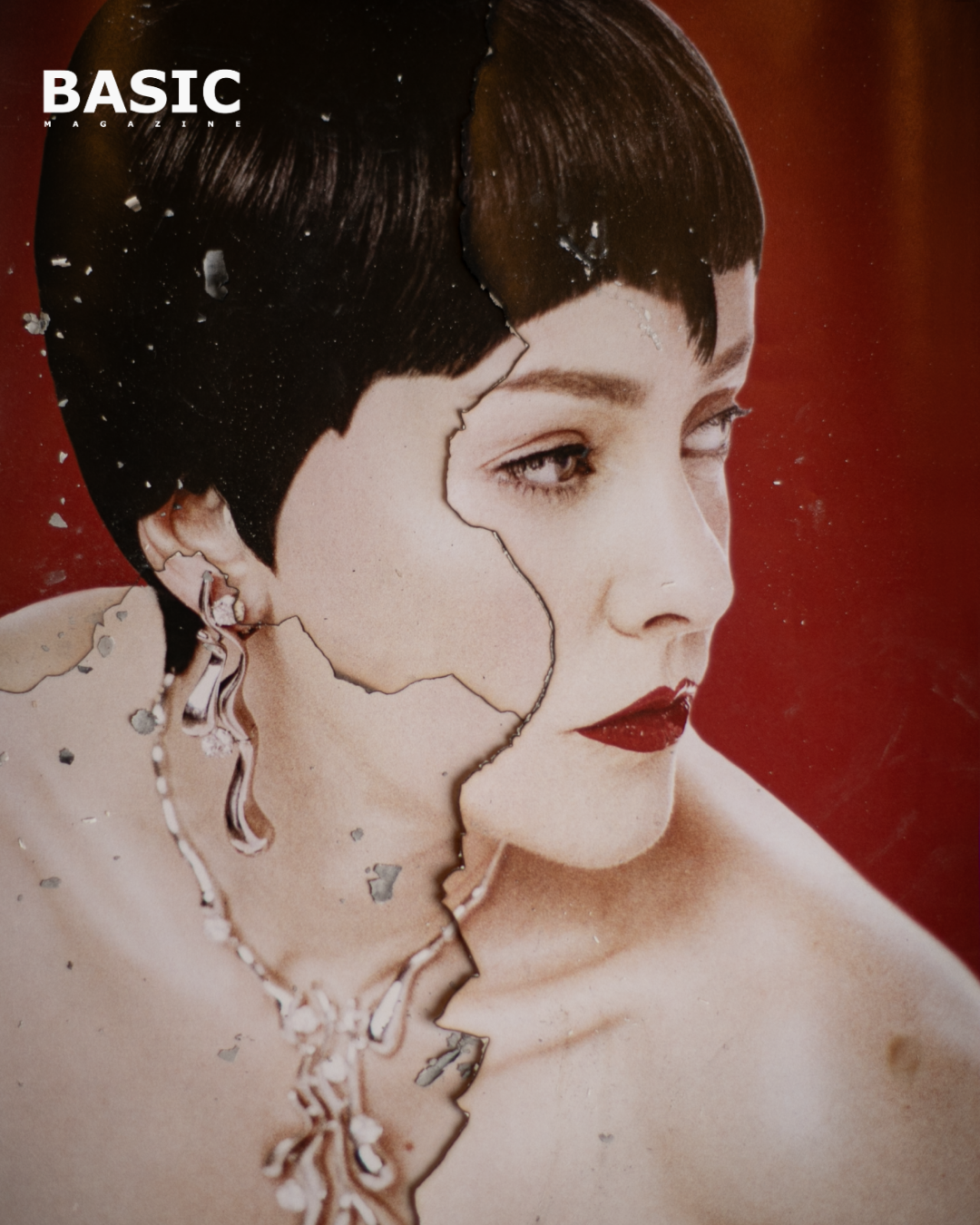
There’s a moment right before something comes out where it almost falls apart. Jena Malone knows it well. She describes it like a physiological response—something that happens in the body before birth, a drop that pulls confidence out from under you just as you’re about to push. By the time Flowers for Men was ready to be released, she was already somewhere else, questioning whether any of it should even be put out into the world. It’s not doubt exactly. It’s that post-completion drop, that “what now” feeling.
The first time I saw her on screen, I was probably 12, watching Stepmom like everyone else at that age. It’s that scene—the one where she’s given exactly what to say to clap back at a boy who embarrassed her at school. “As for your pitiful knowledge of what a woman really wants.” She starts saying it, almost like she’s trying it on, seeing how it sounds out loud. At first there’s a slight hesitation. Then she leans into it, and you can see the moment it becomes hers—she’s not just repeating it anymore, she’s owning it. And I remember thinking, yeah—I want to be her.
While that was my first memory, Malone has spent decades on screen—Donnie Darko, The Hunger Games, The Neon Demon—moving through roles that defined entire eras of her career. Music ran alongside that, often under the name Bloodstains, where it could stay separate. Flowers for Men, her first full project under her own name, didn’t follow that pattern. What began as something she thought might stay in that earlier lane changed once she started finishing the songs and hearing them together. She calls the sound sci-folk—tied to storytelling but reaching toward something less familiar—and it pushed the project in a different direction.
Using her name felt like a risk, but also like a decision to stop hiding, even with everything that comes with being an actor with other creative outlets. The record came out of the years after becoming a mother, when she began questioning monogamy and reclaiming her own sense of sacred masculinity. At the same time, she returned to the screen in The Boroughs, the Duffer Brothers’ latest Netflix series, bringing both sides of her work into focus at once.
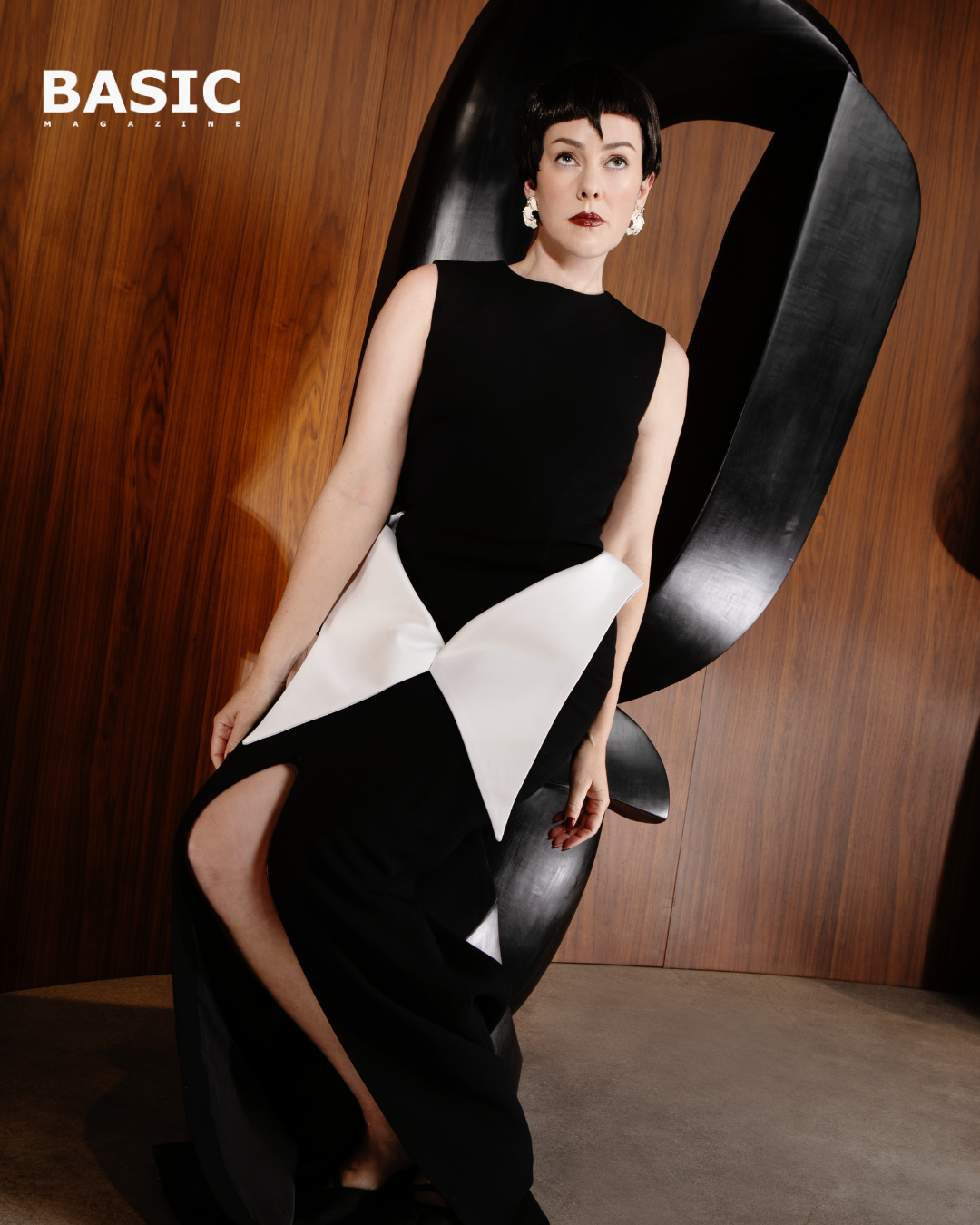
Earrings HANYING @hanying_jewellery
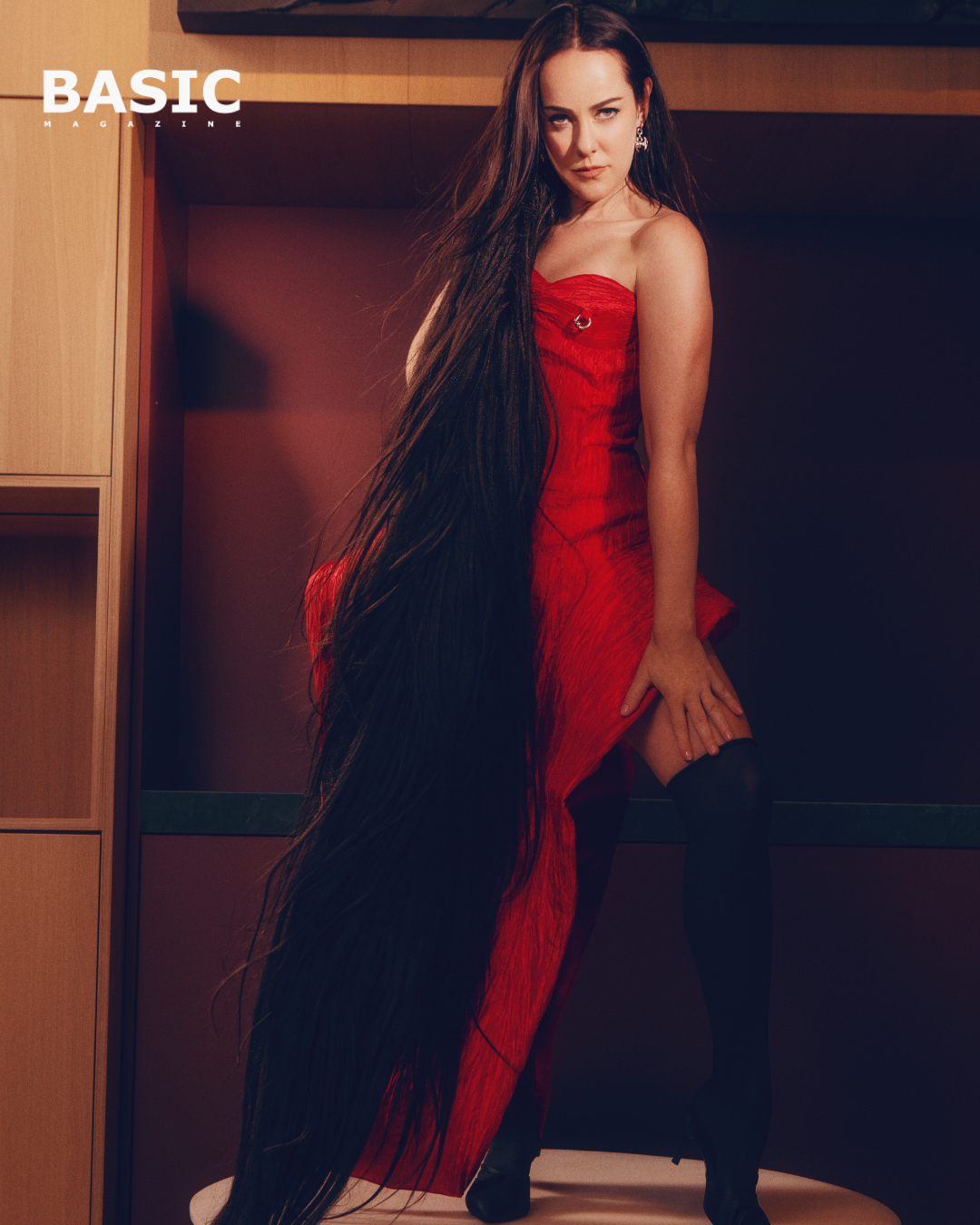
Earrings RARE ROMANCE @rareromance
Shoes KAUD @kaudofficial @tata__la
What does this moment feel like for you, with the album about to come out? What’s been filling your days lately?
It’s so interesting. There’s a difference between birthing something and presenting it to the world. I started working on this record two years ago, in the summer of 2024. I feel this mix of being excited to finally let it be out in the world, but also feeling ready to make something new. I’ve finished the songs, I’ve been living with them, and now I’m thinking about live performances. There’s a part of me that’s excited, but also wondering, what’s next? I think there’s a downside to that, too. It takes a long time to present something, a lot of work to give it to the world, and right before the debut there’s this other feeling. It’s similar to phases of birth, where you kind of lose confidence. There’s a moment where you wonder if you’re making the right choice. Should I release this record? Is it even good? What do I even think about it? I gave birth to my son 10 years ago, and I was studying the different phases of birth—dilation, contractions, the mucus plug—there are all these stages. All mammals share this aspect called “The Turn.” It happens right when you start pushing—when the baby is crowning. You’re right there, about to begin the final part of the process. At that point, your body drops this chemical, progesterone, and it makes you feel wildly insecure and scared. It’s an instant drop—you lose your ability to feel confident, you lose your sense of purpose. It’s such a crazy thing, and I didn’t think I would feel it, but I did. Because I knew it was coming, I knew how to manage it. The reason your body does that is because it needs to remove that hormone so it can flood your system with others. Then you’re on cloud nine. It feels like you’re time traveling. You feel no pain. I mean, there is pain, but you’re at a distance from it. To do something so superhuman, a mammal has to lose confidence in itself. And if I’m being honest, that’s where I’m at. I’ve lost a little confidence in myself, but that’s ok.
I understand what you’re saying—it makes sense. It’s a vulnerable thing to release something personal into the world, especially after living with it for so long. You can’t control how people respond to it, but you can control where it’s coming from. And if you believe in it, that’s what matters.
That’s so kind. I just find the feeling of taking a risk in being vulnerable really interesting. I’m sure a lot of artists and musicians feel the same way.
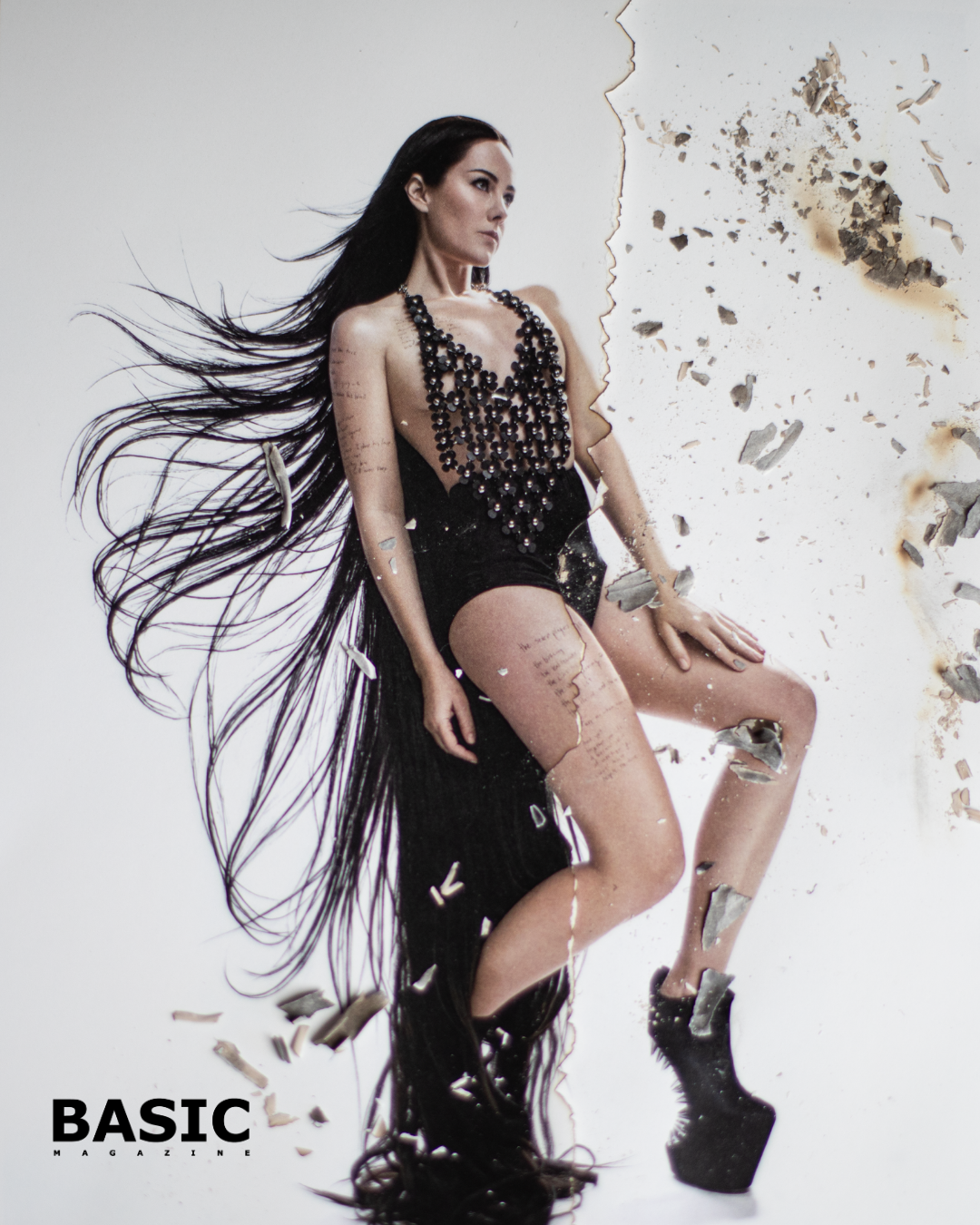
Bottoms TORLOWEI @torloweiworld
Shoes SERGIO TORO @sergiotorowearableart
“I’m in a space of wanting to create more stories for this next chapter of how to be alive on this planet.”
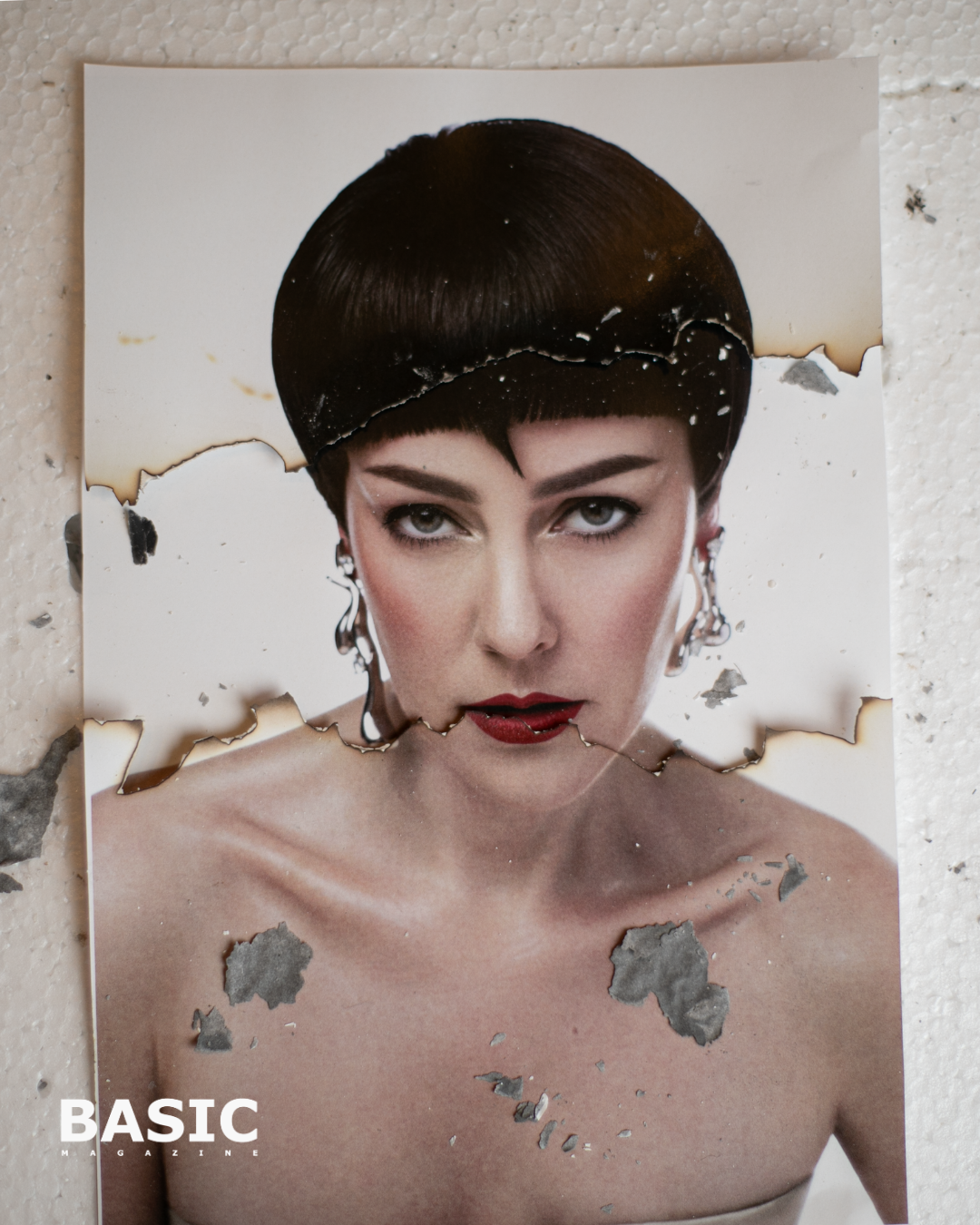
You’ve released music in different forms over the years, but Flowers for Men is the first full project under your own name. What felt different about this body of work that made you want it tied to you fully?
I hadn’t really released anything in a while. I had become a mom, and my whole trajectory of life alchemized and changed. I thought I was going to make another Bloodstains record because it resembled what I used to do—me, alone with a laptop, not having anyone around me, navigating and exploring in a very childish, creative, fun, no-boundaries kind of way. But once I really started diving into it and wanting to finish the songs and see it as a cohesive album, I realized it was very different from the Bloodstains stuff. The last time I made a Bloodstains record, I was in my early 20s. You experiment differently as a 20-year-old woman than you do as a 40-year- old woman, and I felt like I deserved to have a different name for that exploration. Using my name felt risky. I had never done that before, and it felt like a proclamation—now I’m doing this for myself. It was so much easier to hide behind a band name. There’s this societal muck around actors doing other creative things, and whether I feel that or not in myself, I feel it reflected onto me. I think I’ve always wanted to shield myself from that by hiding, but I kind of said, fuck it. I don’t really care anymore. I want to reclaim my space, reclaim my name—all of it. I’m driving toward the muck this time.
“Sci-folk” suggests something slightly unreal, but the writing feels very exposed. How did those two sides come together while you were making the record, and what made it feel like its own category?
Sci-folk felt very human. Folk music, traditionally, is a space where we write our stories down so we can remember them. Our stories about being human are offered to the folk genre to be remembered and told. I feel there are stories of great heroics and also everyday human experiences, and I really love that about folk music. It has such a beautiful, earthen, everyday feel. Science fiction feels like something above us—something we’re reaching for or imagining, something we don’t quite know yet. I’m in a space of wanting to create more stories for this next chapter of how to be alive on this planet. In music and storytelling, in film, in kitchen table discussions, I often try to push into questions like: what are the new myths we’re creating? How do we want to transform the world? How do we want to see things differently? How are we passing it along to our children? It’s a chaotic world these days, and I think sometimes storytelling and myth-making say: make it small. Make a chaotic world small so we can understand it better. And sci-folk felt like a way to make something really big small, just to help us understand ourselves better.
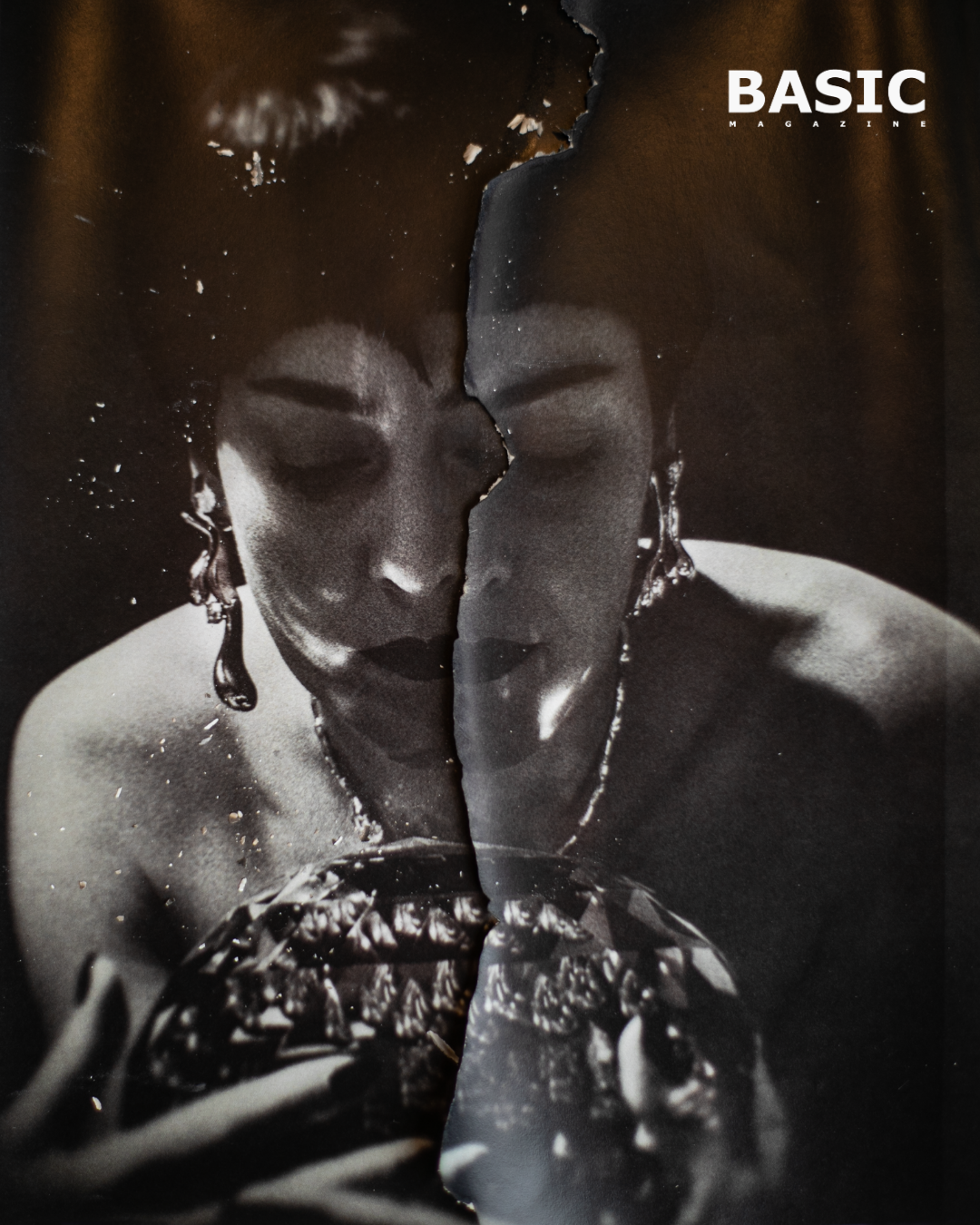
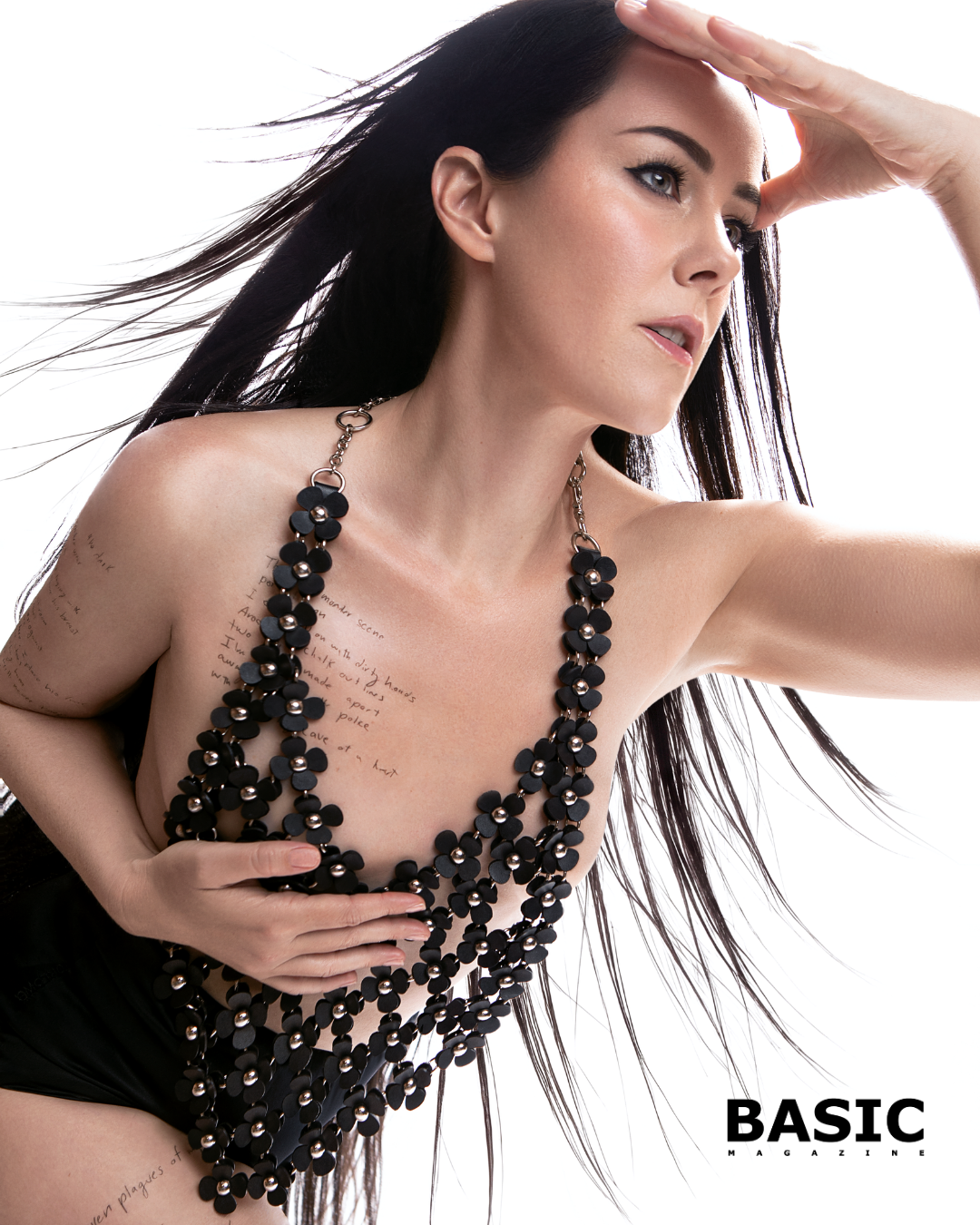
Bottoms TORLOWEI @torloweiworld
You’ve said that becoming a mother changed your understanding of love and relationships in a way that led you to question monogamy. What beliefs didn’t hold up anymore once you experienced that kind of attachment?
Everyone inherits different beliefs, but for me, I inherited a very hierarchical understanding of love and monogamy. That was gifted to me by my parents, people in my sphere, movies I was in, books I had read. There are thousands of books and films that have nothing to do with monogamy—I just wasn’t aware of them. I realized that as a single parent, a solo human having a child, it felt so different. I already had this sense of partnership. I came with something, I wasn’t coming with nothing. And it started to feel strange to approach relationships the same way, as if this person I was searching for was going to be more important than my son, more important than my career. That was sort of romantic to me prior— that one person was your soulmate, that they were above everything else. But something about that no longer felt true once I had my son. Now it was going to be multi loves. Now I was going to have the love of myself, which I had to cultivate despite the world— that was one I did not want to set down. The love of my son, which is a gift that was given—I get to cultivate that and hold that. Sometimes I ask if I’m even deserving of holding that. And then other loves—the love of my career, my friends. I realized I had all of these things that are so important to my life that I refused to give up. I refused to diminish them in order to accept a partnership, to accept a love. I learned and read up on polyamory, learned about ethical non-monogamy, about relationship anarchy. All of those things really gifted me new stories, new verbs, new language to help me understand what I had been feeling, which was that hierarchical monogamy just did not work for me anymore. But I had no idea. I had been embattled prior to having a kid, not knowing what I was encountering was the problem. I always thought it was me.
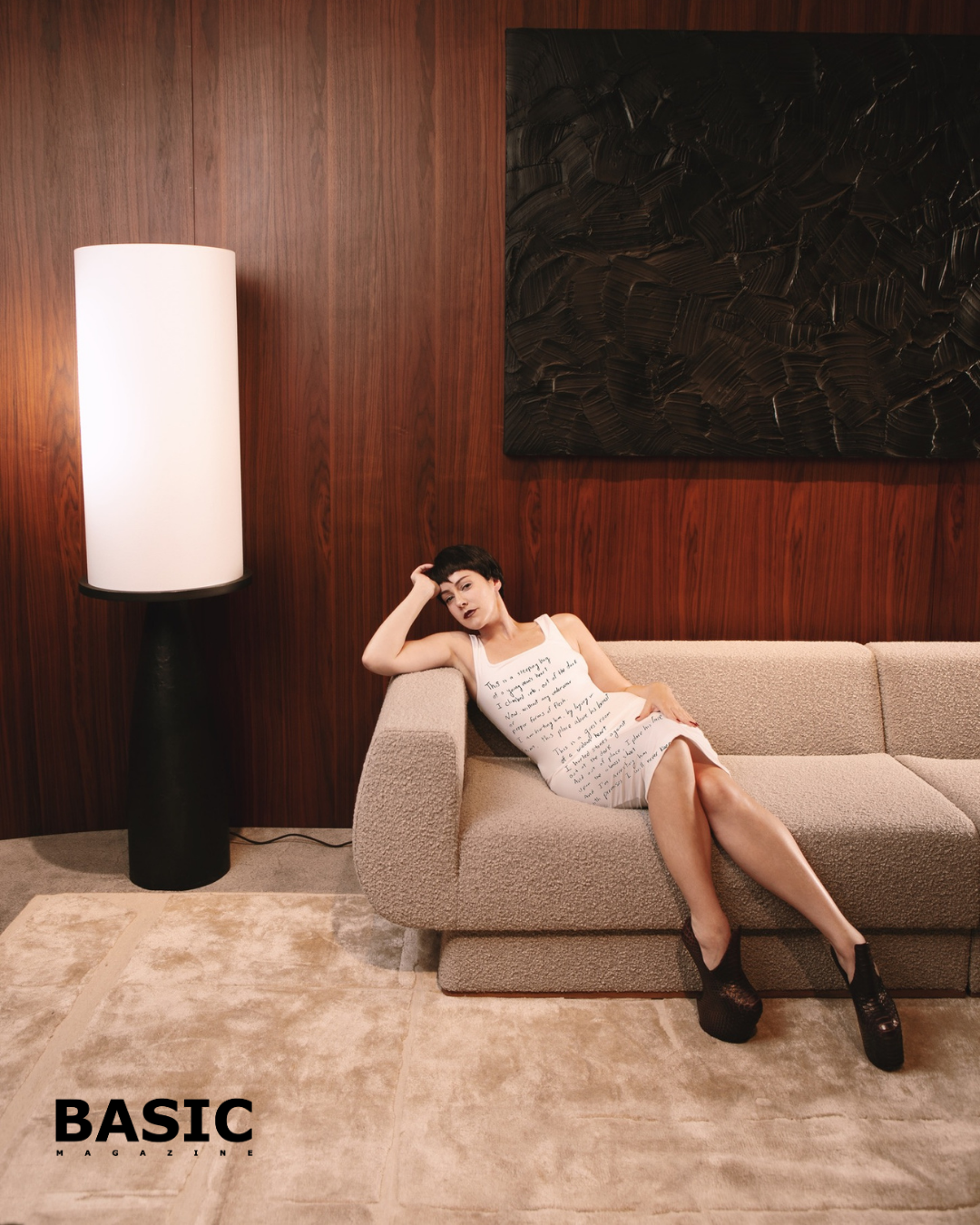
The title Flowers for Men is specific. Who or what were you thinking about when you chose it, and what were you trying to express that maybe hadn’t been said directly before?
I think anytime we write something, we’re discovering a first. I started making music for this project around the time I had my son. I was also writing a lot of poetry, and it was originally the title for a book of poetry I wanted to work on. It felt like an invitation to reclaim sacred masculinity. And it wasn’t just that, but it was a lot of that. It was also me looking inward, trying to reclaim my own sacred masculinity. As I explored and became more discerning, I wanted to hold more of the masculine accountable, and in turn I had to look inward to see how I used the darker parts of masculinity—to soldier through, to manipulate, to adhere to power. Women have both masculinity and femininity, and we can use both. It wasn’t about being a woman and celebrating that, but more about celebrating the sacred of the masculine, and it’s sort of non-gendered. It’s in my son, in my cat, in me, in my fiancé. It’s a powerful dynamic found throughout time and space.
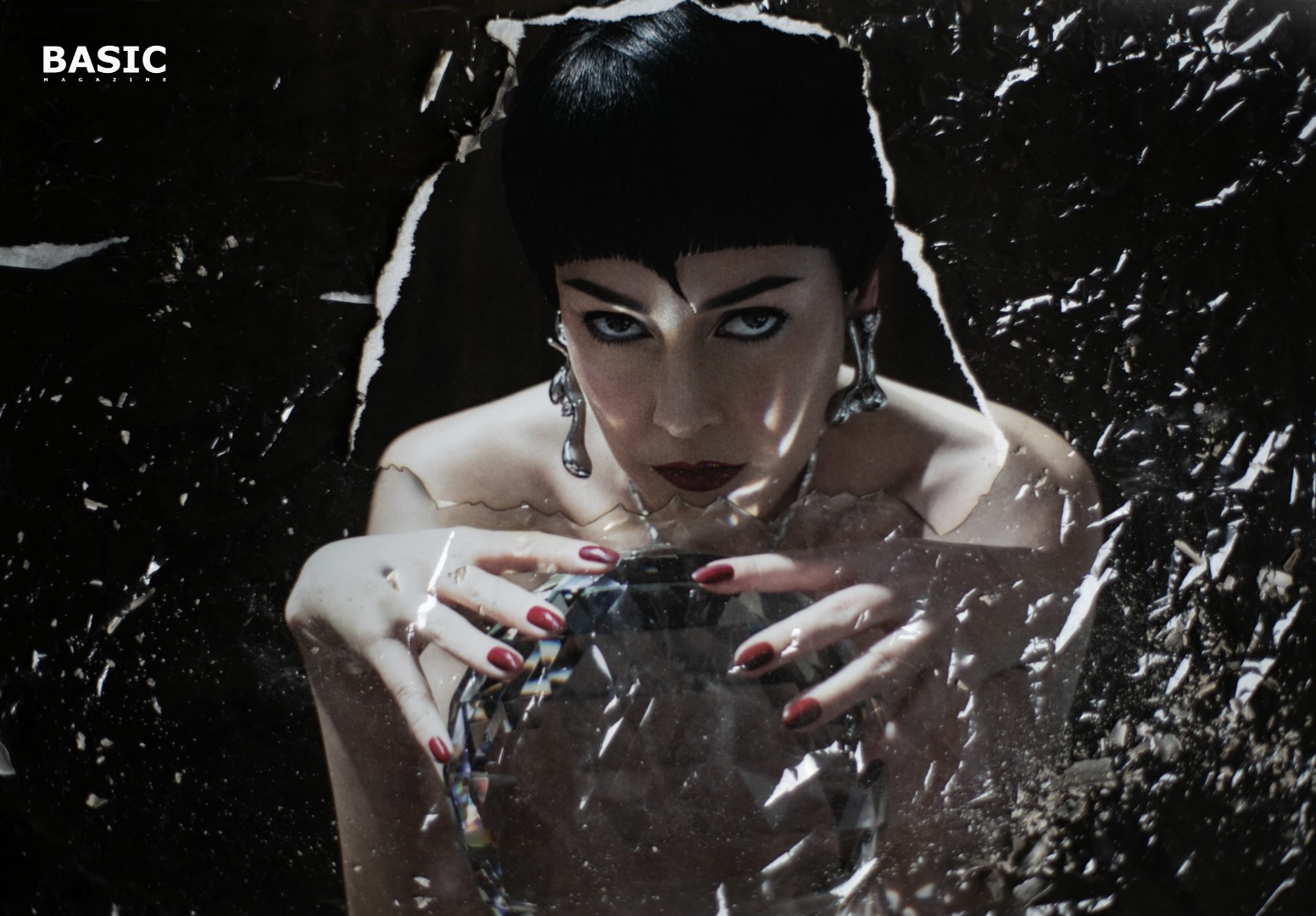
“Barstow” feels like a memory, one of those songs that haunted you. What happens when something comes to you like that, and what made that first version feel central to the record?
When I was exploring this idea of sci-folk, I had created a melody, found an automation in vocal effects, and created a story, and all three came together in a way where I could clearly see the genre. I could clearly see what was emerging. Initially, it was just a 10-minute freestyle. I was on the side of the road, very near Barstow—I think I had just driven through it—and I had been ruminating on all these ideas of former selves and past loves. It was just this burst of an idea. Usually, the bursts of ideas haunt me the most because they’re the ones I’ve given less time to. I’m not in a studio working out all the pieces. It was just this tiny, emerging gift that was like, hey, check me out, come and spend some time with me. And I think that’s why it haunts me a bit more.
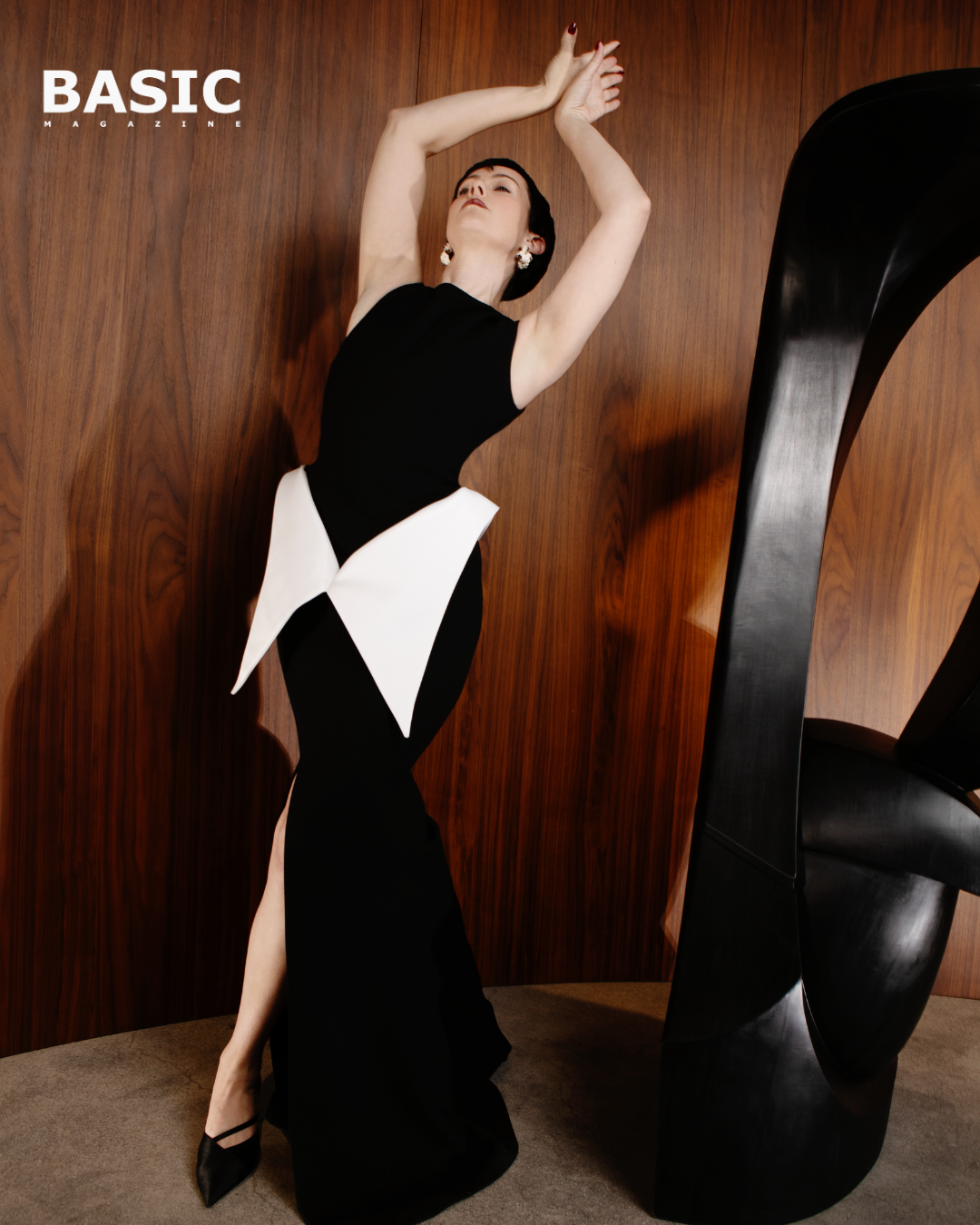
Earrings HANYING @hanying_jewellery
You’ve spent your entire life taking on emotionally complex characters. In Bastard Out of Carolina , you were a child working with material centered on abuse and survival. Looking back, what do you think allowed you to step into that at such a young age?
It’s one of those conundrums—we don’t know how old the universe is. It could be seconds old or millions of years old. We don’t have an exact timetable. So I do think it’s true that experience isn’t as linear. A 40-year-old actor could come into a role like that and have no experience in understanding that world, but that doesn’t make them more prepared just because they’re older. I didn’t personally experience sexual assault or abuse, but I was aware of it because I had a very close family member who had. I remember growing up, learning about it, and feeling very protective over that family member. My divine masculine would get very activated—wanting to protect and avenge. I felt a very righteous anger, and when I read the script, I felt that again. It felt like the script gave me a sword to act on that anger. Sometimes acting and storytelling can be a way to alchemize those really big emotions. I knew I could do it. I knew I was the person for that job. I wanted to protect my character—I knew what she was going to go through—and I wanted to make it as honest and as vulnerable as I possibly could.
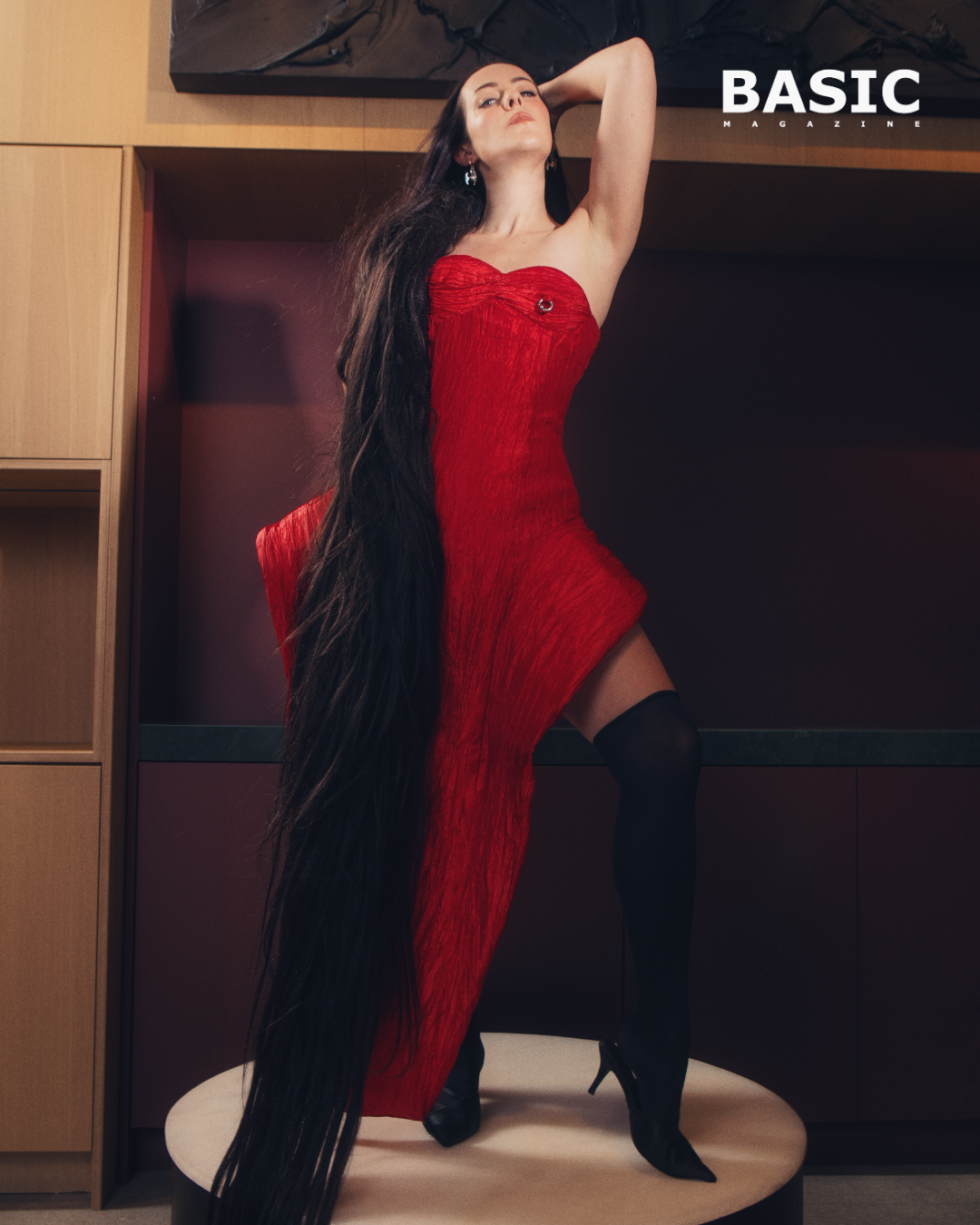
Earrings RARE ROMANCE @rareromance
Shoes KAUD @kaudofficial @tata__la
Before all of this—music, film, everything—you had a very different kind of upbringing. You convinced your mom to move to Los Angeles so you could pursue acting. What do you remember about that decision, and were you aware of how big it was at the time?
Not at all, but it’s so funny to me. Children can be so self-possessed. They just know what they want, and that was me. I just knew that was what I wanted. I was extremely blessed to break through, because a lot of people don’t when they have similar dreams. I went into it assuming I wasn’t going to. Everyone told me it was too hard, too much—that I wouldn’t be able to do it, that I was too poor, too this, too that. And it was very much this feeling of, I do not care. I didn’t expect the success that came, and I feel like because I didn’t expect it, I didn’t want it in a weird way. Once I started working a lot, I was like, great, get me the scripts. It took me a few years to step back and realize I was actually doing the work I wanted. There was attention and career stuff happening that wasn’t really on my mind. I didn’t think any of that would happen. I thought, ok, I guess I get both. In order to work a lot, you have to become a celebrity—you have to be in the public eye. That was interesting for me.
What was your mom’s reaction once all of that actually started happening?
My mom was only ever happy and supportive. She was definitely not one of the people who said I couldn’t do it. She believed in me 100 percent, and it was beautiful to have someone who celebrated every win and was there to pick me up through every loss. It was so special, and I understand it more now as a mother, as a parent—that it’s a gift to be present for both oscillations of life.
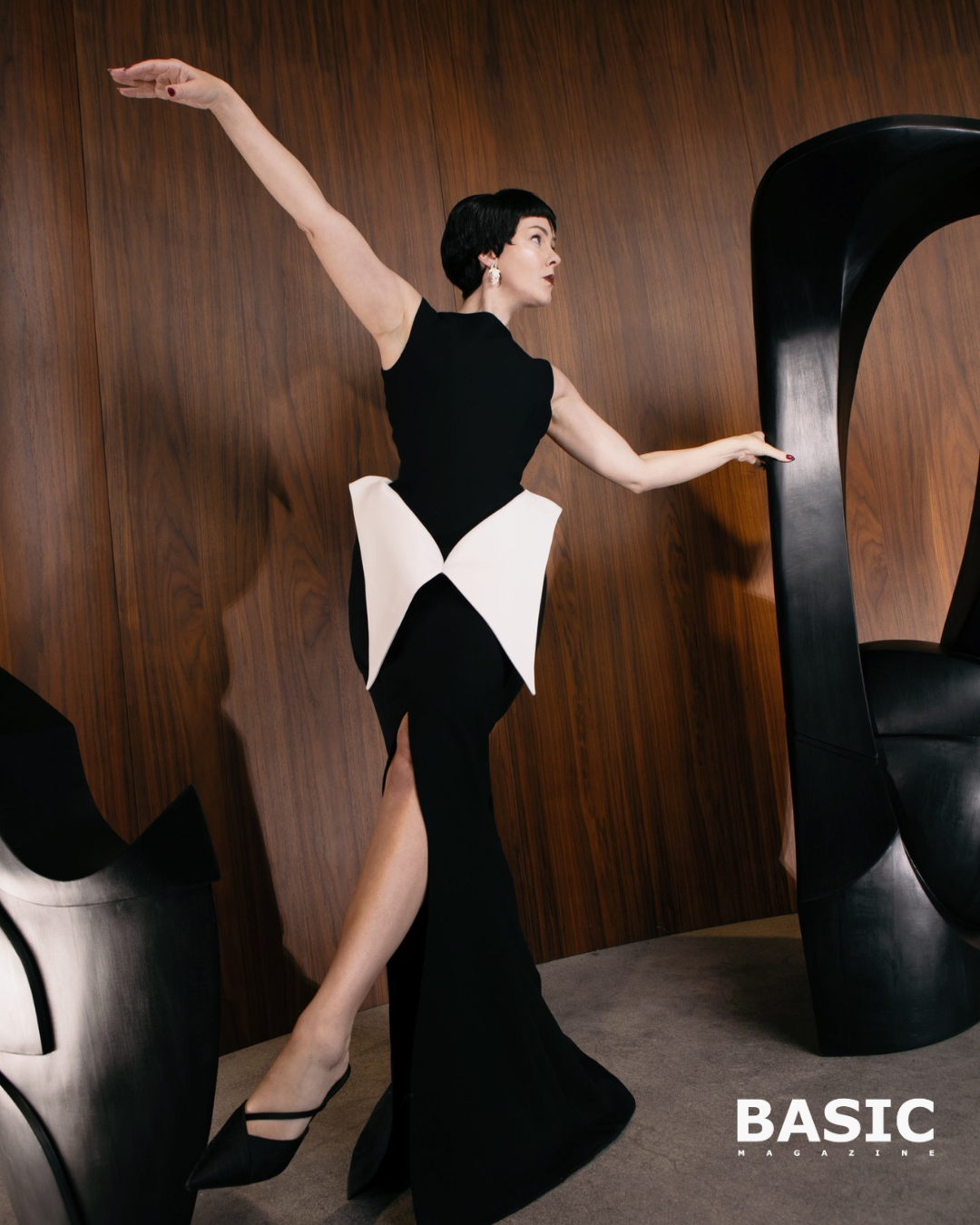
Earrings HANYING @hanying_jewellery
You’ve said that growing up without much stability taught you that security comes from within. Do you see that reflected in how you approach creative risk now?
Yes, absolutely. I think once you are on the pathway of risk and being ok with it, it affects everything in your life. You’re no longer a picky eater. You no longer care if you leave the house and don’t look perfect. Engaging in that kind of risk—falling flat on your face in public, in humiliation or failure—the more you work that muscle, the easier it becomes. Now, not only can I bench press with that muscle, I can carry groceries. I can run with my son. It affects everything and makes things so much easier when you allow yourself the possibility to fail—aka, take risks.
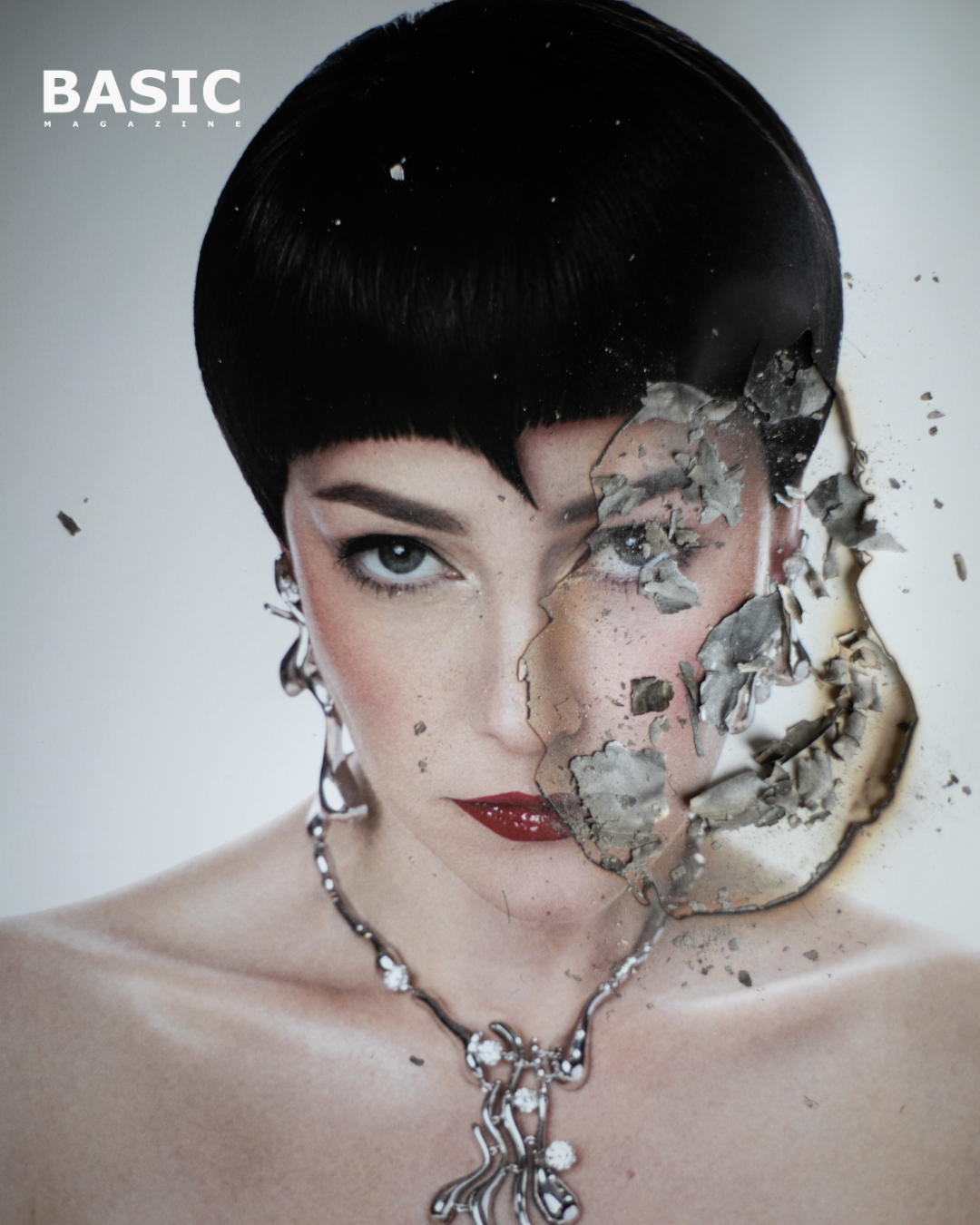
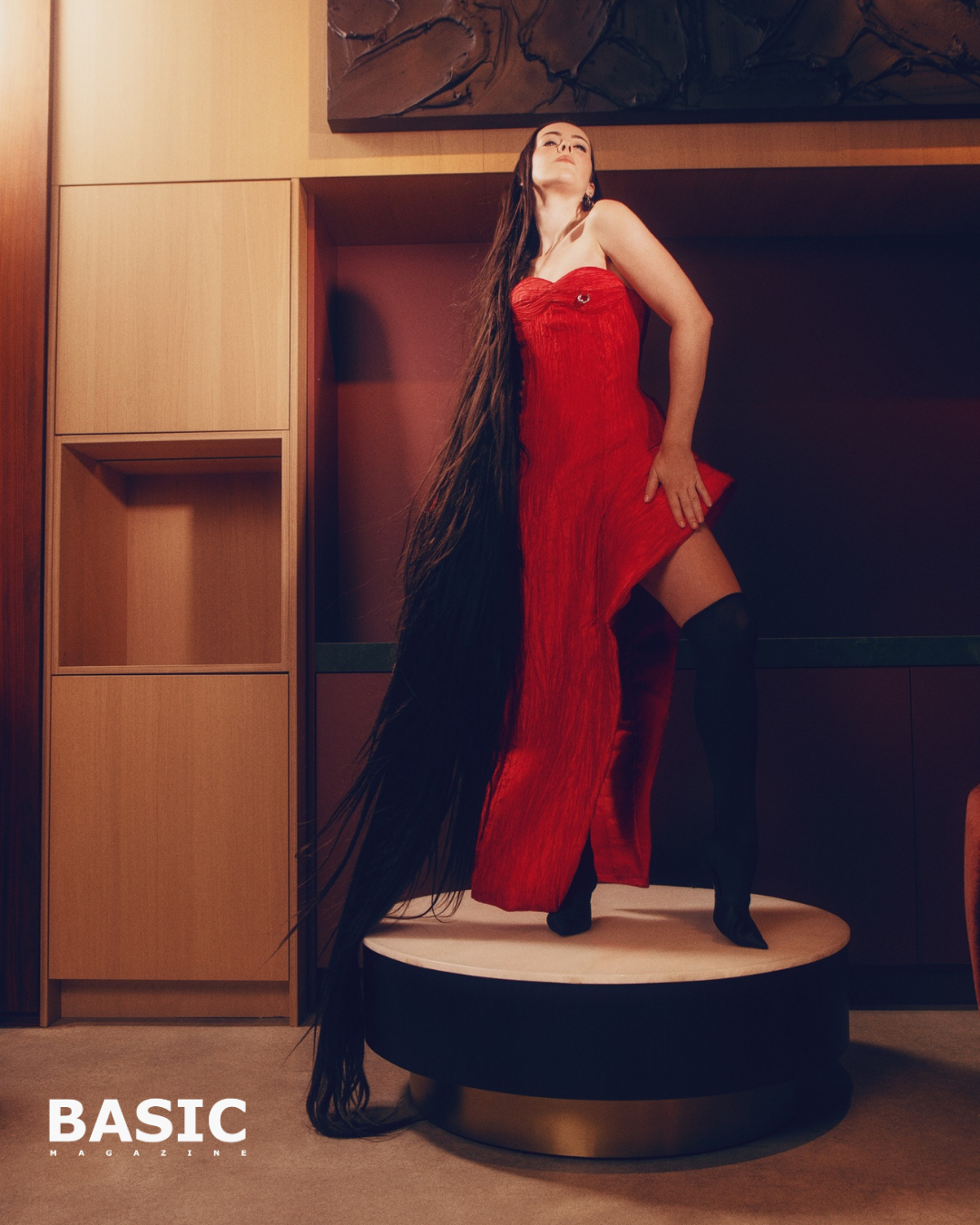
Earrings RARE ROMANCE @rareromance
Shoes KAUD @kaudofficial @tata__la