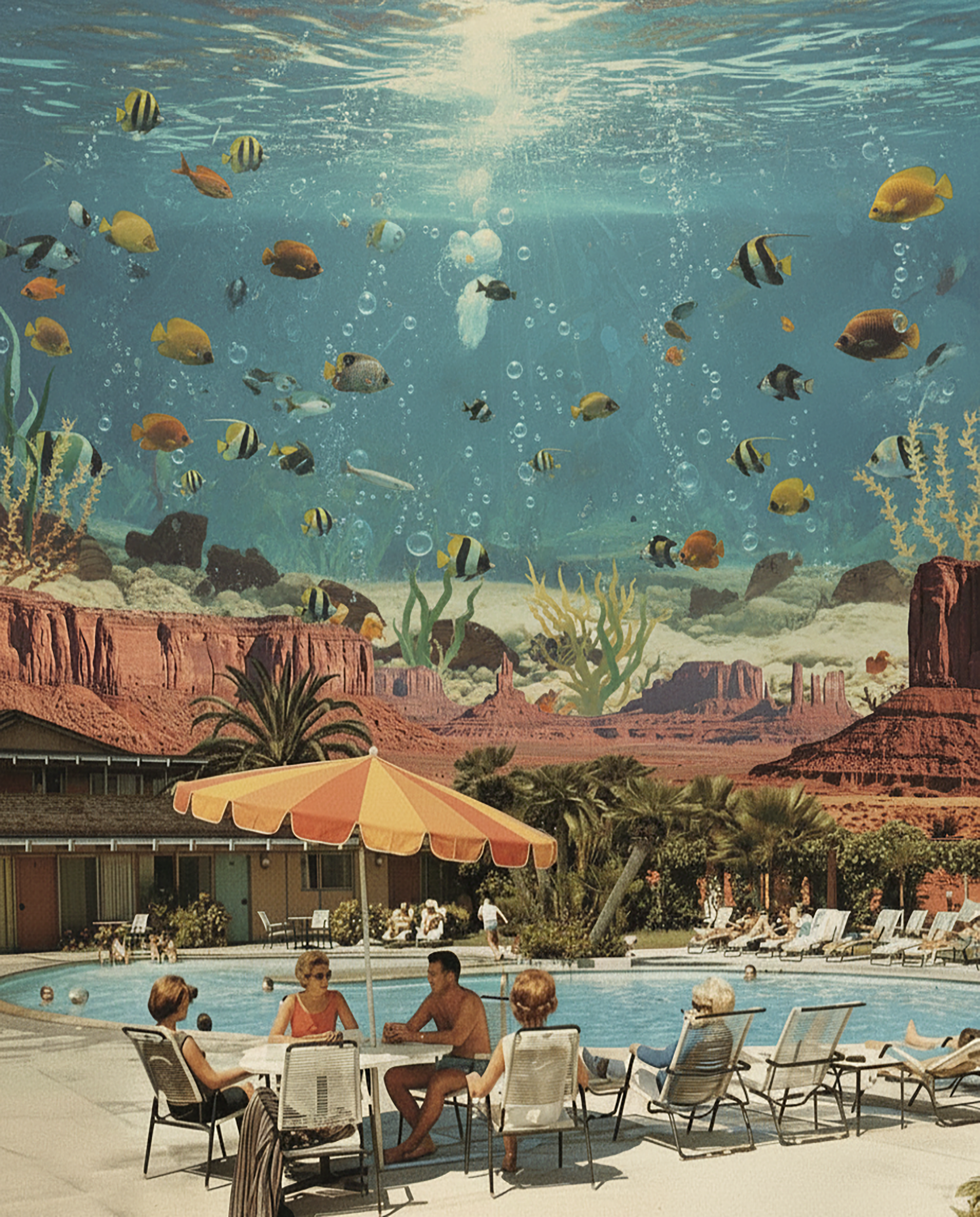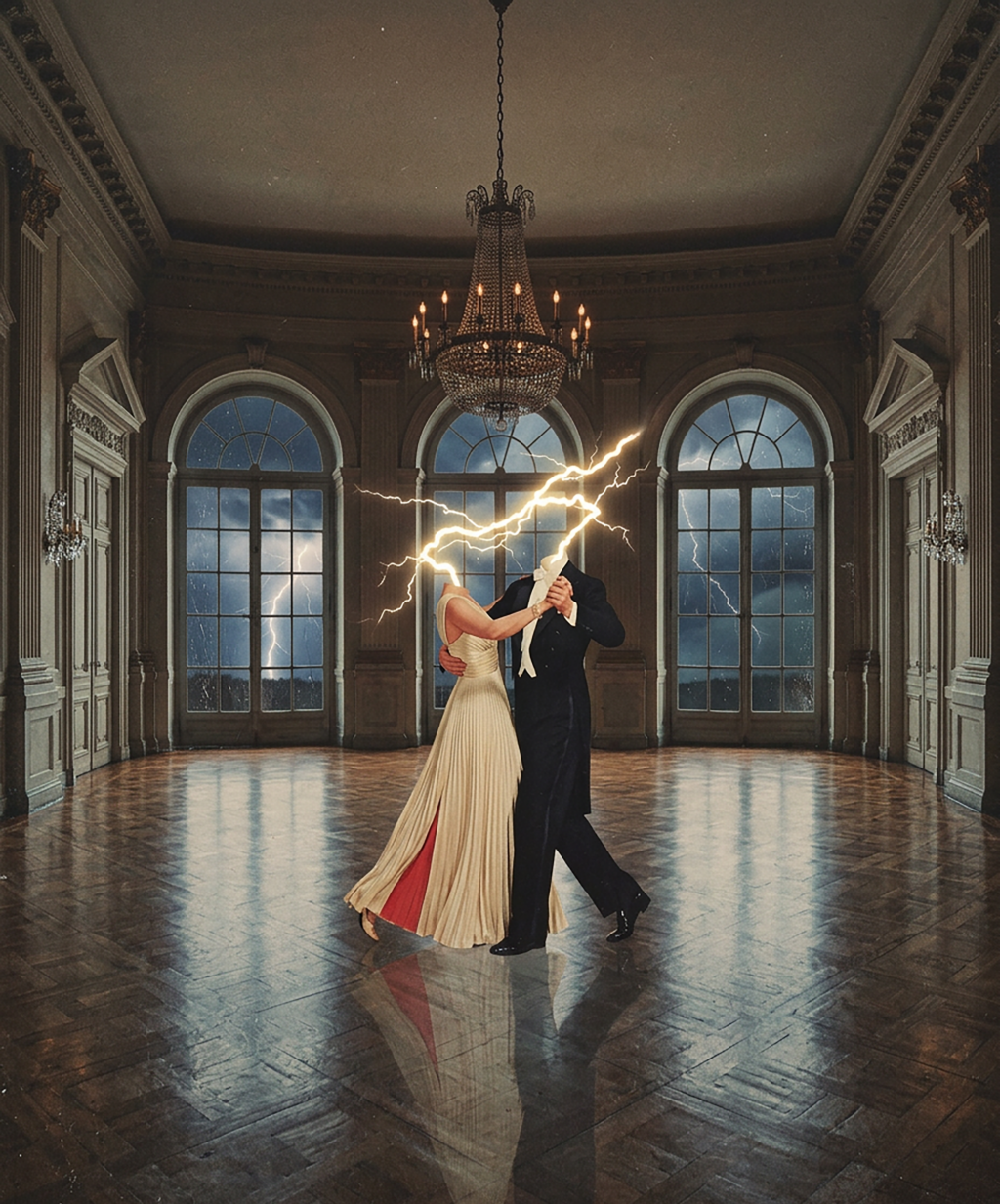
Elissa Nemer aka Gleeve is a digital collage artist and cover album artist whose work explores memory, nostalgia, and the unexpected connections between seemingly unrelated images. Drawn to collage from a young age, Nemer has always been fascinated by the way separate fragments can come together to create an entirely new story. Inspired by vintage photographs, personal archives, textures, and everyday imagery, her intuitive process allows each piece to evolve through experimentation and discovery. For Nemer, collage is more than simply combining existing images—it is a way of reimagining what is familiar, finding new meaning in what already exists, and reminding us that even the most unexpected pieces can belong to the same story.
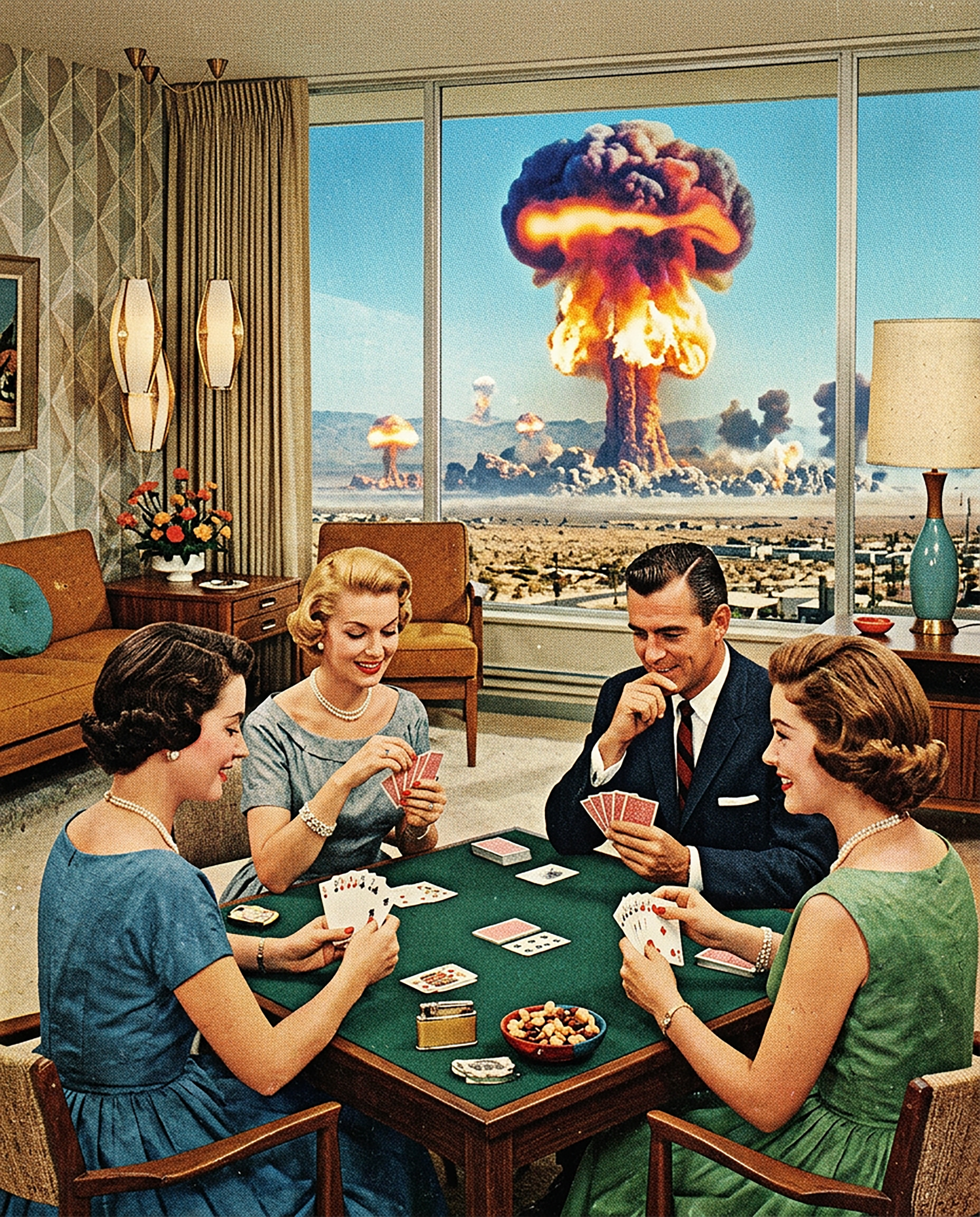
If every canvas had a soundtrack, what would audiences hear the moment they stepped into your world?
I think they would hear something layered, nostalgic, and slightly unexpected. My world has always been about taking pieces from different places and giving them a new relationship. I actually started making collages when I was younger, and I was bullied for it because people didn’t understand why I was putting different images together. But what looked random to them felt like storytelling to me. Today, I think my work would sound like those fragments coming together, different voices, different memories, somehow creating one story.
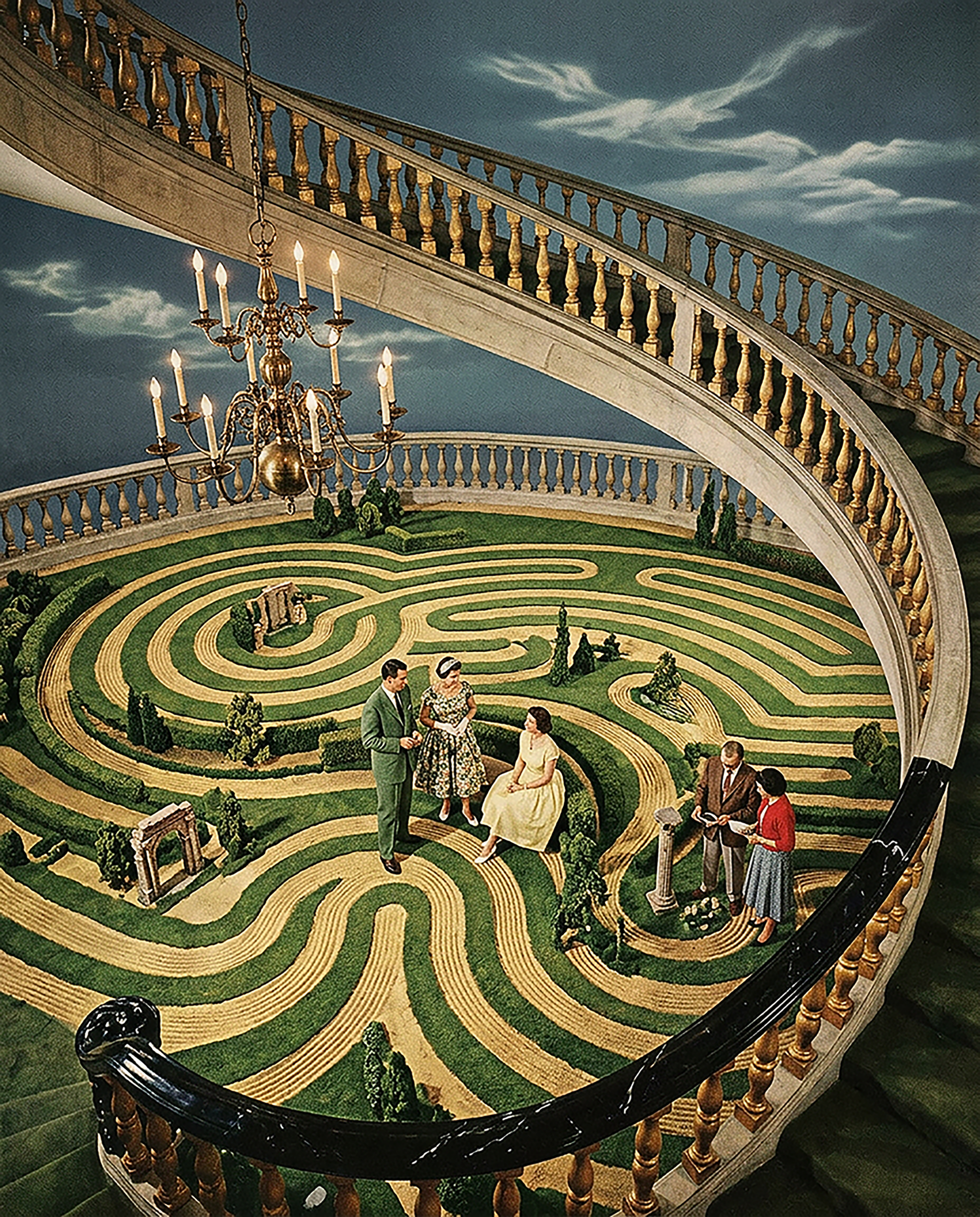
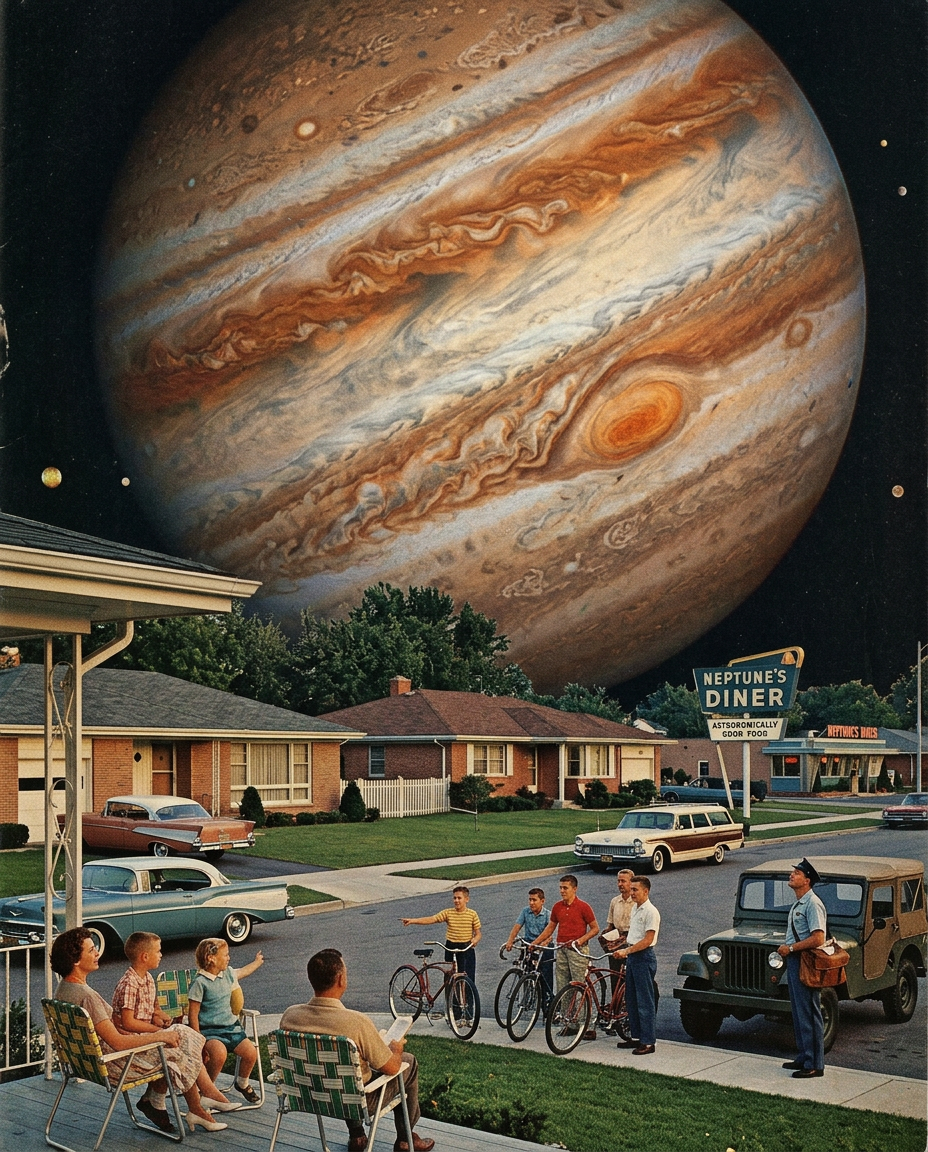
Which single object in your home would you rescue first in a fire, not because it’s valuable, but because it tells your story?
I would probably save my parents’ old vintage photo albums. They carry pieces of a life that existed before I did, people, places, expressions, and little moments that I can only experience through photographs. I love looking through them and imagining the stories behind each image. In a way, they remind me why I became attracted to collage in the first place. One photograph can hold an entire world, and when you place it beside another, a completely different story can appear.
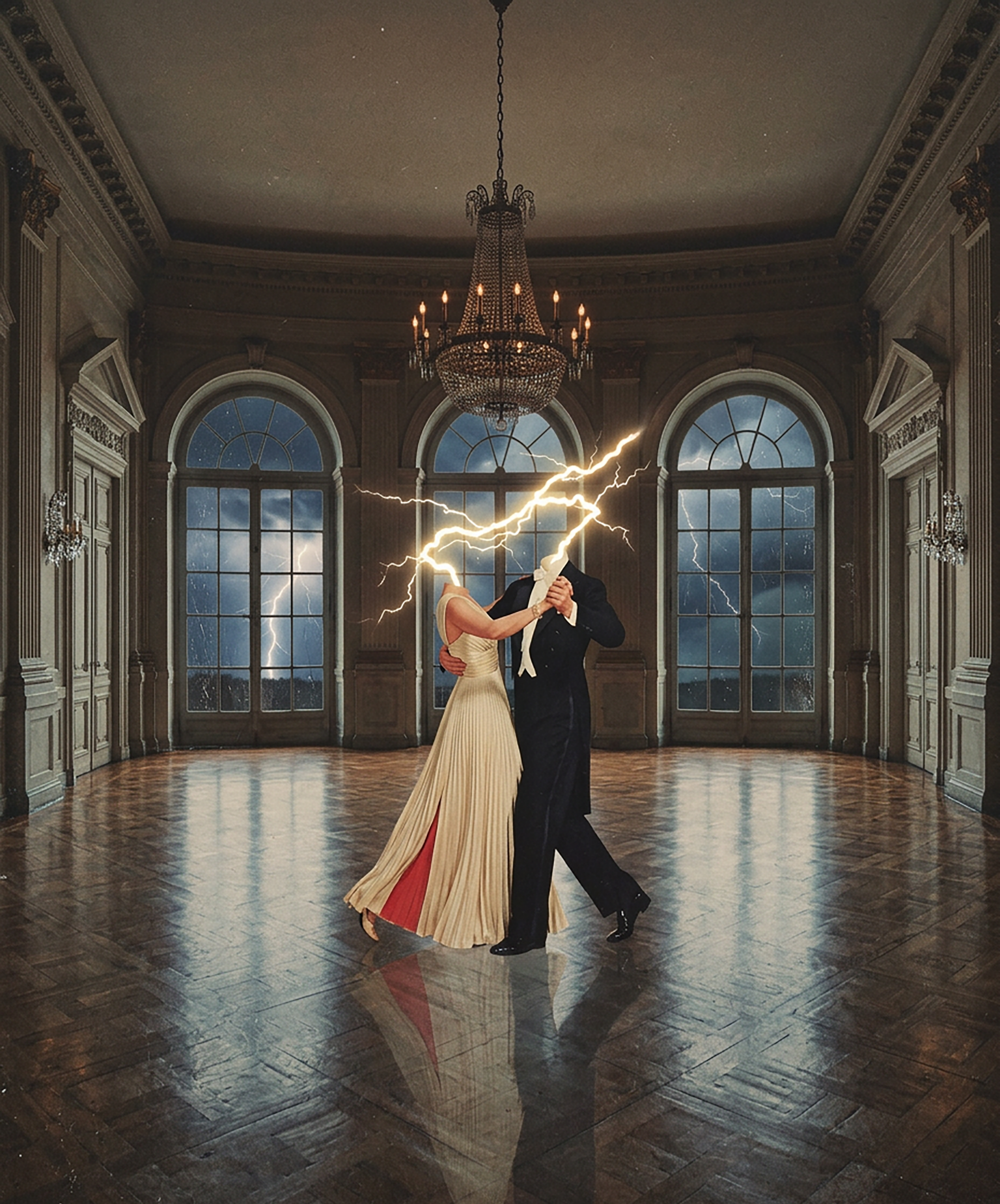
If someone looked at your creative process when no one was watching, what small ritual or habit would they witness that says everything about who you are as an artist?
They would probably see me going down a rabbit hole. I might start with one image, then suddenly find myself looking at another, experimenting with a different texture, changing the composition, and completely forgetting what I originally planned to do. I like letting the work lead me somewhere. When I was younger, people used to make fun of me for creating collages because they saw separate pieces. I think I was always seeing the connection between those pieces. That instinct is still very much a part of how I create today.
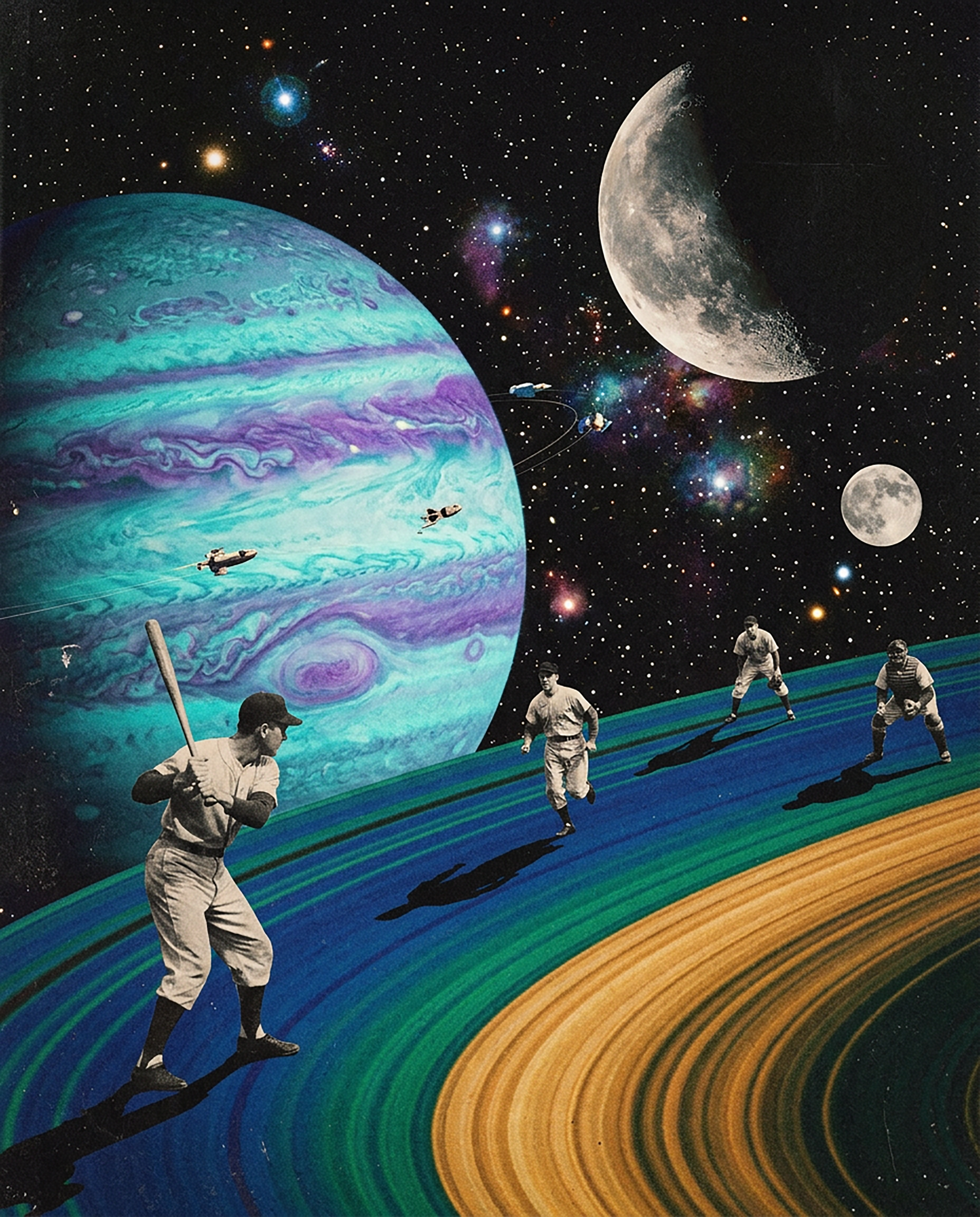
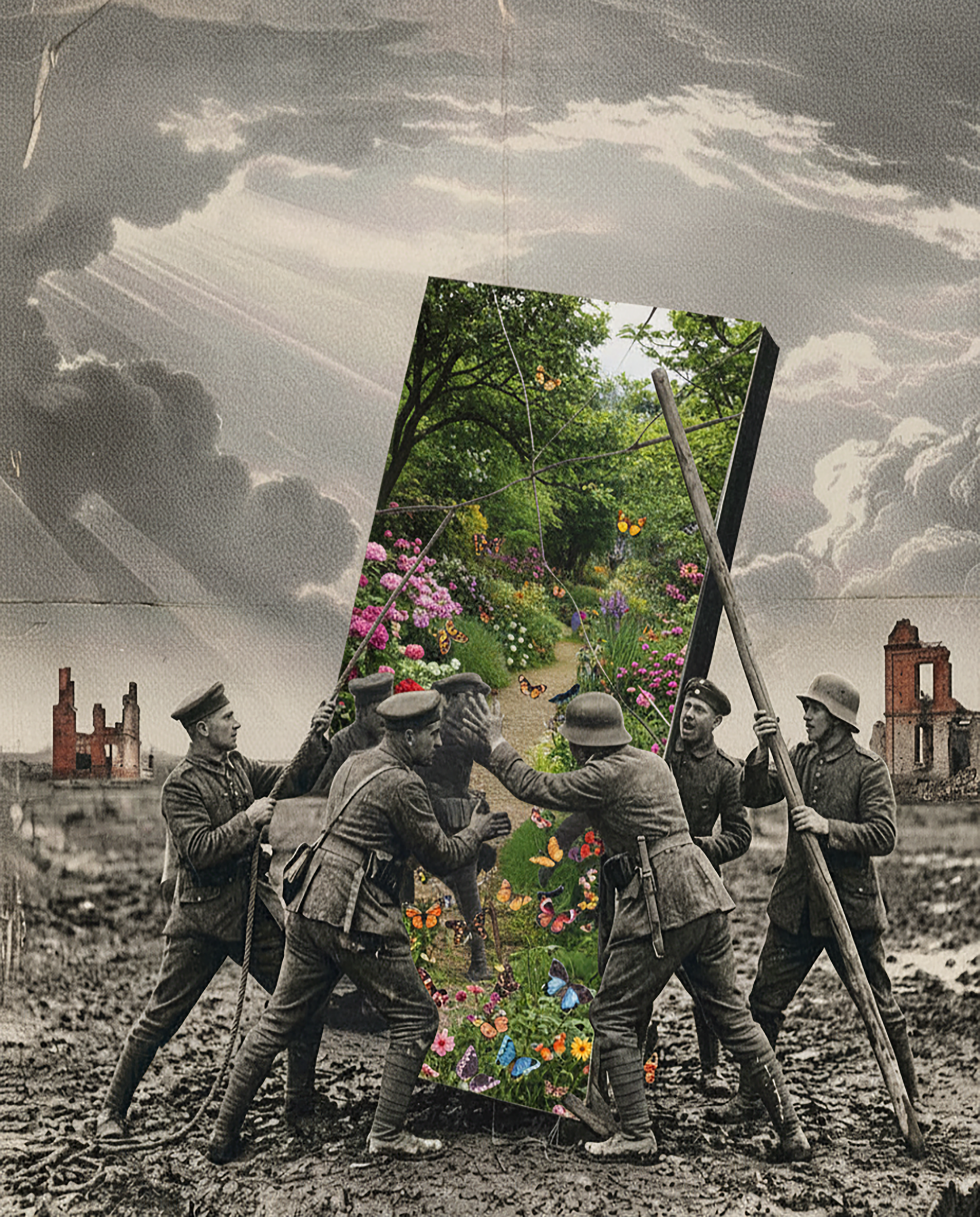
What’s something people almost always assume about you after seeing your work that couldn’t be further from the truth?
People sometimes think collage is easy because you’re working with images that already exist. I used to hear that kind of thinking when I was younger, and being bullied for making collages made me question whether what I was doing was actually art. But collage taught me that creating isn’t always about starting with something completely blank. Sometimes it’s about seeing possibilities in something that already exists and giving it a new meaning. The hardest part isn’t finding the pieces. It’s knowing what they can become together.
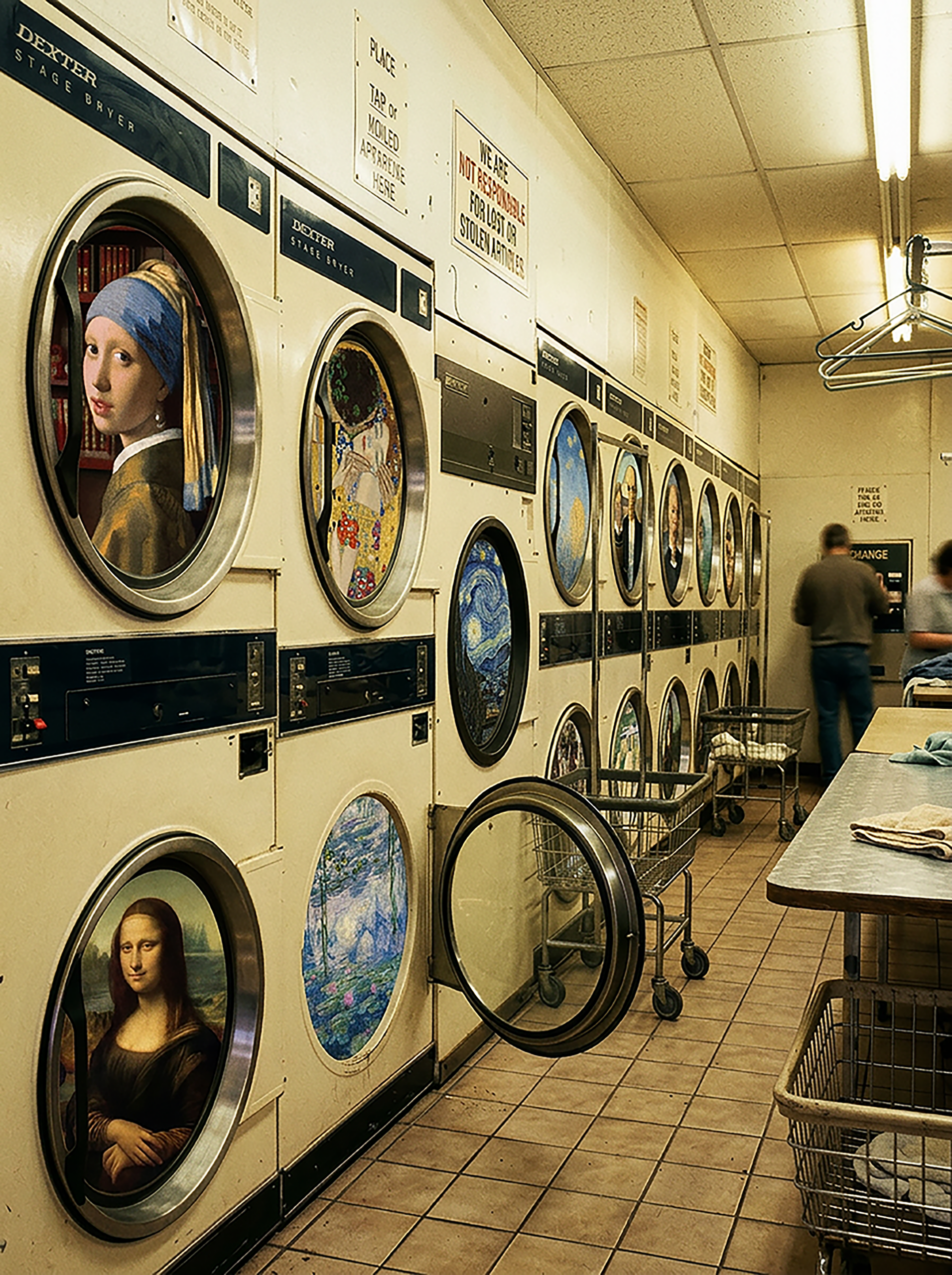
Imagine you wake up tomorrow unable to create ever again. What creative obsession do you think would completely take over your life instead?
I think I would become obsessed with storytelling in another form. I would probably spend my time looking through old photographs, visiting places with history, listening to people’s stories, and noticing little details that usually go unnoticed. Even if I couldn’t make art anymore, I don’t think I could stop looking at the world creatively. Collage was never just about putting images together for me. It taught me to look at ordinary things and wonder what else they could become.
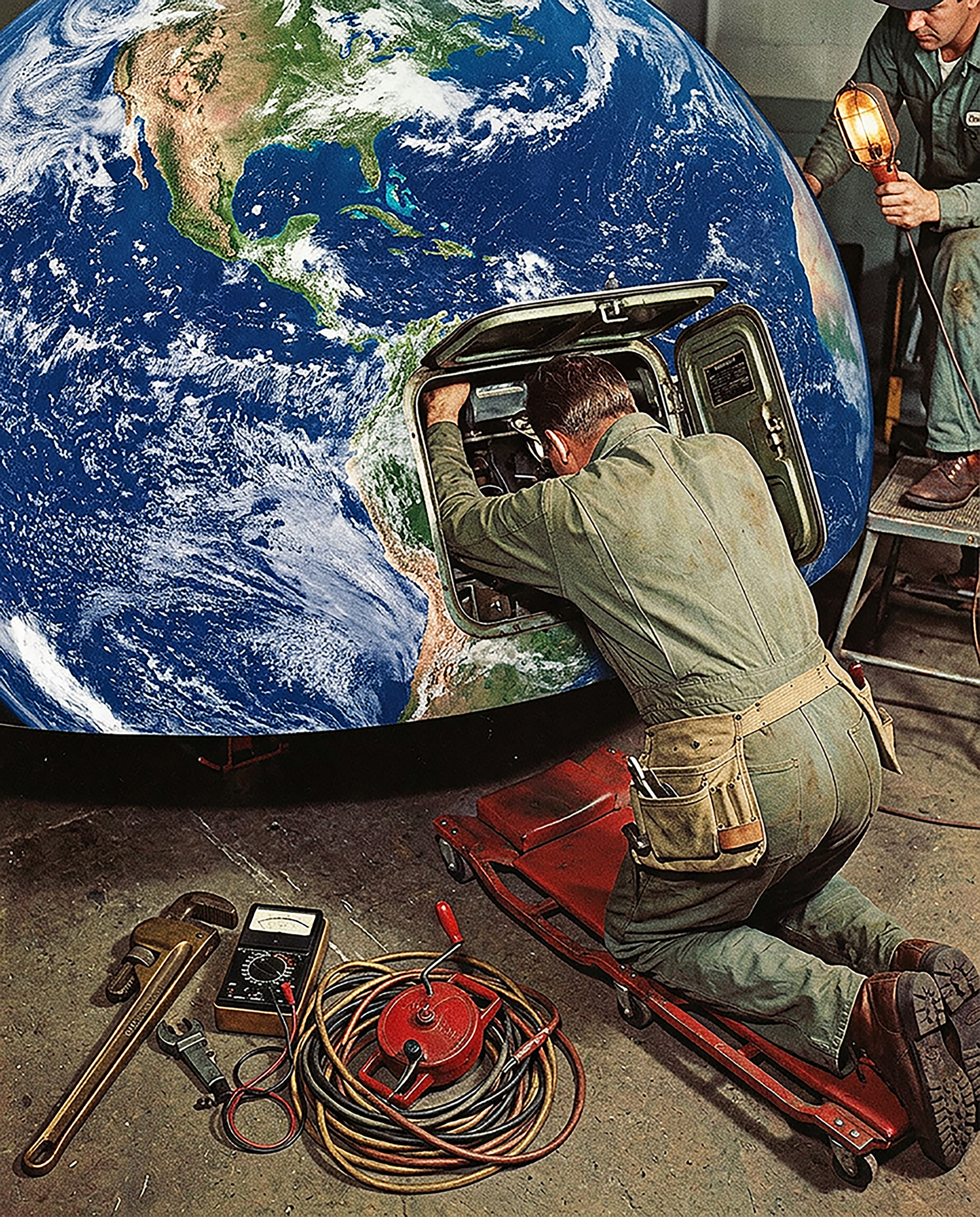
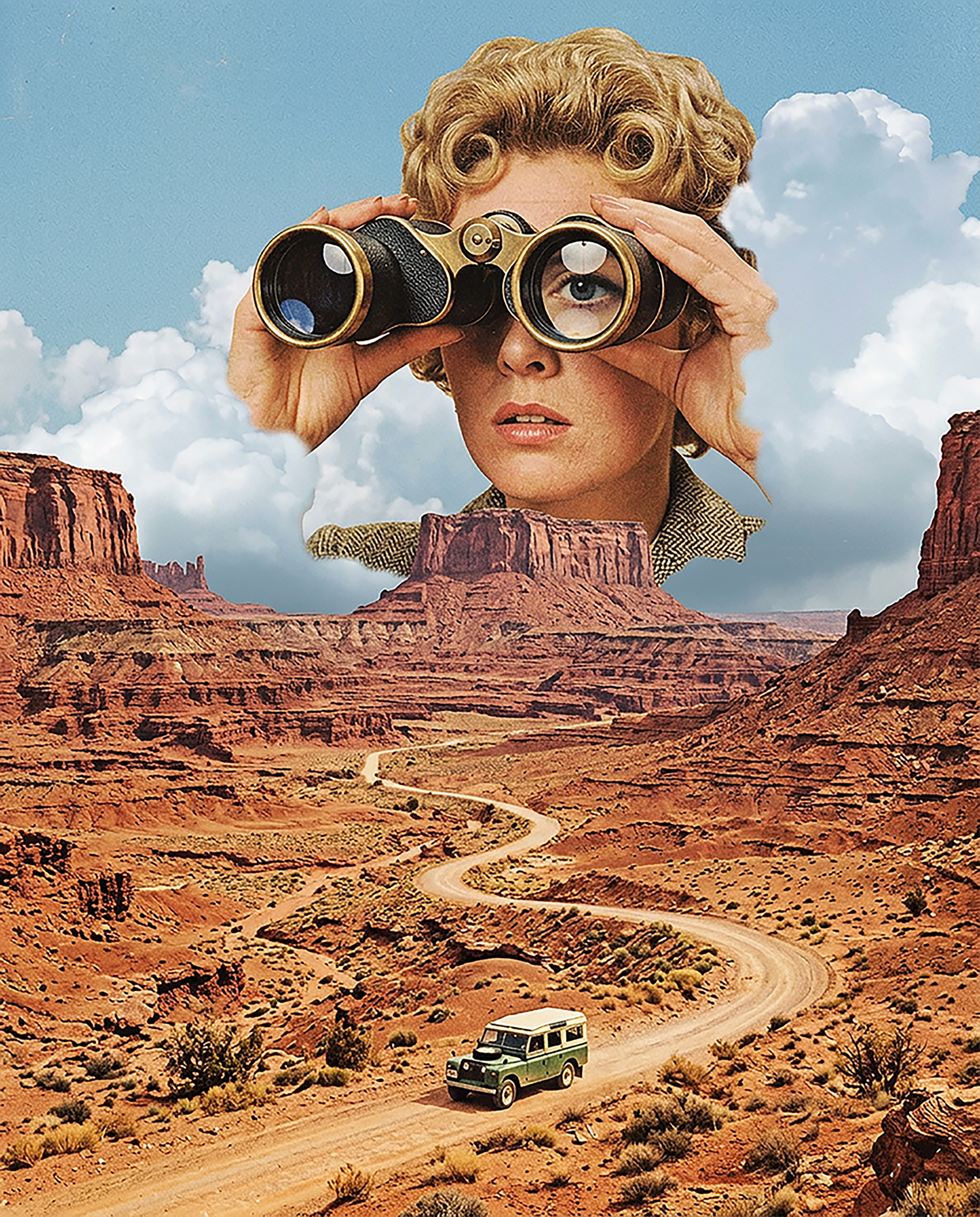
Imagine someone discovers one of your artworks 200 years from now, knowing nothing about our era. What do you hope they understand about humanity, not from the subject itself, but from your use of color, balance, and illusion?
I hope they understand that humans have always wanted to create something beyond what already exists. We take memories, images, experiences, and fragments of the world around us and turn them into something personal.
Maybe they won’t recognize the original images or understand exactly where each piece came from, but I hope they can still feel the curiosity behind it, the human desire to connect unrelated things, to imagine differently, and to create meaning from fragments.
For me, that is what collage has always been. It’s proof that even the pieces that seem unrelated can belong to the same story.